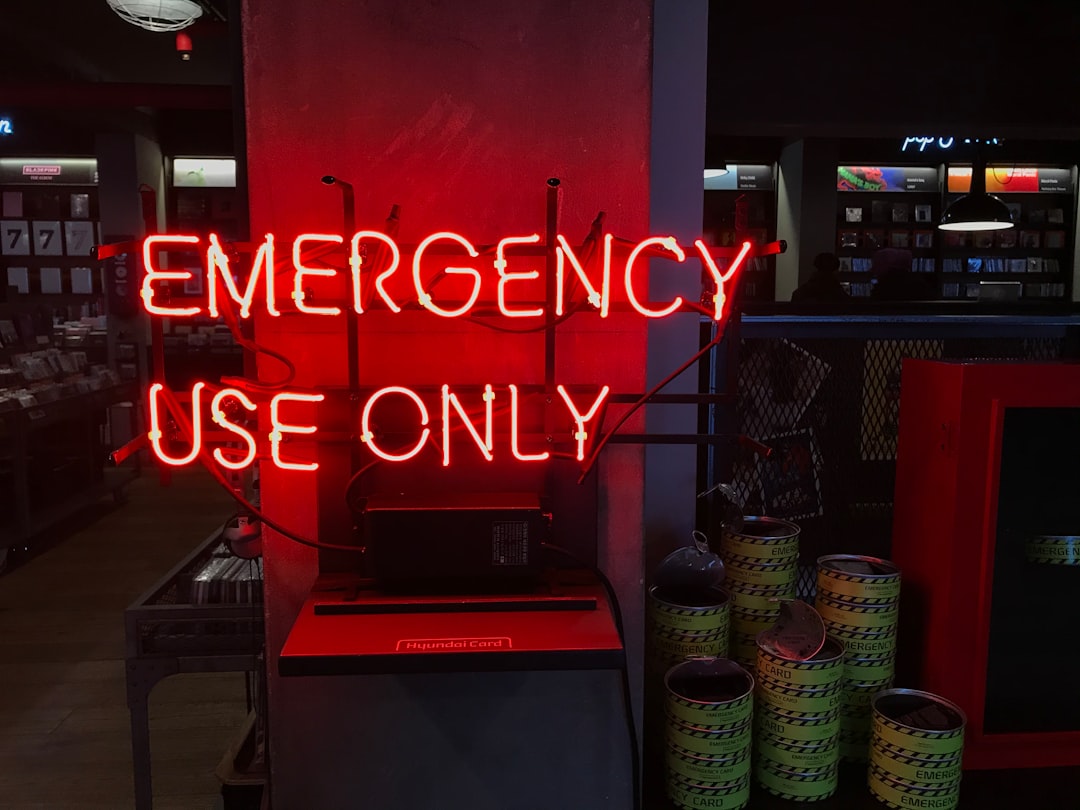
You’re staring at your bank account, maybe a little more casually than you should. Bills are due, rent is looming, and a sudden unexpected expense – a car repair, a medical bill, or even a job loss – would send you spiraling. Sound familiar? If so, it’s time to talk about building an emergency fund. It’s not just a nice-to-have; it’s a cornerstone of financial security, your personal safety net. And the burning question you’re likely asking yourself is: how much do you actually need? This article will guide you through understanding your personal needs and building a robust emergency fund that provides genuine peace of mind.
Before we dive into the numbers, let’s solidify why you’re undertaking this crucial financial task. An emergency fund isn’t about accumulating wealth or investing for the future. It’s purely about protection. It’s the buffer that prevents life’s inevitable curveballs from derailing your entire financial life.
The Purpose of Your Safety Net
Protecting Against the Unexpected
Life is inherently unpredictable. You might be the most cautious planner, but even then, unforeseen circumstances can arise. Your emergency fund is designed to absorb these shocks without forcing you to resort to high-interest debt or liquidate long-term investments at an inopportune time.
Medical Emergencies
From a sudden illness or injury requiring doctor’s visits and prescriptions to more serious hospital stays, medical expenses can escalate rapidly. Without an emergency fund, these costs can become a significant burden.
Job Loss or Income Disruption
The job market can be volatile. A layoff, a company downsizing, or even a period of reduced hours can dramatically impact your income. An emergency fund provides a lifeline during these transition periods, allowing you to cover essential expenses while you search for new employment.
Home or Vehicle Repairs
Your home and car are significant assets, but they also require maintenance and can experience unexpected breakdowns. A leaky roof, a faulty furnace, or a transmission problem can be costly. Your emergency fund can cover these essential repairs, preventing further damage or inconvenience.
Natural Disasters
Depending on your location, you might be susceptible to natural disasters like floods, hurricanes, or earthquakes. These events can cause extensive damage to your property and personal belongings, leading to substantial repair or replacement costs.
Avoiding Costly Debt
Without readily available cash for emergencies, your default option often becomes taking on debt. This can be incredibly detrimental to your long-term financial health.
High-Interest Credit Cards
When you swipe a credit card to cover an unexpected bill, you’re often incurring high interest rates that can quickly snowball, making it much harder to pay off the original expense.
Payday Loans
These short-term loans come with astronomically high fees and interest rates, trapping borrowers in a cycle of debt that is incredibly difficult to escape.
Draining Retirement Savings
While it might seem like an option in a dire situation, dipping into your retirement accounts can have significant long-term consequences, including penalties, taxes, and a substantial loss of future growth potential.
Maintaining Financial Peace of Mind
The psychological benefit of having an emergency fund cannot be overstated. Knowing you have a financial cushion significantly reduces stress and anxiety, allowing you to sleep better at night and make more rational financial decisions.
Reducing Financial Stress
The constant worry about how you’ll handle an unexpected expense is a significant source of stress. An emergency fund alleviates this burden, providing a sense of control and security.
Enabling Better Decision-Making
When you’re not in a state of financial panic, you’re better equipped to make sound decisions. This applies to your finances, your career, and your personal life.
When considering how much of an emergency fund you need, it’s essential to evaluate your personal financial situation, including your monthly expenses and income stability. A helpful resource on this topic can be found in the article titled “How Much Emergency Fund Do I Need?” on How Wealth Grows. This article provides insights into determining the appropriate size of your emergency fund based on various factors, ensuring you are well-prepared for unexpected financial challenges. For more information, you can read the article here: How Much Emergency Fund Do I Need?.
Determining Your Target Emergency Fund Amount: The Foundation
Now, let’s get to the core of your question: how much money do you actually need in your emergency fund? The answer isn’t a single, universal figure. It’s highly personal and depends on a variety of factors. However, there are established guidelines and a process you can follow to determine your specific target.
The “3-6 Months of Expenses” Rule of Thumb
This is the most commonly cited guideline for emergency funds, and for good reason. It provides a solid starting point for most individuals and families.
Defining Your “Essential Expenses”
This is the most critical step. You need to identify what expenses are absolutely necessary for you to live on a month-to-month basis. This isn’t about your discretionary spending; it’s about survival.
Housing Costs
- Mortgage or Rent: Your primary housing payment.
- Property Taxes and Homeowner’s Insurance (if applicable): If these are not escrowed with your mortgage.
- Utilities: Electricity, gas, water, and essential internet service.
Food and Groceries
- Groceries: The cost of feeding yourself and your household.
Transportation
- Car Payments: If you have a loan on your vehicle.
- Car Insurance: Mandatory for most drivers.
- Fuel: The cost of gas to get to work and essential errands.
- Public Transportation Fares: If you rely on buses, trains, or subways.
Healthcare
- Health Insurance Premiums: If you pay these directly.
- Prescription Medications: Essential ongoing medical costs.
- Regular Doctor Visits: For chronic conditions or necessary check-ups.
Debt Payments
- Minimum Debt Payments: The absolute minimum you must pay on loans (student loans, personal loans, etc.) to avoid default.
Other Essential Needs
- Childcare: If you need it to work.
- Essential Personal Care Items: Toiletries, basic hygiene products.
Calculating Your Monthly Expenses
Once you’ve identified your essential expenses, you need to calculate the total cost per month. Go through your bank statements and credit card bills from the last few months to get an accurate picture. Be honest and thorough.
Multiplying for Your Target Range
- 3 Months: This is a good minimum for those with stable jobs, low debt, and predictable expenses. It provides a basic level of protection.
- 6 Months: This is a more robust target and is recommended for most people, especially those with variable incomes, significant debt, dependents, or who live in areas with higher living costs.
Example Calculation
Let’s say your essential monthly expenses (housing, food, utilities, minimum debt payments, essential transportation, basic healthcare) add up to $3,000.
- 3-Month Target: $3,000 x 3 = $9,000
- 6-Month Target: $3,000 x 6 = $18,000
So, your target emergency fund range would be between $9,000 and $18,000.
Factors That Influence Your “Ideal” Amount
While the 3-6 month rule is a good starting point, your personal circumstances might dictate that you need more. Consider these factors:
Your Employment Stability
Stable, Salaried Positions
If you have a secure, long-term job with a stable employer, you might be comfortable starting with a 3-month fund.
Freelancers, Gig Workers, and Commission-Based Roles
If your income fluctuates significantly from month to month, or if you’re self-employed, you’ll want to aim for the higher end of the spectrum, likely 6-9 months, or even more. A sudden dip in income can be devastating if you don’t have a substantial cushion.
Your Debt Load
High-Interest Debt
If you carry a significant amount of high-interest debt (e.g., credit cards), your priority might be to pay that down aggressively while building a smaller emergency fund initially (perhaps 1-2 months of expenses). Once the high-interest debt is gone, you can then focus on building a more substantial emergency fund.
Low-Interest Debt
If your debt is primarily low-interest (e.g., a mortgage, some student loans), a 6-month fund is generally a good idea to cover your essential payments while you also work on debt reduction if that’s a goal.
Your Household Composition and Dependents
Single Individuals
A single person might feel comfortable with a 3-4 month fund if they have a stable job and minimal fixed expenses.
Families with Children
Families with children often have more unpredictable expenses and a greater responsibility to provide for others. Aiming for 6-9 months is often wise. Children can incur unexpected medical bills, school-related costs, or need additional support during times of parental income disruption.
Elderly or Disabled Dependents
If you are responsible for the care of elderly parents or disabled family members, their needs can also increase your potential emergency expenses. A larger fund is prudent.
Your Health and Risk Tolerance
Chronic Health Conditions
If you or a family member has a chronic health condition that requires regular medical care or medication, you are more likely to face unexpected medical bills. A larger emergency fund is essential.
High-Risk Occupations
While less common, if your occupation carries a higher risk of injury or sudden unemployment, you might consider a larger fund.
Your Living Expenses and Location
High Cost of Living Areas
If you live in a major metropolitan area with high rents, mortgages, and general living costs, your essential expenses will naturally be higher. Therefore, your emergency fund needs to be proportionally larger to cover those elevated costs for the same duration.
Areas with Fewer Job Opportunities
If you live in a region with limited job opportunities in your field, a job loss could mean a longer period of unemployment. This suggests a larger emergency fund would be beneficial.
Where to Keep Your Emergency Fund: Accessibility and Security

Once you’ve determined your target amount, the next crucial question is: where should you keep this money? The answer is simple: somewhere safe, accessible, and separate from your everyday spending.
The Importance of Liquidity
Your emergency fund needs to be readily available when you need it. This means it should be in an account that allows for quick withdrawal without penalties.
High-Yield Savings Accounts (HYSAs)
These are often the go-to for emergency funds. They offer a better interest rate than traditional savings accounts, allowing your money to grow slightly while remaining easily accessible.
Advantages of HYSAs
- Higher Interest Rates: Earn more than a standard savings account.
- FDIC Insurance: Your deposits are insured up to $250,000 per depositor, per insured bank, for each account ownership category.
- Easy Access: Funds can typically be transferred to your checking account within a business day or two.
- Separation: Keeps your emergency money distinct from your daily spending.
What to Look For in an HYSA
- Competitive Interest Rates (APY): Compare rates from different online banks and credit unions.
- No Monthly Fees: Avoid accounts that charge fees that erode your balance.
- Easy Online Access and Mobile App: For convenient management.
- Sufficient Withdrawal Limits: Ensure you can access funds as needed.
Money Market Accounts (MMAs)
Similar to HYSAs, money market accounts offer competitive interest rates and FDIC insurance. Some may offer limited check-writing privileges or debit cards, but these features can sometimes come with higher minimum balance requirements or transaction limits.
Avoiding Risky Investments
Your emergency fund is not an investment vehicle. It’s about preservation of capital and immediate accessibility.
Why Not Invest It?
- Market Volatility: Investment values can fluctuate. You don’t want to be forced to sell investments when the market is down to cover an emergency.
- Transaction Costs and Penalties: Selling investments quickly can incur fees and potential taxes.
- Loss of Principal: The risk of losing money is antithetical to the purpose of an emergency fund.
What to Avoid
- Stocks and Bonds: Too volatile for emergency funds.
- Cryptocurrency: Extremely speculative and unpredictable.
- Certificates of Deposit (CDs) with Long Maturities: While they offer higher interest, they lock up your money and incur penalties for early withdrawal.
Keeping it Separate
It’s crucial to have your emergency fund in a separate account from your checking account and your regular savings. This mental and practical separation helps prevent you from accidentally dipping into your emergency funds for everyday expenses.
Mental Accounting
When your emergency fund is in its own dedicated account, you’re less likely to view it as part of your everyday available cash. This reinforces its purpose.
Practical Safeguards
Having a separate account makes it harder to transfer money impulsively. You have to actively move funds, which can provide a moment of pause and reconsideration.
Strategies for Building Your Emergency Fund

Knowing how much you need is one thing; actually getting there is another. Building an emergency fund takes time, discipline, and a strategic approach. Here are some effective ways to get started and keep the momentum going.
Automate Your Savings
This is arguably the most effective strategy. Treat your emergency fund savings like any other recurring bill.
Setting Up Automatic Transfers
- From Checking to Savings: Schedule regular automatic transfers from your checking account to your dedicated emergency fund savings account.
- Frequency: Weekly, bi-weekly, or monthly – choose a frequency that fits your pay cycle and comfort level.
- Amount: Start with a small, manageable amount if necessary, and gradually increase it as your budget allows.
The Power of Consistency
Consistency is key. Even small, regular contributions add up significantly over time. Automation removes the temptation to skip a contribution or spend the money elsewhere.
Cutting Expenses and Increasing Income
If you’re struggling to save, it’s time to look at both sides of the equation: reducing what you spend and increasing what you earn.
Finding Areas to Cut Back
- Review Subscriptions: Identify streaming services, gym memberships, or app subscriptions you don’t use frequently.
- Reduce Dining Out: Pack lunches, cook at home more often, and limit impulse food purchases.
- Lower Utility Bills: Be mindful of energy usage, unplug electronics, and adjust your thermostat.
- Shop Smart for Groceries: Meal plan, use coupons, and buy generic brands when appropriate.
- Re-evaluate Transportation Costs: Carpool, use public transport, or consider cycling for short distances.
Boosting Your Income
- Side Hustle: Consider freelance work, driving for a ride-sharing service, selling crafts, or tutoring.
- Sell Unused Items: Declutter your home and sell items you no longer need on online marketplaces.
- Ask for a Raise: If you’re performing well at your job, research industry standards and build a case for a salary increase.
- Take on Extra Shifts: If your employer offers opportunities for overtime or extra shifts, consider them.
Utilizing Windfalls and Unexpected Income
Any unexpected money that comes your way is a perfect opportunity to supercharge your emergency fund.
Tax Refunds
Instead of splurging on a new gadget, allocate a significant portion, if not all, of your tax refund to your emergency fund.
Bonuses and Gifts
Holiday bonuses, birthday gifts, or any other unexpected cash infusions can make a substantial dent in your savings goal.
Selling Assets
If you have a second car you rarely use or other valuable items you no longer need, selling them can provide a significant lump sum for your emergency fund.
The “One-Month Rule” for Beginners
If the idea of saving 3-6 months of expenses feels overwhelming, start with a smaller, more achievable goal.
Aiming for One Month First
Focus all your efforts on saving just one month’s worth of essential expenses. This provides a tangible, short-term win that can build momentum and confidence.
Building Momentum
Once you’ve reached your one-month goal, you’ll feel empowered to continue saving for the next month, and the next.
When planning your financial future, understanding how much you need in an emergency fund is crucial for maintaining stability during unexpected situations. A helpful resource that delves deeper into this topic can be found in a related article that discusses various strategies for building your savings effectively. For more insights, you can check out this informative piece on emergency funds at How Wealth Grows, which provides valuable tips on determining the right amount for your individual circumstances.
Maintaining and Replenishing Your Emergency Fund
| Expense Category | Monthly Amount |
|---|---|
| Housing | XXXX |
| Utilities | XXXX |
| Food | XXXX |
| Transportation | XXXX |
| Insurance | XXXX |
| Debt Payments | XXXX |
| Other Expenses | XXXX |
| Total Monthly Expenses | XXXX |
Building the fund is just the first half of the battle. Life happens, and you’ll inevitably have to dip into your emergency fund at some point. The key is to have a plan for replenishing it.
Replenishing After an Emergency Withdrawal
This is paramount. When you use your emergency fund, it’s not gone forever, but it’s no longer doing its job.
Make Replenishment a Priority
Once the immediate crisis has passed, your new financial priority should be to rebuild your emergency fund.
Adjust Your Budget Accordingly
You might need to temporarily cut back on discretionary spending or increase your income-generating efforts to replace the withdrawn funds more quickly.
Automate Replenishment
Just as you automated initial savings, set up automatic transfers to replenish your fund once the immediate emergency is resolved.
Regular Reviews and Adjustments
Your financial situation and your expenses can change over time. It’s important to revisit your emergency fund needs periodically.
Annual Reviews
At least once a year, sit down and review your essential expenses. Have they increased or decreased?
Adjusting for Inflation and Life Changes
- Inflation: The cost of goods and services generally increases over time. Your emergency fund needs to keep pace.
- Life Events: A new child, a marriage, a divorce, a change in job title or income – these events can significantly alter your expenses and risk factors, requiring an adjustment to your target fund amount.
Setting Aside “Mini” Emergency Funds for Specific Goals
While a general emergency fund is crucial, you might also consider setting aside smaller, dedicated funds for predictable, but still potentially disruptive, events.
Car Replacement Fund
Instead of relying on your general emergency fund for a major car repair or to replace a vehicle, you could have a separate fund specifically for this purpose.
Medical Deductible Fund
If you have a high health insurance deductible, having a separate fund to cover this amount can prevent you from depleting your main emergency savings.
Vacation or Holiday Fund (Separate from Emergency Fund)
While not an emergency, having separate savings for planned large expenses like vacations or holidays prevents you from being tempted to dip into your emergency fund for non-essential purchases. These are distinct from your emergency fund.
The Long-Term Benefits of a Strong Emergency Fund
Building and maintaining an emergency fund is not just about surviving the next unexpected event; it’s about building a foundation for long-term financial well-being and freedom.
Financial Resilience
An emergency fund makes you more resilient to financial shocks. You can weather storms that would cripple others, emerging stronger and more stable.
Reduced Financial Stress and Improved Well-being
As mentioned earlier, the peace of mind that comes with knowing you’re prepared for the unexpected is invaluable. This reduction in stress can positively impact your physical and mental health.
Ability to Seize Opportunities
When you’re not constantly worried about making ends meet, you’re in a better position to take advantage of opportunities. This could be starting a business, pursuing further education, or even making a career change that might involve a temporary pay cut.
Achieving Other Financial Goals Faster
Paradoxically, by having your emergency fund in place, you can often achieve other financial goals – like saving for a down payment on a house, investing for retirement, or paying off debt – more quickly and efficiently. This is because you’re not constantly being set back by unexpected expenses.
Enhanced Negotiating Power
In situations like negotiating a salary or discussing a car purchase, having a solid emergency fund gives you leverage. You’re less desperate, which allows you to negotiate from a position of strength.
A Legacy of Financial Responsibility
By prioritizing your financial security, you set a powerful example for your family and loved ones. You demonstrate the importance of planning, discipline, and self-reliance.
Building an emergency fund is a marathon, not a sprint. It requires dedication, consistent effort, and a clear understanding of your personal financial landscape. By following these steps, understanding your individual needs, and committing to the process, you will create a robust safety net that empowers you to face life’s uncertainties with confidence and achieve greater financial freedom. Start today, and you’ll thank yourself tomorrow.

The Wealth Tipping Point: When Money Stops Feeling Hard
FAQs
1. What is an emergency fund?
An emergency fund is a savings account specifically set aside to cover unexpected expenses or financial emergencies, such as medical bills, car repairs, or job loss.
2. How much emergency fund do I need?
Financial experts generally recommend having 3 to 6 months’ worth of living expenses saved in an emergency fund. However, the exact amount needed can vary based on individual circumstances, such as income stability, family size, and monthly expenses.
3. What factors should I consider when determining the size of my emergency fund?
When determining the size of your emergency fund, consider factors such as your monthly expenses, job stability, health insurance coverage, and any potential major expenses on the horizon, such as home repairs or upcoming medical procedures.
4. Where should I keep my emergency fund?
It’s recommended to keep your emergency fund in a separate, easily accessible savings account, such as a high-yield savings account or a money market account. This allows you to access the funds quickly in the event of an emergency.
5. How can I start building an emergency fund if I don’t have one already?
To start building an emergency fund, begin by setting a specific savings goal and creating a budget to allocate a portion of your income towards savings each month. Consider cutting back on non-essential expenses and look for ways to increase your income, such as taking on a side job or selling unused items.