
You’re standing at the precipice of something significant: the growth of your investment portfolio. It’s not just about accumulating wealth; it’s about cultivating it, nurturing it, and strategically directing its expansion to meet your long-term aspirations. This journey, while potentially daunting, is profoundly rewarding when approached with knowledge, discipline, and a clear vision. This guide is designed to equip you with the insights and strategies necessary to maximize your portfolio’s growth, transforming your financial future into a testament to your informed decisions.
Before you can effectively grow your investments, you must first possess a crystal-clear understanding of your current financial situation. This isn’t a one-time exercise; it’s a continuous process of self-assessment and recalibration. Without this foundational knowledge, any growth strategy you implement will be built on shaky ground.
Assessing Your Current Financial Health
Your financial health is the bedrock upon which all investment strategies are built. Take an honest and comprehensive look at your income, expenses, assets, and liabilities.
Tracking Your Income and Expenses
Do you have a clear picture of where your money comes from and where it goes? Accurate tracking is paramount. This means diligently recording every source of income, from your primary salary to any side hustles or passive income streams. Equally important is understanding your expenditure patterns. Categorize your spending into essential needs (housing, food, utilities, transportation) and discretionary wants (entertainment, dining out, subscriptions).
- Budgeting Tools and Apps: Explore various budgeting applications or spreadsheets that can automate much of this tracking process. Popular options include Mint, YNAB (You Need A Budget), or even a well-structured Excel or Google Sheets document. The key is consistency.
- Regular Review: Schedule weekly or monthly check-ins to review your budget. Identify areas where you might be overspending or opportunities to cut back and redirect those funds towards your investments.
Calculating Your Net Worth
Your net worth is a snapshot of your financial well-being at a specific point in time. It’s calculated by subtracting your total liabilities (what you owe) from your total assets (what you own).
- Listing Your Assets: This includes everything of value, such as cash in savings and checking accounts, investment accounts (stocks, bonds, mutual funds, ETFs), real estate, vehicles, and any other significant possessions.
- Listing Your Liabilities: This encompasses all your debts, including mortgages, student loans, car loans, credit card balances, and any other outstanding financial obligations.
- Calculating the Difference: Once you have these two lists, simply subtract your total liabilities from your total assets. A growing net worth is a strong indicator of positive financial progress.
Defining Your Investment Goals
Your investment goals are the driving force behind your portfolio. Without clear, well-defined objectives, your investment decisions will lack direction and purpose. Consider what you hope to achieve with your investments and by when.
Short-Term vs. Long-Term Goals
Are you saving for a down payment on a house in five years, or are you planning for retirement in 30 years? The timeframe of your goals will significantly influence your investment strategy, risk tolerance, and asset allocation.
- Short-Term Goals (1-5 years): These typically require lower-risk investments to preserve capital. Think high-yield savings accounts, money market funds, or short-term bond funds. The priority here is accessibility and capital preservation rather than aggressive growth.
- Medium-Term Goals (5-15 years): These might allow for a moderate level of risk, with a balanced approach between growth and capital preservation. A diversified portfolio with a mix of stocks and bonds could be appropriate.
- Long-Term Goals (15+ years): These often allow for higher risk tolerance as there’s ample time to recover from market downturns. Growth-oriented investments, such as stocks and equity-focused ETFs, are generally preferred.
Quantifying Your Financial Aspirations
Don’t just say “I want to be rich.” Quantify your desires. How much money do you need for your retirement? What’s the target price for that dream vacation home?
- Retirement Planning: Use retirement calculators to estimate the lump sum you’ll need to support your desired lifestyle in retirement. Factor in inflation and your expected lifespan.
- Specific Purchase Goals: For larger purchases like a car or a house, research current prices and factor in potential appreciation or depreciation. This will give you a concrete savings target.
Determining Your Risk Tolerance
Your risk tolerance is your emotional and financial capacity to withstand fluctuations in the value of your investments. It’s a crucial element that dictates the types of assets you should consider.
Understanding the Risk-Reward Spectrum
Generally, investments with the potential for higher returns also carry higher levels of risk. Conversely, low-risk investments typically offer lower potential returns.
- Low Risk, Low Return: Examples include government bonds, certificates of deposit (CDs), and savings accounts. They are very safe but offer minimal growth.
- Medium Risk, Medium Return: This category includes balanced mutual funds, dividend-paying stocks, and some corporate bonds. They offer a balance between growth potential and capital preservation.
- High Risk, High Return: This encompasses individual stocks (especially growth stocks), cryptocurrencies, and venture capital. They have the potential for substantial gains but also carry the risk of significant losses.
Self-Assessment and Emotional Preparedness
Consider how you would react if your portfolio dropped by 10%, 20%, or even 50% in a short period. Your emotional response is as important as your financial capacity to absorb losses.
- Hypothetical Scenarios: Imagine various market conditions and how you’d feel and act. Would you panic sell, or would you see it as a potential buying opportunity?
- Professional Guidance: If you’re unsure, consulting a financial advisor can help you objectively assess your risk tolerance.
If you’re looking to grow your investment portfolio effectively, you might find it helpful to explore strategies that can enhance your financial growth. A related article that provides valuable insights on this topic can be found at How Wealth Grows. This resource offers practical tips and guidance on various investment approaches, helping you make informed decisions to maximize your returns over time.
Building a Diversified Portfolio: Spreading Your Bets
Once you understand your financial landscape, it’s time to construct your investment portfolio. The cornerstone of any robust growth strategy is diversification. This means spreading your investments across various asset classes, industries, and geographical regions to mitigate risk.
The Importance of Diversification
Diversification is your shield against volatility. By not putting all your eggs in one basket, you reduce the impact of any single investment performing poorly.
Reducing Idiosyncratic Risk
Idiosyncratic risk, also known as unsystematic risk, is the risk specific to an individual company or industry. For example, if you heavily invest in a single tech company and that company faces a scandal, your entire portfolio could be severely impacted. Diversification dilutes this risk.
- Sector Spreading: Invest in companies across different sectors like technology, healthcare, consumer staples, energy, and financials.
- Company Size: Include a mix of large-cap (established companies), mid-cap, and small-cap companies, each with different growth potentials and risk profiles.
Mitigating Market Risk
While diversification cannot eliminate all risk (systematic or market risk), it can significantly dampen its impact. Market risk affects the entire market, but a diversified portfolio is better positioned to weather these broader downturns.
- Asset Class Allocation: Beyond stocks, consider including bonds, real estate (e.g., REITs), commodities, and potentially alternative investments. Each asset class tends to perform differently under various economic conditions.
- Geographical Diversification: Invest in companies and markets outside your home country. Emerging markets can offer higher growth potential, while developed markets might provide more stability.
Asset Allocation Strategies
Asset allocation is the strategic division of your investment portfolio among different asset categories. It’s arguably the most critical decision you’ll make in maximizing your portfolio’s growth.
The Role of Stocks
Stocks, representing ownership in companies, are typically the primary engine for long-term portfolio growth due to their historical performance.
- Growth Stocks: Companies with high earnings growth potential. They often reinvest profits back into the business rather than paying dividends.
- Value Stocks: Companies that are believed to be trading below their intrinsic value. They may offer dividends and have a more stable business model.
- Index Funds and ETFs: These are baskets of stocks that track a specific market index (e.g., S&P 500). They offer instant diversification and are often low-cost.
The Role of Bonds
Bonds represent loans made to governments or corporations. They are generally considered less risky than stocks and can provide income and stability to a portfolio.
- Government Bonds: Issued by national governments, generally considered very safe.
- Corporate Bonds: Issued by companies, offering higher yields but with more credit risk than government bonds.
- Bond Funds and ETFs: Similar to stock ETFs, these provide diversified exposure to the bond market.
Real Estate and Other Assets
Consider incorporating other asset classes for further diversification and potential growth.
- Real Estate Investment Trusts (REITs): Allow you to invest in real estate without directly owning physical property.
- Commodities: Such as gold, oil, or agricultural products. They can act as a hedge against inflation.
- Alternative Investments: This is a broad category that can include hedge funds, private equity, and cryptocurrencies, often with higher risk and complexity.
Rebalancing Your Portfolio
The market is dynamic, and the performance of your different asset classes will fluctuate. Rebalancing is the process of adjusting your portfolio back to its target asset allocation.
The Need for Regular Rebalancing
Over time, successful asset classes will grow to represent a larger portion of your portfolio, while underperforming ones will shrink. Without rebalancing, your portfolio’s risk profile can drift away from your intended strategy.
- Selling High, Buying Low: Rebalancing involves selling assets that have performed well (and have thus grown beyond your target allocation) and using those proceeds to buy assets that have underperformed (and have shrunk below your target allocation). This inherently involves selling high and buying low.
- Maintaining Your Risk Profile: Rebalancing ensures that your portfolio remains aligned with your risk tolerance and investment goals.
Establishing a Rebalancing Schedule
Decide on a regular schedule for rebalancing, whether it’s quarterly, semi-annually, or annually.
- Time-Based Rebalancing: The most common approach. You review and adjust your portfolio at set intervals.
- Threshold-Based Rebalancing: Adjust your portfolio when any asset class deviates from its target allocation by a predetermined percentage (e.g., 5% or 10%).
Strategic Investment Approaches for Growth: Beyond Basic Diversification

Diversification is essential, but to truly maximize your portfolio’s growth, you need to employ strategic investment approaches that leverage market opportunities and your understanding of financial principles.
The Power of Compounding: The Eighth Wonder of the World
Compounding is the phenomenon where your investment earnings generate their own earnings. It’s a snowball effect that, over time, can dramatically accelerate wealth accumulation.
Understanding the Mechanics of Compounding
When you earn interest or dividends on your investments, those earnings are reinvested. The next time earnings are calculated, they are based on the original principal plus the accumulated earnings.
- Illustrative Example: Imagine investing $10,000 at a 7% annual return. In year one, you earn $700. In year two, you earn 7% on $10,700, which is $749. This difference, though seemingly small initially, grows exponentially over decades.
- The Importance of Time: The longer your money is invested and compounding, the more significant the impact. This underscores the benefit of starting early and staying invested.
Maximizing Compounding through Reinvestment
Actively reinvesting dividends and interest payments is crucial for harnessing the full power of compounding.
- Dividend Reinvestment Plans (DRIPs): Many companies and brokerage firms offer DRIPs, which automatically reinvest your dividends back into purchasing more shares of the same stock.
- Automatic Reinvestment in Funds: Many mutual funds and ETFs automatically reinvest distributions, making it easier to benefit from compounding.
Dollar-Cost Averaging (DCA): Smoothing Out Volatility
Dollar-cost averaging is an investment strategy where you invest a fixed amount of money at regular intervals, regardless of market conditions. This strategy helps mitigate the risk of investing a large sum at a market peak.
The Benefits of Consistent Investing
By investing a set amount regularly, you buy more shares when prices are low and fewer shares when prices are high. This averages out your purchase price over time.
- Reduces Emotional Decision-Making: DCA removes the temptation to time the market, which is notoriously difficult and often leads to poor outcomes.
- Disciplined Approach: It instills a disciplined investing habit, ensuring consistent contributions to your portfolio.
Implementing DCA Effectively
The key to successful DCA is consistency and choosing appropriate investment vehicles.
- Regular Contribution Schedule: Set up automatic transfers from your bank account to your investment account on a predetermined schedule (e.g., bi-weekly or monthly).
- Invest in Broad Market Funds: DCA is particularly effective when investing in diversified index funds or ETFs that track major market indices.
Value Investing and Growth Investing: Two Paths to Profit
These are two prominent investment philosophies that, while different in approach, can both lead to significant portfolio growth when applied effectively.
Value Investing: Finding Undervalued Gems
Value investors seek out companies whose stock prices are trading below their perceived intrinsic value. They believe the market has temporarily overlooked or undervalued these companies.
- Key Metrics: Value investors often look at metrics like the price-to-earnings (P/E) ratio, price-to-book (P/B) ratio, dividend yield, and free cash flow.
- Patience and Long-Term Horizon: This strategy often requires patience, as it can take time for the market to recognize the true value of a company.
Growth Investing: Betting on Future Potential
Growth investors focus on companies with strong earnings and revenue growth potential, even if their current stock prices seem high. They believe these companies will continue to grow and outperform the market in the future.
- Key Metrics: Growth investors look for companies with high revenue growth, expanding profit margins, strong competitive advantages, and innovative products or services.
- Higher Risk Tolerance: This approach often requires a higher risk tolerance, as growth stocks can be more volatile.
Advanced Strategies for Portfolio Enhancement: Taking Your Growth to the Next Level
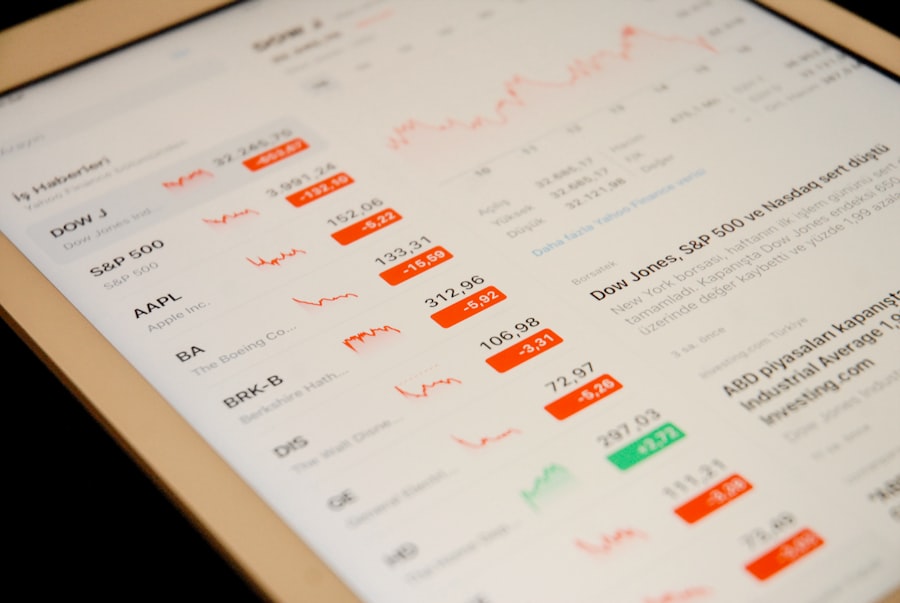
Once you have a solid foundation and a diversified portfolio, you can explore more advanced strategies to potentially turbocharge your portfolio’s growth. These strategies often involve a deeper understanding of financial markets and a higher tolerance for complexity and risk.
Tax-Efficient Investing: Keeping More of Your Earnings
Taxes can significantly erode investment returns. Implementing tax-efficient strategies can help you retain more of your profits, thereby enhancing your net growth.
Understanding Taxable vs. Tax-Advantaged Accounts
The type of investment account you use has a profound impact on your tax liability.
- Taxable Brokerage Accounts: These are standard investment accounts where you pay taxes on capital gains and dividends annually.
- Tax-Advantaged Retirement Accounts: Examples include 401(k)s, IRAs (Traditional and Roth), and HSAs. These accounts offer tax benefits, either through tax-deferred growth or tax-free withdrawals.
Strategies for Tax Efficiency
- Maximize Contributions to Tax-Advantaged Accounts: Prioritize contributing the maximum allowed to your 401(k) and IRA.
- Asset Location: Place tax-inefficient assets (like high-dividend stocks or actively managed funds with frequent trading) in tax-advantaged accounts and tax-efficient assets (like index funds or municipal bonds) in taxable accounts.
- Tax-Loss Harvesting: In taxable accounts, strategically sell investments that have lost value to offset capital gains and potentially a limited amount of ordinary income.
Leveraging Market Trends and Opportunities
Staying informed about market trends and identifying emerging opportunities can provide a competitive edge in your pursuit of portfolio growth.
Identifying Sector Trends
Certain sectors of the economy experience periods of accelerated growth due to technological advancements, changing consumer preferences, or regulatory shifts.
- Research and Analysis: Dedicate time to researching industries with strong secular growth trends, such as artificial intelligence, renewable energy, biotechnology, or cybersecurity.
- Diversification within Trends: Even within a trending sector, ensure you diversify across multiple companies and sub-sectors to avoid overconcentration.
Exploring Emerging Markets
Emerging markets, while carrying higher risk, often offer the potential for substantial growth as developing economies mature and expand.
- Emerging Market ETFs and Funds: Invest in diversified funds that provide exposure to a basket of emerging market securities.
- Due Diligence: Conduct thorough research on the political and economic stability of specific emerging market countries before investing.
Actively Managed Funds vs. Passive Index Funds: A Strategic Choice
The debate between active and passive investing is ongoing, with each having its merits depending on your goals and philosophy.
The Case for Passive Index Investing
Passive investing involves tracking a specific market index (e.g., S&P 500) through low-cost index funds or ETFs. The goal is to match the market’s performance.
- Lower Fees: Index funds typically have significantly lower management fees compared to actively managed funds.
- Broad Diversification: They offer instant diversification across hundreds or thousands of securities.
- Proven Performance: Historically, many actively managed funds have failed to consistently outperform their benchmark indices over the long term.
When Active Management Might Be Considered
Active management involves a fund manager or team attempting to outperform the market by selecting individual securities or making market timing decisions.
- Niche Markets: In less efficient or niche markets, skilled active managers might have a better chance of identifying undervalued opportunities.
- Specific Investment Styles: If you specifically seek out a particular investment style that is not easily replicated by an index, an active fund might be an option. However, diligently research their track record and fees.
To effectively grow an investment portfolio, it’s essential to understand various strategies and approaches that can enhance your financial growth. One insightful resource that delves into these strategies is an article on wealth management, which provides valuable tips and techniques for investors at any level. You can explore this informative piece further by visiting this link. By applying the principles discussed, you can make informed decisions that align with your financial goals and risk tolerance.
Continuous Learning and Adaptation: The Key to Sustained Growth
| Metrics | Description |
|---|---|
| Compound Interest | The ability to earn interest on both the initial investment and the accumulated interest |
| Diversification | Spreading investments across different asset classes to reduce risk |
| Risk Tolerance | The level of risk an investor is willing to accept in pursuit of higher returns |
| Asset Allocation | The distribution of investments across different asset classes such as stocks, bonds, and real estate |
| Rebalancing | Adjusting the portfolio to maintain the desired asset allocation over time |
The financial world is not static. To ensure your portfolio continues to grow and adapt to changing circumstances, you must commit to continuous learning and be willing to adjust your strategies as needed.
Staying Informed About Economic Conditions
Understanding macroeconomic factors, such as inflation, interest rates, and geopolitical events, is crucial for making informed investment decisions.
Monitoring Key Economic Indicators
Pay attention to reports on inflation rates (CPI, PPI), employment figures, GDP growth, and central bank interest rate decisions.
- Central Bank Policies: Understand how monetary policy (interest rate adjustments, quantitative easing) impacts different asset classes.
- Geopolitical Events: Major global events can have significant ripple effects on financial markets.
Adapting Your Strategy to Market Cycles
Markets move in cycles, with periods of expansion, contraction, and recovery. Your investment strategy should be flexible enough to adapt to these shifts.
Understanding Market Cycles
Learn to recognize the characteristics of different market cycles and how they typically affect various asset classes.
- Bull Markets: Characterized by rising stock prices, investor optimism, and strong economic growth.
- Bear Markets: Characterized by falling stock prices, investor pessimism, and economic downturns.
Adjusting Your Allocation Over Time
As you approach your financial goals, you’ll likely need to gradually reduce your portfolio’s risk profile.
- Glide Path: Many retirement plans utilize a “glide path” where asset allocation automatically becomes more conservative as retirement nears. You can mimic this by gradually shifting towards more fixed-income investments as your goals approach.
- Re-evaluating Goals: Periodically review your goals to ensure they remain relevant and adjust your investment strategy accordingly.
Seeking Professional Guidance When Necessary
While this guide provides a comprehensive overview, there are times when seeking advice from a qualified financial professional can be invaluable.
The Benefits of a Financial Advisor
A good financial advisor can provide personalized advice, help you navigate complex financial situations, and offer an objective perspective.
- Personalized Planning: They can create a tailored investment plan that aligns with your unique circumstances, risk tolerance, and goals.
- Behavioral Coaching: Advisors can help you stick to your investment plan during periods of market volatility, preventing emotional decisions.
- Estate Planning and Tax Advice: Many advisors can also offer guidance on estate planning and tax optimization strategies.
Choosing the Right Advisor
When seeking an advisor, look for credentials such as Certified Financial Planner (CFP®) and ensure they operate on a fee-only basis to avoid potential conflicts of interest. Always interview multiple advisors before making a decision.
Your investment portfolio is a dynamic tool for building your financial future. By understanding your financial landscape, diversifying strategically, employing smart investment approaches, and committing to continuous learning, you are well-equipped to maximize its growth and achieve your long-term aspirations. Remember, patience, discipline, and a well-informed approach are your greatest allies on this journey.

The Wealth Tipping Point: When Money Stops Feeling Hard
FAQs
What is an investment portfolio?
An investment portfolio is a collection of assets such as stocks, bonds, mutual funds, and other investment vehicles that are owned by an individual or entity.
Why is it important to grow an investment portfolio?
Growing an investment portfolio is important because it can help individuals or entities build wealth, achieve financial goals, and protect against inflation.
What are some strategies for growing an investment portfolio?
Some strategies for growing an investment portfolio include diversifying investments, regularly contributing to the portfolio, reinvesting dividends, and staying informed about market trends.
What are some common mistakes to avoid when growing an investment portfolio?
Common mistakes to avoid when growing an investment portfolio include not diversifying enough, trying to time the market, and letting emotions drive investment decisions.
How can I get started with growing an investment portfolio?
To get started with growing an investment portfolio, individuals can open a brokerage account, research different investment options, and consider seeking advice from a financial advisor.