
You’ve likely seen them, perhaps envied them. The sleek cars, the sprawling homes, the effortless confidence. The people who seem to have it all, defined by their impressive incomes. You might be one of them, or you might aspire to be. You might even believe that a high income is the ultimate measure of success, the golden ticket to happiness and fulfillment. But what if you’re mistaking a shimmering mirage for an oasis? What if you’re falling prey to the illusion of wealth?
This isn’t to say that financial security isn’t important. It is. It provides a foundation, a buffer against hardship, and opportunities for growth. But the relentless pursuit of a higher paycheck, often at the expense of everything else, can blind you to a richer, more meaningful existence. You might be climbing a ladder that leads not to genuine well-being, but to a gilded cage.
You hear it all the time, don’t you? “How much do you make?” It’s a common opening gambit, a way to categorize and assess. Your salary becomes a badge of honor, a quantifiable status symbol. You might feel a surge of pride when you can casually mention a number that impresses, or a twinge of inadequacy when the conversation turns to others’ earnings.
The Social Comparison Trap
You’re constantly bombarded with images of success. Social media, magazines, even casual conversations paint a picture of a world where more money equals more happiness. You see your peers buying newer cars, taking exotic vacations, and you can’t help but compare. This constant social comparison fuels a desire for more, even if you’re already comfortable. You convince yourself that if only you had that much more, you’d finally be content.
The Hedonic Treadmill
You’ve probably experienced this. You get a raise, and for a while, you feel fantastic. You can afford that little luxury you’ve been eyeing. But soon, that new purchase becomes your baseline. Your expectations rise, and you start craving the next thing. This is the hedonic treadmill, a psychological phenomenon where you adapt to your circumstances and your happiness levels tend to return to a set point, regardless of your income. You’re running faster and faster, but you’re not actually getting anywhere.
The External Validation Fixation
You might find yourself seeking validation through your income. You want others to see you as successful, as having “made it.” This external validation can be intoxicating, but it’s also incredibly fragile. When your worth is tied to a number, your self-esteem can fluctuate wildly based on your job security or market trends. You become dependent on the approval of others, rather than finding it within yourself.
The “New Money” Syndrome
You’ve seen it. The flashy displays, the ostentatious spending. This isn’t necessarily about happiness; it’s often about signaling. You might feel the need to prove your worth, to erase any lingering doubts about your arrival. This can manifest as impulse purchases, status symbols that offer little intrinsic joy, and a constant need to keep up appearances.
Many people often equate high income with wealth, but this assumption can be misleading. A related article that delves into this topic is available at How Wealth Grows, which explores the nuances of financial health and the importance of savings, investments, and financial management. The article emphasizes that while a high income can provide opportunities, it does not guarantee long-term wealth if not managed wisely. Understanding the difference between income and wealth is crucial for achieving financial stability and success.
Beyond the Paycheck: What Truly Enriches Your Life
You’re working hard, you’re earning well, but you still feel something is missing. That emptiness might be a sign that you’re neglecting the other vital components of a fulfilling life. Wealth, in its truest sense, is multifaceted, and a fat paycheck is only one small piece of the puzzle.
The Power of Purpose
You might be good at your job, you might even enjoy aspects of it, but do you feel a sense of purpose? Do you believe that what you do makes a difference, even a small one? A high income can be incredibly validating, but if it’s not aligned with your values or a deeper sense of meaning, it can feel hollow. You’re essentially trading your time and energy for money, but what are you gaining in return for your soul?
Finding Your “Why”
This isn’t about quitting your job and becoming a hermit. It’s about exploring what truly ignites your passion. It might be a side project, volunteering, or even finding ways to infuse your current role with more meaning. Ask yourself: What problems do you want to solve? What impact do you want to have? When your work aligns with your purpose, it becomes more than just a job; it becomes a calling.
The Value of Time
You might be earning a lot of money, but what is the cost? Are you sacrificing precious time with loved ones, time for self-care, time for exploration and growth? The more you earn, the more demanding your job might become, and the less control you have over your schedule. You might be trading your freedom for financial gain, a Faustian bargain that leaves you wealthy but time-poor.
Reclaiming Your Hours
This requires conscious effort. You need to set boundaries and learn to say no. It might mean delegating tasks, streamlining your workload, or even reconsidering a career path that demands an unsustainable amount of your time. Think about what you could be doing with those extra hours. Could you be learning a new skill, spending quality time with your children, or simply enjoying a quiet moment of reflection?
The Richness of Relationships
You can have all the money in the world, but if you’re alone, is that truly wealth? Your relationships – with family, friends, partners – are the bedrock of a happy and fulfilling life. Yet, the pursuit of a high income often leads to neglected connections. You might be too tired, too busy, or too consumed by your work to invest the time and energy that these vital bonds require.
Nurturing Your Connections
Make time for the people who matter. Schedule regular catch-ups, be present when you’re with them, and actively listen to their concerns. You might need to resist the urge to check your phone during conversations or let work obligations spill into personal time. These relationships are an investment, and the returns are immeasurable.
The True Cost of Constant Accumulation

You might be caught in a cycle of wanting more, always chasing the next acquisition. This isn’t just about financial strain; it’s about a deeper, more insidious cost to your well-being.
The Burden of Material Possessions
You worked hard for that bigger house, that fancier car, those designer clothes. But do they bring you lasting joy, or are they simply another set of things to maintain, insure, and worry about? The more you accumulate, the more you have to lose, and the more your life becomes about managing your possessions rather than experiencing life itself.
Decluttering Your Life (and Mind)
Consider the concept of minimalism, not as an extreme lifestyle, but as a principle. Ask yourself: Do I truly need this? Does this add value to my life? Letting go of unnecessary possessions can free up not only your physical space but also your mental bandwidth. You’ll spend less time managing “stuff” and more time enjoying “experiences.”
The Stress of Financial Management
A high income often comes with complex financial decisions. Mortgages, investments, retirement planning – these can be a constant source of anxiety. You might find yourself perpetually worried about market fluctuations, interest rates, or whether you’re making the “right” financial choices. This constant mental juggling can be exhausting.
Simplifying Your Financial Landscape
Seek professional advice if you need it, but also strive for simplicity. Automate your savings and investments. Create a clear budget that aligns with your values. The goal isn’t to become a financial wizard, but to gain peace of mind through a well-managed, uncomplicated financial life.
The Erosion of Inner Peace
When your focus is solely on accumulating external markers of wealth, you can inadvertently disconnect from your inner world. You might push aside your feelings, ignore your intuition, and neglect your mental and emotional health. This can lead to burnout, anxiety, and a persistent feeling of dissatisfaction, even when you’re financially secure.
Cultivating Mindfulness and Self-Awareness
Practices like meditation, journaling, or simply taking quiet moments for reflection can help you reconnect with yourself. Pay attention to your thoughts, feelings, and physical sensations without judgment. Understanding your inner landscape is crucial for true contentment, regardless of your bank balance.
Reimagining Success: A Wealth Beyond the Bank Account
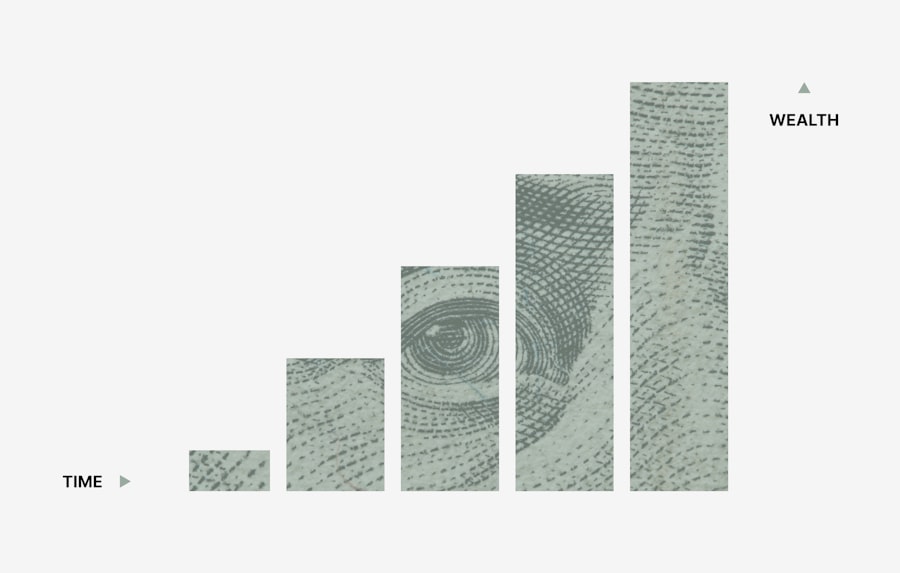
You have the power to redefine what success means to you. It’s not a passive process; it requires a conscious shift in perspective.
Defining Your Personal Metrics
Stop measuring yourself against external standards. What truly makes you feel successful? Is it the impact you have? The knowledge you gain? The joy you experience? The quality of your relationships? Create your own scorecard, one that reflects your values and aspirations.
Setting Meaningful Goals
Once you’ve defined your personal metrics, set goals that align with them. These might be learning a new language, mastering a skill, building a stronger relationship, or contributing to a cause you believe in. These goals will provide direction and a sense of accomplishment that goes far beyond a numerical income.
Embracing a Balanced Life
True wealth isn’t about maximizing one aspect of your life while neglecting others. It’s about finding a harmonious balance. This means prioritizing your physical and mental health, nurturing your relationships, pursuing your passions, and contributing to something larger than yourself, all while maintaining financial stability.
The Art of Integration
This isn’t about creating rigid divisions between work and life. It’s about integrating them in a way that feels sustainable and fulfilling. Perhaps you can find ways to incorporate your passions into your work, or to use your financial resources to support your personal pursuits. The goal is to create a life that feels whole and cohesive.
The Generosity Advantage
You might believe that saving every penny is the key to accumulating wealth. But true wealth can also be amplified through generosity. Giving your time, your skills, or your resources to others can bring a profound sense of satisfaction and fulfillment that money alone cannot buy. It connects you to a larger community and reinforces your sense of purpose.
The Ripple Effect of Giving
When you give, you not only benefit the recipient but also yourself. You can experience a boost in mood, a greater sense of purpose, and a stronger feeling of connection. Consider where you can make a difference, however small. It might be a donation to a cause you care about, mentoring someone who needs guidance, or simply offering a helping hand to a neighbor.
Many people often assume that a high income automatically translates to substantial wealth, but this is not always the case. Factors such as spending habits, debt levels, and financial literacy play a crucial role in determining true wealth. For a deeper understanding of this topic, you can explore a related article that discusses how wealth is built over time and the importance of managing finances effectively. Check out this insightful piece on the subject at how wealth grows.
Conclusion: Your True Wealth is Within You
| Reasons | Explanation |
|---|---|
| High Expenses | Individuals with high incomes may also have high expenses, such as mortgage payments, car loans, and lifestyle costs, which can limit their ability to accumulate wealth. |
| Debt | High earners may carry significant debt, such as student loans or credit card debt, which can offset their income and hinder wealth accumulation. |
| Investment Choices | Some high earners may not prioritize investing or may make poor investment choices, leading to limited wealth growth despite their income. |
| Taxes | High-income individuals may face higher tax rates, reducing the amount of income available for wealth-building activities. |
| Unplanned Expenses | Unexpected costs, such as medical emergencies or home repairs, can erode wealth despite a high income. |
You’ve been conditioned to believe that more money is the answer. You’ve seen the advertisements, heard the whispers, and perhaps even internalized the message. But the illusion of wealth is a powerful one, and it can lead you astray.
Your true wealth isn’t measured by the digits in your bank account or the size of your house. It’s found in the richness of your experiences, the depth of your relationships, the clarity of your purpose, and the peace within your own mind. You have the power to cultivate this inner wealth, to build a life that is not just financially sound, but genuinely abundant. Stop chasing the mirage and start building your own oasis. The richest life is often the one you create for yourself, from the inside out.

The Wealth Tipping Point: When Money Stops Feeling Hard
FAQs
1. What is the difference between high income and wealth?
High income refers to the amount of money a person earns in a given period, typically through employment or investments. Wealth, on the other hand, is the total value of a person’s assets (such as savings, investments, real estate, and other possessions) minus their liabilities (such as debts and loans).
2. Why does high income not necessarily lead to wealth?
High income does not always lead to wealth because wealth is determined by how a person manages and grows their assets over time, not just by how much money they make. Without proper financial planning and investment, a high income can be quickly spent or lost, leaving little to no wealth accumulation.
3. What are some common pitfalls that prevent high income earners from building wealth?
Common pitfalls for high income earners include overspending, excessive debt, lack of investment diversification, and poor financial management. Additionally, lifestyle inflation, where spending increases in line with income, can also hinder wealth accumulation.
4. What are some strategies for high income earners to build wealth?
High income earners can build wealth by creating a budget, living below their means, paying off debt, investing in a diversified portfolio, and seeking professional financial advice. They can also consider long-term wealth-building strategies such as real estate investment, retirement savings, and entrepreneurship.
5. How can individuals measure their wealth beyond their income?
Individuals can measure their wealth by calculating their net worth, which is the total value of their assets minus their liabilities. This includes savings, investments, real estate, retirement accounts, and any other valuable possessions, minus debts and loans. Tracking net worth over time provides a more comprehensive view of wealth accumulation beyond income.