
You’re a data center operator, and the hum of servers is your constant companion. But beneath that rhythmic thrum lies a more dynamic force: the ever-fluctuating price of electricity. For you, this isn’t just a utility bill; it’s a critical operational cost that directly impacts your bottom line and your ability to compete. Understanding how to navigate these price volatilities, particularly within the PJM Interconnection region, is paramount to maximizing your efficiency and ensuring your data center’s profitability. PJM, as one of the largest wholesale electricity markets in the world, presents both immense opportunities and significant challenges for data center operators. Your ability to anticipate, adapt, and optimize your operations in response to PJM’s intricate pricing mechanisms will set you apart.
You’re not just buying electricity; you’re engaging with a complex marketplace. PJM manages the transmission grid for all or parts of 13 states and the District of Columbia, acting as the linchpin in delivering power to millions of consumers, including your data centers. Understanding its structure and the forces that shape electricity prices within its domain is your first step towards efficiency.
The Role of PJM in Wholesale Electricity
PJM orchestrates the flow of electricity across its vast network, ensuring reliability and managing the competitive generation market. It’s where power plants sell their electricity to utilities and other wholesale buyers. You, as a large-scale consumer, are indirectly but significantly impacted by the dynamics of this market. PJM doesn’t set prices in a vacuum; it facilitates a system where prices are determined by the interplay of supply, demand, and grid conditions.
Generation and Transmission Operations
At its core, PJM is responsible for dispatching generating resources to meet real-time demand across its territory. This involves balancing the load with available generation, ensuring that the lights stay on and your servers remain powered. This real-time balancing act is a primary driver of short-term price fluctuations. Understanding which power plants are online, their operating costs, and their marginal costs of production is crucial.
Market Participants and Their Influence
The PJM market is a complex ecosystem populated by various players. You’ll find generation owners (coal, natural gas, nuclear, renewables), transmission owners, utilities, energy traders, and of course, large consumers like yourselves. Each of these participants has their own motivations and strategies, and their collective actions shape the price you ultimately pay. You need to be aware of how their decisions, from planned generator outages to new renewable energy projects, can influence market prices.
Factors Influencing PJM Electricity Prices
The price of electricity in PJM isn’t static. It’s a dynamic entity shaped by a multitude of factors, some predictable, others less so. Your efficiency hinges on your ability to forecast and react to these influences.
Supply and Demand Dynamics
This is the most fundamental driver of any market. On the supply side, factors like fuel costs for natural gas and coal power plants, the availability of renewable energy (which is often variable), and the operational status of nuclear facilities all play a significant role. On the demand side, weather patterns are a massive influencer. Hot summer days drive up demand for air conditioning, while cold winter nights increase heating needs. Industrial and commercial activity, including the power requirements of your own data centers, also contribute to the overall demand profile.
Fuel Costs and Generation Mix
The cost of natural gas is arguably the single most influential factor in PJM’s day-ahead and real-time electricity prices. As natural gas power plants are often the marginal generators that set the price, fluctuations in gas prices translate directly into higher or lower electricity costs. The PJM generation mix itself is also evolving, with an increasing penetration of renewables like solar and wind. While these are often low-cost resources once built, their intermittent nature can introduce price volatility and require careful management of grid stability.
Transmission Congestion and Constraints
The electricity grid, like any network, has its bottlenecks. Transmission congestion occurs when the demand for electricity in a particular area exceeds the capacity of the transmission lines to deliver it. PJM manages these constraints by sometimes curtailing generation or by imposing congestion charges. Understanding where and when congestion is likely to occur in PJM’s footprint can help you strategically locate your data centers or adjust your power consumption patterns.
Regulatory and Environmental Policies
Government policies, both at the federal and state level, can have a profound impact on electricity prices. Environmental regulations, for instance, can affect the operating costs of certain types of power plants. Policies promoting renewable energy, carbon pricing mechanisms, and incentives for energy efficiency all contribute to the evolving energy landscape and, consequently, to electricity prices.
The dynamics of PJM data centers and electricity prices are intricately linked, as the demand for data processing continues to rise, influencing energy consumption patterns. For a deeper understanding of how these factors interplay and impact the broader economic landscape, you can explore a related article that discusses the implications of energy costs on data center operations and investment strategies. To read more, visit this article.
Strategies for Optimizing Data Center Operations
Now that you have a foundational understanding of the PJM market, it’s time to translate that knowledge into actionable strategies for your data center. Efficiency isn’t just about reducing energy consumption; it’s about intelligent consumption and smart purchasing in relation to market prices.
Proactive Load Management
The key to unlocking significant savings lies in your ability to actively manage your power consumption in response to price signals. This means moving beyond a passive “plug and play” mentality.
Demand Response Programs
PJM offers various demand response programs that can incentivize you to reduce your electricity usage during periods of high demand and high prices. By participating in these programs, you can earn revenue by shedding load when called upon by the grid operator. This requires sophisticated control systems and a thorough understanding of your data center’s critical loads.
Load Shifting and Scheduling
Not all IT workloads are created equal. Some can be scheduled to run during off-peak hours when electricity prices are typically lower. Identifying these non-critical workloads and strategically shifting their execution to take advantage of lower prices can lead to substantial cost savings over time. This requires intelligent scheduling software and careful planning of your IT operations.
Variable Workload Prioritization
Your data center likely has a mix of workloads with varying priorities and performance requirements. By categorizing these workloads and understanding their sensitivity to price fluctuations, you can implement intelligent algorithms to prioritize non-critical tasks during high-price periods and ramp up critical operations when prices are favorable.
Advanced Power Procurement and Hedging
Purchasing electricity directly from the wholesale market or through sophisticated power purchase agreements (PPAs) offers greater control and potential for cost savings compared to traditional utility rates.
Power Purchase Agreements (PPAs)
PPAs allow you to enter into long-term contracts with electricity generators, often at a fixed price. This provides price certainty and can protect you from volatile market prices. However, it requires careful negotiation and an understanding of the PJM market to secure favorable terms.
Market-Based Procurement Strategies
You can actively participate in PJM’s day-ahead and real-time markets, purchasing electricity based on your forecast of future prices. This strategy offers the greatest potential for savings but also carries the highest risk. It requires a sophisticated understanding of market dynamics, predictive analytics, and trading expertise.
Financial Hedging Instruments
To mitigate the risks associated with market volatility, you can employ financial hedging instruments, such as futures and options contracts, to lock in electricity prices for future periods. This acts as an insurance policy against unexpected price spikes, providing greater budget predictability.
Leveraging Technology for Enhanced Efficiency

Technology is your most powerful ally in the quest for data center efficiency within the PJM market. From intelligent monitoring to predictive analytics, embracing cutting-edge solutions is no longer optional; it’s a necessity.
Smart Grid Integration and IoT
The evolution of the smart grid and the proliferation of the Internet of Things (IoT) present new opportunities for data center operators to integrate more seamlessly with the electricity market.
Real-time Energy Monitoring and Analytics
Deploying advanced sensors and monitoring systems throughout your data center allows for granular tracking of energy consumption at the rack, PDU, and even component level. This data, when fed into sophisticated analytics platforms, provides invaluable insights into your energy usage patterns, allowing you to identify inefficiencies and optimize operations.
Predictive Maintenance and Anomaly Detection
IoT devices can also be used for predictive maintenance of your power infrastructure. By monitoring parameters like voltage, current, and temperature, you can identify potential equipment failures before they occur, preventing costly downtime and ensuring uninterrupted operations.
Grid-Interactive Data Centers
The future of data center operations involves becoming more grid-interactive. This means your data center can not only consume electricity but also potentially provide services back to the grid, such as frequency regulation or voltage support, when called upon. This can open up new revenue streams and further optimize your energy profile.
Automation and Artificial Intelligence (AI)
AI and automation are transforming how data centers are managed, enabling more sophisticated and dynamic responses to market conditions.
AI-Powered Load Forecasting
AI algorithms can analyze historical data, weather patterns, market trends, and IT workload demands to generate highly accurate forecasts of your data center’s electricity consumption. This predictive capability is essential for optimizing procurement and load management strategies.
Automated Resource Allocation and Optimization
AI can automate the allocation of IT resources and the scheduling of workloads based on real-time electricity prices and grid conditions. This ensures that energy-intensive tasks are performed during periods of lower cost, maximizing efficiency without compromising performance.
Dynamic Cooling Optimization
Cooling systems are a significant energy consumer in data centers. AI can optimize cooling setpoints and fan speeds in real-time based on server load, ambient temperature, and humidity, significantly reducing energy consumption without impacting server reliability.
Understanding PJM’s Future and Your Role
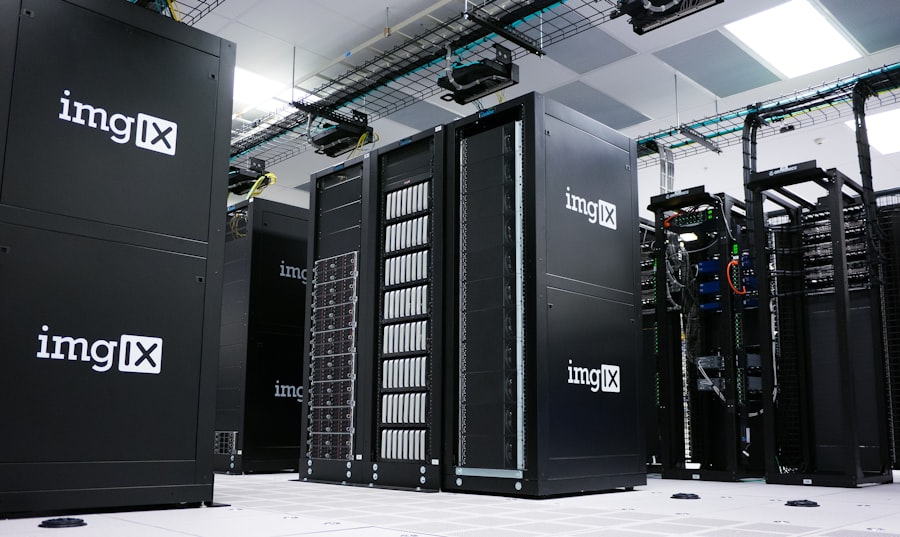
The PJM market is not static; it’s a dynamic environment constantly evolving due to technological advancements, policy changes, and the increasing demand for electricity from digital infrastructure. Your long-term efficiency depends on your ability to anticipate these changes.
The Rise of Renewables and Grid Modernization
The significant growth of renewable energy sources in PJM, such as solar and wind, introduces both opportunities and challenges. While renewables often have low marginal costs, their intermittency requires significant investment in grid modernization and energy storage solutions to ensure reliability.
Intermittency Management and Energy Storage
As renewables become a larger part of the energy mix, managing their intermittency is crucial. You may see opportunities to integrate energy storage solutions within your data center, not only for your own resilience but potentially to provide grid services and earn revenue.
Grid Modernization Initiatives
PJM is actively involved in grid modernization efforts to accommodate the changing energy landscape. Understanding these initiatives, such as advancements in transmission infrastructure and smart grid technologies, can help you align your data center’s development and operational strategies for future compatibility and efficiency.
Evolving Regulatory Landscape and Policy Impacts
The regulatory environment surrounding electricity generation and consumption is constantly shifting. Keeping abreast of these changes is vital for your long-term planning.
Carbon Pricing and Emissions Regulations
Potential carbon pricing mechanisms or stricter emissions regulations could significantly impact the operating costs of fossil fuel-based power plants. This may lead to higher electricity prices and further incentivize the adoption of cleaner energy sources. Your ability to adapt your operations and potentially invest in cleaner power procurement will be critical.
Energy Efficiency Mandates and Incentives
Governments and regulatory bodies often implement energy efficiency mandates and offer incentives for data center operators to adopt more sustainable practices. Staying informed about these programs can unlock opportunities for financial benefits and improve your overall operational efficiency.
The recent trends in PJM data centers have significant implications for electricity prices across the region, highlighting the need for a deeper understanding of how energy consumption patterns are evolving. For those interested in exploring this topic further, a related article discusses the intricate relationship between data center operations and energy costs, shedding light on potential strategies for optimizing efficiency. You can read more about it in this insightful piece here.
Building a Resilient and Efficient Data Center Strategy
“`html
| Data Center | Location | Electricity Price (/kWh) |
|---|---|---|
| Data Center 1 | PJM East | 0.08 |
| Data Center 2 | PJM West | 0.06 |
| Data Center 3 | PJM South | 0.07 |
“`
Ultimately, maximizing your efficiency in the PJM electricity market is about building a holistic strategy that integrates operational excellence, intelligent procurement, and technological innovation.
Holistic Energy Management Approach
Treating energy as a strategic asset, rather than just an operating expense, is fundamental. This requires a top-down commitment to energy efficiency and optimization across all levels of your organization.
Cross-Departmental Collaboration
Effective energy management requires collaboration between IT, facilities, finance, and procurement teams. Each department plays a crucial role in identifying opportunities for optimization and implementing solutions.
Continuous Improvement and Performance Monitoring
Energy efficiency is not a one-time project; it’s an ongoing process. Regularly monitoring your energy performance, benchmarking against industry standards, and continuously seeking areas for improvement are essential for long-term success.
Risk Management and Future-Proofing
The electricity market is inherently volatile. Your strategy must incorporate robust risk management practices and a forward-looking approach to ensure your data center remains competitive and resilient.
Scenario Planning and Stress Testing
Develop scenarios for various market conditions, including extreme price volatility, and stress-test your operational and financial models to understand your resilience and identify potential vulnerabilities.
Investment in Flexible Infrastructure
Consider investing in flexible infrastructure that can adapt to changing energy technologies and market dynamics. This might include modular power systems, advanced cooling solutions, and the capacity to integrate emerging technologies like on-site energy generation or storage.
By adopting a proactive, data-driven, and technologically advanced approach, you can transform the challenge of PJM electricity prices into an opportunity for enhanced efficiency, cost savings, and a more sustainable data center operation. Your journey to maximizing efficiency begins with understanding, and it culminates in intelligent action.

Is AI About to Make Your Electric Bill Even Higher?
FAQs
What is PJM?
PJM Interconnection is a regional transmission organization (RTO) that coordinates the movement of wholesale electricity in all or parts of 13 states and the District of Columbia.
What are PJM data centers?
PJM data centers are facilities that house computer systems and associated components, such as telecommunications and storage systems. These centers are located within the PJM Interconnection region.
How do electricity prices impact PJM data centers?
Electricity prices can have a significant impact on the operational costs of PJM data centers. Higher electricity prices can increase the overall expenses of running these facilities.
What factors influence electricity prices in the PJM region?
Several factors can influence electricity prices in the PJM region, including supply and demand dynamics, fuel costs, transmission constraints, and environmental regulations.
How do PJM data centers manage electricity costs?
PJM data centers may employ various strategies to manage electricity costs, such as implementing energy-efficient technologies, participating in demand response programs, and exploring renewable energy options.