You’re likely paying more for electricity than you should be, and a significant part of the reason might be hidden in plain sight: the booming data center industry. You might be a homeowner, a small business owner, or simply someone who uses electricity to power your life. Regardless of your specific circumstances, it’s a growing concern that your hard-earned money is being used to subsidize these massive energy consumers. This article will delve into the complex world of data centers and their impact on your electricity bills, exploring how they operate, why they demand so much power, and the mechanisms through which you, the ratepayer, might be unknowingly contributing to their operational costs.
The digital revolution has transformed our lives, and at its core are the data centers. These are not just rooms filled with blinking lights; they are the sophisticated, highly secure facilities that house the servers, storage systems, and networking equipment powering everything from your social media feeds and streaming services to cloud computing and artificial intelligence. Think of them as the central nervous system of the internet.
What Exactly is a Data Center?
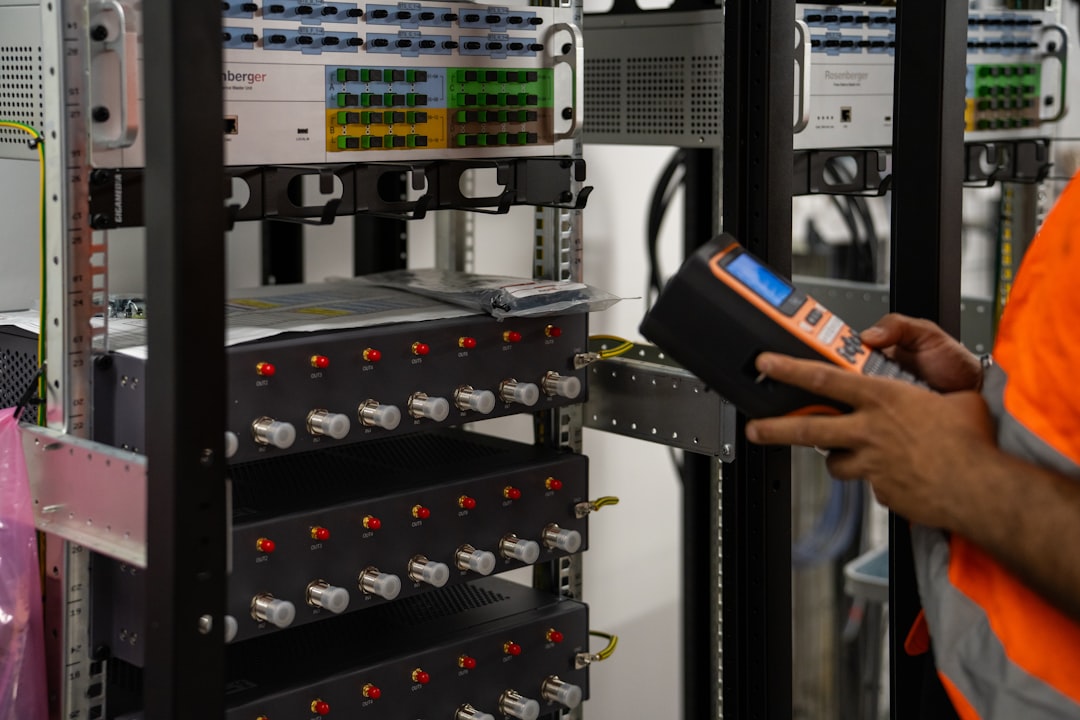
A data center is a dedicated physical facility that an organization uses to concentrate its IT operations and equipment. This can include:
- Servers: These are the computers that store and process data. Data centers can house thousands, even millions, of servers.
- Storage Systems: This is where all the data is kept, from your photos and videos to vast corporate databases.
- Networking Equipment: This includes routers, switches, and cables that connect all the components within the data center and link it to the outside world.
- Power Infrastructure: This is perhaps the most critical and energy-intensive aspect. Data centers require massive amounts of reliable electricity, along with backup generators and Uninterruptible Power Supplies (UPS) to ensure continuous operation.
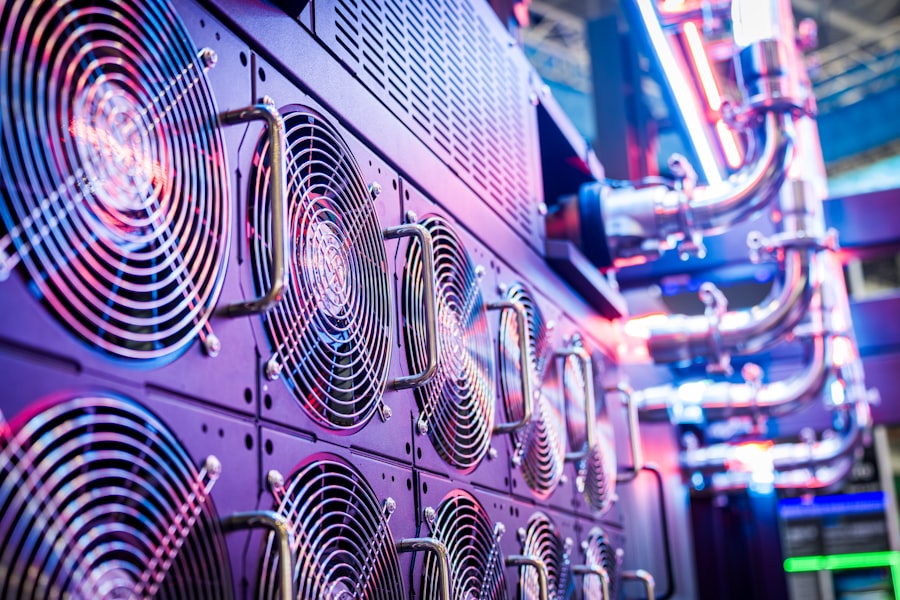
- Cooling Systems: Servers generate a tremendous amount of heat. Sophisticated cooling systems, often using vast quantities of water or specialized refrigerants, are essential to prevent overheating and equipment failure.
The Exponential Growth of Data
The amount of data being generated globally is staggering and continues to grow at an exponential rate. Every email you send, every video you watch, every transaction you make contributes to this ever-expanding digital universe. This surge in data requires more and more processing power, storage capacity, and, consequently, more data centers.
Driving Forces Behind Data Growth
- Internet of Things (IoT): Billions of connected devices, from smart thermostats to industrial sensors, are constantly collecting and transmitting data.
- High-Definition Media: The demand for streaming high-definition videos, gaming, and virtual reality experiences requires significant data processing and storage.
- Artificial Intelligence (AI) and Machine Learning (ML): These technologies rely on massive datasets for training and operation, leading to an increased need for computational power.
- Cloud Computing: Businesses are increasingly migrating their IT infrastructure to the cloud, relying on data centers to host their applications and data.
The ongoing debate about whether ratepayers are subsidizing data centers has garnered significant attention, particularly in light of the increasing demand for digital services. A related article that explores the financial implications of this issue can be found at How Wealth Grows. This piece delves into the economic factors at play and examines how utility rates may be affected by the expansion of data centers, providing valuable insights for both consumers and policymakers.
Why Data Centers Devour Electricity
The sheer scale of data center operations translates directly into an enormous demand for electricity. It’s not just about powering the computers; it’s about keeping them running 24/7, cool, and protected.
The Energy Triad: Power, Cooling, and Redundancy
- Powering the Servers: The primary energy consumption comes from the servers themselves, which are running continuously to process and store data. The more processing power required, the more electricity is consumed.
- Cooling the Beast: As mentioned, servers generate immense heat. The cooling systems, which often involve massive air conditioning units or liquid cooling systems, are incredibly energy-intensive. In many cases, cooling can account for 30-50% of a data center’s total energy consumption.
- Ensuring Uninterrupted Operation: Data centers are designed for extreme reliability. They employ redundant power supplies, backup generators, and uninterruptible power supplies (UPS) to ensure that even during power outages, operations can continue seamlessly. While crucial for functionality, these backup systems also consume energy.
Power Usage Effectiveness (PUE) and Its Implications
A key metric used to measure the energy efficiency of data centers is Power Usage Effectiveness (PUE). It’s calculated as the ratio of total facility energy to IT equipment energy. A PUE of 1.0 would mean that all energy goes directly to IT equipment, which is practically impossible.
- Ideal vs. Reality: While the industry strives for lower PUE ratios (closer to 1.0), older or less efficient data centers can have PUEs of 2.0 or even higher, meaning for every watt of power used by the IT equipment, another watt is used for cooling, lighting, and other overheads.
- Impact on Your Bill: A higher PUE directly translates to a greater overall electricity demand for the data center, and therefore a greater potential impact on the local grid and your electricity prices.
The Mechanisms of Potential Subsidy
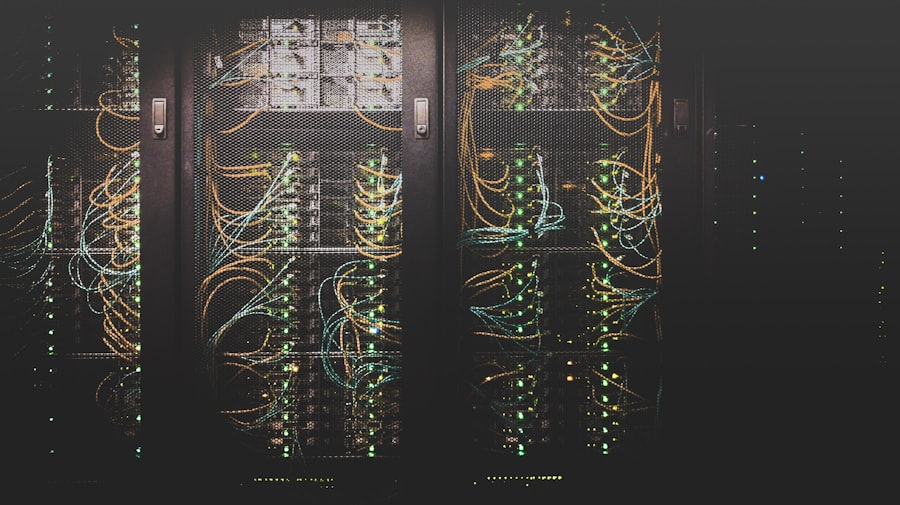
Now, let’s get to the crux of the matter: how might you, as a ratepayer, be subsidizing these energy-hungry facilities? This often involves a complex interplay of regulatory frameworks, incentives, and the way electricity is priced.
Demand Charges and Large Consumers
Electricity pricing for commercial and industrial customers is often structured differently than for residential customers. One significant component is demand charges.
- What are Demand Charges? These charges are based on the peak amount of electricity a customer draws from the grid at any given time, rather than just the total amount of electricity consumed over a period. Data centers, with their consistent and often high power needs, can incur substantial demand charges.
- The “Load Factor” Problem: If a data center is the largest consumer of electricity in a particular service territory, its peak demand can significantly influence the overall peak demand for the entire utility. This can lead to higher costs for everyone on the grid, even those who don’t use a fraction of the power.
- Smoothing the Peaks: To avoid excessively high demand charges, some data centers might invest in on-site generation or energy storage. However, when they don’t, or when their infrastructure still contributes to the overall system peak, the costs can be socialized.
Tax Incentives and Special Tariffs
Many jurisdictions actively seek to attract data center investment due to the perceived economic benefits (job creation, tax revenue). This can lead to preferential treatment in terms of electricity pricing.
- Tax Breaks and Exemptions: Data centers may receive property tax abatements, sales tax exemptions on equipment, or other tax incentives that reduce their operating costs. While not directly tied to electricity, these incentives can make them more competitive and allow them to absorb higher energy costs, or push those costs onto other ratepayers.
- “Economic Development” Rates: Some utilities offer special “economic development” electricity rates to large industrial users, including data centers. These rates can be significantly lower than standard commercial or residential rates.
- The Rationale: The argument for these special rates is that they attract jobs and investment that wouldn’t otherwise come to the region.
- The Counterargument: Critics argue that these subsidized rates shift the true cost of electricity to other ratepayers, effectively making you a silent partner in the data center’s operations.
Renewable Energy Mandates and Voluntary Programs
The push for renewable energy presents another layer to this discussion.
- The Cost of Renewables: While crucial for a sustainable future, the integration of renewable energy sources can sometimes involve upfront costs for grid upgrades or for securing renewable energy credits (RECs).
- Data Centers as Buyers: Some data centers actively participate in purchasing renewable energy. This can be through direct power purchase agreements (PPAs) or by buying RECs.
- How it Might Affect You: If a data center’s participation in renewable energy programs is subsidized or if the cost of these programs is somehow passed back to general ratepayers through utility rate structures, you could be indirectly funding their green initiatives.
The “Cost Shifting” Phenomenon
The core concern for many ratepayers is the idea of “cost shifting.” When one class of customers receives preferential pricing or benefits from incentives, the costs that are not recovered from those customers often have to be recovered from other customer classes.
Residential Ratepayers as the Default
- Higher PUE, Higher Load: If a data center has a poor PUE and a consistently high electricity demand, its true cost of service to the utility can be significant. If they are paying less than the full cost of that service due to special rates or incentives, that deficit must be made up elsewhere.
- Residential Customers Bear the Brunt: Due to the inherent difficulty in negotiating or demanding special rates, residential customers often end up footing the bill for these shortfalls. Their rates are typically regulated and less flexible, making them the path of least resistance for cost recovery.
- Impact on Energy Affordability: For individuals and families already struggling with rising energy costs, this cost shifting can exacerbate financial pressures and create challenges in affording basic utilities.
Small Businesses Feel the Squeeze Too
- Limited Bargaining Power: Small businesses, while often considered commercial customers, generally lack the bargaining power of a massive data center. They may not qualify for economic development rates and are thus more exposed to the true cost of electricity.
- Competitiveness Concerns: When larger entities are receiving subsidized electricity, it can put smaller businesses at a competitive disadvantage, as their operating costs are higher.
The ongoing debate about whether ratepayers are subsidizing data centers has sparked interest in various related topics, including the economic impact of these facilities on local communities. For a deeper understanding of the financial dynamics involved, you might find this article insightful, as it explores the implications of such subsidies on infrastructure and energy costs. If you’re curious about how these factors intertwine, check out this related article that delves into the broader economic landscape shaped by data centers.
Examining Specific Cases and Regulatory Oversight
| Year | Amount of Subsidy () | Number of Data Centers | Impact on Ratepayers |
|---|---|---|---|
| 2015 | 10 million | 5 | Increased electricity costs for ratepayers |
| 2016 | 15 million | 8 | Higher property taxes for ratepayers |
| 2017 | 20 million | 12 | Decreased water availability for ratepayers |
The specifics of data center subsidies vary significantly by jurisdiction. Understanding the regulatory landscape and individual utility practices is key to discerning the extent of any potential subsidy.
Utility Rate Structures and Filings
- Utility Commission Approval: Electricity rates and any special tariffs are typically approved by state utility commissions or regulatory bodies. These filings often contain detailed justifications for different rate classes and incentives.
- Public Scrutiny: Ratepayers and consumer advocacy groups can, and do, scrutinize these filings to ensure fairness and prevent undue cost shifting.
- The Importance of Transparency: Clear and transparent rate structures are crucial for ratepayers to understand where their money is going and to hold utilities and regulators accountable.
Case Studies and Investigative Journalism
- Investigating Incentives: Numerous investigations by journalists and consumer advocates have highlighted instances where data centers have received significant tax breaks and preferential electricity rates, leading to debates about fairness and the true economic benefit.
- Local Impacts: The impact of data centers can be particularly pronounced in rural areas or regions with limited industrial development, where the utility’s customer base is smaller, and the introduction of a large energy consumer can have a more significant effect on overall grid economics.
The Role of Consumer Advocacy Groups
- Fighting for Fair Rates: Organizations dedicated to representing consumer interests play a vital role in challenging utility rate proposals that unfairly burden ratepayers.
- Educating the Public: These groups work to educate the public about complex utility issues, including the impact of data centers on electricity bills.
What Can You Do?
Understanding that you might be subsidizing data centers is the first step. Taking action can involve several avenues, depending on your level of engagement and the specific circumstances in your area.
Educate Yourself and Others
- Stay Informed: Pay attention to news and reports from your local utility and regulatory commission. Understand how your electricity rates are structured.
- Share Information: Discuss these issues with friends, family, and colleagues. A more informed public can lead to greater pressure for change.
Engage with Your Utility and Regulators
- Attend Public Hearings: Utility rate cases often have public comment periods. Attending these hearings or submitting written comments can be a way to voice your concerns.
- Contact Your Representatives: Inform your elected officials about your concerns regarding energy costs and the potential subsidies for large industrial users.
Support Consumer Advocacy Groups
- Donate or Volunteer: Many organizations work tirelessly to advocate for ratepayers. Supporting them financially or with your time can amplify their impact.
- Follow Their Work: Stay updated on the efforts of consumer advocacy groups in your state and region.
Advocate for Transparent and Equitable Rate Structures
- Demand Fairness: Your goal should be to ensure that electricity pricing is fair and that the true cost of service is borne by the users who create it, without unfairly burdening residential ratepayers or small businesses.
- Promote Efficiency: Encourage policies that incentivize energy efficiency for all customers, including large industrial users.
The digital world is undeniably convenient and essential. However, as you navigate your daily life, powered by the electricity you pay for, it’s worth considering whether you’re inadvertently contributing to the operational costs of the massive data centers that underpin it all. By understanding the mechanisms at play and engaging in informed advocacy, you can play a role in ensuring a more equitable and sustainable energy future for everyone. You deserve to know where your electricity dollars are going, and to ensure that the growth of one industry isn’t coming at the unfair expense of your own household budget.
Is AI About to Make Your Electric Bill Even Higher?
FAQs
What are data centers and how do they operate?
Data centers are facilities that house computer systems and associated components, such as telecommunications and storage systems. They operate 24/7 to ensure the continuous functioning of the systems they house, and they require a significant amount of electricity to power and cool the equipment.
How do data centers impact local utility costs?
Data centers can place a strain on local utility infrastructure, leading to increased demand for electricity and potentially higher costs for ratepayers. This is because data centers consume large amounts of energy, which can lead to increased strain on the local power grid and infrastructure.
Are ratepayers subsidizing data centers?
In some cases, ratepayers may be indirectly subsidizing data centers through increased utility costs. This can occur when the increased demand for electricity from data centers leads to infrastructure upgrades or expansions, which are ultimately paid for by ratepayers through higher utility bills.
What are some potential benefits of data centers to the local community?
Data centers can bring economic benefits to the local community through job creation, tax revenue, and infrastructure investments. Additionally, data centers can contribute to the development of a robust digital infrastructure, which can attract other businesses and industries to the area.
What are some potential solutions to mitigate the impact of data centers on ratepayers?
One potential solution is for data centers to invest in energy-efficient technologies and renewable energy sources to reduce their overall energy consumption. Additionally, collaboration between data center operators and local utilities can help to develop strategies for managing the impact of data centers on local utility costs.