
You’re probably reading this on a device powered by electricity. That electricity, whether you’re at home, at a cafe, or even on a plane, comes from somewhere. And increasingly, the immense digital world you interact with daily, the one populated by the giants of Big Tech, has a hungry maw for that power. You might be a casual user, scrolling through social media, streaming videos, or engaging in online gaming. Or perhaps you’re a business owner relying on cloud services, a developer deploying applications, or a researcher crunching massive datasets. No matter your connection, you’re a node in a vast network, and that network runs on electricity. But have you ever stopped to consider who is actually footing the bill for the colossal power infrastructure that underpins Big Tech’s dominance? It’s a question that’s far more complex than a simple utility bill, involving intricate webs of investment, innovation, and yes, a subtle but significant cost borne by you, the end-user and the global community.
The Ever-Increasing Demand: A Digital Deluge
The digital landscape you navigate is not static; it’s a constantly expanding universe. Every click, every download, every video stream contributes to an insatiable appetite for energy. Big Tech companies, with their sprawling data centers, intricate networks, and the constant development of new, power-hungry technologies, are at the forefront of this energy demand surge.
The Data Center Dilemma: The New Power Plants
At the heart of Big Tech’s energy consumption lie their data centers. These are not your grandmother’s server rooms; they are vast, sophisticated complexes, often the size of multiple football fields, housing millions of servers that churn through data 24/7. These machines generate immense heat, necessitating powerful cooling systems that themselves consume significant amounts of energy.
Servers That Never Sleep: The Backbone of the Internet
Imagine the sheer number of servers required to host your favorite social media platform, store your cloud-based documents, or power the search engine you use multiple times a day. Each of these servers requires constant electricity to function, process information, and maintain uptime. The redundancy built into these systems, crucial for ensuring uninterrupted service, further amplifies the energy demand. Think of it as having backup generators always on standby, consuming fuel even when not in active use.
Cooling the Digital Inferno: A Thorny Challenge
The heat generated by these densely packed servers is a critical operational challenge. Without effective cooling, these machines would overheat and fail, leading to service disruptions. Traditional cooling methods, such as air conditioning, are notoriously energy-intensive. While Big Tech companies are increasingly exploring more innovative and sustainable cooling solutions, the sheer scale of their operations means that cooling remains a significant component of their energy footprint.
The Network Effect: Connecting the Digital Dots
Beyond the data centers themselves, the infrastructure that connects them and ultimately delivers services to you also consumes substantial power. This includes the vast fiber optic cables, routers, switches, and other networking equipment that form the backbone of the internet.
The Global Highway: Fiber Optics and the Energy Trade-off
The physical infrastructure that carries data across continents and oceans, primarily through vast networks of fiber optic cables, requires energy for its operation. While the data itself doesn’t consume energy in transit, the equipment that transmits, receives, and directs that data along these pathways does. This includes the power needed for lasers that send light pulses through the fiber, the amplification equipment that boosts signals over long distances, and the numerous routers and switches that manage traffic flow.
Last-Mile Delivery: The Energy of Your Connection
Even the connection from your local internet service provider (ISP) to your home or device involves energy consumption. While your personal devices might be relatively low-power, the aggregated demand from millions of users accessing the internet simultaneously places a significant load on the network infrastructure, ultimately contributing to the overall energy demand of Big Tech’s services.
In exploring the complex dynamics of who finances the power infrastructure that supports Big Tech, it’s essential to consider various perspectives on the issue. A related article that delves into the financial implications and responsibilities of tech giants can be found at this link. This piece provides valuable insights into the economic factors influencing the development and maintenance of the infrastructure that underpins the operations of major technology companies.
The Investment Landscape: Who Lays the Foundations?
The question of who pays for this massive power infrastructure boils down to who invests in its creation, maintenance, and expansion. This is where the picture becomes particularly nuanced. While Big Tech companies are the primary drivers of this demand, their investment strategies are multifaceted and often involve a degree of indirect cost-shifting.
Direct Investment: The Tech Giants’ Own Billions
Big Tech companies, due to their immense profitability, directly invest vast sums of money in building and operating their own power-intensive infrastructure. This includes constructing their own data centers, often in strategically located areas with access to reliable and affordable power. They also invest heavily in research and development to improve energy efficiency within their operations.
Building Their Own Empires: The Rise of Hyperscale Data Centers
Companies like Amazon (AWS), Microsoft (Azure), and Google (GCP) are the undisputed leaders in hyperscale cloud computing. This means they build and operate data centers on a scale that dwarfs traditional IT infrastructure. Their direct investment in these facilities, including the land, buildings, servers, networking equipment, and cooling systems, represents a substantial portion of the cost. This investment is crucial for them to offer their services at competitive prices and to meet the ever-growing demand from businesses and individuals alike.
Power Purchase Agreements (PPAs): Securing Future Energy
To ensure a stable and predictable energy supply, and increasingly to meet their sustainability goals, Big Tech companies are significant players in the energy market. They frequently enter into Power Purchase Agreements (PPAs) with renewable energy developers, effectively pre-purchasing electricity from new wind and solar farms. While this benefits the renewable energy sector and contributes to a cleaner energy mix, it represents a direct financial commitment from these tech giants, enabling the construction of new power generation capacity.
Indirect Costs: The Consumer and the Taxpayer
While Big Tech makes substantial direct investments, the ultimate cost of powering their digital empires is not solely borne by them. A significant portion of the burden is subtly distributed, often falling on the shoulders of consumers, businesses, and even taxpayers.
The “Free” Service Illusion: Your Data, Your Energy
Many of the services offered by Big Tech, from social media to search engines, are presented as “free.” However, this “free” comes at a cost. You pay with your data, which is then monetized through targeted advertising. This advertising model, while profitable for Big Tech, also fuels the demand for more servers, more data processing, and consequently, more energy. The energy consumed to serve you those ads, and to process the data that makes them relevant, is an indirect cost you contribute to.
The Price of Convenience: Subscription Models and Premium Tiers
As you upgrade your devices, subscribe to premium streaming services, or utilize cloud storage beyond basic free tiers, you are directly paying for the energy consumed to deliver these enhanced digital experiences. These subscription fees and upgrade costs are factored into the overall pricing of services, and a portion of that revenue ultimately flows towards covering the operational costs, including energy.
Government Subsidies and Incentives: The Public Purse
In some instances, governments offer incentives and subsidies to encourage the development of data centers, particularly in specific regions. These can include tax breaks, grants for infrastructure development, or even favorable electricity rates. The rationale behind these incentives often revolves around job creation and economic development. However, this means that the cost of powering these facilities is, in part, being subsidized by taxpayers, who may not directly benefit from the services in proportion to their tax contributions.
The Energy Mix: Powering the Future, Sustainably?
A critical aspect of who pays for Big Tech’s power infrastructure is the source of that power. As environmental concerns rise, so does the pressure on Big Tech to adopt more sustainable energy solutions. Their investment in renewables is significant, but it doesn’t erase the underlying costs.
The Renewable Revolution: Big Tech’s Green Push
Recognizing their significant environmental footprint, many Big Tech companies have pledged to power their operations with 100% renewable energy. This has led to substantial investments in wind, solar, and other renewable energy projects.
Powering Data Centers with Sunshine and Wind: The PPA Effect
As mentioned earlier, Power Purchase Agreements (PPAs) are a cornerstone of Big Tech’s renewable energy strategy. By signing long-term contracts with renewable energy developers, they provide the financial certainty needed to build new wind and solar farms. This effectively means they are investing in the future power supply, ensuring that a growing portion of their energy needs is met by clean sources. However, the cost of these PPAs, while often competitive, still represents a significant financial outlay.
Investing in Energy Storage and Grid Modernization: The Next Frontier
Beyond simply purchasing renewable energy, Big Tech is also investing in technologies that support a more stable renewable grid. This includes investments in battery storage solutions to overcome the intermittency of solar and wind power, and contributing to the modernization of the electricity grid to better handle distributed renewable generation. These investments are crucial for ensuring a reliable supply of clean energy but also add to the overall capital expenditure.
The Lingering Reliance on Fossil Fuels: The Unavoidable Truth
Despite ambitious renewable energy goals, the reality is that the global electricity grid is still heavily reliant on fossil fuels. Even when Big Tech companies purchase renewable energy, the grid itself often needs to be balanced by fossil fuel power plants, particularly during peak demand or when renewable sources are not generating.
Grid Balancing and the “Additionality” Question: Who Truly Pays?
When a Big Tech company signs a PPA for a new solar farm, it’s great for adding renewable capacity. However, if the existing grid still relies on fossil fuels to meet demand at other times, the overall environmental benefit and the cost distribution become more complex. The question of “additionality” – whether the renewable energy purchase directly leads to the displacement of fossil fuel generation – is a crucial one. If the grid still requires fossil fuels for backup, then the infrastructure supporting those fossil fuel plants is still being utilized, and its costs are still being borne, albeit indirectly by all energy consumers.
The Cost of Transmission and Distribution: The Hidden Infrastructure
The energy generated, whether from renewable or fossil fuel sources, needs to be transmitted and distributed to data centers and to your home. The vast network of transmission lines, substations, and local distribution grids represents a massive infrastructure that incurs ongoing costs for maintenance, upgrades, and expansion. These costs are typically recovered through electricity rates charged to all consumers, meaning you’re indirectly paying for the infrastructure that delivers power, even if the specific source is a PPA signed by a tech giant.
The Economic Ripple Effect: Beyond the Utility Bill
The financial implications of powering Big Tech’s infrastructure extend far beyond the direct utility bills. Their enormous energy consumption and their strategies for securing that energy have a significant ripple effect on the broader economy, influencing energy markets, driving innovation, and shaping investment patterns.
Market Influence: Shaping Energy Prices and Investment
Big Tech’s scale of energy consumption gives them significant leverage in energy markets. Their demand can influence the price of electricity, particularly in regions where their data centers are concentrated.
Driving Demand: The Impact on Wholesale Electricity Prices
When a major tech company secures a large block of electricity, especially through PPAs, it can affect the wholesale price of electricity. This can have downstream effects on the prices paid by other businesses and residential consumers. While they often secure favorable rates due to their scale, their overall demand contributes to the market dynamics.
Influencing Investment in New Generation: The PPA Effect on Renewables
As noted, PPAs are crucial for enabling the construction of new renewable energy projects. This has a direct impact on investment in the renewable energy sector, directing capital towards solar, wind, and other clean technologies. This is a positive outcome for the energy transition, but it means that the financing for a significant portion of new renewable capacity is tied to the demand of a few very large corporate entities.
Innovation and Efficiency: The Drive for Greener Power
The immense energy needs of Big Tech also act as a powerful catalyst for innovation in energy efficiency and renewable energy technologies. They have a vested interest in reducing their energy consumption and costs.
Investing in R&D: The Pursuit of Energy-Saving Solutions
Big Tech companies invest heavily in research and development aimed at improving the energy efficiency of their servers, cooling systems, and overall data center operations. This includes developing more efficient hardware, optimizing software for lower power consumption, and exploring novel cooling techniques like immersion cooling.
Pushing the Boundaries of Renewable Technology: Beyond the Standard
Their pursuit of sustainability often extends beyond simply adopting existing renewable technologies. They are also involved in funding and piloting next-generation energy solutions, such as advanced battery storage, green hydrogen, and even exploring the potential of small modular nuclear reactors. This investment in cutting-edge technology can accelerate the development and deployment of these solutions, ultimately benefiting the broader energy landscape.
The Cost of E-Waste: The Unseen Burden of Upgrades
While not directly related to power consumption, the constant upgrade cycles in the tech industry create a significant amount of electronic waste (e-waste). The manufacturing of new devices and the disposal of old ones have their own environmental and resource costs, which are indirectly tied to the overall lifecycle of the digital infrastructure. The energy required to mine raw materials, manufacture components, and transport these devices also adds to the hidden energy footprint.
In the ongoing debate about who bears the financial burden of Big Tech’s power infrastructure, it’s essential to consider the broader implications of this issue on society and the economy. A related article explores the intricate relationship between technology companies and their energy consumption, shedding light on the financial responsibilities that come with their massive data centers. For a deeper understanding of how these dynamics play out, you can read more in this insightful piece on wealth growth. This discussion not only highlights the costs involved but also raises questions about sustainability and accountability in the tech industry.
The Future of Power: Who Will Foot the Bill Tomorrow?
As the digital world continues its relentless expansion, and the demand for Big Tech’s services only grows, the question of who pays for its power infrastructure will become even more critical. The current model, with its blend of direct corporate investment and indirect cost-shifting, is likely to evolve.
The Evolving Landscape of Energy Procurement: From PPAs to Direct Ownership?
The trend of Big Tech directly investing in renewable energy generation is likely to continue and potentially intensify. We may see more companies moving beyond PPAs and investing in owning and operating their own renewable energy assets.
From PPA Buyers to Energy Producers: The Rise of Corporate Utilities
Some of the largest tech companies might increasingly act like utilities themselves, not just purchasing power but directly generating and managing their own clean energy portfolios. This could involve building their own solar farms, wind farms, or even investing in grid-scale battery storage facilities. This would give them even greater control over their energy supply and costs.
The Role of Grid Modernization: A Shared Responsibility?
The transition to a fully renewable energy grid requires significant upgrades to existing infrastructure. This is a complex undertaking that will likely require a collaborative effort between Big Tech, governments, and traditional utility companies. The question of who bears the brunt of these modernization costs – whether through increased rates, taxes, or direct contributions – remains a significant point of discussion.
The Impact of Emerging Technologies: AI, Metaverse, and Beyond
The next wave of technological advancements, such as artificial intelligence (AI) and the metaverse, promises to be even more energy-intensive than current services. The training of massive AI models and the immersive, always-on nature of metaverse environments will place unprecedented demands on power infrastructure.
AI’s Growing Thirst: The Energy Cost of Intelligence
Training cutting-edge AI models, particularly large language models, requires enormous computational power and, consequently, significant energy consumption. This is a growing concern within the AI community, and finding ways to make AI more energy-efficient is a major research focus. The costs associated with this energy demand will inevitably be factored into the pricing of AI-powered services and products.
The Metaverse’s Infinite Energy Needs: A Digital Black Hole?
The concept of the metaverse, with its promise of persistent virtual worlds and immersive experiences, suggests an even more profound increase in energy demand. If billions of people are simultaneously engaging in resource-intensive virtual environments, the energy required to power the servers, networks, and user devices will be astronomical. This raises critical questions about the sustainability of such a future and who will ultimately bear the cost of powering it.
The Consumer’s Role: Consciousness and Consumption Choices
Ultimately, your consumption habits play a role in the overall energy demand of Big Tech. Being a conscious consumer and making informed choices can contribute to a more sustainable digital future.
The Power of Choice: Streamlining Your Digital Footprint
Simple actions, like reducing unnecessary data downloads, opting for lower-resolution video streams when appropriate, and being mindful of the energy consumption of your devices, can collectively make a difference. Being aware of the energy demands associated with your digital activities is the first step.
Advocating for Transparency and Sustainability: Your Voice Matters
As consumers and citizens, you can advocate for greater transparency from Big Tech companies regarding their energy consumption and sustainability practices. Supporting policies that promote renewable energy development and encourage energy efficiency can also play a crucial role in shaping the future of power infrastructure.
Conclusion: A Shared Responsibility for a Connected World
The question of “Who Pays for Big Tech’s Power Infrastructure?” doesn’t have a single, simple answer. It’s a complex interplay of direct corporate investment, indirect consumer costs, government incentives, and the fundamental economics of the global energy market. Big Tech companies are massive consumers of electricity, driving significant demand that necessitates substantial investment in power generation, transmission, and distribution. While they are increasingly investing in renewable energy, the underlying costs of maintaining and expanding the overall energy grid, which still relies on a mix of sources, are borne by a wider array of stakeholders.
You, as a user, pay through the “free” services you access, which are monetized through data and advertising, and through direct payments for premium services and devices. Businesses and governments also contribute through their own consumption and, in some cases, through subsidies. The future of this energy landscape will be shaped by technological advancements, evolving procurement strategies, and a growing awareness of the environmental and economic implications of our increasingly digital lives. Ultimately, powering the vast and ever-expanding digital world is a shared responsibility, requiring ongoing innovation, transparent practices, and a collective commitment to building a sustainable and equitable energy future for all.
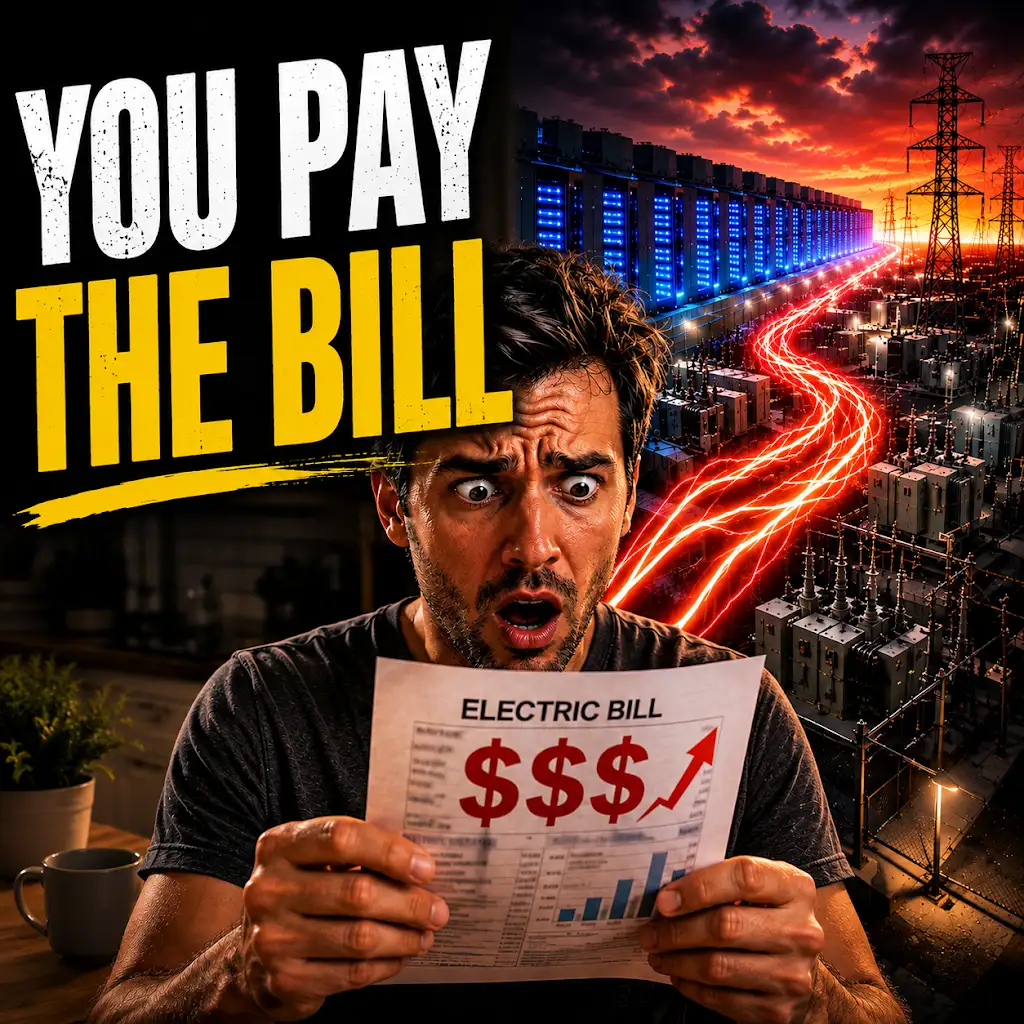
Is AI About to Make Your Electric Bill Even Higher?
FAQs

1. What is Big Tech power infrastructure?
Big Tech power infrastructure refers to the energy and electricity infrastructure required to power the data centers, servers, and other facilities operated by large technology companies such as Google, Amazon, Facebook, and Microsoft.
2. Who pays for the Big Tech power infrastructure?
The cost of building and maintaining the power infrastructure for Big Tech companies is typically borne by the companies themselves. This includes expenses related to constructing data centers, purchasing and installing servers, and paying for the electricity needed to power these facilities.
3. How do Big Tech companies fund their power infrastructure projects?
Big Tech companies fund their power infrastructure projects through a combination of capital expenditure (CapEx) and operational expenditure (OpEx). They allocate a portion of their overall budget to invest in building and maintaining the necessary power infrastructure to support their operations.
4. Are there any government incentives or subsidies for Big Tech power infrastructure?
In some cases, local governments may offer incentives or subsidies to attract Big Tech companies to build data centers in their jurisdictions. These incentives could include tax breaks, grants, or other financial incentives to offset the costs of constructing and operating power infrastructure.
5. What are the environmental considerations related to Big Tech power infrastructure?
The energy consumption of Big Tech power infrastructure has raised concerns about its environmental impact, particularly in terms of carbon emissions and energy usage. Some Big Tech companies have committed to using renewable energy sources and implementing energy-efficient technologies to mitigate their environmental footprint.