You stand at the precipice of a new era, an era powered by artificial intelligence. Big Tech, the titans of your digital world, are at the forefront of this revolution, their AI ambitions soaring higher than ever before. But as you marvel at the innovations, the personalized recommendations, and the ever-smarter assistants, you might not be considering the hidden cost of this AI boom: its profound and growing impact on the environment. It’s a story of vast data centers, insatiable energy demands, and a silent, yet significant, carbon footprint that you need to understand.
You interact with AI every day, often without realizing it. When you ask a virtual assistant a question, when you scroll through your social media feed, or when you stream a movie, you’re engaging with complex AI algorithms. But behind these seamless experiences lies a colossal, and often unseen, infrastructure: data centers. These are not your average server rooms; they are sprawling complexes, humming with thousands of powerful computers, all working tirelessly to process the immense amount of data that fuels AI.
The Hunger for Electricity
The sheer scale of AI operations necessitates an equally immense appetite for electricity. Training sophisticated AI models, particularly large language models like the one you’re currently interacting with, involves processing petabytes of data through complex neural networks. This process is computationally intensive, requiring vast amounts of processing power, which in turn translates to enormous energy consumption. Imagine the collective power needed to train a single, cutting-edge AI model – it’s akin to powering small cities for extended periods. These data centers are not just passively storing information; they are actively engaged in energy-demanding computations, and this demand is only set to escalate as AI capabilities expand.
The Cooling Conundrum
Beyond the raw processing power, there’s another critical energy drain: cooling. The powerful servers within these data centers generate an incredible amount of heat. To prevent overheating and ensure optimal performance, these facilities require sophisticated cooling systems, often involving massive air conditioning units or water-cooling mechanisms. These systems themselves consume a significant portion of the data center’s energy budget, further exacerbating the environmental burden. The hotter the climate, the more energy is needed for cooling, creating a feedback loop of increasing energy demand in regions where data centers are increasingly being established.
The Location Matters: Where the Power Comes From
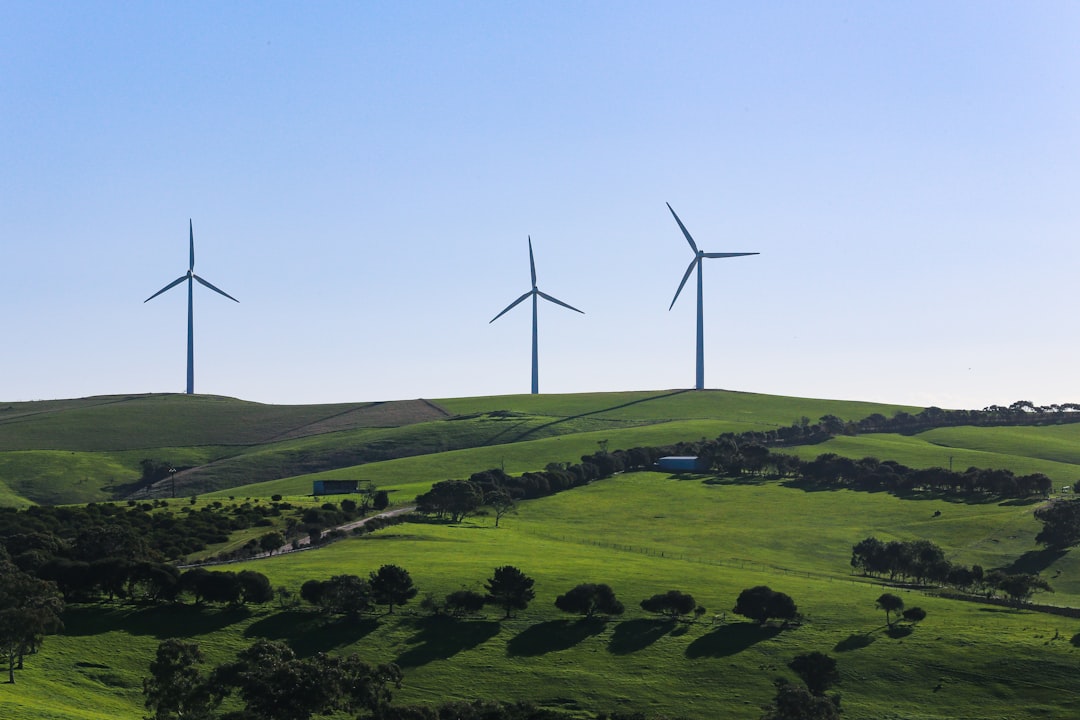
The environmental impact of these data centers is inextricably linked to the source of their electricity. If a data center is powered by fossil fuels – coal, natural gas, or oil – its carbon footprint will be substantial, contributing directly to greenhouse gas emissions and climate change. Conversely, data centers powered by renewable energy sources like solar, wind, or hydropower have a significantly lower environmental impact. However, a comprehensive understanding requires looking beyond mere claims of “green” energy. You need to investigate the specific energy mix, the long-term power purchase agreements, and the actual carbon intensity of the electricity grid that services these facilities. Are they truly drawing from new renewable capacity, or are they simply purchasing existing renewable energy credits that don’t necessarily lead to an increase in renewable energy on the grid?
The recent surge in the Big Tech AI boom has raised significant concerns regarding energy costs and sustainability. As companies invest heavily in AI technologies, the demand for energy to power data centers and computational processes has skyrocketed. This trend is explored in detail in a related article that discusses the implications of increased energy consumption on both the environment and operational expenses. For more insights, you can read the article here: How Wealth Grows.
The Hardware Footprint: From Raw Materials to E-Waste
The AI boom isn’t just about software and electricity; it’s also about hardware. The specialized chips, servers, and networking equipment that power AI development and deployment have their own environmental story, one that begins with resource extraction and ends with a growing mountain of electronic waste.
The Thirst for Rare Earth Minerals
The advanced processors and specialized hardware that are the backbone of AI are often built using rare earth minerals and other critical raw materials. The extraction of these materials can be environmentally destructive, involving mining operations that can lead to habitat destruction, water pollution, and significant energy consumption. These mining processes often occur in regions with less stringent environmental regulations, leading to localized but severe ecological damage. Furthermore, the refining of these minerals also requires substantial energy and can generate hazardous waste.
The Manufacturing Maze
The manufacturing of these complex electronic components is another energy-intensive process. Factories that produce microchips and other high-tech hardware consume vast amounts of electricity and water. The fabrication of semiconductors, for instance, involves numerous intricate steps, each requiring precise conditions and significant energy input. The global supply chains involved in sourcing raw materials, manufacturing components, and assembling final products further add to the overall environmental impact through transportation and logistical emissions.
The E-Waste Avalanche
The rapid pace of technological advancement in AI means that hardware quickly becomes obsolete. As companies strive to stay at the cutting edge, older servers, specialized AI accelerators, and even the devices you use to access AI services are discarded. This generates an enormous amount of electronic waste, or e-waste, which can be a significant environmental hazard. E-waste often contains toxic materials like lead, mercury, and cadmium, which can leach into soil and water if not properly managed. Recycling these complex electronic components is challenging and often not economically viable, leading to a substantial portion of e-waste ending up in landfills or being improperly disposed of in developing countries.
The Water Woes: A Hidden Demand

You might not immediately connect AI with water consumption, but it’s a critical and often overlooked aspect of its environmental impact. Data centers, as mentioned earlier, require significant cooling, and water is a primary medium for this.
The Cooling Towers’ Thirst
Many large data centers rely on evaporative cooling systems, which involve drawing water to cool the air. This process can consume vast quantities of water, particularly in arid or drought-prone regions. The water used is often drawn from local water sources, putting a strain on already limited supplies, especially in areas where water scarcity is a growing concern. The scale of these operations means that even a small per-unit consumption can add up to a staggering annual water footprint.
The Energy-Water Nexus
It’s important to understand the interconnectedness of energy and water. Pumping water for cooling, purifying it, and disposing of wastewater all require energy. This creates a feedback loop where the energy demand of AI leads to increased water consumption, and the energy required to manage that water further contributes to the overall environmental burden. As AI continues to expand, the competition for water resources, particularly in water-stressed regions, is likely to intensify, creating a complex socio-environmental challenge.
The Algorithm’s Shadow: Data Storage and Processing
Beyond the physical infrastructure, the very nature of AI development – the constant collection, storage, and processing of data – contributes to its environmental footprint. Every byte of data you generate and every computation performed by an AI algorithm has an energy cost.
The Ever-Growing Data Lakes
AI models are trained on massive datasets. The collection, storage, and ongoing management of these “data lakes” require significant energy. Data centers are filled with storage devices, and maintaining them, ensuring their accessibility, and backing them up all contribute to a continuous energy demand. The drive for more data to improve AI accuracy and capability only exacerbates this issue, leading to an ever-expanding digital footprint.
The Computational Cycle
The training and deployment of AI models involve countless computational cycles. Each time an AI makes a prediction, analyzes an image, or generates text, it’s performing calculations that consume energy. While individual computations might seem small, the sheer volume of these operations across billions of users and countless applications translates into a significant cumulative energy demand. This constant computational activity, even when you’re not actively interacting with an AI, contributes to the overall energy consumption.
The Efficiency Illusion
While there are ongoing efforts to improve the energy efficiency of AI algorithms and hardware, the rapid growth in AI capabilities often outpaces these gains. As AI models become more complex and are applied to increasingly challenging problems, the total energy consumption can still rise, even if individual operations become more efficient. This creates a constant race to optimize, where efficiency improvements are met with an ever-increasing demand for computational power.
As the Big Tech AI boom continues to reshape industries, concerns about energy costs associated with powering these advanced technologies are becoming increasingly prominent. A recent article highlights how the surge in AI applications is driving up energy consumption, prompting companies to seek more sustainable solutions. For those interested in exploring the financial implications of this trend, you can read more about it in this insightful piece on how wealth grows. This discussion not only sheds light on the environmental impact but also examines the economic factors that are influencing the future of AI development.
Towards a Greener AI Future: What You Can Do
| Company | AI Energy Consumption (kWh) | Energy Cost (USD) |
|---|---|---|
| 1,000,000 | 100,000 | |
| Amazon | 800,000 | 80,000 |
| Microsoft | 900,000 | 90,000 |
| 750,000 | 75,000 |
The environmental impact of Big Tech’s AI boom is a complex and multifaceted issue, but it’s not one without solutions. As a user, a citizen, and a consumer, you have a role to play in shaping a more sustainable future for AI.
Demanding Transparency and Accountability
One of the most crucial steps is demanding greater transparency from Big Tech companies regarding their environmental impact. You need to know where their data centers are located, what their energy sources are, and what their water consumption is. Companies should be held accountable for their carbon emissions and their resource usage. Look for companies that publish sustainability reports, set ambitious emissions reduction targets, and invest in renewable energy. Support initiatives that advocate for greater corporate responsibility in the tech sector.
Advocating for Policy and Regulation
Governments and regulatory bodies have a vital role to play in setting standards and incentives for sustainable AI development. You can advocate for policies that encourage the use of renewable energy for data centers, promote energy efficiency in hardware design, and establish responsible e-waste management practices. This might involve supporting legislation that mandates environmental disclosures, provides tax incentives for green technologies, or sets limits on carbon emissions. Your voice as a constituent can influence policy decisions.
Making Conscious Choices as a Consumer
Your choices as a consumer also matter. When possible, opt for services and platforms that demonstrate a commitment to environmental sustainability. While it might not always be obvious, some companies are making genuine efforts to reduce their footprint. Research the energy policies of the cloud providers whose services are being used for AI development. Consider the energy efficiency of the devices you use to access AI. While individual actions may seem small, collective consumer demand can drive significant change in corporate behavior.
Supporting Research and Innovation
Encourage and support research into more energy-efficient AI algorithms, sustainable hardware design, and innovative cooling technologies. Invest in companies or initiatives that are at the forefront of developing greener AI solutions. This could involve supporting open-source projects focused on energy efficiency or backing startups that are tackling the environmental challenges of AI. By fostering innovation, you can help pave the way for a future where AI development is not at odds with environmental protection.
The AI revolution is upon you, and its potential is immense. However, you cannot afford to ignore its environmental consequences. By understanding the energy demands of data centers, the resource intensity of hardware, the hidden water consumption, and the computational footprint of algorithms, you can begin to appreciate the scale of the challenge. But more importantly, by demanding transparency, advocating for policy, making conscious choices, and supporting innovation, you can help ensure that the future of AI is not just intelligent, but also responsible and sustainable. The power to shape this future is, in part, in your hands.

Is AI About to Make Your Electric Bill Even Higher?
FAQs
What is the impact of Big Tech’s AI boom on energy costs?
The increasing demand for AI technologies by Big Tech companies has led to a surge in energy consumption, resulting in higher energy costs.
How does AI technology contribute to increased energy consumption?
AI technology requires significant computational power, which in turn requires large amounts of energy to operate and cool the necessary hardware. This has led to an increase in energy consumption by data centers and other infrastructure supporting AI technologies.
What are the environmental implications of the Big Tech AI boom on energy consumption?
The increased energy consumption from AI technologies contributes to higher carbon emissions and places additional strain on the environment. This has raised concerns about the sustainability of AI development and deployment.
Are there any efforts to address the energy consumption of AI technologies?
Some Big Tech companies are investing in renewable energy sources and implementing energy-efficient technologies to mitigate the environmental impact of AI-related energy consumption. Additionally, research is being conducted to develop more energy-efficient AI algorithms and hardware.
What are the potential long-term solutions to reduce the energy costs of Big Tech’s AI boom?
Long-term solutions to reduce the energy costs of AI technologies include the development of more energy-efficient hardware, the optimization of AI algorithms to require less computational power, and the continued adoption of renewable energy sources to power data centers and other infrastructure.