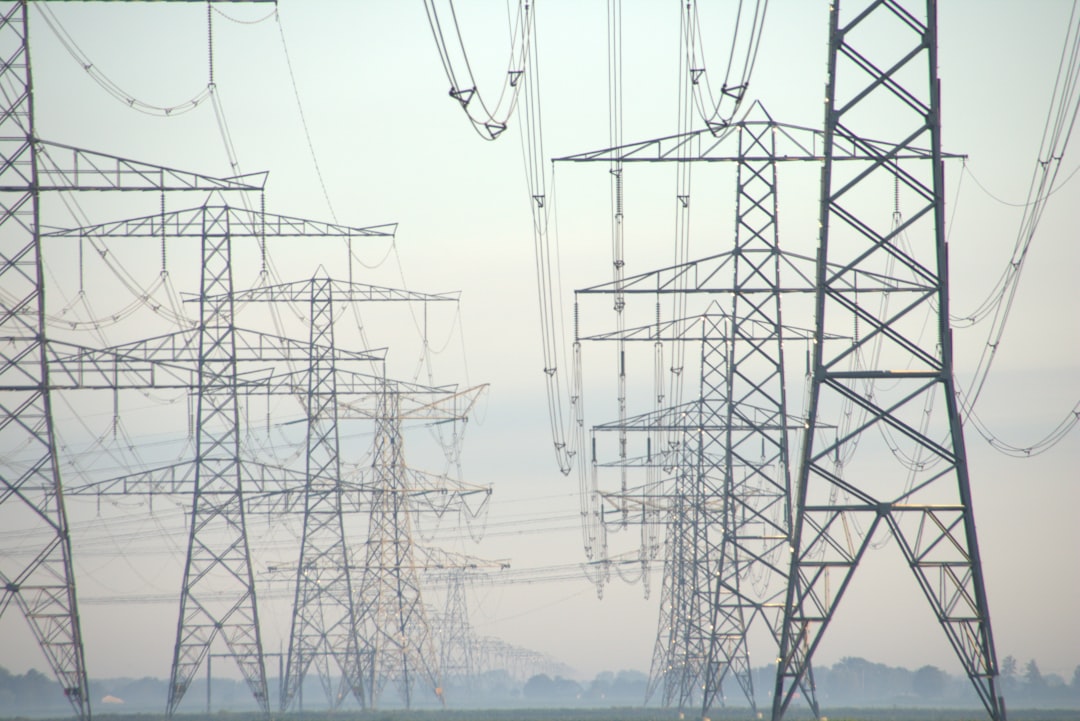
You might be scrolling through your feed, watching a streaming service, or sending an email right now. Behind that seamless experience, a colossal appetite for electricity is being sated. Big Tech, the giants that power your digital life, are consuming staggering amounts of energy, and understanding this demand is crucial for a sustainable future. This isn’t just about their data centers; it’s about the intricate web of operations that keep you connected.
The Unseen Infrastructure: Data Centers, Your Digital Home
When you think of Big Tech’s electricity demand, your mind likely jumps to sprawling data centers. These are the physical heartbeats of their empires, housing the servers, storage, and networking equipment that process and store the vast oceans of data generated by billions of users like you.
Servers: The Workhorses of the Digital Realm
Imagine countless humming machines, each performing complex calculations, retrieving information, and transmitting it back to your device. These servers are the primary consumers of electricity within a data center. They are constantly on, running 24/7, and their power needs are immense.
The Constant Grind: Compute Power Demands
The sheer volume of requests you make – searches, social media updates, video streams – translates directly into compute cycles. Each computation requires energy. As the digital world expands and demands more sophisticated services, like AI-driven personalized content or real-time gaming, the computational load on these servers increases exponentially, thus escalating their electricity needs.
Memory and Storage: Holding Onto Your Digital Life
Beyond processing power, servers need to store your data. Hard drives, solid-state drives, and various forms of memory all require a continuous supply of electricity to function and retain information. The more photos you upload, the more videos you save, the more data that needs to be housed, and consequently, the more power is consumed by storage systems.
Cooling Systems: The Unsung Heroes of Operation
Data centers generate an enormous amount of heat. If left unchecked, this heat can damage sensitive equipment and lead to system failures. This is where cooling systems come in, and they are a significant electricity drain.
Air Conditioning and Chillers: Fighting the Heat
Large-scale data centers employ sophisticated air conditioning and refrigeration systems to maintain optimal operating temperatures. These systems, akin to industrial-sized air conditioners, consume substantial amounts of electricity to circulate cool air and remove the heat generated by the servers.
Liquid Cooling Technologies: A More Efficient (But Still Power-Hungry) Approach
While air cooling is prevalent, some data centers are adopting liquid cooling technologies. These systems circulate specialized fluids directly to the hottest components, offering greater efficiency. However, the pumps and the processes involved in circulating these fluids still represent a considerable electricity demand.
Networking Equipment: The Connectors of Your Digital World
The seamless flow of data between servers, within the data center, and out to your devices relies on a complex network of routers, switches, and other networking gear. This equipment, too, requires a steady supply of power to operate and facilitate communication.
The Backbone of Connectivity: Routers and Switches
These devices are the traffic cops of the digital realm, directing data packets at lightning speed. Their continuous operation, processing vast amounts of network traffic, contributes to the overall electricity consumption of a data center.
Ancillary Systems: The Supporting Cast
Beyond the core components, data centers also require power for lighting, security systems, backup generators (and their testing), and various other operational necessities. While individually smaller, collectively they add to the overall energy footprint.
The increasing electricity demand from Big Tech companies has raised concerns about sustainability and energy consumption. For a deeper understanding of this issue, you can explore the article titled “The Impact of Big Tech on Energy Consumption” available at How Wealth Grows. This article delves into the factors driving the energy needs of major tech firms and discusses potential solutions to mitigate their environmental impact.
Beyond the Data Center: The Wider Ecosystem of Tech Consumption
It’s easy to focus solely on the data center, but Big Tech’s electricity demand extends far beyond these physical fortresses. The devices you use, the networks that carry the data, and the manufacturing processes all contribute to their massive energy appetite.
Your Devices: The Frontline of Digital Interaction
Every smartphone, laptop, tablet, and smart device you use is a conduit for Big Tech’s services. While each device might consume a relatively small amount of electricity compared to a data center, the sheer number of these devices in operation globally creates a significant cumulative demand.
Charging and Usage: The Daily Power Drain
The act of charging your devices, keeping them powered up throughout the day, and running applications all draw electricity. This constant trickle, multiplied by billions of users, becomes a substantial portion of the overall energy picture.
Standby Power: The Silent Consumers
Even when your devices are not actively in use, many consume electricity in standby mode, waiting to receive notifications or updates. This seemingly minor drain, occurring across millions of devices, adds up.
Network Infrastructure: The Highways of Digital Information
The electricity used by your internet service provider (ISP) to deliver data to your home, the cellular towers that power your mobile connection, and the fiber optic cables that form the backbone of the internet all represent significant energy consumption. Big Tech relies heavily on this existing infrastructure, and its energy footprint is inextricably linked.
The Last Mile: Connecting You to the Digital World
The energy consumed by routers, modems, and network equipment within your home, as well as the infrastructure of your ISP, is essential for you to access Big Tech’s services. This “last mile” connection is a critical part of the energy equation.
Mobile Networks: Powering Your Wireless World
The extensive network of cell towers, base stations, and associated equipment that enables your mobile connectivity requires substantial electricity to operate, especially as data usage on mobile devices continues to soar.
Manufacturing and Supply Chain: The Hidden Energy Costs
The creation of every piece of hardware – from the chips within servers to the screens on your devices – involves energy-intensive manufacturing processes. The mining of raw materials, the fabrication of components, and the assembly of products all contribute to Big Tech’s overall electricity demand, even if it’s not directly consumed by their operational services.
Raw Material Extraction and Processing: The Earth’s Contribution
Extracting metals, minerals, and rare earth elements used in electronics requires significant energy. The refining and processing of these raw materials further amplify this demand.
Component Fabrication: The Precision Energy Needs
The intricate manufacturing of microprocessors, memory chips, and other electronic components involves highly precise and energy-intensive processes, often conducted in specialized facilities.
The Scale of the Problem: Quantifying Big Tech’s Gigawatt Appetite
Understanding the magnitude of Big Tech’s electricity demand is crucial for informed discussion and action. While precise figures are often proprietary, estimates and reports paint a stark picture.
Data Center Power Consumption: A Growing Giant
Studies have shown that data centers globally are significant energy consumers, and Big Tech companies operate some of the largest and most power-hungry facilities.
Projections and Trends: The Ever-Increasing Demand
As the digital economy continues its rapid expansion, driven by new technologies like AI, machine learning, and the metaverse, the demand for data center capacity and, consequently, electricity, is projected to grow substantially.
Comparisons and Benchmarks: Putting it in Perspective
When compared to the energy consumption of entire countries or large industries, the electricity demands of major tech companies are substantial and continue to be a subject of ongoing research and concern.
The Cloud’s Carbon Footprint: Beyond Direct Electricity Use
The “cloud” isn’t an ethereal entity; it’s powered by physical infrastructure. The electricity used by these cloud services has a direct environmental impact, often contributing to carbon emissions if the energy source is not renewable.
The Lifecycle of Data: From Creation to Deletion
Every piece of data you create and store has an energy cost associated with its lifecycle, from the energy used by your device to store it to the energy used by data centers to house and process it.
The Importance of Transparency: Unveiling the Numbers
Many advocate for greater transparency from Big Tech regarding their energy consumption and carbon emissions, allowing for better accountability and informed decision-making.
The Path to Sustainability: Greening the Digital Giant
Fortunately, Big Tech is not oblivious to its energy footprint. Many companies are actively investing in strategies to reduce their electricity demand and transition towards more sustainable energy sources.
Renewable Energy Investments: Powering the Future with Green Sources
A significant portion of the efforts to decarbonize Big Tech’s electricity demand involves investing in and procuring renewable energy sources like solar and wind power.
Power Purchase Agreements (PPAs): Securing Clean Energy
Companies are entering into long-term agreements with renewable energy developers to purchase electricity generated from new solar and wind farms. This not only helps them power their operations with clean energy but also drives the growth of the renewable energy sector.
On-site Renewable Generation: Generating Power at the Source
Some data centers are exploring on-site renewable energy generation, such as installing solar panels on their roofs or utilizing geothermal energy, to directly power their facilities.
Energy Efficiency Improvements: Doing More with Less
Beyond transitioning to renewable sources, Big Tech is also focused on improving the energy efficiency of its operations, aiming to reduce overall electricity consumption.
Advanced Cooling Techniques: Optimizing Temperature Control
Innovations in cooling technologies, including liquid cooling and free-air cooling (utilizing outside air for cooling when ambient temperatures allow), are helping to reduce the energy required for temperature management.
Server Optimization and Virtualization: Maximizing Resource Utilization
By optimizing server hardware and leveraging virtualization technologies, companies can consolidate workloads onto fewer machines, thereby reducing the number of servers needed and their associated power consumption.
AI for Efficiency: Intelligent Energy Management
Artificial intelligence is increasingly being used to monitor and optimize energy consumption within data centers, predicting load demands and adjusting power usage accordingly.
Responsible Design and Manufacturing: Building Sustainability In
The focus on sustainability is extending to the design and manufacturing of the hardware that powers Big Tech.
Sustainable Materials: Reducing the Environmental Impact of Components
Efforts are underway to use more recycled and sustainably sourced materials in the production of electronic components and devices, minimizing the environmental impact of extraction and manufacturing.
Extended Hardware Lifecycles: Reducing the Need for Constant Replacement
Promoting the longevity of hardware through robust design and offering repair and upgrade options can reduce the demand for new manufacturing, thereby lowering embodied energy.
The increasing electricity demand from Big Tech companies has raised concerns about sustainability and energy consumption. For a deeper understanding of this issue, you can explore a related article that discusses the implications of this growing demand and its impact on the environment. This insightful piece highlights various strategies that tech giants are implementing to mitigate their carbon footprint while meeting their energy needs. To read more about this topic, visit this article for a comprehensive overview.
The Role You Play: Empowering Sustainable Tech
While Big Tech has a monumental responsibility, your choices and actions also play a crucial role in shaping the future of digital energy consumption.
Conscious Consumption: Making Informed Choices
Being mindful of your digital habits can contribute to reducing overall demand.
Streamlining Your Digital Footprint: Deleting Unnecessary Data
Regularly clearing out old emails, unused files, and unnecessary cloud storage can reduce the burden on data centers.
Optimizing Streaming Habits: Choosing Lower Resolutions When Possible
While high-definition streaming is appealing, opting for lower resolutions when appropriate can reduce the data transfer and processing required.
Extending Device Lifespans: Repair and Reuse
Choosing to repair your devices rather than immediately replacing them can significantly reduce the demand for new manufacturing.
Advocating for Change: Demanding Transparency and Sustainability
Your voice matters when it comes to pushing for greater accountability and sustainability from Big Tech.
Supporting Policies for Renewable Energy: Encouraging Government Action
Advocate for policies that incentivize renewable energy development and energy efficiency standards for the tech industry.
Choosing Ethical Companies: Supporting Businesses with Green Initiatives
When possible, choose to support technology companies that demonstrably prioritize sustainability and transparency in their operations.
Educating Yourself and Others: Spreading Awareness
The more informed you are about the energy demands of the digital world, the better equipped you are to make responsible choices and advocate for change. Share this knowledge with your friends, family, and colleagues.
The electricity demand of Big Tech is a complex and multifaceted issue, intertwined with your daily digital life. By unraveling its components, understanding its scale, and actively participating in the transition towards sustainability, you become an integral part of powering a greener digital future. Your digital interactions have an energy cost, and by understanding and managing it, you can help ensure that the convenience and connectivity you enjoy today don’t come at the expense of tomorrow’s environment.

Is AI About to Make Your Electric Bill Even Higher?
FAQs
What is the electricity demand of Big Tech companies?
Big Tech companies, such as Google, Amazon, and Microsoft, have a significant electricity demand due to their data centers, which require constant power to operate and cool the servers.
How do Big Tech companies meet their electricity demand?
Big Tech companies often invest in renewable energy sources, such as solar and wind power, to meet their electricity demand. They also utilize energy-efficient technologies and participate in energy conservation initiatives.
What are the environmental impacts of Big Tech’s electricity demand?
The electricity demand of Big Tech companies can have environmental impacts, including carbon emissions and strain on local power grids. However, many companies are working to mitigate these impacts through renewable energy investments and energy efficiency measures.
How does Big Tech’s electricity demand affect local communities?
The electricity demand of Big Tech companies can put pressure on local power grids and infrastructure, potentially leading to increased electricity costs for residents and businesses in the area. However, some companies work with local communities to address these challenges.
What are the future trends in Big Tech’s electricity demand?
In the future, Big Tech companies are expected to continue increasing their electricity demand as they expand their data center operations. However, there is also a growing trend towards sustainability, with companies focusing on reducing their carbon footprint and increasing their use of renewable energy sources.