
You stand at the precipice of a monumental shift, a revolution powered by artificial intelligence. But as AI’s insatiable appetite for processing power grows, so too does its demand for energy. And this burgeoning demand is beginning to cast a long shadow over your own energy bills. You, the residential ratepayer, are increasingly finding yourself entangled in the complex web of AI data centers and their profound impact on your electricity consumption and cost. This isn’t just a story about silicon and servers; it’s a story about you, your home, and the future of affordable energy.
You’ve seen the headlines, you’ve heard the buzzwords: ChatGPT, Bard, Midjourney. Artificial intelligence is no longer a theoretical concept; it’s woven into the fabric of your daily life, from personalized recommendations to sophisticated medical diagnostics. This rapid integration, however, comes with a significant, and often hidden, cost: energy.
The Unseen Engine: How AI Demands Power
Imagine a massive, constantly humming brain, capable of processing vast amounts of information at lightning speed. That’s, in essence, an AI data center. These colossal facilities house thousands, even millions, of specialized processors – GPUs (Graphics Processing Units) and TPUs (Tensor Processing Units) – designed specifically for the intricate calculations required by AI algorithms. Unlike the servers of yesteryear, these chips are power-hungry behemoths. A single AI training run can consume more electricity than a small town for days. This isn’t a fleeting trend; the complexity of AI models is only increasing, demanding even more computational power and, consequently, more energy. Think of it as a snowball rolling down a hill, gathering momentum and mass – the AI revolution is similarly compounding its energy needs.
The Data Deluge: Fueling the AI Beast
The fuel for AI is data. Massive datasets are fed into these models to train them, refine them, and enable them to perform increasingly sophisticated tasks. The sheer volume of data being generated and processed globally is staggering. Every search query you make, every photo you upload, every social media interaction contributes to this digital ocean. Data centers are the meticulously organized libraries where this information is stored, accessed, and analyzed. And accessing, storing, and processing this data is an energy-intensive endeavor.
Growth Projections: A Skyrocketing Demand
Industry analysts and energy providers alike are projecting a dramatic surge in electricity consumption directly attributable to AI data centers. Some estimates suggest that AI’s global electricity demand could rival that of entire countries within the next decade. This isn’t a distant future scenario; it’s a trajectory you’re already witnessing the early stages of. This growth isn’t linear; it’s exponential, meaning the rate of increase is accelerating. This presents a significant challenge for existing energy infrastructure and, by extension, for your electricity supply.
As the demand for artificial intelligence continues to surge, the implications for AI data centers on residential ratepayers are becoming increasingly significant. A recent article discusses how the expansion of these data centers can lead to higher electricity costs for consumers, as energy resources are diverted to support the growing infrastructure. For more insights on this topic, you can read the full article here: AI Data Centers and Their Impact on Residential Ratepayers.
The Ripple Effect: How Data Centers Impact Your Bill
You may not see the gleaming server racks or the hum of powerful cooling systems in your neighborhood, but the impact of AI data centers is already reaching your doorstep, often in the form of a higher electricity bill. Understanding this connection is crucial for advocating for sustainable and equitable energy solutions.
Increased Demand, Strained Grids
When a new, large-scale data center is established in your region, it represents a significant new load on the local electricity grid. Grids are designed with a certain capacity in mind, and this sudden surge in demand can push them to their limits. To meet this increased demand, utilities may need to invest in costly upgrades to power generation and transmission infrastructure. These investments, as you’ll soon discover, don’t simply vanish; they are often passed on to consumers.
As the demand for AI data centers continues to rise, it is essential to consider the implications for residential ratepayers who may face increased energy costs. A recent article discusses how these facilities, while driving technological advancements, can significantly impact local electricity rates and overall energy consumption. For more insights on this topic, you can read the article on how wealth grows by following this link. Understanding the balance between innovation and affordability is crucial for communities as they navigate the evolving landscape of energy use.
Peak Load Pressures and Ancillary Services
Data centers operate 24/7, creating a constant baseline demand. However, their power consumption can also fluctuate, especially during periods of intense AI model training or when handling massive data processing tasks. These fluctuations can contribute to “peak load” periods, when demand for electricity is highest. Utilities often have to purchase electricity at higher prices during these peak times, and this increased cost is frequently reflected in your rates, particularly if your utility has time-of-use pricing structures. Furthermore, grids require various “ancillary services” to maintain stability, such as frequency regulation and voltage support, which become more complex and expensive to provide with highly variable and large loads like data centers.
Transmission and Distribution Costs
Power doesn’t just appear; it needs to be transported from where it’s generated to where it’s consumed. This involves complex networks of high-voltage transmission lines and local distribution systems. The addition of large data centers often necessitates the construction of new substations and transmission lines, or the upgrading of existing ones, to accommodate the power flow. These infrastructure development costs are ultimately borne by all ratepayers, including you.
The Cost of Cooling: A Significant Factor
A common misconception is that the energy consumed by the servers themselves is the primary driver of a data center’s energy use. While server power is significant, a substantial portion of a data center’s energy is actually consumed by its cooling systems. These massive facilities generate an immense amount of heat, and maintaining optimal operating temperatures requires powerful and energy-intensive cooling mechanisms, often involving chillers, fans, and pumps. This added energy expenditure contributes to the overall demand and, consequently, to your electricity bill.
Exploring the Economic Landscape: Who Benefits and Who Pays?

The economic arguments for hosting AI data centers are often compelling, promising job creation and technological advancement. However, it’s essential to critically examine the distribution of these benefits and the burden of the costs, particularly for residential ratepayers.
Economic Development Promises vs. Residential Realities
Data center developers often tout the economic benefits of their projects, including construction jobs, IT positions, and increased tax revenue for local municipalities. These are tangible benefits, and they can indeed boost local economies. However, it’s crucial to ask: do these economic boons adequately offset the increased energy costs borne by every household? For you, the residential ratepayer, the promise of economic development can feel distant when faced with rising utility bills that directly impact your household budget.
Incentives and Subsidies: A Closer Look
Governments and local authorities often offer incentives, tax breaks, and subsidies to attract data center development. These can include reduced property taxes, grants for infrastructure improvements, or even special electricity rates. While these incentives are designed to stimulate investment, they can also create an uneven playing field. If data centers are receiving preferential treatment regarding energy costs, it implies that other ratepayers, including you, might be subsidizing these lower rates. This can lead to resentment and a sense of unfairness.
The Impact on Property Values and Local Infrastructure
The presence of large industrial facilities like data centers can sometimes impact local property values, particularly for nearby residential areas. Furthermore, the increased electricity demand can strain existing local infrastructure, such as roads, which may need upgrades to support the increased truck traffic for maintenance and supply. These are additional indirect costs that can affect your community.
Towards a Sustainable Solution: Balancing AI’s Needs with Yours

The challenge isn’t to halt the progress of AI, but to find intelligent and equitable ways to power it. This requires a multi-faceted approach involving technological innovation, policy reform, and a commitment to shared responsibility.
Energy Efficiency and Innovation in Data Centers
The good news is that the AI industry itself is increasingly recognizing the need for energy efficiency. Researchers and engineers are constantly developing more power-efficient processors, cooling technologies, and data center designs. You can advocate for stricter energy efficiency standards for new data center constructions and encourage the adoption of advanced cooling techniques like liquid cooling, which can be significantly more efficient than traditional air cooling. Furthermore, exploring the use of waste heat generated by data centers for local heating networks, where feasible, is another avenue for resource optimization.
Investing in Renewable Energy Sources
The most sustainable way to power AI data centers, and indeed all energy consumption, is through renewable energy sources. This means a massive expansion of solar, wind, geothermal, and hydroelectric power generation. You can support policies that incentivize the development of renewable energy projects and advocate for your utility to source a larger percentage of its power from clean sources. When data centers are powered by renewables, their environmental impact is significantly reduced, and the burden on fossil fuel-dependent grids is lessened.
Grid Modernization and Smart Technologies
A modernized and “smart” electricity grid is essential for managing the complex energy demands of the future. Smart grids allow for better monitoring, control, and optimization of energy flow. Technologies like demand-response programs, which incentivize consumers to reduce electricity usage during peak hours, can help alleviate strain on the grid. You can explore participating in such programs offered by your utility and advocate for wider adoption of smart grid technologies that can better integrate intermittent renewable energy sources and manage the load from large industrial users.
Policy and Regulation: Ensuring Equity for Ratepayers
Effective policy and regulation are paramount in ensuring a fair balance between the energy needs of AI and the affordability of electricity for residential ratepayers. This includes:
Transparent Energy Pricing Structures
You have the right to understand how your electricity bill is calculated. Advocate for transparent pricing structures that clearly delineate costs associated with energy generation, transmission, distribution, and any special rates or incentives provided to large industrial users like data centers. This transparency empowers you to make informed decisions about your energy consumption and to hold utilities and policymakers accountable.
Ratepayer Protection Mechanisms
Strong ratepayer protection mechanisms are essential. This could involve regulatory oversight to prevent excessive rate increases driven solely by data center energy demands. It might also include provisions that ensure a portion of the economic benefits derived from data centers are reinvested in grid upgrades or renewable energy projects that ultimately benefit all ratepayers.
Community Engagement and Voice
Your voice matters. Engage with your local utility providers, regulatory bodies, and elected officials. Participate in public hearings, write letters, and join consumer advocacy groups. By collectively advocating for your interests, you can influence policy decisions and ensure that the energy future being built is one that serves the needs of all members of the community, not just large corporations.
The age of AI is upon you. It’s a powerful force with the potential to reshape your world in profound ways. But as you embrace its advancements, you must also remain vigilant about its energy implications. The choices made today regarding energy infrastructure, policy, and investment will determine whether this technological revolution comes at the expense of your affordable energy future. By understanding the interplay between AI data centers and residential ratepayers, and by actively participating in the conversation, you can help shape a more sustainable, equitable, and energy-secure future for yourself and generations to come. The power to influence this balance is, in large part, in your hands.
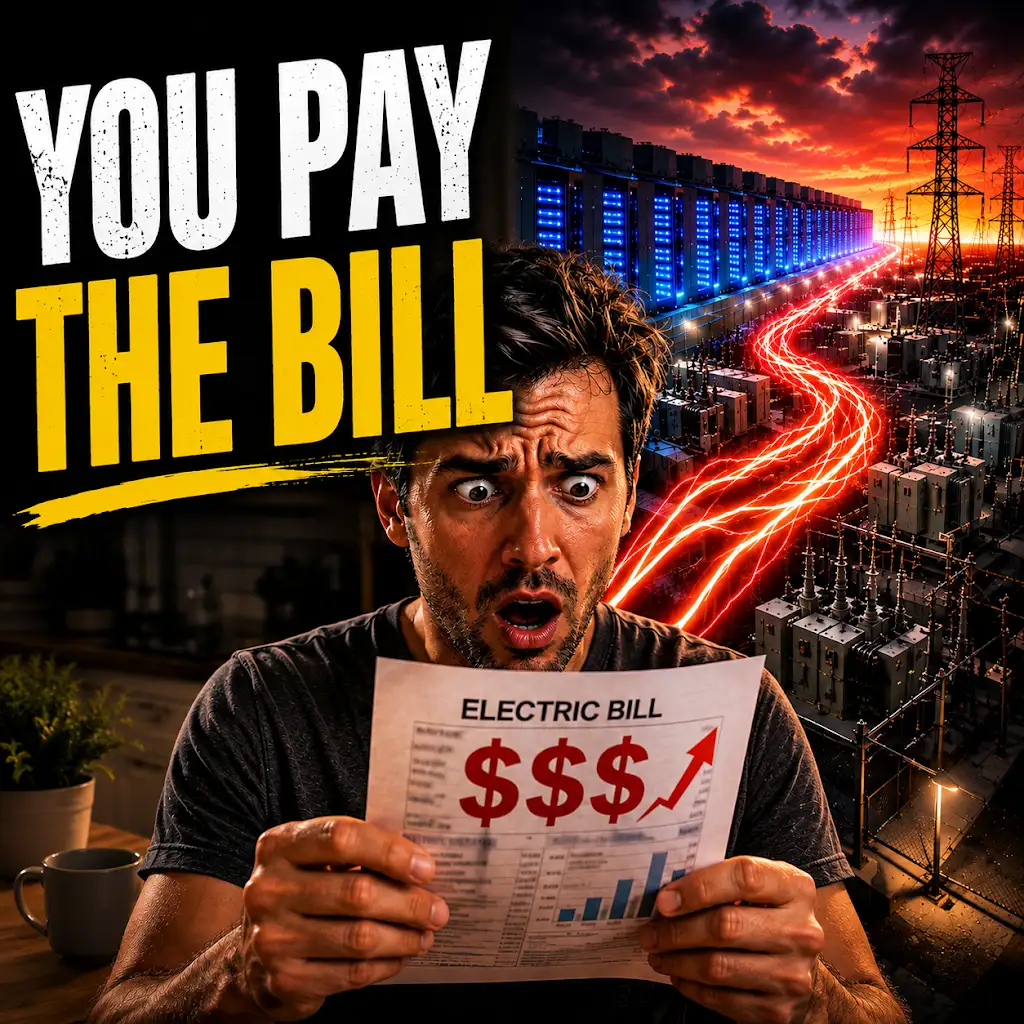
Is AI About to Make Your Electric Bill Even Higher?
FAQs
What are AI data centers?
AI data centers are facilities that house the infrastructure and equipment necessary for processing and storing large amounts of data for artificial intelligence applications. These centers often use advanced technologies such as machine learning and deep learning to analyze and interpret data.
How do AI data centers impact residential ratepayers?
AI data centers can impact residential ratepayers in several ways. These facilities consume significant amounts of energy, which can lead to increased electricity demand and potentially higher utility costs for residential customers. Additionally, the construction and operation of AI data centers can impact local infrastructure and resources, potentially affecting the quality of life for nearby residents.
What are the benefits of AI data centers?
AI data centers can provide numerous benefits, including enabling advanced AI applications and technologies that can improve efficiency, productivity, and innovation across various industries. These centers also play a crucial role in processing and analyzing the vast amounts of data generated by AI systems, which can lead to valuable insights and advancements in fields such as healthcare, finance, and transportation.
How do AI data centers contribute to energy consumption?
AI data centers require significant amounts of energy to power and cool the equipment necessary for processing and storing large volumes of data. The high-performance computing systems and infrastructure used in these facilities can consume substantial amounts of electricity, contributing to overall energy consumption and potentially impacting local power grids and resources.
What are the environmental implications of AI data centers?
The energy consumption and environmental impact of AI data centers are significant considerations. The operation of these facilities can contribute to increased carbon emissions and environmental strain, particularly if the energy sources used are not renewable or sustainable. As a result, there is growing interest in developing more energy-efficient and environmentally friendly solutions for AI data centers.