You’re likely seeing your electricity bills creep up, and you might be wondering why. While many factors contribute to rising energy costs, a significant and growing one you might not be aware of is the increasing demand from data centers. These massive facilities, housing the servers that power the internet, your cloud services, and all your digital interactions, are energy guzzlers. And as their appetite for power grows, the burden of meeting that demand is increasingly being shifted onto you, the ratepayer. This article will explore how data centers are impacting your bills, the implications of this trend, and what solutions exist to ensure a fairer distribution of costs and a sustainable energy future.
Imagine a digital world humming with constant activity. Every email you send, every video you stream, every piece of data stored in the cloud – it all happens within the walls of a data center. These facilities are not just buildings; they are intricate ecosystems of servers, cooling systems, and power infrastructure, all working tirelessly to keep our digital lives running. The sheer scale of their operations requires an immense amount of electricity, and this demand is only projected to soar.
The Scale of the Infrastructure
Data centers are not your average server room. They are sprawling complexes, often spanning hundreds of thousands of square feet, packed with racks upon racks of high-performance servers. These machines generate a tremendous amount of heat, necessitating sophisticated cooling systems that also consume significant energy. The infrastructure required to support this constant operation is vast and complex, involving redundant power supplies, robust networking equipment, and advanced security measures, all of which contribute to their substantial energy footprint.
Exponential Growth in Demand
The digital transformation we’re experiencing is not a fad; it’s a fundamental shift in how we live, work, and interact. The rise of artificial intelligence, the metaverse, the proliferation of Internet of Things (IoT) devices, and the ever-increasing volume of data being generated are all driving an unprecedented demand for computing power. Data centers are the backbone of this digital revolution, and their expansion is directly proportional to this growing demand. As more businesses and individuals rely on digital services, the need for more data center capacity intensifies, leading to a proportional increase in their electricity consumption.
The Hidden Energy Cost of Your Digital Life
You might not see it directly, but your engagement with the digital world has an energy cost. Every time you download a file, every time you stream a movie, every time you participate in a video conference, you are utilizing the resources of a data center. While the individual energy cost of these actions might seem minuscule, when aggregated across billions of users and trillions of digital interactions, the collective energy demand becomes substantial. This growing demand, fueled by your everyday digital activities, directly translates into a larger energy draw on the grid, which in turn influences the overall cost of electricity generation and distribution.
The ongoing discussion about data centers shifting costs to ratepayers has raised significant concerns among consumers and policymakers alike. A related article that delves deeper into this issue can be found at How Wealth Grows, where the implications of these cost transfers on electricity rates and overall economic impact are thoroughly examined. This shift not only affects individual households but also poses challenges for local businesses and the broader community, making it a critical topic for ongoing debate and analysis.
How Data Centers Are Shifting Costs to Ratepayers
The way electricity is priced and regulated often leads to data centers being able to negotiate favorable rates, effectively offloading a portion of their true energy costs onto residential and small business customers. This isn’t always a deliberate act of malice, but rather a consequence of utility structures and regulatory frameworks.
Negotiated Rates and Special Tariffs
Large data center operators, due to their massive and consistent power demands, often have significant bargaining power with utility companies. They can negotiate for special tariffs and rates that are lower than what residential customers or smaller businesses pay. These negotiated rates might be based on factors like the guaranteed load they provide to the utility, their ability to shift their consumption during peak hours, or simply their sheer economic leverage. While this can be beneficial for the data center’s bottom line, it means that the cost of providing electricity to the grid and maintaining the infrastructure must be recouped elsewhere, often from the rates paid by other customers.
The Utility’s Need for Revenue Stability
Utility companies operate with significant fixed costs related to infrastructure – power plants, transmission lines, substations, and distribution networks. They need a predictable and stable revenue stream to maintain and upgrade this infrastructure, as well as to recover their investments and generate a reasonable profit. When large industrial customers like data centers secure significantly lower rates, the utility must find ways to make up for the shortfall in revenue. This often translates into higher rates for other customer classes who are less able to negotiate or whose rates are more tightly regulated.
The Impact on Residential and Small Business Bills
As a direct consequence of these lower negotiated rates for data centers, you, the ratepayer, often end up footing the bill. The costs that are not covered by the data center’s reduced payments must be redistributed. This redistribution typically happens through increased base rates, higher demand charges, or increased surcharges and fees that are applied to all customer accounts. Over time, this can lead to a noticeable and frustrating increase in your monthly electricity bills, even if your own energy consumption hasn’t changed significantly. Your increased utility payment is, in part, subsidizing the energy needs of these large digital infrastructure providers.
The Concept of “Stranded Costs” and Infrastructure Investment
When utilities build new power generation or transmission capacity to meet projected demand, including the demand from large industrial users, they invest heavily. If these large users later negotiate lower rates or their demand fluctuates unpredictably, the utility can be left with “stranded costs” – investments that are no longer fully recovered through the revenue generated from those users. To avoid this, utilities may seek to recover these costs from a broader customer base, thus impacting the rates for all ratepayers.
Implications for Consumers and the Environment
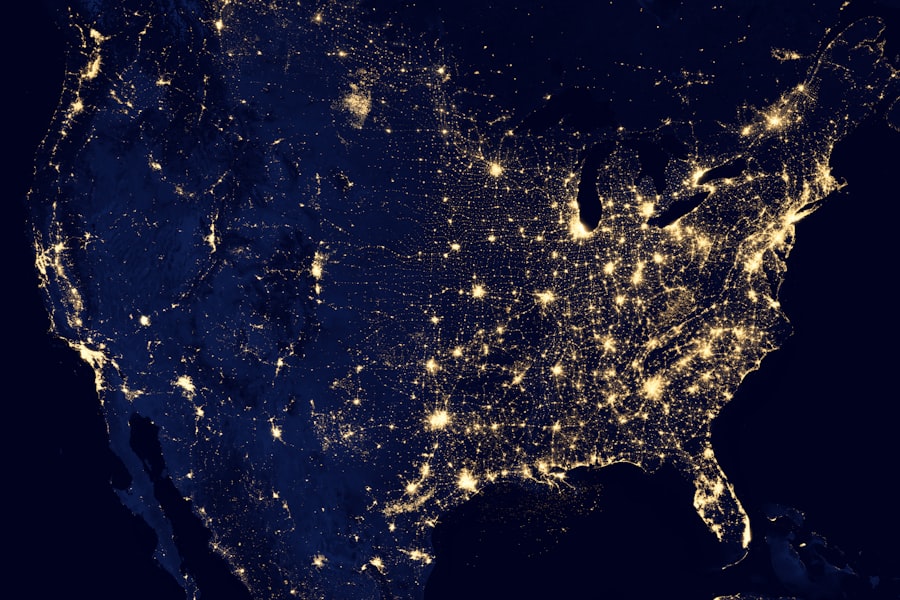
The shift of data center energy costs to ratepayers has far-reaching implications, impacting your wallet and the broader environmental landscape. It’s a complex issue with no easy answers, but understanding these implications is the first step toward finding solutions.
Financial Burden on Households
The most immediate and tangible implication for you is the increased financial burden. As your electricity bills rise, you have less disposable income for other necessities or discretionary spending. This is particularly acute for low-income households, who may struggle to afford basic energy needs. The disparity in energy costs, where large corporations benefit from lower rates while ordinary citizens bear a heavier load, raises questions of fairness and equity in our energy system. You are effectively subsidizing the growth of the digital economy without necessarily seeing a proportionate benefit reflected in your own energy expenses.
Environmental Concerns and Grid Strain
The insatiable energy demand of data centers places significant strain on existing power grids. Meeting this demand often requires increased reliance on fossil fuel-based power generation, contributing to greenhouse gas emissions and exacerbating climate change. While some data centers are investing in renewable energy sources, the sheer scale of their energy consumption means that many still rely on a mix of energy sources that include non-renewable ones. This puts pressure on utilities to rapidly expand generation capacity, which can be environmentally detrimental if not managed sustainably. You may be paying for electricity that is generated in ways that harm the environment, and your increased bills could be funding this.
The “Digital Divide” and Energy Equity
The current system, where large tech companies can secure preferential energy rates, can exacerbate the “digital divide.” While these companies benefit from reduced operating costs, which can be passed on to consumers in the form of cheaper digital services, the underlying energy costs are not equitably distributed. This creates a scenario where the benefits of the digital economy are not enjoyed by all segments of society without contributing to a system that disproportionately burdens certain ratepayers with energy costs. This raises questions about energy equity and whether the benefits of technological advancement are being shared fairly.
The Future of Energy Consumption
As data centers continue to grow, their impact on overall energy consumption will only increase. Without thoughtful planning and policy interventions, this trend could lead to significant challenges in meeting future energy demands, both in terms of capacity and environmental sustainability. You will continue to see your bills rise if the current trajectory continues, and the environmental consequences will become more pronounced.
Solutions for a Fairer Distribution of Costs

Addressing the issue of data centers shifting costs to ratepayers requires a multi-faceted approach involving regulatory reform, technological innovation, and increased transparency. Finding solutions that benefit both the digital economy and the average consumer is crucial for a sustainable and equitable energy future.
Regulatory Reform and Rate Structure Revisions
One of the most impactful solutions lies in reforming how electricity rates are structured. Regulators can play a vital role by re-evaluating and revising existing rate structures to ensure that the true cost of energy is reflected in the prices paid by all large consumers, including data centers.
Implementing Fairer Load-Based Pricing
Instead of allowing for highly individualized negotiated rates, regulators could implement more standardized, load-based pricing mechanisms. This would mean that the cost per kilowatt-hour is more directly tied to the actual cost of generation, transmission, and distribution for the volume of electricity consumed, regardless of the customer’s size or bargaining power. This would ensure that data centers contribute their fair share to the overall cost of maintaining the grid.
Addressing “Bypass” and “Stranded Cost” Recovery
Regulations can be put in place to prevent utilities from unfairly recovering “stranded costs” from residential ratepayers when large industrial users reduce their consumption or leave the grid. This might involve establishing mechanisms for more equitable cost-sharing when infrastructure investments are made to serve specific large customers.
Mandating Renewable Energy Contributions
Regulatory bodies can mandate that data centers meet a certain percentage of their energy needs through renewable energy sources. This would not only reduce their reliance on fossil fuels but could also help to offset the costs associated with grid upgrades and new generation capacity, potentially leading to more stable overall energy prices.
Promoting Energy Efficiency and Innovation within Data Centers
While it might seem counterintuitive, encouraging data centers to become more energy-efficient can also be part of the solution. When data centers reduce their overall energy consumption, it lessens the strain on the grid and can lead to lower overall electricity demand, which can indirectly benefit all ratepayers.
Investing in Advanced Cooling Technologies
The cooling systems within data centers are major energy consumers. Encouraging or mandating the adoption of more advanced and energy-efficient cooling technologies, such as liquid cooling or free cooling systems that utilize ambient air, can significantly reduce their electricity usage. Incentives for adopting these technologies could be offered to data center operators.
Optimizing Server and IT Infrastructure
Continuous innovation in server hardware and IT infrastructure can lead to more power-efficient equipment. Encouraging data centers to regularly upgrade to the latest, most energy-efficient technology, potentially through tax incentives or other financial instruments, can contribute to a reduction in their overall energy footprint.
Utilizing Waste Heat Recovery
Many data centers generate a significant amount of waste heat. Exploring and implementing technologies that can capture and repurpose this waste heat for other uses, such as heating nearby buildings or industrial processes, can turn a liability into an asset and reduce the overall energy demand of the facility.
Transparency and Public Awareness Campaigns
Increasing transparency about data center energy consumption and their impact on electricity rates is crucial for fostering public understanding and driving demand for equitable solutions.
Public Disclosure of Energy Consumption Data
Utilities and regulatory bodies can implement policies that require data centers to publicly disclose their energy consumption data and the rates they pay. This transparency would allow for greater public scrutiny and empower consumers and advocacy groups to hold utilities and data center operators accountable for fair pricing.
Educational Initiatives for Ratepayers
Launching public awareness campaigns to educate ratepayers about the connection between data center energy demand and their electricity bills can foster greater understanding and support for necessary policy changes. This can empower consumers to advocate for their interests and push for fairer energy pricing.
Empowering Consumer Advocacy Groups
Providing resources and support to consumer advocacy groups can enable them to more effectively research, lobby, and raise public awareness about the issue of data center cost shifting. These groups can act as a powerful voice for ratepayers in regulatory and legislative processes.
As data centers continue to expand, many are shifting their operational costs onto ratepayers, raising concerns about the financial implications for consumers. This trend is explored in detail in a related article that discusses the broader impact of such practices on local economies and utility rates. For more insights on this topic, you can read the article here. Understanding these dynamics is crucial for consumers who may face increased bills as companies seek to maximize their profits while minimizing their expenses.
The Path Forward: A Shared Responsibility
| Year | Number of Data Centers | Costs Shifted to Ratepayers |
|---|---|---|
| 2015 | 150 | 10 million |
| 2016 | 175 | 12 million |
| 2017 | 200 | 15 million |
| 2018 | 225 | 18 million |
The increasing energy demands of data centers and the subsequent shifting of costs to ratepayers is a complex issue that requires a collective effort to resolve. It’s not a battle between data centers and consumers, but rather a challenge of ensuring a sustainable and equitable energy future for everyone.
Collaboration Between Stakeholders
Finding effective solutions necessitates collaboration between data center operators, utility companies, regulatory bodies, policymakers, and consumer advocacy groups. Open dialogue and a willingness to compromise are essential for developing policies that balance the needs of a growing digital economy with the affordability and sustainability of energy for all.
Long-Term Energy Planning and Investment
Utilities and governments need to engage in robust, long-term energy planning that anticipates the growing demand from sectors like data centers. This planning should prioritize investments in renewable energy sources, grid modernization, and energy efficiency programs. By proactively addressing future energy needs, we can avoid reactive solutions that often place a disproportionate burden on ratepayers.
The Role of Technological Innovation in Sustainability
Technological innovation will undoubtedly play a crucial role in mitigating the environmental impact of data centers. Continued advancements in energy-efficient hardware, renewable energy storage, and smart grid technologies will be vital in meeting the escalating demand for computing power in a sustainable manner. Encouraging and incentivizing these innovations is a shared responsibility.
Your Power as a Ratepayer and Citizen
Ultimately, your voice as a ratepayer and a citizen is powerful. By understanding the issues, engaging with your elected officials, supporting consumer advocacy groups, and making conscious energy choices in your own life, you can contribute to shaping a more equitable and sustainable energy future. You have the power to demand transparency, advocate for fair pricing, and push for policies that ensure the benefits of the digital age are not built on the backs of unfairly burdened energy consumers. The future of your electricity bills, and the health of our planet, depend on the actions we take today.
Is AI About to Make Your Electric Bill Even Higher?
FAQs
What are data centers?
Data centers are facilities that house computer systems and associated components, such as telecommunications and storage systems. They are used to store, process, and distribute large amounts of data for businesses and organizations.
How do data centers shift costs to ratepayers?
Data centers can shift costs to ratepayers by negotiating special electricity rates with local utilities, which can result in higher costs for other customers. Additionally, data centers may require infrastructure upgrades and expansions, which can be funded by ratepayers through increased utility rates.
What impact does data centers shifting costs have on ratepayers?
The impact of data centers shifting costs to ratepayers can result in higher electricity bills for residential and commercial customers. This can lead to increased financial burden on ratepayers and potentially affect the affordability of electricity for some individuals and businesses.
Are there any regulations in place to address data centers shifting costs to ratepayers?
Some states have implemented regulations to address the issue of data centers shifting costs to ratepayers. These regulations may include requirements for transparency in utility rate negotiations and limitations on the extent to which data centers can receive special electricity rates.
What are potential solutions to mitigate the impact of data centers shifting costs to ratepayers?
Potential solutions to mitigate the impact of data centers shifting costs to ratepayers may include implementing fair and transparent utility rate structures, encouraging energy efficiency measures within data centers, and exploring alternative funding mechanisms for infrastructure upgrades. Additionally, collaboration between data centers, utilities, and regulatory agencies may help to address the issue in a balanced and equitable manner.