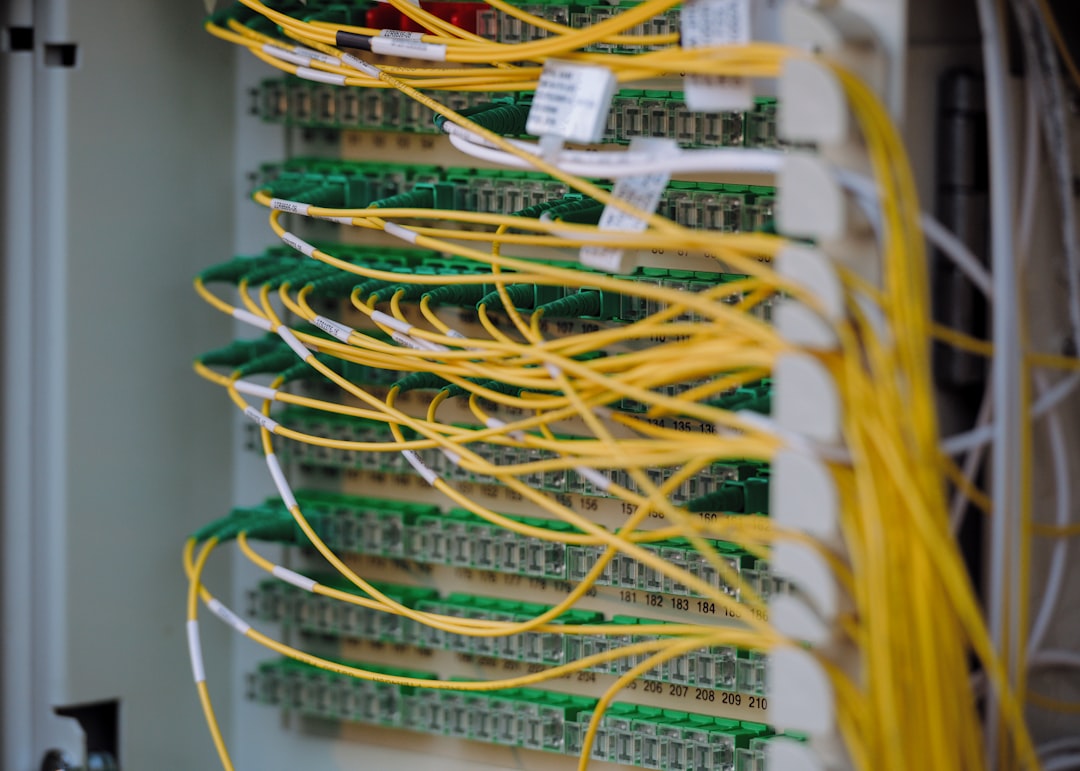
You’re standing at a crossroads. Your data center, once a powerhouse of innovation, is now showing its age. The humming servers, the whirring fans – they’re a testament to your past successes, but they’re also a stark reminder of an impending challenge: the data center grid upgrade. This isn’t a task you can delegate or delay indefinitely. It’s a fundamental necessity for maintaining performance, ensuring reliability, and staying competitive. But the sheer scale of such an undertaking can be daunting, and the most immediate concern that looms large is the cost. You need to understand exactly what you’re getting into.
This article will guide you through the labyrinth of data center grid upgrade costs, equipping you with the knowledge to anticipate, budget, and ultimately, make informed decisions. We’ll break down the various components, explore the factors that influence pricing, and offer strategies for managing these expenses effectively. Consider this your roadmap to navigating the financial complexities of ensuring your data center’s future.
Before you can even begin to think about dollars and cents, you must grasp the critical role your data center’s electrical grid plays. It’s the lifeblood of your entire operation. A robust, reliable, and scalable power infrastructure isn’t a luxury; it’s a non-negotiable prerequisite for delivering the services your business depends on. When you talk about a data center grid upgrade, you’re talking about ensuring that the electricity flowing into your facility can consistently meet the ever-increasing demands of your IT equipment.
Understanding the Core Components of Your Data Center Grid
To understand the costs, you first need to understand what constitutes the grid. It’s more than just plugging devices into the wall.
Power Supply and Distribution
This is the most visible and arguably the most expensive part of your grid. It encompasses everything from the utility connection point to the individual power distribution units (PDUs) within your server racks.
Utility Feeders and Substations
Your connection to the power grid is paramount. The capacity and reliability of the utility feed directly impact your upgrade needs.
Single vs. Redundant Feeds
Are you currently relying on a single power feed from the utility? If so, an upgrade will almost certainly involve establishing a redundant feed. This means procuring additional infrastructure from the utility company, which can be a significant upfront cost. The negotiation with the utility provider for new connections, transformer upgrades, and the necessary civil works (trenching, conduit installation) will be a major line item. You’ll need to consider the distance to the nearest substation and the existing capacity of their infrastructure.
Transformer Capacity
The transformers that step down the high-voltage utility power to a usable voltage for your facility are critical. As your power demands increase, you may need to upgrade existing transformers or install new ones. The size and number of transformers required will be directly proportional to your projected power load. This includes not just current needs but also future growth potential.
Uninterruptible Power Supply (UPS) Systems
These are your shock absorbers. UPS systems provide a buffer against short-term power fluctuations and outages, giving your generators time to kick in.
Battery Technologies and Lifecycles
The type of battery technology (e.g., lead-acid, lithium-ion) will significantly influence the initial cost and the long-term operational expenses due to replacement cycles. Lithium-ion batteries, while more expensive upfront, often offer longer lifespans and better performance. You’ll need to factor in the cost of replacing these batteries every few years, depending on their technology and usage.
Scalability and Modularity
Modern UPS systems are often designed with modularity in mind, allowing you to scale capacity as needed. While this can reduce upfront investment, you need to ensure the chosen system can grow with your demands. The cost will be associated with purchasing additional battery modules and potentially power modules as your power requirements increase.
Runtime Requirements
The longer you need your UPS to sustain your IT load during an outage, the larger and more expensive the system will be. This is a crucial factor in determining the overall UPS cost. You’ll need to meticulously calculate the critical load (servers, networking gear, essential cooling) and the desired runtime to size your UPS correctly. Longer runtimes translate to more battery capacity and thus, higher costs.
Standby Generators
These are your ultimate safety net, providing power during extended utility outages.
Fuel Type and Capacity
The type of fuel (diesel, natural gas) and the required capacity of the generators will heavily influence their price. Diesel generators are common, but their cost is tied to the size and number of engines. Natural gas generators can be more cost-effective to run but require a reliable gas supply.
Generator Sizing and Redundancy
Proper generator sizing is critical. Undersizing means a risk of cascading failures, while oversizing leads to unnecessary capital expenditure. You’ll also need to consider redundancy, with N+1 or 2N configurations adding to the cost but significantly improving reliability. The cost of the generator itself is only part of the equation; you also need to account for fuel tanks, automatic transfer switches (ATS), and exhaust systems.
Maintenance and Fuel Costs
Don’t forget the ongoing costs of fuel, regular maintenance, and load testing. These recurring expenses need to be factored into your total cost of ownership analysis. The price of diesel fuel can fluctuate, impacting your operational budget. Regular maintenance, including oil changes, filter replacements, and load bank testing, is essential for ensuring your generators are ready when you need them.
The Evolution of Power Demands: Why Upgrades Are Inevitable
Your data center isn’t static. The demand for power is a constantly moving target.
Increasing Server Density and Power Consumption
Modern servers are more powerful than ever, packing more processing capability into smaller footprints. This translates to higher power consumption per rack and, consequently, per square foot.
Blade Servers and High-Performance Computing (HPC)
If you’re moving towards blade servers or implementing HPC clusters, you’re looking at significantly higher power densities. These configurations require more robust power distribution and cooling solutions. The initial investment in these technologies is already substantial; the grid upgrade to support them is an added, and often underestimated, cost.
Power Per Rack Requirements
You need to understand the power requirements per rack. If your current infrastructure is designed for 5kW per rack and you’re now installing equipment that demands 15kW or more, a substantial upgrade is unavoidable. This means upgrading your PDUs, circuit breakers, and potentially even the sub-panels feeding those racks.
Expansion and New Technologies
As your business grows, so does the need for additional IT capacity. New technologies, such as AI and machine learning, often demand even more power.
Building Out New Data Halls
If you’re expanding your data center by building new data halls, you’re essentially creating a new power island that needs to be connected to your main grid. This involves extensive new infrastructure. The cost here will include not only the electrical components but also the construction, cabling, and containment required to house them.
Migrating to Higher Power Density Racks
When you install new racks that are designed for higher power densities, you need to ensure the underlying infrastructure can support them. This might involve upgrading your entire power distribution path from the main switchgear down to the PDU.
When considering the complexities of data center grid upgrade costs, it’s essential to explore related financial implications and strategies for managing these expenses. A valuable resource that delves deeper into the financial aspects of data center operations is an article found at How Wealth Grows. This article provides insights into optimizing investments in technology infrastructure, which can be crucial for organizations planning significant upgrades to their data center grids.
Decoding the Price Tag: Key Cost Drivers
Now that you understand the components, let’s delve into what actually drives the price of these upgrades. It’s not a one-size-fits-all scenario.
Infrastructure and Equipment Costs
This is the most direct and often the largest chunk of your budget.
Power Distribution Units (PDUs) and Cabinet Power
The PDUs within your racks are the last point of distribution before power reaches your servers. Upgrading these to higher-capacity units is a common necessity.
Smart PDUs vs. Basic PDUs
Smart PDUs offer remote monitoring and control capabilities, which come at a higher price point but provide valuable insights for power management. The decision between basic and smart PDUs will impact your initial capital expenditure. You’ll need to weigh the cost of smart PDUs against the potential savings from optimized power usage and reduced downtime.
Rack-Level Power Capacity Planning
You must accurately assess the power capacity needed at the rack level. Over-provisioning is wasteful, while under-provisioning leads to performance issues and potential failures. This involves detailed load calculations for each rack, considering current and future IT equipment.
Switchgear, Circuit Breakers, and Busbars
These are the backbone of your power distribution system, ensuring safe and efficient delivery of electricity.
Upsizing Existing Components
Often, you’ll find that existing switchgear and circuit breakers are insufficient for the increased load. Upsizing these components involves significant investment. The cost will be driven by the amperage ratings of the new equipment and the complexity of integration into your existing infrastructure.
Upgrading Busbar Systems
Busbars are conductor bars that distribute power within electrical panels. If your current busbars cannot handle the increased current, they will need to be upgraded or replaced. This is a labor-intensive and potentially disruptive process.
Cabling and Conduit Infrastructure
The electrical cabling that carries power throughout your data center is a critical, and often overlooked, cost.
Increased Wire Gauges and Lengths
Higher power loads require thicker cables (lower gauge) to handle the increased current safely. Longer cable runs can also introduce voltage drop, necessitating even thicker cables. The cost of copper, the primary material for these cables, can fluctuate significantly.
Conduit and Tray Systems
The infrastructure that supports and protects your cabling – conduit, cable trays, and raceways – may also need to be upgraded or expanded to accommodate new, larger cables. The installation of these systems involves labor and materials.
Labor and Installation Costs
Don’t underestimate the human element. Skilled labor is essential for a successful upgrade.
Certified Electricians and Technicians
Specialized electricians and technicians with data center experience are crucial for performing the work safely and correctly. Their rates can be higher than general electricians.
Specialized Skills for Data Center Environments
Working within a live data center requires a specific skill set, including understanding of critical infrastructure, safety protocols, and minimizing downtime. This specialization commands a premium.
Project Management and Coordination
Effective project management is vital to ensure the upgrade is completed on time and within budget. This includes coordinating schedules, managing vendors, and overseeing the installation process. The cost of a dedicated project manager, or the internal resources allocated to this role, should be factored in.
Downtime and Business Interruption
The most significant indirect cost can be the loss of revenue and productivity due to planned or unplanned downtime during the upgrade.
Scheduled Maintenance Windows
Minimizing downtime often involves performing work during scheduled maintenance windows, which may occur during off-peak hours, incurring overtime labor costs.
Business Continuity Planning and Mitigation Strategies
You’ll need to invest in business continuity plans, potentially including temporary power solutions or redundant systems, to mitigate the impact of any disruptions. The cost of these strategies needs to be weighed against the potential losses from downtime.
Design, Engineering, and Consulting Fees
Professional expertise is essential for a well-planned and executed upgrade.
Electrical Engineering Consultants
Hiring experienced electrical engineers to design the upgrade ensures that all requirements are met and that the system is efficient and compliant with regulations.
Load Calculations and System Design
Engineers will perform detailed load calculations to determine your precise power needs, design the optimal system architecture, and select the appropriate equipment. This proactive approach prevents costly mistakes down the line.
Compliance and Regulatory Adherence
Engineers will ensure your upgrade meets all relevant electrical codes, industry standards (e.g., TIA-942, Uptime Institute), and local regulations. Non-compliance can lead to fines and safety hazards.
Commissioning and Testing
Thorough commissioning and testing are vital to verify that the new infrastructure performs as designed before going live.
Verification of Power Flows and Load Balancing
This involves meticulously testing all aspects of the new grid, from utility feeds to individual rack PDUs, ensuring proper power flow and balanced loads.
Performance and Reliability Testing
Testing under various load conditions and simulated failure scenarios will confirm the reliability and resilience of your upgraded grid. This is where you catch potential issues before they impact your operations.
Quantifying the Investment: Budgeting Strategies
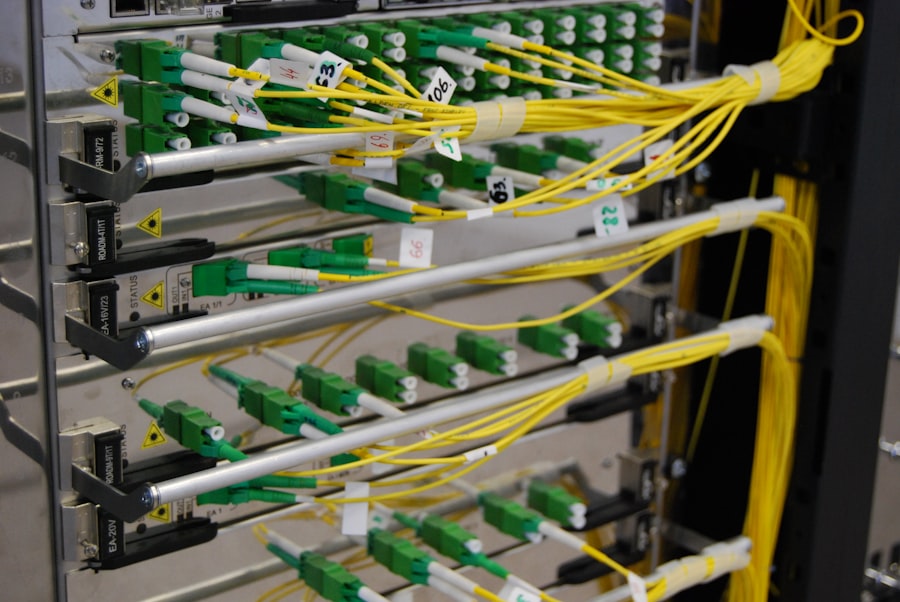
You can’t budget effectively without a clear understanding of the numbers. Here’s how to approach it.
The Request for Proposal (RFP) Process
A well-structured RFP is your key to getting accurate quotes from vendors.
Defining Your Requirements Clearly
Your RFP must clearly outline your current infrastructure, projected power needs, desired uptime levels, and any specific technological preferences. The more precise you are, the more accurate your bids will be.
Specifying Power Density and Future Growth
Be explicit about your power density requirements per rack and your anticipated growth over the next 5-10 years. This allows vendors to propose scalable solutions.
Redundancy Levels (N, N+1, 2N)
Clearly state your required redundancy levels for critical components like UPS and generators. This will significantly impact the cost.
Evaluating Vendor Proposals
Don’t just look at the bottom line. Consider the vendor’s experience, reputation, and proposed solution.
Comparing Apples to Apples
Ensure all proposals are based on the same set of requirements to facilitate a fair comparison. Look for detailed breakdowns of costs, including equipment, labor, and any recurring charges.
Assessing Long-Term Value vs. Initial Cost
Consider the total cost of ownership, including maintenance, energy efficiency, and potential for future upgrades, rather than just the upfront price. A slightly more expensive but more efficient and reliable solution can save you money in the long run.
Capital Expenditure (CapEx) vs. Operational Expenditure (OpEx)
Understand the different financial models for your upgrade.
Upfront Capital Investment
This includes the purchase of new equipment, installation labor, and design fees.
Financing Options and Depreciation
Explore financing options such as loans or leases. Understand how capital expenditures can be depreciated for tax purposes.
Return on Investment (ROI) Calculations
Calculate the potential ROI by factoring in avoided downtime, improved efficiency, and enhanced reliability.
Ongoing Operational Costs
This includes maintenance, energy consumption, and potential for future component replacements.
Service Level Agreements (SLAs) and Maintenance Contracts
Factor in the cost of ongoing maintenance contracts and SLAs to ensure continued support and timely repairs.
Energy Efficiency Considerations
A more energy-efficient grid can lead to significant savings on electricity bills over time. Consider the long-term impact of your choices on your operational expenditure.
Contingency Planning and Budget Buffers
No project is perfect. Always plan for the unexpected.
Unforeseen Issues During Installation
Unexpected site conditions or equipment compatibility issues can arise during installation.
Buffer for Scope Creep
Clearly define the scope of the project to avoid “scope creep,” where additional requirements are added during the upgrade process, driving up costs.
Emergency Repair and Replacement Funds
Allocate a portion of your budget for unforeseen emergencies that may require immediate repairs or replacements.
Strategies for Cost Optimization
While essential, upgrades don’t have to break the bank. Here are some ways to keep costs in check.
Phased Upgrades and Incremental Investments
You don’t always have to do everything at once.
Prioritizing Critical Infrastructure
Identify the most critical components of your grid that require immediate attention and address those first. This allows you to spread the cost over time.
Addressing Bottlenecks Gradually
Focus on upgrading areas that are currently causing performance bottlenecks or posing the greatest risk.
Modular and Scalable Solutions
Choose equipment that is modular and scalable, allowing you to expand capacity as needed without replacing entire systems.
Leveraging Technology for Efficiency
Modern technology can offer cost savings.
Energy-Efficient Equipment Selection
Opt for energy-efficient UPS systems, power supplies, and cooling solutions to reduce your long-term electricity costs.
Power Monitoring and Management Tools
Implement sophisticated power monitoring tools to identify inefficiencies and optimize power usage. This can reveal areas where you’re over-provisioning or experiencing energy waste.
Automation and Remote Management
Automating certain processes and leveraging remote management capabilities can reduce the need for on-site personnel and associated labor costs.
Negotiating with Vendors and Suppliers
Don’t be afraid to negotiate.
Bulk Purchasing and Long-Term Contracts
Negotiate discounts for bulk purchases of equipment or explore long-term contracts with key suppliers.
Building Strong Vendor Relationships
Cultivating strong relationships with reliable vendors can lead to better pricing and preferential treatment.
Seeking Multiple Bids and Competitive Pricing
Always obtain multiple bids from different vendors to ensure you are getting competitive pricing.
When considering the financial implications of upgrading data center grids, it’s essential to understand the various factors that contribute to overall costs. A related article that delves deeper into this topic can be found at this link, where you can explore insights on budgeting for infrastructure improvements and the long-term benefits of investing in modern technology. By examining these aspects, businesses can make informed decisions that align with their operational goals.
The Future-Proofing Imperative: Investing in Scalability
| Upgrade Component | Cost Explanation |
|---|---|
| New Servers | The cost includes the purchase of new servers with higher processing power and storage capacity to handle increased data loads. |
| Networking Equipment | This covers the cost of upgrading switches, routers, and other networking hardware to support higher data transfer speeds and improve overall network performance. |
| Power Distribution Units (PDUs) | Costs associated with installing new PDUs to ensure reliable power distribution to the upgraded servers and networking equipment. |
| Cooling Systems | Includes the cost of upgrading or adding new cooling systems to maintain optimal operating temperatures for the data center equipment. |
| Installation and Labor | Costs for professional installation and labor to ensure the proper setup and configuration of the upgraded components. |
Your data center grid upgrade is not just about meeting today’s demands; it’s about preparing for tomorrow.
Designing for Future Growth and Flexibility
A forward-thinking design is crucial for long-term cost savings.
Modularity and Scalability in Design
Ensure that the chosen infrastructure is inherently modular and scalable, allowing for easy expansion as your needs evolve.
Anticipating Emerging Technologies
Consider the potential impact of future technologies on power consumption and cooling requirements.
Flexible Power Distribution Architectures
Design your power distribution to be flexible, allowing for easy reconfiguration and adaptation to changing IT loads.
The Importance of Ongoing Maintenance and Lifecycle Management
An upgrade is not a one-time event.
Proactive Maintenance Schedules
Implement a robust proactive maintenance schedule to prevent unexpected failures and extend the lifespan of your equipment.
Lifecycle Planning for Equipment Replacement
Develop a lifecycle plan for your critical infrastructure components, including UPS batteries and generator engines, to ensure timely replacements and avoid costly emergency situations.
Investing in Training for Your Staff
Ensure your IT staff are adequately trained on the new infrastructure to manage it effectively and troubleshoot issues promptly.
Conclusion: A Calculated Investment in Your Digital Future
Understanding data center grid upgrade costs is a complex but essential endeavor. It requires a thorough assessment of your current infrastructure, a clear understanding of your future power demands, and a strategic approach to budgeting and procurement. By breaking down the costs into their constituent parts, exploring various cost drivers, and implementing smart budgeting and optimization strategies, you can navigate this challenge effectively.
Your data center grid is the bedrock of your digital operations. Investing in its upgrade is not merely an expense; it’s a calculated investment in reliability, performance, scalability, and the long-term success of your business. Approach this project with diligence, foresight, and a commitment to understanding every facet of its financial implications, and you’ll ensure your data center remains a powerful engine of innovation for years to come.

Is AI About to Make Your Electric Bill Even Higher?
FAQs
What is a data center grid upgrade?
A data center grid upgrade refers to the process of improving the electrical infrastructure of a data center to meet increased power demands, improve reliability, and enhance energy efficiency.
Why are data center grid upgrades necessary?
Data center grid upgrades are necessary to accommodate the growing power requirements of modern IT equipment, ensure uninterrupted power supply, and comply with industry standards and regulations.
What factors contribute to the costs of data center grid upgrades?
The costs of data center grid upgrades are influenced by factors such as the size of the data center, the complexity of the upgrade, the need for new equipment and technologies, labor costs, and any necessary modifications to the existing infrastructure.
How can data center grid upgrade costs be managed effectively?
Effective management of data center grid upgrade costs involves thorough planning, accurate assessment of power requirements, consideration of energy-efficient technologies, and working with experienced professionals to optimize the upgrade process.
What are the potential benefits of investing in data center grid upgrades?
Investing in data center grid upgrades can result in improved power reliability, reduced energy consumption, lower operational costs, increased capacity for future growth, and enhanced overall performance of the data center.