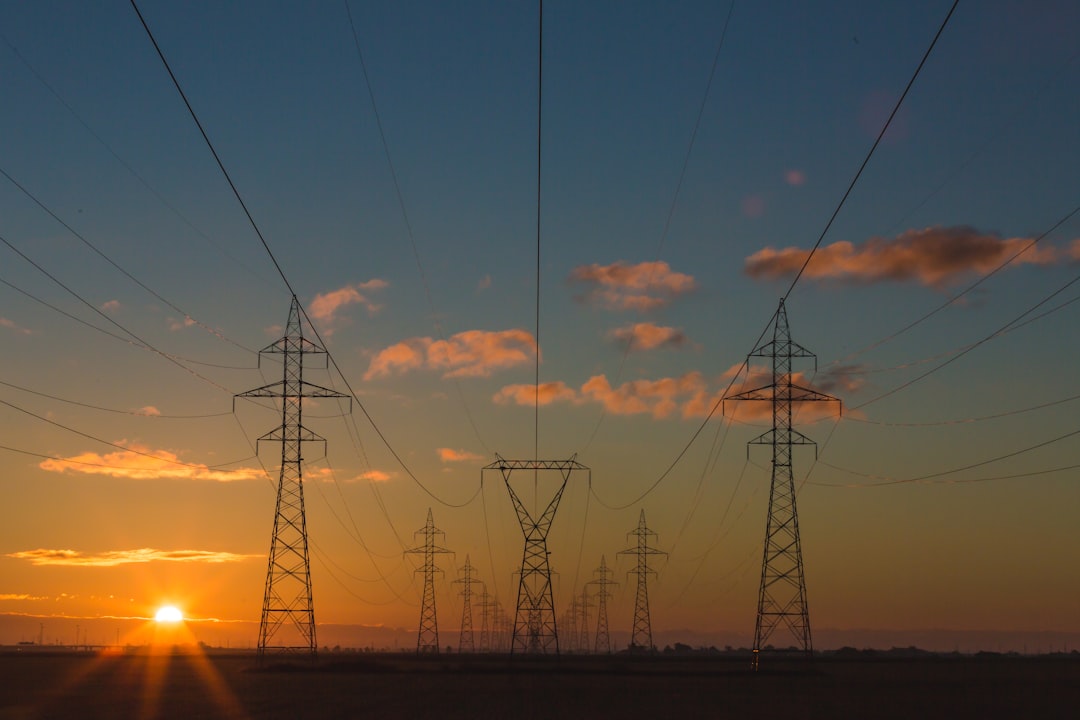
You’re standing in your living room, flipping a light switch. Suddenly, light floods the room. It’s so seamless, so instantaneous, you probably don’t give it a second thought. But behind that flick of a switch lies a vast, intricate network: the electricity transmission infrastructure. It’s the superhighways of the electrical grid, carrying power from where it’s generated – often far away – to your doorstep. But have you ever stopped to wonder, “Who exactly pays for all of this?”
This isn’t a simple question with a single, easy answer. The funding for transmission infrastructure is a complex tapestry woven from various threads, involving different entities, motivations, and regulatory frameworks. You, as a consumer, are ultimately a key part of this payment chain, but the path your money takes is far from direct. Understanding this system is crucial to grasping the economics of your electricity bill and the future of energy in your community and beyond.
Before we dive into who pays, it’s essential to understand what we’re talking about. Transmission infrastructure is more than just the tall, imposing towers you see dotting the landscape or the thick cables they carry. It encompasses a wide range of assets, all designed to efficiently move high-voltage electricity over long distances.
High-Voltage Power Lines: The Backbone of the System
These are the most visible components of the transmission system. Think of them as the interstate highways for electricity. They operate at very high voltages (typically 100 kilovolts or higher) to minimize energy loss over long distances. The engineering involved in designing, constructing, and maintaining these lines is immense, requiring specialized knowledge, heavy equipment, and significant land rights.
Substations: The Interconnectors and Voltage Transformers
Substations are critical nodes within the transmission network. They perform several vital functions. First, they step up the voltage from power plants to transmission levels. Then, as electricity travels, substations can also tap into the lines to supply power to lower-voltage distribution networks that reach individual homes and businesses. They are also where different transmission lines connect, allowing for the rerouting of power and increased grid reliability. These facilities are packed with sophisticated equipment like transformers, circuit breakers, and control systems, all of which come with a hefty price tag.
Right-of-Way and Land Acquisition
For those towering power lines to stretch across the country, land is needed. This involves acquiring rights-of-way (ROW) from landowners, which can be a lengthy and expensive process. These rights allow utility companies to build and maintain transmission lines over private property. The cost of land acquisition, easements, and ongoing land management is a significant portion of the total infrastructure cost.
Control Centers and Communication Systems
Operating a vast and complex transmission grid requires sophisticated oversight. Centralized control centers monitor the flow of electricity in real-time, manage grid stability, and respond to outages or emergencies. This involves advanced software, communication networks, and highly trained personnel. The technology and human resources required for this continuous operation represent another layer of expense.
The question of who pays for new transmission infrastructure is a critical issue in the energy sector, as it impacts both consumers and utility companies. For a deeper understanding of this topic, you can explore a related article that discusses the financial mechanisms and stakeholders involved in funding these essential projects. To read more about it, visit this article.
The Primary Payers: Utilities and Their Ratepayers
At the most fundamental level, the entities that own and operate the transmission infrastructure are typically public utility companies (both investor-owned and publicly owned) and regional transmission organizations (RTOs) or independent system operators (ISOs). And who ultimately funds these entities? You, the electricity consumer.
Investor-Owned Utilities (IOUs): Profit-Driven Entities
Many transmission lines are owned and operated by investor-owned utilities. These are private companies that generate revenue by selling electricity and providing transmission services. Their shareholders invest capital in the company, expecting a return on that investment. When these utilities build new transmission lines or upgrade existing ones, they seek approval from regulatory bodies to recover these costs through electricity rates charged to their customers.
Rate Base and Return on Investment
The core mechanism for IOUs to recover transmission costs is through the rate base. This is the value of the utility’s assets (including transmission infrastructure) that are used to provide service. Regulators determine a “fair rate of return” on this rate base, which is the profit the utility is allowed to earn. The costs associated with building, maintaining, and operating transmission lines are included in the utility’s operating expenses, and these expenses, along with the approved return on investment, are then allocated to the rates you pay.
Regulatory Approval Process
Before an IOU can charge customers for new transmission projects, they must go through a rigorous regulatory approval process. This typically involves filing detailed proposals with state public utility commissions (PUCs) or federal regulators like the Federal Energy Regulatory Commission (FERC). These proposals outline the need for the project, its estimated cost, and how those costs will be recovered. The regulatory body then reviews the proposal, often holding public hearings, to determine if the project is justified and if the proposed cost recovery is reasonable. Your electricity rates are adjusted to reflect the approved costs.
Publicly Owned Utilities: Service-Oriented Entities
In some regions, transmission infrastructure is owned and operated by publicly owned utilities, such as municipal utilities or public utility districts. These entities are typically operated on a non-profit basis, with the primary goal of providing reliable and affordable electricity to their service territory. While they don’t have shareholders seeking profit, they still need to fund their operations and capital investments.
Cost Recovery Through Rates and Bonds
Publicly owned utilities recover their transmission costs through the rates they charge their customers, similar to IOUs. However, their regulatory oversight might be different, often involving elected boards or public bodies. They also frequently use municipal bonds to finance large capital projects like new transmission lines. The interest on these bonds is paid by the utility’s revenues, which are ultimately derived from customer rates.
Regional Transmission Organizations (RTOs) and Independent System Operators (ISOs): Grid Management Hubs
In many parts of the United States and Canada, the bulk electric power system is managed by RTOs or ISOs. These are non-profit entities that operate the transmission grid over a large geographic area, ensuring reliable power delivery and facilitating wholesale electricity markets. While they don’t typically own the transmission lines themselves (which are often still owned by individual utilities within their footprint), they are responsible for planning, coordinating, and overseeing transmission expansion and upgrades.
FERC’s Role in RTO/ISO Cost Allocation
FERC plays a crucial role in regulating RTOs and ISOs. When an RTO/ISO identifies the need for new transmission infrastructure to enhance reliability or enable renewable energy integration, they develop transmission expansion plans. The costs of these approved projects are then allocated to the utilities that benefit from the new infrastructure. FERC establishes cost allocation methodologies that determine how these massive costs are spread across different regions and customer classes within the RTO/ISO’s footprint. This is a complex process that often involves significant debate and negotiation.
The Consumer’s Role: Direct and Indirect Payments
You, the end-user of electricity, are the ultimate source of the funds that build and maintain the transmission infrastructure. While you don’t write a separate check directly to a transmission line construction company, your electricity bill is designed to cover these costs.
The Electricity Bill: A Bundled Cost
Your monthly electricity bill is a composite of various charges, and transmission costs are embedded within it. When you pay your bill to your local utility, a portion of that payment is designated for transmission services. This amount isn’t always explicitly itemized, but it’s a crucial component of your overall energy cost.
Transmission Charges on Your Bill
The specific line item for transmission charges can vary depending on your utility and your region. Sometimes it’s a separate charge, while other times it might be bundled into a broader “delivery” or “distribution” charge. Regardless of how it’s presented, these charges are designed to recover the costs incurred by your utility in accessing and using the high-voltage transmission grid.
Wholesale vs. Retail Rates
It’s important to distinguish between wholesale and retail rates. Utilities purchase electricity at wholesale prices from generators and then sell it at retail prices to consumers. The wholesale price often includes costs for transmission access. Your retail rate, in turn, incorporates these wholesale transmission costs, along with the costs of generation, distribution, and the utility’s own operational expenses.
The Invisible Hand of Regulation and Policy
Government regulation and energy policy play a pivotal role in shaping who pays for transmission infrastructure and how those costs are recovered. These frameworks aim to balance the need for robust infrastructure with the affordability and fairness of electricity prices for consumers.
Federal Energy Regulatory Commission (FERC): The National Watchdog
FERC has broad authority over interstate transmission of electricity. They set the rules for wholesale electricity markets, approve transmission rates for utilities that operate across state lines, and oversee the planning and development of transmission infrastructure that benefits multiple states. FERC’s decisions significantly influence how transmission costs are allocated and recovered.
FERC Order 1000 and Cost Allocation
A landmark example is FERC Order 1000, which aimed to reform transmission planning and cost allocation. It requires RTOs and ISOs to develop processes for regional transmission planning and to establish competitive methods for selecting transmission developers. Crucially, it also requires a transmission cost allocation methodology that spreads costs across beneficiaries, rather than solely burdening the region where the line is built. This promotes a more equitable distribution of costs for projects that benefit multiple states.
State Public Utility Commissions (PUCs): Local Guardians
State PUCs are responsible for regulating investor-owned utilities within their respective states. They approve the rates that utilities can charge their customers, including the portion that covers transmission costs. PUCs review utility proposals for new transmission projects, ensuring they are necessary, cost-effective, and in the public interest. They also have significant influence over how transmission costs are allocated within their state’s boundaries.
Balancing Local Needs with Regional Requirements
PUCs often face the challenge of balancing the needs of their state’s consumers with the broader regional transmission planning initiatives driven by RTOs and ISOs. A project deemed beneficial for the entire region might be perceived as costly for a specific state’s ratepayers, leading to complex negotiations and compromises.
Government Incentives and Subsidies: Driving Specific Investments
Beyond the standard cost recovery mechanisms, governments can also influence transmission infrastructure development through incentives and subsidies. These are often designed to encourage specific types of investments, such as those supporting renewable energy integration or enhancing grid resilience.
Tax Credits and Grants for Transmission Projects
Federal and state governments may offer tax credits or direct grants for certain transmission projects, particularly those that facilitate the connection of renewable energy sources to the grid. These incentives can help reduce the upfront capital costs for developers, making projects more financially viable and ultimately easing the burden on ratepayers.
The ongoing debate about who pays for new transmission infrastructure is crucial for understanding the future of energy distribution. A related article discusses the financial implications and various stakeholders involved in this complex issue. For more insights, you can read the article here, which delves into the economic factors that influence infrastructure investments and the potential impact on consumers and businesses alike.
The Future of Transmission Funding: Evolving Needs and Challenges
| Country | Transmission Infrastructure Funding |
|---|---|
| United States | Transmission infrastructure costs are typically paid for by utilities and ultimately passed on to consumers through transmission fees. |
| Germany | Transmission infrastructure costs are covered by grid operators and are included in the electricity prices paid by consumers. |
| China | Transmission infrastructure funding comes from a combination of government investment, grid operator funds, and electricity consumers. |
The demand for transmission infrastructure is growing rapidly due to several factors, including the increasing integration of renewable energy, the electrification of transportation and industry, and the need for greater grid resilience. This evolving landscape presents new challenges and necessitates innovative approaches to funding.
The Renewable Energy Revolution and Transmission Needs
The shift towards renewable energy sources like solar and wind power creates a significant demand for new transmission infrastructure. These resources are often located in remote areas, far from population centers. Transmitting this intermittent power reliably requires building new transmission lines, often over long distances.
Interconnection Studies and Transmission Upgrades
Connecting new renewable energy projects to the grid involves complex interconnection studies. These studies identify the necessary transmission upgrades and expansions required to accommodate the new generation. The costs of these upgrades are typically borne by the renewable energy developers initially, but these costs are often recouped through the wholesale electricity market, ultimately impacting all consumers.
Grid Modernization and Smart Grid Initiatives
Investing in grid modernization, including smart grid technologies, also requires significant capital. These investments aim to improve grid efficiency, reliability, and security. While the benefits are substantial, the upfront costs need to be financed.
Deferring Capital Costs Through Technology
Smart grid technologies can sometimes help defer the need for costly physical infrastructure upgrades by improving the operational efficiency of existing assets. However, the implementation of these technologies themselves represents a significant investment that needs to be funded.
The Role of Private Investment and Public-Private Partnerships
As the scale of transmission development increases, there is growing interest in leveraging private investment and fostering public-private partnerships. These models can bring new capital and expertise to the table, potentially accelerating project development.
Project Finance and Investment Models
New financing models are emerging, including dedicated transmission investment funds and project finance structures. These approaches aim to attract private capital by providing a predictable return on investment, often through long-term power purchase agreements or regulated rate structures.
Conclusion: A Shared Responsibility for a Connected Future
Ultimately, the question of “Who Pays for Transmission Infrastructure?” leads to a resounding answer: everyone, in various ways, through a complex and interconnected system. As a consumer, you are the ultimate financier, your electricity bill reflecting the cost of these vital energy superhighways. Utilities, RTOs, and regulatory bodies act as intermediaries, managing, planning, and ensuring that these costs are recovered in a manner that is deemed fair and equitable, guided by policy and regulation.
The ongoing expansion and modernization of the transmission grid are essential for a reliable, affordable, and sustainable energy future. As you flip that light switch, remember the immense network of wires, substations, and control systems that make it possible, and understand that your contribution, however indirect, is a crucial part of keeping the lights on and powering your world. The continuous evolution of energy needs and technologies will undoubtedly lead to further innovation in how this critical infrastructure is funded, ensuring that the power keeps flowing for generations to come.
Is AI About to Make Your Electric Bill Even Higher?
FAQs
1. What is transmission infrastructure?
Transmission infrastructure refers to the network of power lines, substations, and other equipment that transports electricity from power plants to distribution systems and ultimately to consumers.
2. Who is responsible for paying for new transmission infrastructure?
The cost of new transmission infrastructure is typically borne by the utility companies, which may pass on some of the costs to consumers through their electricity bills.
3. How are the costs of new transmission infrastructure allocated?
The costs of new transmission infrastructure are often allocated among the utility companies and their customers based on various factors such as usage, distance, and the benefits derived from the new infrastructure.
4. Are there any government incentives or funding for new transmission infrastructure?
In some cases, government incentives or funding may be available to support the development of new transmission infrastructure, particularly for projects that promote renewable energy or improve grid reliability.
5. How does the construction of new transmission infrastructure impact consumers?
The construction of new transmission infrastructure can lead to increased electricity costs for consumers, as the costs of the infrastructure are typically passed on to them through their electricity bills. However, improved infrastructure can also lead to a more reliable and efficient electricity supply.