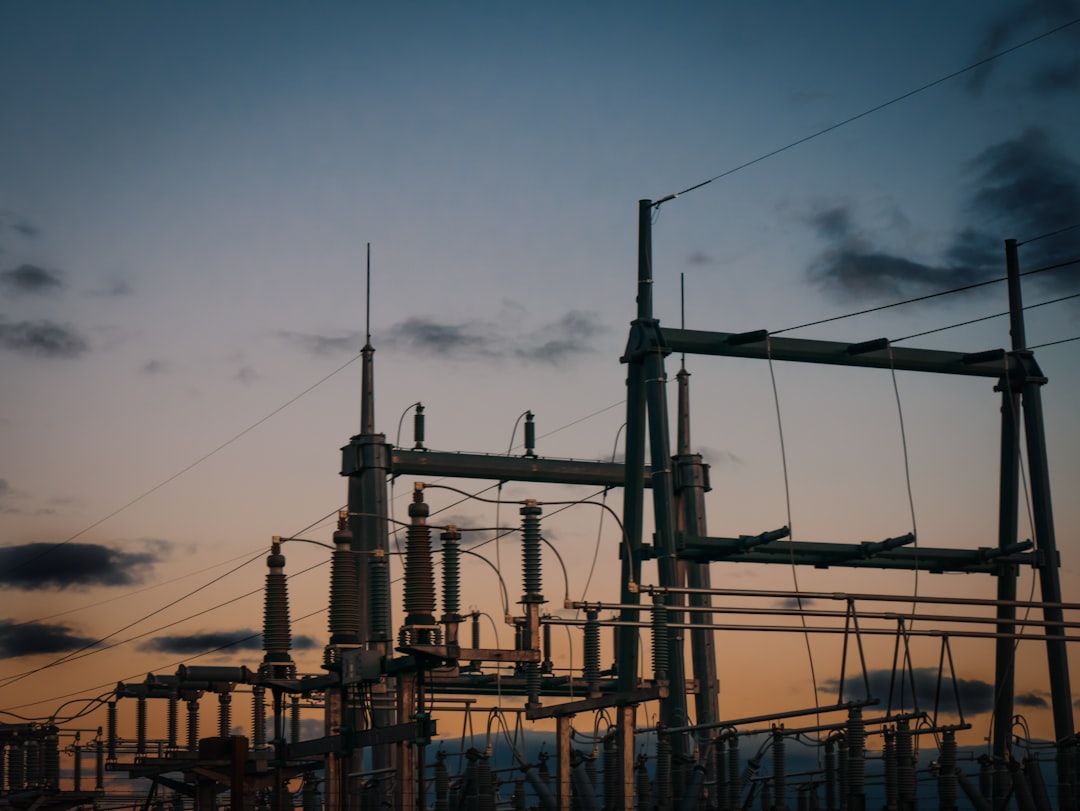
You’re standing on the edge of a city, perhaps one you’ve lived in for years, and you notice it: a colossal structure of concrete, steel, and buzzing transformers. A new electrical substation. It’s a vital piece of infrastructure, humming with the power that lights your home, charges your phone, and keeps your world running. But as you gaze at it, a question might flicker in your mind: who actually pays for this massive undertaking? It’s a complex ecosystem of costs, and understanding it is more than just a financial curiosity; it’s about appreciating the hidden price of your everyday conveniences.
The reality is, there isn’t a single, simple answer to “who pays.” The burden of financing these substantial projects is distributed across a variety of entities, each contributing in different ways, and ultimately, those costs trickle down to you, the consumer. It’s a carefully orchestrated system designed to ensure reliable power delivery, but it’s also a system where the expenses are borne by many hands, from government bodies to private investors, and inevitably, to your electricity bill.
The Initial Investment: Building the Backbone of the Grid
The construction of a new electrical substation is a monumental undertaking, demanding significant upfront capital. Think of it as building a new limb for the sprawling body of the electrical grid. This isn’t a quick fix; it’s a strategic investment in the future of power delivery, often planned years, even decades, in advance. The sheer scale of the project dictates the magnitude of the initial outlay. Everything from land acquisition to the cutting-edge technology housed within the substation requires substantial financial backing.
Land Acquisition and Site Preparation: The Foundation of Power
Before a single wire is strung, the land itself needs to be secured. This can involve purchasing vast tracts of land, often in areas strategically chosen for their proximity to existing transmission lines, new development zones, or areas experiencing increased power demand. The cost of land acquisition varies dramatically depending on location, market conditions, and any existing structures or environmental considerations that need to be addressed.
Eminent Domain and Negotiations
In many cases, utility companies may need to utilize eminent domain, a legal process that allows the government or a private entity to take private property for public use, with just compensation paid to the owner. While this ensures the project can proceed, it involves legal fees, appraisals, and often protracted negotiations to reach a fair settlement. Even without eminent domain, the acquisition process involves extensive due diligence, environmental impact assessments, and legal counsel, all adding to the initial land costs.
Site Development and Environmental Compliance
Once the land is secured, it needs to be prepared. This can involve clearing vegetation, grading the terrain, and ensuring proper drainage. If the site has any environmental concerns, such as contamination, remediation efforts will be necessary, adding another layer of significant expense. Furthermore, stringent environmental regulations must be adhered to throughout the development process, from waste management to noise pollution control, all of which carry associated costs.
Engineering and Design: The Blueprint for Efficiency and Safety
The intricate design of a substation is a complex engineering feat. It requires specialized knowledge to ensure the efficient and safe transmission and distribution of electricity at various voltage levels. This involves detailed planning, architectural drawings, and the selection of appropriate equipment.
Specialized Engineering Firms
Utility companies often contract with highly specialized engineering firms that possess the expertise to design substations. These firms employ a team of electrical engineers, civil engineers, and other professionals who meticulously plan every aspect of the substation, from the layout of transformers and switchgear to the routing of cables and the design of control systems. The fees for these specialized services represent a substantial portion of the initial investment.
Advanced Technology and Equipment Selection
The heart of any substation lies in its advanced technology. This includes high-voltage transformers, circuit breakers, switchgear, protective relays, and sophisticated monitoring and control systems. The procurement of these state-of-the-art components is a major expense. The selection process involves balancing cost with reliability, efficiency, and the projected lifespan of the equipment, ensuring the substation can meet future demand.
Construction and Installation: Bringing the Design to Life
With the land secured and the design finalized, the actual construction and installation phase begins. This is a highly labor-intensive and technically demanding process that involves skilled tradespeople and heavy machinery.
Labor Costs for Skilled Trades
Building a substation requires a diverse range of skilled labor, including electricians, heavy equipment operators, ironworkers, and concrete finishers. The wages for these specialized trades, combined with the need for a large workforce for extended periods, contribute significantly to the overall construction costs. Safety protocols on such high-voltage sites are also paramount, requiring additional training and oversight, which further impacts labor expenses.
Procurement of Materials and Equipment
Beyond the major electrical components, the construction of a substation involves a vast array of materials. This includes concrete for foundations and structures, steel for support towers and enclosures, grounding grids, insulators, conductors, and various smaller electrical components. The cost of these materials fluctuates with market prices, and the sheer volume required can be substantial.
Specialized Construction Equipment
The installation of massive transformers and other heavy equipment necessitates the use of specialized cranes, hauling vehicles, and other heavy machinery. Renting or owning these specialized pieces of equipment, along with the trained operators to run them, adds another significant expense to the construction budget.
When exploring the topic of who pays for new electrical substations, it’s essential to consider the broader implications of infrastructure financing and its impact on consumers. A related article that delves into the financial aspects of energy infrastructure can be found at How Wealth Grows. This resource provides valuable insights into the economic factors influencing energy projects and the responsibilities of various stakeholders in funding these essential facilities.
Who Bears the Brunt? The Stakeholders in Substation Financing
Now that you have a glimpse of the colossal costs involved, let’s delve into the entities that ultimately shoulder this financial responsibility. It’s a shared burden, with different players contributing in distinct ways, and these contributions are often reflected in your monthly electricity bill.
Utility Companies: The Primary Drivers of Investment
As the entities responsible for generating, transmitting, and distributing electricity, utility companies are typically the primary drivers of investment in new substations. They are tasked with ensuring a reliable and robust power supply to their customers, and substations are integral to that mission.
Rate Base and Regulatory Approval
Utility companies operate within a regulated framework. The costs incurred for building and maintaining infrastructure, like substations, are usually recoverable through customer rates. This means that utility companies must seek approval from state public utility commissions (PUCs) or similar regulatory bodies to include these capital expenditures in their “rate base.” The rate base is essentially the value of the utility’s assets upon which it is allowed to earn a reasonable rate of return.
Return on Investment for Shareholders
For investor-owned utilities, substations represent significant capital investments. The regulatory process allows them to recover these costs and earn a return on their investment, which is then distributed to their shareholders. This financial incentive drives the continuous need for upgrades and expansions of the electrical grid to meet growing demand and ensure reliability.
Government and Public Funding: Investing in Public Infrastructure
While private utilities are often at the forefront, government bodies also play a crucial role in financing electrical substations, particularly when they are deemed critical infrastructure or serve a broader public interest. This funding can come in various forms, from direct grants to supporting policies that facilitate investment.
Federal and State Grants for Infrastructure Projects
In certain situations, particularly during periods of economic stimulus or for projects with significant national or regional importance, federal and state governments may offer grants or low-interest loans to utility companies for infrastructure development, including substations. These grants can offset a portion of the project’s cost, making it more financially feasible.
Public-Private Partnerships (PPPs)
Public-private partnerships are becoming increasingly common for large infrastructure projects. In this model, a government entity collaborates with a private company (often the utility) to finance, build, and operate the substation. The government might provide some upfront funding, guarantees, or favorable regulatory treatment, while the private partner handles the majority of the financing and operational responsibilities.
Ratepayers: The Ultimate Consumers of Power
Ultimately, the costs associated with building and maintaining electrical substations are passed on to the consumers of electricity. Every kilowatt-hour you use is implicitly carrying a portion of the investment made in the grid infrastructure that delivers that power to your doorstep.
Capital Recovery Charges on Your Bill
Your monthly electricity bill includes various charges, and a portion of these is dedicated to recovering the capital costs of the utility’s infrastructure. This includes components for depreciation of existing assets and a return on investment for new capital expenditures like substations. These are often presented as “infrastructure charges,” “capital recovery fees,” or simply embedded within the per-kilowatt-hour rate.
Impact of New Substations on Electricity Prices
When a new substation is built, its costs are amortized over its useful life. This means that the expense is spread out over many years, and a portion is added to the rates charged to customers. The scale of the substation and its associated costs will directly influence the magnitude of any potential increase in your electricity rates. While the increase per customer might seem small, when multiplied across millions of customers, it aggregates to cover the substantial project expenses.
The Economic Landscape: Factors Influencing Costs
The cost of building a new electrical substation is not static. It’s a dynamic figure influenced by a multitude of economic factors, from the cost of raw materials to the prevailing interest rates. Understanding these influences provides a clearer picture of why substation projects can vary so dramatically in price.
Market Prices for Raw Materials and Components
The prices of essential materials like copper, steel, aluminum, and specialized electronic components are subject to global market fluctuations. Supply chain disruptions, geopolitical events, and increased demand for these materials can all drive up the cost of substation construction.
Copper and Aluminum for Conductors and Transformers
Copper and aluminum are fundamental to the electrical grid, used extensively in conductors and transformer windings. Their prices are particularly volatile and significantly impact the overall cost of substations. A surge in the price of these metals can add millions of dollars to a project’s budget.
Steel for Structures and Equipment Housings
Steel is another critical material, used for the physical structures that support equipment, enclosures, and other parts of the substation. Fluctuations in the global steel market directly affect construction expenses.
Inflation and Labor Costs
General inflation impacts the cost of everything, including labor and materials. As the cost of living rises, so do wages for skilled tradespeople. Furthermore, a high demand for construction services can also lead to increased labor costs.
Wage Increases for Skilled Trades
The specialized nature of substation construction means that skilled labor is in high demand. As inflation and the general cost of living rise, the wages for these highly trained professionals will also increase, contributing to higher project costs.
Supply Chain Dynamics and Material Availability
Beyond just market prices, the availability of raw materials and manufactured components is crucial. Supply chain bottlenecks, trade tariffs, and manufacturing capacity limitations can all lead to delays and increased costs. If a critical component is scarce, its price will likely escalate, and the project timeline could be extended, further adding to expenses.
Interest Rates and Financing Costs
Since substations are massive capital investments, financing plays a significant role in their ultimate cost. The interest rates at which utility companies or financing bodies can borrow money directly impact the total expenditure.
Cost of Debt Financing for Utilities
Utility companies often finance large capital projects through debt. The prevailing interest rates at the time of borrowing directly influence the cost of servicing that debt over the life of the substation. Higher interest rates mean a greater total expense for the project.
Investor Expectations and Return on Equity
For investor-owned utilities, the cost of equity capital is also a factor. Investors expect a certain rate of return on their investment in the utility. These expectations, influenced by market conditions and perceived risk, indirectly contribute to the overall cost of financing infrastructure projects.
The Ongoing Expenses: Beyond the Initial Construction
The cost of a substation doesn’t end with its ribbon-cutting ceremony. These massive facilities require continuous maintenance, upgrades, and operational oversight to ensure they function reliably and safely. These ongoing expenses are also factored into the rates you pay.
Maintenance and Repairs: Keeping the Power Flowing
Substations are complex machines that operate under immense stress. Regular maintenance is essential to prevent breakdowns and ensure longevity. This includes scheduled inspections, lubrication, cleaning, and the replacement of worn-out components.
Preventative Maintenance Programs
Utility companies implement rigorous preventative maintenance programs to identify potential issues before they lead to failures. This involves routine checks of transformers, switchgear, protective relays, and the overall physical integrity of the substation. The labor and materials associated with these programs are a recurring cost.
Emergency Repairs and Unexpected Failures
Despite the best preventative measures, unexpected failures can occur. When a component fails, rapid and often expensive repairs are necessary to restore power and prevent widespread outages. These emergency repair costs, including overtime for specialized crews and expedited shipping of replacement parts, can be substantial.
Upgrades and Modernization: Adapting to Future Needs
The electrical grid is not static. It must constantly adapt to changing demands, new technologies, and evolving environmental standards. Substations often require upgrades and modernization throughout their lifespan.
Capacity Expansion to Meet Growing Demand
As populations grow and energy consumption increases (think electric vehicles and renewable energy integration), substations may need to be expanded or upgraded to handle higher power loads. This can involve adding new transformers, switchgear, or even expanding the physical footprint of the facility.
Integration of New Technologies and Smart Grid Features
The transition to a “smart grid” involves integrating advanced technologies for better monitoring, control, and efficiency. This might include digital sensors, advanced communication systems, and automation features, all of which require upgrades to existing substations or the incorporation of these technologies into new ones.
Operational Costs: Staffing and Monitoring
Substations require dedicated staff to monitor their operations, respond to alarms, and manage the flow of electricity. This includes highly trained technicians and engineers who ensure the safe and efficient functioning of the facility.
Skilled Personnel for Operation and Monitoring
Operating a substation requires a specialized workforce. These individuals are responsible for a range of tasks, from routine checks and troubleshooting to complex switching operations and responding to grid disturbances. The salaries and benefits for these skilled personnel are a consistent operational expense.
Cybersecurity and Data Management
In today’s digital age, substations are increasingly connected to sophisticated control systems. This necessitates robust cybersecurity measures to protect against cyber threats that could disrupt power delivery. The costs associated with implementing and maintaining these cybersecurity protocols, along with data management and analytics, are becoming an increasingly significant operational expense.
When considering the financial implications of new electrical substations, it’s essential to understand the various stakeholders involved in funding these projects. A related article that delves deeper into this topic can be found here, where it discusses how utility companies, government agencies, and consumers all play a role in the costs associated with infrastructure development. This comprehensive overview sheds light on the complexities of financing and the impact on energy prices for end-users.
The Ripple Effect: How Your Bill Reflects Substation Costs
The most direct and tangible way you experience the cost of new electrical substations is through your electricity bill. It’s a complex calculation, but the principle is straightforward: the costs of building and maintaining the infrastructure that delivers your power are ultimately passed on to you.
Understanding Your Electricity Bill Components
Your electricity bill is more than just a number for kilowatt-hours consumed. It’s an itemized reflection of the various costs incurred by the utility company. Familiarizing yourself with these components can demystify the process of how substation costs are incorporated.
Generation, Transmission, and Distribution Charges
Typically, your bill will break down charges into generation (the cost of producing electricity), transmission (the cost of moving electricity over long distances via high-voltage lines), and distribution (the cost of delivering electricity from substations to your home or business via lower-voltage lines). Substation costs are largely embedded within the transmission and distribution components.
Fixed Charges and Variable Rates
Some charges on your bill might be fixed, regardless of your energy consumption (e.g., customer service charges), while others are variable, directly proportional to your energy usage (e.g., per-kilowatt-hour rates). Capital recovery for substations is usually factored into the variable rates, meaning the more electricity you use, the more you contribute to recouping those infrastructure investments over time.
The Long-Term Value Proposition: Why You Pay
While the immediate impact of a new substation might be a slight increase in your electricity bill, it’s essential to consider the long-term value proposition. These investments are not arbitrary expenses; they are crucial for ensuring the continued reliability, safety, and capacity of the electrical grid.
Ensuring Reliable Power Supply and Preventing Outages
A new or upgraded substation directly contributes to a more robust and reliable power supply. By replacing aging infrastructure or increasing capacity in a growing area, these projects minimize the risk of blackouts and brownouts, which can be far more costly in terms of economic disruption and inconvenience than the incremental increase on your bill.
Supporting Economic Growth and Future Development
A modern and capable electrical grid is a prerequisite for economic growth. New substations can support the expansion of businesses, the development of new housing, and the adoption of technologies like electric vehicles, all of which contribute to a thriving community. The investment in substations is an investment in the future prosperity of your region.
Facilitating Renewable Energy Integration
As the world transitions towards cleaner energy sources, substations play a critical role in integrating renewable energy like solar and wind power into the grid. These facilities help manage the variable nature of renewable generation and ensure that power can be delivered efficiently and reliably to consumers. The costs associated with these integrations are a necessary step towards a sustainable energy future.
In conclusion, the question of “who pays for new electrical substations” doesn’t have a single, simple answer. It’s a shared responsibility, a complex interplay of financial contributions from utility companies, government entities, and ultimately, the consumers of electricity. While the costs are significant, they are essential investments in the backbone of our modern society, ensuring the power that lights our lives continues to flow reliably, safely, and efficiently for generations to come. The humming of that colossal structure on the edge of town is the sound of progress, and its financing is a testament to the collective effort required to power our world.
Is AI About to Make Your Electric Bill Even Higher?
FAQs
1. What is an electrical substation?
An electrical substation is a part of an electrical generation, transmission, and distribution system. It is used to transform voltage from high to low, or the reverse, or perform any of several other important functions.
2. Who is responsible for building new electrical substations?
The responsibility for building new electrical substations typically falls on the utility company that owns and operates the electrical grid in a specific area.
3. Who pays for the construction of new electrical substations?
The cost of constructing new electrical substations is typically covered by the utility company. This cost may be factored into the overall expenses of maintaining and upgrading the electrical grid.
4. Are there any other parties that may contribute to the cost of new electrical substations?
In some cases, government agencies or other stakeholders may contribute to the cost of new electrical substations, especially if the substations are part of a larger infrastructure project or serve a public interest.
5. How are the costs of new electrical substations distributed among consumers?
The costs of constructing new electrical substations are typically factored into the rates that consumers pay for electricity. The utility company may seek approval from regulatory agencies to include these costs in their rate structures.