You’re standing at the precipice of a monumental shift in how you power your world, and much of it is happening invisibly, driven by the insatiable appetite of your digital life. The data center, once a niche concern for tech giants, has exploded into a colossus, and its hunger for electricity is reshaping the energy landscape of the United States in ways you might not have fully grasped. You might picture the internet as an ethereal cloud, but that cloud has a very real, very demanding physical infrastructure at its core, and that infrastructure is straining your power grids.
You rely on the cloud for everything these days, don’t you? From streaming your favorite shows and working remotely to managing your finances and engaging with social media, your digital footprint is vast. Behind every click, every download, every uploaded photo, lies a data center. These are not mere server rooms; they are vast complexes housing thousands upon thousands of powerful computers, constantly running, processing, and storing the information that fuels your modern life.
What Exactly is a Data Center?
Think of a data center as a highly specialized, secure, and ultra-reliable building designed to house and operate a company’s critical IT infrastructure. This includes servers, storage systems, networking equipment, and the robust power and cooling systems required to keep it all running 24/7. They are the backbone of the internet, cloud computing services, and a vast array of business operations. Your access to information, your ability to communicate instantaneously, and the very fabric of the digital economy depend on their tireless operation.
The Scale of the Operation
The sheer scale of these facilities is often underestimated. We’re not talking about a few racks of computers in a back office. Modern data centers are massive campuses, some spanning millions of square feet and housing tens of thousands of servers. Each server consumes a significant amount of electricity, and when you multiply that by tens of thousands, the numbers become staggering. Moreover, these servers generate an immense amount of heat, necessitating equally massive cooling systems, which themselves are energy-intensive.
Why the Demand is Surging Now
Several factors are converging to create this unprecedented surge in data center electricity demand. You’re experiencing a digital transformation across all sectors of society, accelerated by the pandemic. Businesses are migrating their operations to the cloud, consumers are demanding richer, more interactive digital experiences, and emerging technologies like artificial intelligence (AI) and machine learning (ML) are proving to be incredibly computationally intensive. AI, in particular, requires massive amounts of processing power, and thus, massive amounts of electricity.
As the demand for electricity in the United States continues to surge, particularly due to the rapid expansion of data centers, it is essential to understand the implications of this trend on energy consumption and sustainability. A related article discusses the factors driving this increase and explores potential solutions to mitigate the environmental impact. For more insights, you can read the full article at How Wealth Grows.
The Insatiable Appetite of AI and Machine Learning
You’re hearing a lot about artificial intelligence, aren’t you? From generative AI that can write poetry to sophisticated algorithms that power autonomous vehicles, AI is no longer a futuristic concept; it’s a present reality. And this reality is an electricity guzzler. The training of these complex AI models, which involves sifting through and analyzing enormous datasets, is a computationally demanding process that requires specialized hardware like GPUs (Graphics Processing Units) – which are far more energy-hungry than traditional CPUs.
The Power Needs of AI Training
Imagine teaching a computer to recognize a cat. You’d need to show it millions of cat images. Each image needs to be processed, analyzed, and compared against its existing knowledge base. This iterative process of learning and refinement is what “training” an AI model entails. For large language models, like the one you’re interacting with right now, the scale of data and computation is exponentially larger. This means not just more servers, but more powerful, more energy-intensive servers, running for extended periods.
Inference: The Ongoing Energy Cost
Once an AI model is trained, it still needs to operate and provide its services. This ongoing process, known as “inference,” also consumes electricity, though typically less than training. However, as AI becomes integrated into more applications and used more frequently, the cumulative energy demand for inference becomes significant. Think of every time you ask a virtual assistant a question, get a personalized recommendation, or have an image processed by AI – each of these “inferences” draws power.
The Race for AI Supremacy and its Energy Footprint
The global race to develop and deploy cutting-edge AI technologies is a major driver of data center expansion. Companies are investing heavily in building and scaling their AI infrastructure to gain a competitive edge. This investment translates directly into a demand for more servers, more cooling, and consequently, more electricity. The quest for AI supremacy is, in essence, a quest for more power.
Geographic Shifts and Grid Strain
The surge in data center demand isn’t uniformly distributed across the United States. You’re seeing clusters of these energy-hungry facilities emerge in specific regions, creating localized strains on existing electricity grids. These regions are often chosen for strategic reasons, such as access to abundant and often cheaper electricity, proximity to fiber optic networks, or favorable regulatory environments.
The Lure of Cheap and Abundant Power
When you’re building a facility that will consume megawatts of electricity 24/7, the cost and reliability of that power are paramount. This is why many data centers are being built in areas with ample, affordable electricity, often near hydroelectric dams or in regions with robust renewable energy capacity. However, this concentration can overwhelm local grid infrastructure that wasn’t designed to handle such concentrated loads.
Proximity to Hyperscale Cloud Providers
Hyperscale cloud providers – companies like Amazon Web Services (AWS), Microsoft Azure, and Google Cloud – operate massive networks of data centers. Their customers, in turn, want to be close to these cloud hubs for faster data access and lower latency. This creates a ripple effect, with smaller businesses and enterprises also seeking to establish their infrastructure in proximity to these hyperscale facilities, further concentrating demand.
The Impact on Local Grids
Imagine adding a small city’s worth of electricity demand to a neighborhood that was only built to serve its existing residential and commercial needs. That’s the kind of strain you’re talking about. Local utilities are facing the challenge of upgrading substations, transmission lines, and generation capacity to meet this new, colossal demand. This can lead to increased costs for all ratepayers, potential reliability issues during peak demand, and a significant planning and investment burden for utilities.
The Sustainability Conundrum: Powering the Future Responsibly
You’re increasingly aware of the environmental impact of your energy consumption. Data centers, with their massive electricity needs, present a significant challenge in the quest for a sustainable future. The question is: can you power this digital revolution without exacerbating climate change? This is a complex problem with no easy answers, but one that is driving innovation and policy discussions.
The Carbon Footprint of Data Centers
Historically, data centers have relied heavily on fossil fuels for electricity generation. This has contributed to their significant carbon footprint. As the demand for data center power surges, so does the potential for increased greenhouse gas emissions if the energy sources remain unchanged. This is a critical concern for policymakers, environmental advocates, and the companies themselves.
The Drive Towards Renewable Energy
Recognizing the sustainability challenge, many leading data center operators are making ambitious commitments to power their operations with 100% renewable energy. This is a positive development, as it stimulates investment in solar, wind, and other clean energy sources. You’re seeing power purchase agreements (PPAs) between data center companies and renewable energy developers becoming increasingly common.
Energy Efficiency Innovations
Beyond sourcing renewable energy, there’s a relentless push for greater energy efficiency within data centers. This includes advanced cooling technologies that reduce energy consumption, more efficient server hardware, and sophisticated management systems that optimize power usage. Every watt saved is a watt that doesn’t need to be generated, contributing to both cost savings and environmental benefits.
The Role of Nuclear and Other Low-Carbon Sources
While renewables are a major focus, there’s also growing interest in other low-carbon energy sources to meet the baseload power needs of data centers. This includes discussions around the role of nuclear power, which provides consistent, carbon-free electricity, and advancements in energy storage technologies that can help manage the intermittency of renewables.
As the demand for electricity in the United States continues to rise, largely driven by the proliferation of data centers, it is essential to understand the implications of this surge on the energy landscape. A recent article explores the factors contributing to this increase and highlights the challenges faced by utilities in meeting the growing needs of these facilities. For more insights on this topic, you can read the full article here. The intersection of technology and energy consumption is becoming increasingly critical as we navigate a future that relies heavily on digital infrastructure.
Navigating the Challenges and Charting a Path Forward
“`html
| Year | Electricity Demand (TWh) | Percentage of Total US Electricity Demand |
|---|---|---|
| 2010 | 91 | 1.7% |
| 2014 | 100 | 2% |
| 2018 | 120 | 2.5% |
“`
The surging demand for electricity from data centers is not a problem that will simply disappear. It’s a fundamental shift in your energy landscape that requires proactive planning, significant investment, and collaborative solutions. You are at a crossroads, and the decisions made today will shape your energy future for decades to come.
Regulatory and Policy Considerations
Governments at federal, state, and local levels are grappling with how to regulate and incentivize data center development while ensuring grid reliability and environmental sustainability. This includes policies related to land use, energy procurement, emissions standards, and grid modernization. Your input and awareness are crucial in shaping these policies.
The Importance of Grid Modernization
Your existing electricity grids were not designed for the concentrated, high-demand loads that data centers represent. Significant investment in grid modernization is essential to accommodate this growth. This includes upgrading transmission and distribution infrastructure, deploying smart grid technologies, and improving grid resilience to handle increased demand and potential disruptions.
The Future of Data Center Location and Design
As the demand continues to grow, you’ll likely see a more strategic approach to data center siting. This might involve building in areas with robust renewable energy infrastructure, closer to major population centers to reduce transmission losses, or even exploring offshore or decentralized data center models. Innovation in data center design will also play a crucial role in minimizing their energy footprint.
The Interplay Between Technology and Energy
You are witnessing a profound interplay between technological advancement and energy consumption. The technologies that are driving this data center boom – AI, cloud computing, big data – are also the technologies that can help solve the energy challenges they create. You’re moving towards a future where smart grids, advanced energy management systems, and AI-driven optimization will be critical to balancing demand and supply.
Your digital world is expanding at an unprecedented rate, and the engine powering it – the data center – is demanding more and more electricity. You are not just consumers of technology; you are stakeholders in its energy future. Understanding this surging demand, its implications, and the potential solutions is the first step towards powering your digital lives responsibly and sustainably. The future of your electricity grid, and indeed your digital future, depends on how you navigate this monumental challenge.
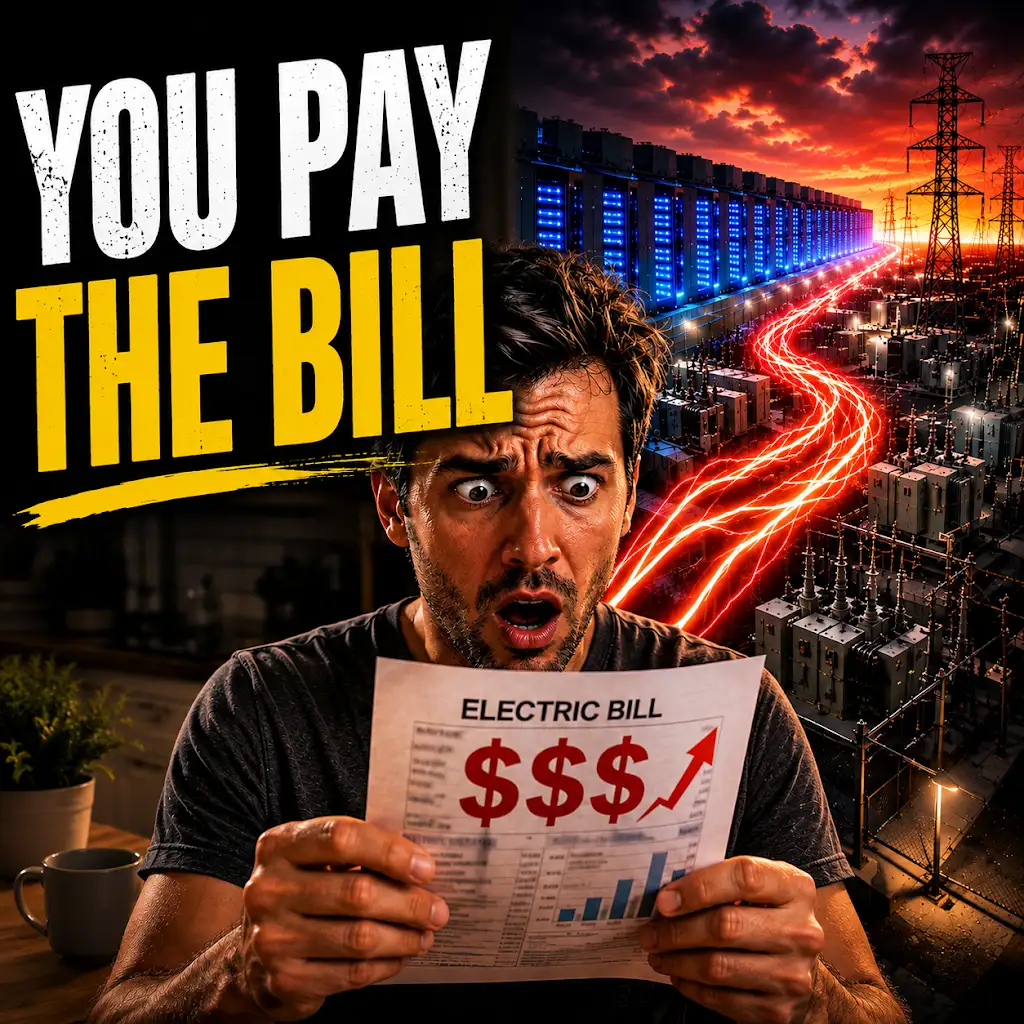
Is AI About to Make Your Electric Bill Even Higher?
FAQs
What is causing the surge in US electricity demand from data centers?
The surge in US electricity demand from data centers is primarily driven by the increasing reliance on digital services, cloud computing, and the growth of data-intensive technologies such as artificial intelligence, machine learning, and big data analytics.
How much of the US electricity demand is attributed to data centers?
Data centers are estimated to account for about 2% of the total US electricity demand, and this percentage is expected to grow as the demand for digital services and data storage continues to increase.
What are the environmental implications of the surge in electricity demand from data centers?
The surge in electricity demand from data centers has raised concerns about its environmental impact, particularly in terms of increased carbon emissions and strain on the power grid. Efforts are being made to improve the energy efficiency of data centers and increase the use of renewable energy sources to mitigate these concerns.
How are data centers addressing the electricity demand surge?
Data centers are implementing various strategies to address the surge in electricity demand, including improving energy efficiency through advanced cooling systems, adopting renewable energy sources, and exploring innovative technologies such as liquid cooling and energy storage solutions.
What are the potential solutions to manage the increasing electricity demand from data centers?
Potential solutions to manage the increasing electricity demand from data centers include investing in advanced power management technologies, optimizing server utilization, implementing demand response programs, and collaborating with utilities to develop sustainable energy solutions.