You’re standing at the precipice of a technological revolution, and its shadow is lengthening across the global energy landscape. Artificial intelligence, once confined to the realm of science fiction, is now an undeniable force, reshaping industries and our daily lives. But this incredible power doesn’t come without a cost, and that cost is increasingly being measured in kilowatt-hours and monetary units. You need to understand the profound impact of AI on energy demand and, consequently, on the electricity prices you pay.
You might think of AI as lines of code, algorithms, and data centers. In reality, it’s a physical infrastructure, and that infrastructure is hungry. The training and deployment of AI models, especially the large language models (LLMs) that are captivating public imagination, require immense computational power. This power is supplied by electricity, and the demand is escalating at an alarming rate.
The Computational Core: Training and Inference Demands
When you interact with an AI – asking a question, generating an image, or receiving a personalized recommendation – you’re engaging in a process called inference. This is when an already trained AI model performs a task. While individual inference requests might seem small, the sheer volume of these interactions across the globe creates a significant, persistent demand for electricity.
The Scale of LLMs: A New Benchmark for Consumption
The most striking example of AI’s energy hunger comes from the training of large language models. Imagine teaching a machine to understand and generate human-like text. This involves feeding it trillions of words and parameters, and having it perform billions of calculations to learn patterns and relationships. This process is incredibly energy-intensive, akin to running a supercomputer for weeks or even months. The more complex the model, the more data it needs to process, and the more energy it consumes. You’re seeing a continuous arms race in model size and capability, directly translating into a corresponding increase in energy demand for training.
The Ubiquity of AI: From Cloud to Edge
AI isn’t just confined to massive cloud data centers. You’re also seeing it deployed at the “edge” – on your smartphones, in your cars, and in smart devices within your homes. While these edge devices consume far less power individually than a data center, their sheer number and the constant processing they perform contribute to a distributed, yet significant, energy demand. Every smart speaker, every AI-powered camera, every algorithm optimizing your commute is pulling its weight in the global energy equation.
Data Centers: The Epicenters of AI’s Energy Needs
Data centers are the physical engines driving AI. These colossal facilities house the servers, processors, and storage systems that power AI operations. Their design, cooling, and operational requirements are all dictated by the need to manage and process vast amounts of data and computational tasks.
The Powering of Servers: CPUs, GPUs, and TPUs
The heart of any data center is its servers, and for AI, these are increasingly specialized. You’re witnessing a massive shift towards Graphics Processing Units (GPUs) and Tensor Processing Units (TPUs), which are far more efficient than traditional Central Processing Units (CPUs) for the parallel processing required by AI. However, these specialized chips are also incredibly power-hungry. Running thousands, or even millions, of these chips simultaneously in a data center creates a massive electricity draw.
The Cooling Conundrum: A Necessary Evil
Keeping these powerful processors from overheating is a critical challenge, and it comes with its own substantial energy overhead. Data centers employ sophisticated cooling systems, often involving vast amounts of water or energy-intensive air conditioning, to maintain optimal operating temperatures. In some cases, the energy required for cooling can be as significant as, or even exceed, the energy used by the servers themselves. You’re beginning to see innovation in cooling technologies, but for now, it remains a major factor in the overall energy demand.
As the demand for artificial intelligence continues to surge, its impact on energy consumption and electricity prices has become a pressing concern for policymakers and consumers alike. A related article discusses the intricate relationship between AI energy demand and the fluctuations in electricity prices, shedding light on the potential challenges and solutions in managing this growing energy appetite. For more insights, you can read the full article here: AI Energy Demand and Electricity Prices.
The Price of Progress: AI’s Impact on Electricity Costs
As the demand for electricity surges due to AI’s insatiable appetite, the fundamental economic principle of supply and demand comes into sharp focus. When demand outstrips supply, prices invariably rise. You’re already starting to see the ripple effects of this on your electricity bills.
Increased Demand, Strained Grids
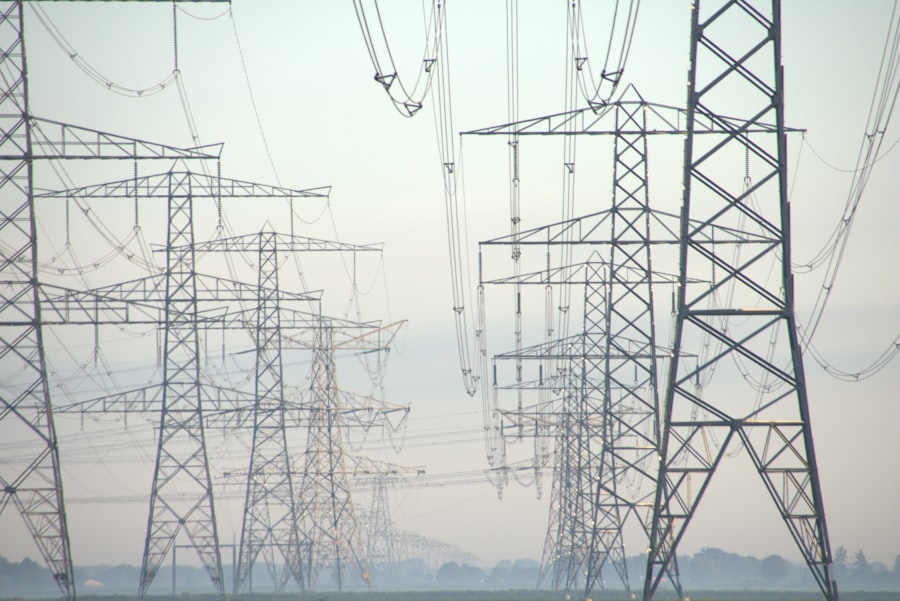
The rapid escalation of AI-related energy consumption places an unprecedented strain on existing electricity grids. These grids were not designed for the concentrated, high-demand loads that AI data centers represent.
Grid Capacity and Bottlenecks
In many regions, the existing grid infrastructure is struggling to keep up. Upgrading and expanding these grids to accommodate new, massive energy consumers like AI facilities is a complex and time-consuming process. This can lead to localized energy shortages or increased reliance on less efficient, peak-demand power generation, both of which drive up costs. You’re seeing utilities and grid operators facing significant challenges in ensuring reliable and affordable electricity for everyone.
The Intermittency Challenge: Integrating Renewables
While there’s a growing push to power AI with renewable energy sources like solar and wind, their intermittent nature presents a challenge. AI’s demand is often constant, not tied to the availability of sunlight or wind. This requires robust energy storage solutions or a continued reliance on dispatchable power sources (like natural gas or even coal in some areas) to ensure a stable supply, which can also influence pricing. You’re in a transition period where the integration of renewables needs to be smart and sophisticated to meet the demanding, continuous needs of AI.
Shifting Energy Markets and Price Volatility
The influx of AI demand is also influencing energy markets, leading to increased price volatility. As more power is consumed, the cost of that power fluctuates more dramatically based on a multitude of factors.
The Role of Peak Demand Charges
Many electricity pricing structures include “peak demand charges,” which are significantly higher during periods of maximum electricity usage. AI data centers, with their constant and high energy needs, can incur substantial peak demand charges, contributing to overall operational costs that are eventually passed on to consumers. You’re likely to see these charges become more prominent as AI adoption grows.
Investment in New Capacity: Who Pays?
The need for new power generation and grid infrastructure to meet AI demand requires massive investment. Whether this investment comes from private companies, government subsidies, or utility rate increases, the ultimate cost will be borne by consumers, including you. You’re facing a scenario where the development of cutting-edge technology necessitates substantial, and potentially long-term, investments in fundamental energy infrastructure.
The Double-Edged Sword: AI’s Potential for Energy Efficiency

While AI is a significant contributor to increased energy demand, it also holds immense potential to reduce energy consumption across various sectors. This creates a complex dynamic where AI can both exacerbate and alleviate energy challenges.
Optimizing Existing Infrastructure
AI’s ability to analyze vast datasets and identify patterns makes it a powerful tool for optimizing the efficiency of existing energy infrastructure.
Smart Grids and Demand Response
You’re seeing the development of “smart grids” that utilize AI to dynamically manage electricity distribution. AI algorithms can predict demand fluctuations, reroute power to areas of need, and even incentivize consumers to shift their energy usage away from peak hours through “demand response” programs. This can lead to a more efficient use of existing resources and a reduction in the need for costly peak generation.
Industrial Process Optimization
Across industries, AI can be deployed to fine-tune complex processes, reducing energy waste. From manufacturing to chemical production, AI can identify inefficiencies, predict equipment failures before they occur (preventing energy-intensive downtime), and optimize energy inputs for maximum output. This can lead to significant energy savings for businesses, which could theoretically be passed on as lower product prices.
AI for Energy Conservation and Resource Management
Beyond infrastructure optimization, AI is also being used to directly promote energy conservation and better resource management.
Smart Buildings and Energy Management Systems
In commercial and residential buildings, AI-powered energy management systems can learn occupancy patterns, adjust lighting and HVAC (heating, ventilation, and air conditioning) systems accordingly, and identify areas of energy leakage. This can lead to substantial reductions in a building’s overall energy consumption. You’re likely to see these systems become increasingly commonplace.
Predictive Maintenance for Energy Equipment
AI can predict when machinery in power plants, transmission lines, and industrial equipment is likely to fail. By scheduling maintenance proactively, companies can avoid costly and energy-intensive emergency repairs, as well as prevent potential outages that could lead to the use of less efficient backup power sources.
The Future of Energy: Navigating the AI Landscape
The relationship between AI and energy is still in its nascent stages, and its future trajectory is complex and uncertain. You need to be aware of the ongoing developments and the choices that will shape this landscape.
The Race for Energy-Efficient AI
Researchers and developers are actively working on creating more energy-efficient AI models and hardware. This includes advancements in algorithmic design, specialized AI chips that consume less power, and more efficient data center architectures.
Hardware Innovation: The Quest for Lower Power Consumption
The development of neuromorphic chips, which mimic the structure and function of the human brain, holds promise for significantly reducing AI’s energy footprint. These chips are designed for more parallel and distributed processing, potentially requiring a fraction of the energy of current AI hardware. You’re witnessing an arms race in silicon innovation, with energy efficiency as a key battleground.
Algorithmic Efficiency: Doing More with Less
Beyond hardware, optimizing the algorithms themselves is crucial. Techniques like model compression, quantization, and knowledge distillation aim to reduce the size and computational requirements of AI models without sacrificing significant performance. This means that future AI applications might achieve similar capabilities with a much smaller energy demand.
Policy and Regulation: Guiding the Transition
The impact of AI on energy demand and prices won’t be solely determined by technological advancements. Government policies and regulations will play a critical role in shaping this future.
Incentivizing Sustainable AI Development
Governments can incentivize the development and deployment of energy-efficient AI through tax breaks, grants for research, and by setting energy performance standards for AI hardware and data centers. You’re likely to see increased focus on these types of policies to mitigate the negative energy impacts of AI.
Carbon Pricing and Energy Taxation
Implementing carbon pricing mechanisms or energy taxes can make the environmental and economic costs of high energy consumption more apparent, encouraging the adoption of more sustainable AI practices. This could also indirectly influence electricity prices by making less efficient energy sources more expensive.
The Consumer’s Role: Informed Choices and Demand Management
Ultimately, you, as a consumer, have a role to play in navigating this evolving landscape.
Understanding Your Energy Footprint
Be aware of how your digital activities, including AI-driven services, contribute to energy demand. While individual actions may seem small, collective awareness can drive change.
Embracing Energy-Efficient Technologies
As AI becomes more integrated into your life, look for products and services that prioritize energy efficiency. This could be anything from choosing an energy-efficient smart home device to being mindful of the energy consumption of the AI tools you use for work or leisure.
As the demand for artificial intelligence continues to surge, its impact on energy consumption and electricity prices becomes increasingly significant. A recent article discusses how the rising energy needs of AI technologies could lead to fluctuations in electricity costs, potentially affecting both consumers and businesses. For more insights on this topic, you can read the full article here. Understanding these dynamics is crucial for navigating the future landscape of energy and technology.
Conclusion: A Balancing Act for a Smarter Future
| Year | AI Energy Demand (TWh) | Electricity Prices (USD/kWh) |
|---|---|---|
| 2015 | 10 | 0.12 |
| 2016 | 15 | 0.11 |
| 2017 | 20 | 0.10 |
| 2018 | 25 | 0.09 |
The rise of AI presents a profound challenge and an extraordinary opportunity for the global energy sector. You’re witnessing a dramatic increase in electricity demand driven by the computational needs of AI, which is placing a strain on existing grids and influencing electricity prices. This surge in demand, however, is being met with AI’s own potential to revolutionize energy efficiency, optimize infrastructure, and promote conservation.
The path forward requires a delicate balancing act. You need to foster innovation in energy-efficient AI hardware and algorithms while simultaneously investing in and upgrading your energy infrastructure. Policy and regulation will be crucial in guiding this transition towards a sustainable and affordable energy future. As consumers, understanding the energy implications of your digital lives and embracing energy-conscious choices will be increasingly important. The future of AI and the future of energy are inextricably linked. By understanding the impact of AI on energy demand and electricity prices, you can better navigate this transformative era and contribute to a smarter, more sustainable world. You are at the forefront of this change, and your awareness and actions will shape its ultimate outcome.

Is AI About to Make Your Electric Bill Even Higher?
FAQs
What is AI energy demand?
AI energy demand refers to the increasing need for energy resources to power artificial intelligence (AI) technologies. As AI becomes more prevalent in various industries, the demand for energy to support the computing power required for AI applications is also growing.
How does AI impact electricity prices?
AI can impact electricity prices in several ways. For example, the increased energy demand from AI technologies can put pressure on electricity supply, potentially leading to higher prices. On the other hand, AI can also be used to optimize energy production and distribution, potentially leading to more efficient and cost-effective electricity prices.
What are the factors contributing to AI energy demand?
Factors contributing to AI energy demand include the growing use of AI technologies in industries such as data centers, manufacturing, transportation, and healthcare. These applications require significant computing power, leading to increased energy consumption.
How can AI help manage energy demand?
AI can help manage energy demand by optimizing energy production and distribution, predicting energy consumption patterns, and identifying opportunities for energy efficiency. AI technologies can also enable smart grid systems that can dynamically adjust energy supply and demand in real time.
What are the potential implications of AI energy demand on the electricity grid?
The potential implications of AI energy demand on the electricity grid include the need for infrastructure upgrades to support increased energy consumption, potential strain on existing energy resources, and the opportunity to leverage AI for more efficient energy management and grid stability.