
The AI Data Center Energy Crisis: What You Need to Know
You’re probably hearing a lot about Artificial Intelligence these days. It’s in the news, it’s powering your favorite apps, and it’s touted as the next big revolution. But behind all that innovation, a silent storm is brewing: the insatiable energy demand of AI data centers. You might not be directly involved in building these colossal facilities, but understanding this energy crisis is crucial for your future.
You might picture data centers as rows of humming servers in a cool, dark room. And while that’s partly true, the scale and complexity of modern AI data centers are unlike anything seen before. These aren’t just for storing cat videos; they are the computational engines that train and run the sophisticated AI models shaping our world.
What Exactly is an AI Data Center?
Think of an AI data center as a brain. A super-powered, incredibly specialized brain that needs immense amounts of energy to function. Unlike traditional data centers that primarily store and process information, AI data centers are optimized for heavy-duty computation. This involves:
The Role of GPUs and Accelerators
The heart of an AI data center lies in its Graphics Processing Units (GPUs) and other specialized AI accelerators. While your gaming PC uses GPUs for rendering graphics, the ones in AI data centers are designed for parallel processing, making them exceptionally good at the complex mathematical operations required for AI training. These chips consume significant power, far more than standard CPUs.
Training vs. Inference
You need to understand the two main phases of AI computation: training and inference.
Training: The Power-Hungry Learner
This is where AI models learn from vast datasets. Imagine teaching a child to recognize a dog by showing them thousands of dog pictures. Training an AI model is similar, but on an astronomical scale. It involves feeding massive amounts of data through billions of parameters, requiring weeks or even months of continuous, high-powered computation. This process is incredibly energy-intensive.
Inference: The Everyday User
Once an AI model is trained, it’s ready to be used for tasks like answering your queries, generating images, or powering self-driving cars. This phase, called inference, generally consumes less energy per query than training. However, with billions of people using AI applications daily, the cumulative energy demand for inference is still substantial and growing rapidly.
The Scale of the Problem: Exponential Growth
You might be thinking, “How much energy are we really talking about?” The numbers are staggering and projected to climb dramatically.
Current Energy Consumption
Estimates vary, but AI data centers are already a significant contributor to global electricity consumption. Some reports suggest they account for several percent of total global electricity use, and this figure is expected to double or even triple in the coming years.
Projections for the Future
The demand for AI is not slowing down. As AI becomes more integrated into every facet of our lives, the need for more powerful and larger data centers will only increase. Projections indicate that by the end of the decade, AI data centers could consume as much electricity as entire countries. This is a stark reality that you need to grasp.
The growing energy demands of AI data centers have raised significant concerns about sustainability and environmental impact. For a deeper understanding of this issue, you can explore the article that delves into the complexities of the AI data center energy crisis and its implications for the future. To read more, visit this article.
The Strain on the Grid: Challenges You’ll Face
This exponential growth in energy demand isn’t without its consequences. You’ll likely experience these effects firsthand, even if you don’t work in the tech industry.
Increased Electricity Bills
As the demand for electricity surges, so too will its cost. You’ll see this reflected in your residential and commercial electricity bills. Utilities will need to invest heavily in expanding their infrastructure to meet this new demand, and those costs will inevitably be passed on to consumers.
Grid Instability and Blackouts
Existing power grids are often not designed to handle such concentrated and sudden spikes in demand. Without significant upgrades, there’s a real risk of grid instability, leading to brownouts or even widespread blackouts. This could disrupt your daily life, from keeping the lights on to powering essential services.
Environmental Impact and Carbon Footprint
The majority of electricity globally is still generated from fossil fuels. When AI data centers draw more power from these sources, their carbon footprint expands significantly. This directly contributes to climate change, a challenge you will undoubtedly face for years to come.
The Water Paradox: Cooling the Beast

It’s not just electricity that AI data centers guzzle. Keeping these powerful machines from overheating is another monumental challenge, and it often involves another vital resource: water.
The Need for Advanced Cooling Systems
The sheer amount of heat generated by thousands of high-performance GPUs and CPUs in an AI data center is immense. Imagine a thousand hair dryers running non-stop in a confined space. To prevent catastrophic failure, sophisticated cooling systems are essential.
Liquid Cooling Solutions
While traditional air cooling was once sufficient, the heat output of modern AI hardware often necessitates liquid cooling. This involves circulating specialized coolants directly through the server racks or even through microchannels within the chips themselves.
Direct-to-Chip Cooling
This advanced method involves bringing the coolant directly into contact with the hottest components, offering the most efficient heat dissipation.
Immersion Cooling
In this approach, entire servers or components are submerged in a non-conductive dielectric fluid. This offers extremely effective cooling and can even allow for quieter operation.
The Water Consumption Dilemma
The process of cooling, especially with large-scale facilities, can be incredibly water-intensive. Many cooling systems rely on evaporative cooling towers, which release water vapor into the atmosphere.
Impact on Local Water Resources
In regions already facing water scarcity, the demand from AI data centers can exacerbate existing problems. This can lead to competition for water resources between industrial users, agriculture, and residential needs, creating significant social and environmental tensions you might witness.
The Search for Sustainable Cooling
You’ll see a growing push for more sustainable cooling methods, including:
Free Cooling and Air-Side Economizers
Utilizing ambient outside air for cooling when temperatures are favorable, reducing reliance on water-intensive methods.
Recirculation and Water Treatment
Implementing advanced water treatment and recirculation systems to minimize water loss and discharge.
Waste Heat Reuse
Exploring opportunities to capture and reuse the waste heat generated by data centers for heating nearby buildings or industrial processes.
The Race for Solutions: What’s Being Done?
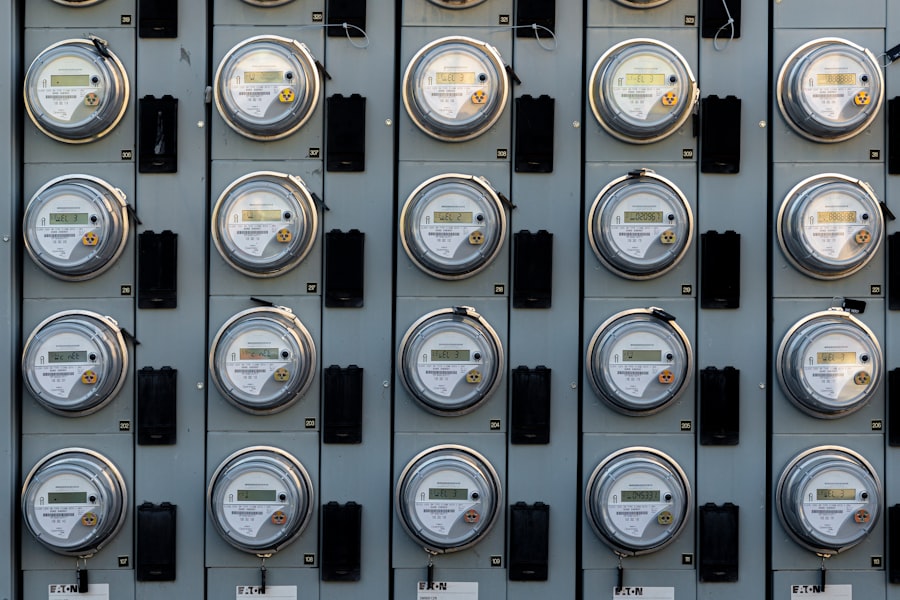
The AI data center energy crisis isn’t being ignored. Industry leaders, researchers, and policymakers are actively seeking solutions. You’ll likely be a beneficiary of these efforts.
Investing in Renewable Energy
The most straightforward solution is to power these energy-hungry facilities with clean, renewable energy sources.
Power Purchase Agreements (PPAs)
Many major tech companies are signing long-term agreements to purchase electricity directly from renewable energy projects like solar and wind farms. This helps finance the development of new clean energy infrastructure.
On-Site Renewable Generation
Some data center operators are exploring building solar panels or other renewable energy sources directly on their properties to supplement their power needs.
Improving Energy Efficiency
Beyond switching to renewables, significant effort is being put into making data centers themselves more energy-efficient.
Hardware Optimization
Manufacturers are developing more energy-efficient GPUs and AI accelerators. This means getting more computational power for the same amount of energy, or even less.
Advanced Data Center Design
New data center designs are incorporating innovative cooling strategies, optimized airflow, and energy-efficient power distribution systems to minimize waste.
AI for Energy Management
Ironically, AI itself is being used to optimize the energy consumption of data centers. AI algorithms can predict workloads, adjust cooling systems dynamically, and manage power distribution to maximize efficiency.
Innovation in Cooling Technologies
As mentioned earlier, the development of water-efficient and energy-saving cooling technologies is a major area of research and development. You’ll see more companies investing in and deploying these innovative solutions.
Policy and Regulation
Governments and regulatory bodies are beginning to play a more active role.
Energy Efficiency Standards
You might see new regulations setting minimum energy efficiency standards for data centers, encouraging them to adopt best practices.
Renewable Energy Mandates
Some regions are implementing mandates for data centers to source a certain percentage of their energy from renewable sources.
Water Usage Restrictions
In water-stressed areas, you might see policies that limit or regulate the water consumption of large industrial facilities like data centers.
The ongoing energy crisis in AI data centers has raised significant concerns about sustainability and efficiency in the tech industry. A related article that delves deeper into the implications of this crisis can be found at How Wealth Grows, where it explores innovative solutions and strategies that companies are adopting to mitigate their energy consumption. Understanding these developments is crucial as we navigate the balance between technological advancement and environmental responsibility.
Your Role in the Future: How You Can Help
| Metrics | Data |
|---|---|
| Energy Consumption | AI data centers consume a significant amount of energy due to the high computational requirements of AI algorithms. |
| Carbon Emissions | The energy consumption of AI data centers contributes to carbon emissions, impacting the environment. |
| Renewable Energy | Efforts are being made to power AI data centers with renewable energy sources to reduce environmental impact. |
| Efficiency Measures | Companies are implementing efficiency measures such as liquid cooling and optimized hardware to reduce energy consumption. |
While you might feel like a passive observer in this evolving landscape, your choices and awareness matter. You have a role to play in navigating this energy crisis.
Supporting Sustainable Technology
Be mindful of the companies and services you support. Companies with a strong commitment to sustainability and renewable energy are more likely to lead the charge towards a greener AI future.
Advocating for Change
Educate yourself and others about the energy challenges posed by AI. Speak up and advocate for policies that promote renewable energy adoption and energy efficiency in the tech sector.
Embracing Energy Conservation in Your Own Life
While the scale of data center energy consumption is massive, every bit of energy conservation counts. By reducing your own energy footprint, you contribute to a larger movement towards a more sustainable energy future.
Understanding the Trade-offs
The development of AI brings immense potential benefits, but it also comes with significant challenges. Being informed about these trade-offs, like the energy crisis, allows you to make more educated decisions and contribute to a more balanced technological future.
The AI data center energy crisis is not a distant problem; it’s a present challenge that will shape your future. By understanding its complexities, the strains it places on our resources, and the innovative solutions being developed, you can become a more informed and engaged participant in building a sustainable AI-powered world. The future of AI depends on our collective ability to manage its energy appetite responsibly.

Is AI About to Make Your Electric Bill Even Higher?
FAQs
What is the AI data center energy crisis?
The AI data center energy crisis refers to the increasing energy consumption of data centers that are used to support artificial intelligence (AI) applications and technologies. As AI continues to advance and become more prevalent in various industries, the demand for computational power and energy to support AI workloads has significantly increased, leading to concerns about the environmental impact and sustainability of data center operations.
What factors contribute to the energy consumption of AI data centers?
Several factors contribute to the energy consumption of AI data centers, including the growing demand for computational power to train and run complex AI models, the need for specialized hardware such as graphics processing units (GPUs) and application-specific integrated circuits (ASICs), and the continuous operation of data center infrastructure to support AI workloads. Additionally, the cooling and power distribution systems within data centers also contribute to overall energy consumption.
What are the environmental implications of the AI data center energy crisis?
The increasing energy consumption of AI data centers has significant environmental implications, including higher carbon emissions and increased strain on power grids. The reliance on fossil fuels to power data centers contributes to greenhouse gas emissions, while the additional energy demand puts pressure on local and regional power infrastructure. Addressing the environmental implications of the AI data center energy crisis is crucial for sustainable AI development.
How are organizations addressing the energy consumption of AI data centers?
Organizations are addressing the energy consumption of AI data centers through various strategies, including the adoption of energy-efficient hardware, the implementation of advanced cooling technologies, the use of renewable energy sources, and the optimization of data center operations through AI-driven energy management systems. Additionally, research and development efforts are focused on improving the energy efficiency of AI algorithms and models.
What are the potential solutions to the AI data center energy crisis?
Potential solutions to the AI data center energy crisis include the development of more energy-efficient hardware and infrastructure, the integration of renewable energy sources into data center operations, the implementation of AI-driven energy management and optimization systems, and the adoption of industry-wide standards and best practices for sustainable data center operations. Collaboration between technology companies, policymakers, and environmental organizations is also essential for addressing the energy crisis.