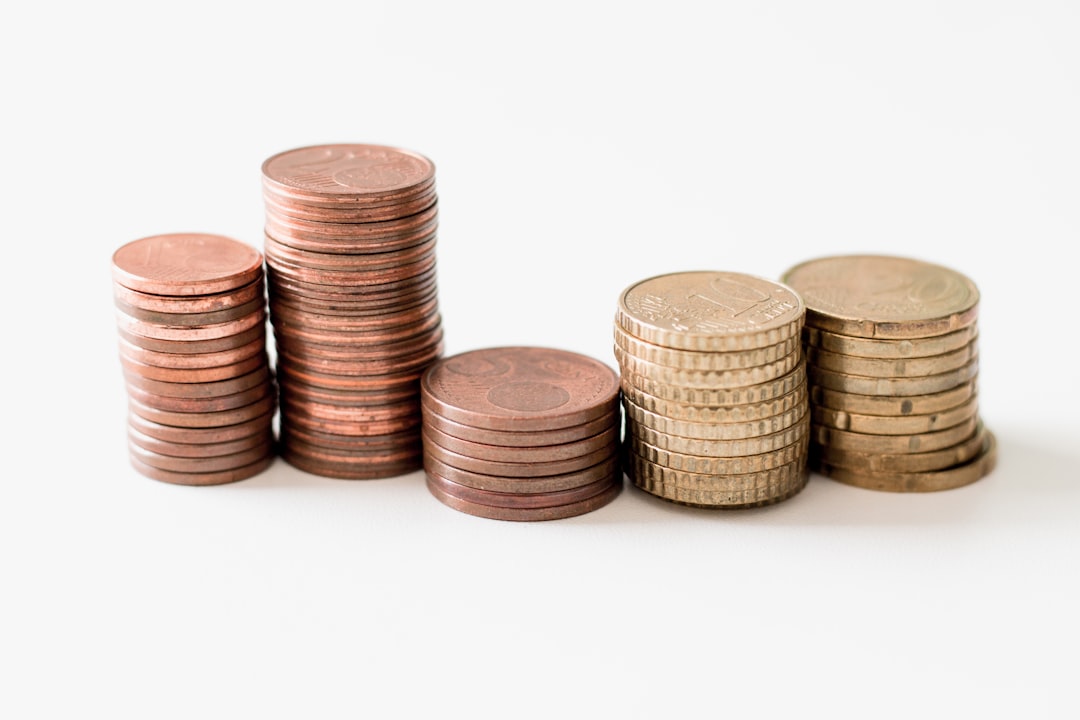
You’ve heard the whispers, seen the infomercials, and maybe even scrolled past a few get-rich-quick schemes. But the real magic, the slow burn that ignites enduring financial security, lies not in fleeting trends but in a principle as old as mathematics itself: the power of compounding. It’s not about luck; it’s about patience, consistency, and understanding how your money can work for you, growing exponentially over time. This isn’t about overnight riches; it’s about building a fortress of wealth, brick by carefully laid brick, thanks to the remarkable force of compounding.
At its core, compounding is elegantly simple. Imagine you plant a seed. That seed grows into a plant, which then produces its own seeds. These new seeds, when planted, grow into more plants, each producing more seeds. Compounding in finance works in a similar fashion. You invest your initial capital, and it generates returns. But here’s the crucial part: instead of withdrawing those returns, you reinvest them. This means your next period’s earnings are calculated not just on your original investment, but on your original investment plus the accumulated returns. It’s a snowball effect, picking up more snow as it rolls downhill, gathering momentum and size with every rotation.
Understanding the Basics: Principal and Interest
To truly grasp compounding, you need to understand its foundational elements: your principal and the interest (or returns) it generates.
Your Starting Point: The Principal
The principal is the initial amount of money you invest or save. This is your seed capital, the foundation upon which your future wealth will be built. The larger your principal, the greater the potential for compounding to work its magic. However, even a modest principal, when consistently invested and allowed to compound, can grow into a substantial sum over time.
The Engine of Growth: Interest and Returns
Interest, in the context of savings accounts, or more broadly, returns, in the context of investments, is the profit you earn on your principal. This is the reward for allowing your money to grow. The rate of interest or return is a critical factor in how quickly compounding works. A higher rate means your money grows faster.
The Compounding Cycle: A Continuous Loop
The power of compounding lies in its cyclical nature.
Period 1: Your Initial Investment
You deposit your principal. Let’s say it’s $1,000.
Period 2: Earning Interest on the Principal
Your principal earns interest. If the annual interest rate is 5%, you earn $50 in the first year. Your total is now $1,050.
Period 3: Earning Interest on Principal and Past Interest
In the second year, you earn 5% on your new total of $1,050. This means you earn $52.50. Your total is now $1,102.50. Notice how you earned an extra $2.50 in the second year because your interest was calculated on the previous year’s interest. This is the essence of compounding.
The Exponential Curve
As this cycle repeats, the growth becomes increasingly dramatic. While the initial gains might seem small, over decades, the difference between simple interest (where you only earn on the principal) and compound interest is staggering.
Compounding is a powerful financial principle that can significantly enhance long-term wealth accumulation. By reinvesting earnings, individuals can benefit from exponential growth over time, turning even modest investments into substantial sums. For a deeper understanding of how compounding works and its impact on wealth creation, you can explore this insightful article on the topic at How Wealth Grows. This resource provides valuable information on strategies to maximize the benefits of compounding in your financial journey.
The Untamed Power of Time: Your Greatest Ally
If there’s one element that amplifies the power of compounding more than any other, it’s time. Time is the silent architect of wealth. The longer your money is invested and allowed to compound, the more dramatic its growth will be. This is why starting early, even with small amounts, is so profoundly beneficial.
The “Time in the Market” vs. “Timing the Market” Debate
Many people fall into the trap of trying to “time the market” – attempting to buy low and sell high. This is an incredibly difficult, if not impossible, feat. Instead, the focus should be on “time in the market.” This means consistently investing your money and letting it ride through market ups and downs.
Market Volatility and Long-Term Patience
Markets are inherently volatile. They go up and down. Trying to predict these movements is a fool’s errand. However, over the long term, the stock market, for example, has historically trended upwards. By staying invested, you allow your compounding returns to benefit from this long-term upward trajectory, smoothing out the short-term bumps.
The Magic of Early Investing: A Case Study
Let’s illustrate this with a hypothetical scenario.
Scenario A: The Early Bird
Imagine two friends, Alice and Bob, both investing $500 per month.
- Alice starts at age 25 and invests for 40 years, until age 65. She invests a total of $240,000. Assuming an average annual return of 7%, her investment grows to over $1.3 million.
- Bob starts at age 35, investing the same $500 per month for 30 years, until age 65. He invests a total of $180,000. With the same 7% annual return, his investment grows to just over $570,000.
Notice how Alice, by starting 10 years earlier, not only invested less money overall but ended up with more than double Bob’s nest egg. This is the undeniable power of time and compounding at work. The extra decade of growth allowed her initial investments and their subsequent earnings to multiply significantly.
The Cost of Procrastination
The difference in outcomes highlights the significant cost of procrastination. Delaying your investment journey means missing out on crucial years of compounding. Those early years are when your money has the most time to grow exponentially.
Consistent Contributions: Fueling the Compounding Engine
While time is critical, consistent contributions act as the fuel that keeps the compounding engine running strong. Regularly adding to your investments ensures a steady stream of capital for compounding to work on.
Dollar-Cost Averaging: A Smart Strategy
Dollar-cost averaging is a strategy where you invest a fixed amount of money at regular intervals, regardless of market conditions. This approach automatically buys more shares when prices are low and fewer shares when prices are high, effectively averaging out your purchase cost over time and reducing the risk of investing a large sum right before a market downturn.
The Role of Interest Rates and Investment Returns

While time is your greatest ally, the rate at which your money grows is also a crucial factor in the compounding equation. Higher interest rates or investment returns mean your money will multiply at a faster pace.
Understanding Different Investment Vehicles
Different investment vehicles offer varying potential returns, each with its own risk profile.
Savings Accounts and Certificates of Deposit (CDs)
These are typically low-risk options that offer a guaranteed, albeit often modest, rate of return. Compounding here is slow but predictable.
Bonds
Bonds represent loans made to governments or corporations. They generally offer higher returns than savings accounts but come with a moderate level of risk.
Stocks and Mutual Funds
Stocks represent ownership in companies and offer the potential for higher returns but also carry higher risk. Mutual funds pool money from many investors to invest in a diversified portfolio of stocks, bonds, or other securities. These are often where the most significant compounding potential lies.
The Impact of Small Differences in Returns
Even seemingly small differences in annual returns can have a profound impact on your long-term wealth.
Illustrative Comparison: 5% vs. 10% Annual Return
Let’s revisit our $1,000 initial investment over 30 years, but this time, let’s compare a 5% annual return with a 10% annual return.
- At 5% annual return: Your $1,000 would grow to approximately $4,321.
- At 10% annual return: Your $1,000 would grow to approximately $17,449.
The difference is staggering. A 5% difference in annual return more than quadruples your final outcome. This underscores the importance of choosing investment vehicles that have the potential for higher, sustainable returns, even if they involve slightly more risk.
Risk and Reward: A Necessary Trade-off
It’s crucial to understand that higher potential returns typically come with higher risk. The key is to find a balance that aligns with your personal risk tolerance and financial goals.
Diversification: Spreading Your Risk
Diversification is the practice of spreading your investments across different asset classes (stocks, bonds, real estate, etc.) and within those asset classes. This helps to reduce the overall risk of your portfolio. If one investment performs poorly, others may perform well, cushioning the blow.
Building Your Wealth Strategy: Practical Steps

Understanding the power of compounding is only the first step. The real magic happens when you translate this knowledge into action and build a robust, long-term wealth-building strategy.
Setting Clear Financial Goals
Before you invest, you need to know why you’re investing. What are you saving for? Retirement? A down payment on a house? Your children’s education?
Short-Term vs. Long-Term Goals
Your goals will influence your investment strategy. Short-term goals might necessitate more conservative investments, while long-term goals can accommodate more aggressive, growth-oriented strategies that leverage compounding.
The Importance of a Budget and Saving Habit
Compounding requires capital to grow. A solid budget and a disciplined saving habit are essential for consistently feeding your investment accounts.
Tracking Your Expenses and Identifying Savings Opportunities
Understanding where your money is going is the first step to controlling it. Track your expenses diligently and identify areas where you can cut back to free up more funds for saving and investing.
Automating Your Investments: The Power of Set It and Forget It
To ensure consistency and remove the temptation to spend, automate your savings and investments.
Setting Up Automatic Transfers
Most brokerage accounts and banks allow you to set up automatic transfers from your checking account to your investment accounts on a regular schedule. This ensures you’re investing consistently without having to think about it.
Compounding is often referred to as the eighth wonder of the world, as it has the remarkable ability to turn small, consistent investments into substantial wealth over time. By reinvesting earnings, individuals can benefit from exponential growth, which highlights the importance of starting early in one’s financial journey. For a deeper understanding of how compounding works and its impact on long-term wealth accumulation, you can read more in this insightful article on how wealth grows. This resource provides valuable strategies and examples that can help anyone looking to enhance their financial future.
Avoiding the Pitfalls: Staying the Course
| Year | Initial Investment | Annual Return | Final Amount |
|---|---|---|---|
| 1 | 1000 | 10% | 1100 |
| 5 | 1100 | 10% | 1610 |
| 10 | 1610 | 10% | 2593.74 |
| 20 | 2593.74 | 10% | 6727.50 |
While compounding is a powerful force, it’s not immune to setbacks. There are common pitfalls that can derail your long-term wealth-building efforts. Staying disciplined and avoiding these traps is as important as understanding the mechanics of compounding itself.
The Temptation to Panic Sell
When markets experience downturns, it’s natural to feel anxious. However, succumbing to the urge to panic sell your investments during these times can be devastating. You lock in your losses and miss out on the subsequent recovery and further compounding growth.
Emotional Investing vs. Rational Decision-Making
It’s crucial to separate your emotions from your investment decisions. Develop a long-term perspective and trust your initial investment strategy. Remind yourself of the power of time and compounding; market recoveries are historically common.
The Danger of High Fees
Fees, whether they are management fees, trading costs, or other charges, can silently eat away at your returns. Over time, even small percentage fees can significantly reduce the amount of money that compounds.
Researching Investment Fees and Expense Ratios
Always scrutinize the fees associated with any investment product. Look for low-cost index funds and ETFs, which typically have lower expense ratios than actively managed funds.
The Allure of Get-Rich-Quick Schemes
The promise of rapid, effortless wealth is tempting, but these schemes are almost always a mirage. They often involve excessive risk, hidden fees, or outright fraud, and can lead to significant financial losses.
Due Diligence and Skepticism
Approach any investment opportunity that sounds too good to be true with extreme skepticism. Do thorough research, understand the underlying assets, and be wary of promises of guaranteed high returns with little to no risk.
By understanding the fundamental principle of compounding, embracing the power of time, strategically choosing your investments, and maintaining discipline through market fluctuations and potential pitfalls, you are not just saving money; you are actively building a future of financial security and freedom. The journey to long-term wealth is not a sprint, but a marathon, and compounding is your most powerful ally, transforming consistent effort into an enduring legacy.

Why Making More Money Isn’t Making You Rich
FAQs
What is compounding?
Compounding is the process of generating earnings on an asset’s reinvested earnings. In other words, compounding refers to generating earnings from previous earnings.
How does compounding create long term wealth?
Compounding creates long term wealth by allowing the initial investment to grow exponentially over time. As the earnings are reinvested, the base investment grows, leading to larger returns in the future.
What are the key factors that contribute to the effectiveness of compounding?
The key factors that contribute to the effectiveness of compounding include the rate of return, the time period over which the investment grows, and the frequency of compounding.
What types of investments benefit from compounding?
Various types of investments benefit from compounding, including stocks, bonds, mutual funds, and retirement accounts such as 401(k)s and IRAs.
What are some strategies for maximizing the benefits of compounding?
Some strategies for maximizing the benefits of compounding include starting to invest early, reinvesting dividends, and staying invested for the long term. Additionally, regularly contributing to the investment can also enhance the effects of compounding.