
You’ve done it. You’ve climbed the ladder, you’ve mastered your craft, and the shiny new figure on your pay stub feels like a testament to your worth. It’s the culmination of late nights, early mornings, and a relentless pursuit of excellence. The numbers are impressive, a number that would make your past self gasp in awe. You might be thinking you’ve finally arrived, that financial worries are a distant memory, and that this level of income unlocks a life of unadulterated freedom and contentment. But here’s a dose of reality, delivered straight and sharp: that high salary, while undeniably a privilege, is often a mirage. It’s a shimmering oasis in the desert of financial anxiety, promising sustenance but often leaving you thirsting for more. You see, the illusion of wealth is a powerful, seductive beast, and just because your bank account is bulging doesn’t mean you’re truly, fundamentally wealthy.
Your high salary is a tool, a powerful one, but a tool nonetheless. It’s how you wield it, what you build with it, and more importantly, what you don’t allow it to control, that truly determines your financial well-being and overall life satisfaction. The pursuit of a high salary can become a treadmill, an endless race where the finish line keeps moving further away, leaving you breathless and wondering if you’ll ever truly catch up. This article isn’t about diminishing your hard-earned success; it’s about equipping you with the understanding to navigate the complexities that accompany a significant income and to ensure that your financial gains translate into genuine security and happiness, not just a bigger number on a screen.
While many people equate a high salary with wealth, it’s essential to understand that true wealth encompasses more than just income. A related article on this topic can be found at How Wealth Grows, which explores the difference between earning a substantial paycheck and building lasting financial security through investments, savings, and asset management. This distinction highlights that wealth is not solely about how much one earns, but rather how effectively one manages and grows their financial resources over time.
The Gravity of Expenses: How Your Lifestyle Inflates Faster Than Your Income
You’ve heard it before, the adage about the cost of living rising. You probably dismissed it as something for those less fortunate, those struggling to make ends meet. But you, with your impressive salary, are not immune. In fact, you might be particularly susceptible. As your income increases, so too does your capacity to spend. It’s a natural human tendency, a psychological phenomenon that can sneak up on you without even realizing it. That small apartment suddenly feels cramped, that reliable car seems a little… pedestrian. Before you know it, you’re eyeing larger homes in more desirable neighborhoods, upgrading to fancier vehicles, and indulging in experiences you once only dreamed of. This isn’t necessarily a bad thing; it’s often a deserved reward. However, the danger lies in the pace at which this inflation occurs and the lack of conscious control you exert over it.
The Subtle Creep of Lifestyle Inflation
This isn’t a sudden, dramatic shift. It’s a slow, almost imperceptible creep. You might justify that first-class flight as a necessary indulgence for a crucial business trip. Then, the next trip, even if it’s personal, seems to warrant the same comfort. That expensive coffee you used to treat yourself to once a week becomes a daily ritual. Those designer clothes that once felt like an extravagant splurge are now part of your regular wardrobe. Each incremental increase in spending, on its own, might seem insignificant. But when you look back over a year, or even a few months, you’ll see how these small additions have compounded, effectively eating away at the gains your higher salary provided.
The “Treat Yourself” Trap
This is perhaps the most insidious aspect of lifestyle inflation. The idea of “treating yourself” after a long week or a successful project is a powerful motivator. And it’s healthy in moderation. But when your definition of “treating yourself” consistently involves higher-priced items and experiences, it becomes a habit that erodes your financial progress. You start to associate a higher salary with a higher standard of living, and anything less feels like a deprivation, even if it’s still a comfortable lifestyle by most people’s standards.
The Illusion of “Affordability”
When you have a substantial income, the perceived cost of things changes. That $500 dinner doesn’t feel as significant when you know you’ll earn that back in a few hours. That $50,000 car, while a considerable purchase, might feel “affordable” when spread out over a loan term, especially when your monthly payments seem manageable within your larger income. The problem is, you’re not just looking at the monthly payment; you’re overlooking the total cost of ownership, the interest paid, the depreciation, and the opportunity cost of that money sitting in a depreciating asset rather than growing in an investment.
The Debt Spiral in Disguise
This perceived affordability can lead you down a dangerous path of accumulating debt. You might rationalize taking out larger mortgages, financing more expensive cars, or even using credit cards for everyday expenses because you believe you can “handle it” with your salary. However, high salaries don’t make you immune to the crippling effects of interest. The more debt you carry, the more of your income is dedicated to servicing that debt, leaving less for savings, investments, and genuine financial freedom.
The Taxman’s Hunger: How a Higher Salary Means a Bigger Bite
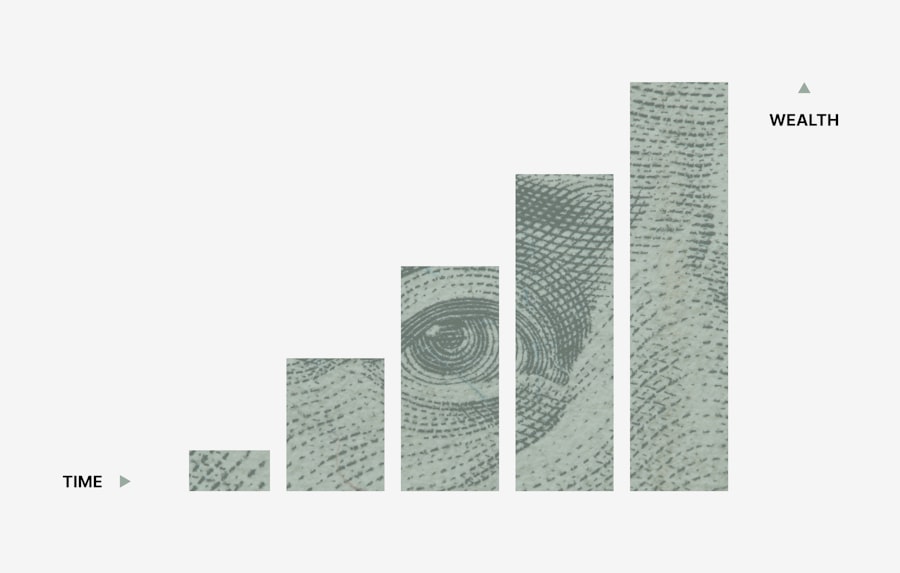
Let’s talk about Uncle Sam (or your country’s equivalent). The higher your income, the more you contribute to the collective good. This is a fundamental aspect of a functioning society, and in many ways, it’s a sign of your success. However, it’s also a significant drain on your take-home pay, and if you’re not strategically planning for it, it can feel like your salary is being siphoned away before you even see it. The progressive tax system means that a larger portion of your earnings is subject to higher tax brackets, making your net income significantly lower than your gross income.
Navigating the Progressive Tax System
You’re likely aware that your tax rate increases as your income rises. What you might not fully appreciate is the impact of these bracket jumps. Small increases in your gross salary can sometimes lead to disproportionately larger increases in your tax liability, especially if you cross into a new tax bracket. This can create a disincentive to earn more, or at least, a feeling that the effort isn’t yielding the full reward. Understanding how the tax system works, including deductions, credits, and various tax-advantaged accounts, is not just for accountants; it’s a critical component of maximizing your net worth.
The Hidden Costs of Earning More
Beyond the direct income tax, a higher salary can also lead to other tax-related expenses. For instance, you might find yourself paying higher state and local taxes, or your social security and Medicare contributions will increase. These aren’t always obvious when you first receive that impressive salary offer. They are deductions that come out of your paycheck, reducing the actual amount of money you have available for spending and saving.
The Importance of Tax Planning
This is where proactive planning becomes paramount. Simply earning more is not enough; you need to actively work to minimize your tax burden legally and ethically. This involves understanding various tax-advantaged retirement accounts, such as 401(k)s, IRAs, and potentially even more complex strategies depending on your circumstances. It also means maximizing deductions for things like charitable contributions, business expenses, and medical costs.
The Power of Tax-Advantaged Accounts
You might be contributing to a 401(k) or similar retirement plan, but are you maximizing it? Are you taking advantage of employer matching programs? Are you considering Roth options if they are available? These accounts offer incredible benefits, allowing your investments to grow tax-deferred or tax-free, depending on the type. Failing to utilize them to their full potential is like leaving money on the table, money that could significantly contribute to your long-term financial security.
The Unseen Erosion: Inflation’s Silent Assault on Your Purchasing Power

Even if you’re meticulously managing your expenses and diligently planning for taxes, there’s a relentless force that continues to chip away at the value of your money: inflation. Inflation is the general increase in prices and the fall in the purchasing value of money. While your salary might be increasing, if it’s not increasing at a rate that outpaces inflation, your actual purchasing power is diminishing. That $100 you earned last year can buy less today than it could then. This is the silent assassin of wealth, and it can make even a high salary feel insufficient over time.
The Devaluation of Your Savings
When you have savings sitting in a standard savings account, earning a paltry interest rate, inflation is actively eroding its value. If inflation is at 3% and your savings account is earning 0.5%, you are effectively losing 2.5% of your purchasing power each year. Over time, this can have a significant impact on the real value of your accumulated wealth. What might seem like a substantial nest egg today could be worth considerably less in purchasing power decades from now.
The Importance of Real Returns
This is why simply accumulating money is not enough; you need to focus on generating real returns. Real return is the return on an investment after accounting for inflation. If your investments are yielding 7% and inflation is 3%, your real return is 4%. This is what truly grows your wealth and allows you to maintain and increase your purchasing power over time.
The Investment Imperative
If your goal is to outpace inflation and truly grow your wealth, you need to invest. Putting your money to work in assets that have historically shown returns higher than the rate of inflation is crucial. This doesn’t mean taking on excessive risk, but rather understanding different asset classes and their potential for growth.
Diversification as Your Shield
When investing, diversification is key. Spreading your investments across different asset classes (stocks, bonds, real estate, etc.) can help mitigate risk. A portfolio that is too concentrated in one area is vulnerable to downturns. Your high salary provides you with the capital to build a diversified portfolio, but only if you allocate it wisely.
While many people equate a high salary with wealth, it is essential to understand the distinction between income and true financial security. A recent article discusses how factors such as expenses, savings, and investments play a crucial role in building wealth over time. For a deeper insight into this topic, you can read more in this informative piece on wealth accumulation at How Wealth Grows. Understanding these principles can help individuals make more informed decisions about their financial futures.
The Unforeseen Cracks: Emergencies, Opportunities, and the Need for a Buffer
| Reasons | Explanation |
|---|---|
| High expenses | A high salary often leads to higher expenses, such as luxury items, bigger houses, and expensive cars, which can reduce overall wealth. |
| Taxes | High earners often face higher tax rates, reducing the amount of income that contributes to wealth accumulation. |
| Debt | Some high earners may accumulate significant debt, such as mortgages, student loans, or credit card debt, which can offset their high salary. |
| Unsustainable lifestyle | High salaries can lead to a lifestyle that requires continuous high income to maintain, making it difficult to build long-term wealth. |
| Lack of savings | Despite a high salary, some individuals may fail to save and invest, leading to a lack of wealth accumulation over time. |
Life is unpredictable. That’s a truism, but it’s a truism that’s often underestimated when you’re feeling financially secure. A high salary can foster a sense of invincibility, leading you to believe that you can weather any storm. However, unforeseen events – job loss, a major medical emergency, a natural disaster – can strike anyone, regardless of their income. Without a robust financial cushion, these events can derail your financial progress and plunge you into debt and stress.
The Emergency Fund: Your Financial First Responder
An emergency fund is not a luxury; it’s a necessity. It’s a dedicated pool of readily accessible cash that you can tap into when unexpected expenses arise. The general recommendation is to have three to six months’ worth of living expenses saved. For someone with a high salary, this number will be higher, but the principle remains the same. This fund acts as your financial first responder, preventing you from having to dip into investments or take on high-interest debt when life throws you a curveball.
The Peace of Mind Premium
The psychological benefit of an emergency fund is immense. Knowing that you have a safety net allows you to sleep better at night. It reduces anxiety and provides a sense of control, even when external circumstances are chaotic. This peace of mind is an invaluable part of true financial well-being, and it’s something a high salary alone cannot guarantee.
The Opportunity Fund: Seizing Your Next Big Step
Beyond emergencies, life also presents incredible opportunities. Perhaps it’s a chance to start your own business, invest in a promising startup, or take an extended sabbatical to pursue a passion project. These opportunities often require capital, and without a dedicated fund, you might have to let them pass you by. Your high salary should not just be about covering your current lifestyle; it should also be about building capital for future growth and personal fulfillment.
The Cost of Missed Opportunities
Failing to have capital available for opportunities can be as detrimental to your long-term prosperity as facing an emergency unprepared. You might be missing out on significant wealth-building possibilities or personal growth experiences because you’ve committed all your disposable income to immediate consumption or are tied down by debt.
Beyond the Bank Account: Redefining True Wealth
Ultimately, the illusion of wealth lies in equating a high salary with complete financial security and happiness. While a substantial income provides significant advantages, it’s merely a component of a much larger picture. True wealth is a multifaceted concept that encompasses financial stability, freedom, security, and the ability to live a fulfilling life. Your high salary is a powerful tool, but it’s how you use it, what you prioritize, and how you guard against the unseen forces that erode its value, that will determine whether you are truly wealthy.
Financial Literacy: Your Ultimate Empowerment Tool
The most effective way to combat the illusion of wealth is through continuous financial education. Understanding concepts like compound interest, risk management, asset allocation, and behavioral finance will empower you to make informed decisions. This isn’t about becoming a financial guru; it’s about gaining the knowledge to manage your money effectively and make it work for you.
Investing in Yourself, Not Just in Assets
While investing in financial assets is crucial, never underestimate the importance of investing in yourself. This includes acquiring new skills, pursuing education, and maintaining your physical and mental health. A healthy, skilled, and well-rounded individual is better equipped to earn, manage, and enjoy their wealth.
The Balance Between Earning and Living
Your high salary should not be the sole determinant of your self-worth or your life’s purpose. It’s essential to strike a balance between earning and living. This means enjoying the fruits of your labor, but doing so consciously and deliberately, without letting expenses spiral out of control. It also means prioritizing experiences, relationships, and personal growth over mere material accumulation.
The Legacy You Build
Finally, consider the legacy you want to build. Is it just about a large bank account, or is it about the impact you have, the financial security you provide for your loved ones, and the opportunities you create for others? True wealth extends beyond your own lifetime and contributes to something larger than yourself. Your high salary, when managed with wisdom and foresight, can be the foundation for a truly impactful and enduring legacy. Remember, the number on your pay stub is a starting point, not the destination. True wealth is built, not just earned.

Why Making More Money Isn’t Making You Rich
FAQs
1. What is the difference between a high salary and wealth?
A high salary refers to the amount of money a person earns in a specific period, typically annually, while wealth refers to the accumulation of assets and resources over time. A high salary does not necessarily equate to wealth if the individual does not save, invest, or manage their money effectively.
2. Why is a high salary not a guarantee of wealth?
A high salary does not guarantee wealth because wealth is determined by how a person manages and invests their money. Without proper financial planning and smart investment decisions, a high salary can easily be spent on lifestyle expenses, leaving little to no savings or assets for the future.
3. What are some factors that contribute to wealth accumulation beyond a high salary?
Factors that contribute to wealth accumulation beyond a high salary include smart financial planning, disciplined saving and investing, living within one’s means, minimizing debt, and making strategic investment decisions in assets such as real estate, stocks, and retirement accounts.
4. Can someone with a modest salary still achieve wealth?
Yes, someone with a modest salary can still achieve wealth through disciplined saving, smart investment decisions, and living within their means. By prioritizing financial planning and making strategic choices with their money, individuals with modest salaries can accumulate wealth over time.
5. What are some common misconceptions about wealth and high salaries?
Common misconceptions about wealth and high salaries include the belief that a high salary automatically leads to wealth, that wealth is solely determined by income level, and that wealth is only achievable for those in high-paying professions. In reality, wealth is determined by financial habits, investment decisions, and long-term planning, rather than just the amount of money earned.