You’ve done it. You’ve hit that incredible milestone: your first $100,000. Take a moment to let that sink in. It’s a testament to your hard work, discipline, and foresight. This isn’t just a number; it’s a powerful foundation for your financial future, a launching pad for dreams you might have previously thought were out of reach. But now comes the crucial part: what do you do with it? The temptation to splurge is undeniable, but resist that urge. This capital is your ally, and with smart, strategic investing, you can turn it into so much more. This isn’t about chasing get-rich-quick schemes; it’s about building sustainable wealth, securing your future, and unlocking new opportunities. Let’s dive into how you can make your first $100k work for you, not the other way around.
Before you even think about clicking “buy” on a stock or depositing funds into an investment account, there are crucial groundwork steps you need to take. Think of this as preparing the soil before you plant your seeds. Skipping these steps can lead to mistakes that cost you dearly, both financially and emotionally.
Understanding Your Financial Landscape
This is about getting brutally honest with yourself about your current financial situation. It’s not about judgment; it’s about clarity.
Mapping Your Debts
Every dollar you have tied up in high-interest debt is a drag on your investment potential. Imagine trying to swim with a backpack full of rocks.
High-Interest Debt: The Immediate Priority
Credit cards, payday loans, and even some personal loans can have interest rates that far exceed any realistic investment return. Paying these off is essentially a guaranteed, risk-free return. Are your credit card balances sitting at 18% or higher? That’s an instant 18% you’re “earning” by paying them off.
Moderate-Interest Debt: A Strategic Decision
Student loans or car loans with moderate interest rates (say, 4-7%) require a more nuanced approach. You’ll need to weigh the guaranteed return of paying them off against the potential, albeit not guaranteed, returns of investing.
Assessing Your Emergency Fund
Your $100k is a significant sum, but it’s not an inexhaustible resource. Life happens. Cars break down, unexpected medical bills arise, and job security isn’t always a given.
The Three to Six Month Rule
A standard recommendation is to have enough in an easily accessible savings account to cover three to six months of essential living expenses. This fund is your safety net, preventing you from having to liquidate investments at an inopportune time.
What Constitutes “Essential Living Expenses”?
Be realistic here. This includes rent/mortgage, utilities, groceries, insurance premiums, debt payments, and transportation. It’s not about covering your discretionary spending.
Defining Your Investment Goals and Time Horizon
Why are you investing? What do you hope to achieve, and when do you want to achieve it? These questions will dictate your entire investment strategy.
Short-Term Goals (Under 5 Years)
Are you saving for a down payment on a house in three years? Or perhaps a significant renovation? Short-term goals require a more conservative approach to preserve capital.
Capital Preservation is Key
The primary objective here is not aggressive growth, but ensuring the principal is safe. You don’t want to be in a position where a market downturn jeopardizes your ability to meet your goal.
Low-Risk, Liquid Investments
Think high-yield savings accounts, money market funds, or short-term government bonds. These offer minimal risk and easy access to your funds.
Medium-Term Goals (5-15 Years)
This could be saving for your children’s college education, a significant future purchase, or early retirement. You have a bit more time to ride out market fluctuations.
Balancing Growth and Risk
You can afford to take on a bit more risk in pursuit of higher returns, but you still need to be mindful of potential downturns.
Diversified Portfolios
A mix of stocks and bonds, potentially through index funds or ETFs, is often suitable.
Long-Term Goals (15+ Years)
This is where retirement planning truly shines. You have the luxury of time, allowing your investments to compound significantly.
Maximizing Growth Potential
The focus shifts heavily towards growth, as you have ample time to recover from any market dips.
Aggressive Growth Strategies
A higher allocation to equities, particularly growth-oriented stocks and diversified index funds, is typically recommended.
Understanding Your Risk Tolerance
This is perhaps the most personal aspect of your investment journey. How much volatility can you stomach without losing sleep?
The Psychology of Investing
Markets go up and down. Seeing your portfolio dip can be unsettling. Your risk tolerance is about how you react emotionally and rationally to these fluctuations.
Conservative Investors
You prioritize safety and predictability. A significant loss would cause considerable anxiety, impacting your decision-making.
Moderate Investors
You’re willing to accept some risk for higher returns but prefer a balanced approach. Significant short-term losses would be concerning but manageable.
Aggressive Investors
You’re comfortable with higher levels of volatility in exchange for the potential of substantial long-term gains. You understand that losses are a part of the investment process.
Assessing Your True Risk Tolerance
Don’t just say what you think you should be. Consider your past reactions to financial setbacks. Imagine a 20% market drop – how would you genuinely feel and what would you do?
If you’re looking to make the most of your first $100,000 investment, it’s essential to have a solid strategy in place. A great resource to consider is an article that provides insights on various investment options and tips for beginners. You can check it out here: How to Invest Your First $100k. This article offers valuable advice on asset allocation, risk management, and the importance of diversification, helping you to make informed decisions as you embark on your investment journey.
Smart Investment Avenues for Your First $100k
With your financial foundation solidified and your goals clearly defined, it’s time to explore the various investment avenues available to you. This is where your $100k starts to work strategically to grow your wealth.
Building a Diversified Portfolio with Index Funds and ETFs
For most individuals, especially those just starting with a substantial sum, index funds and Exchange Traded Funds (ETFs) are the cornerstones of a well-diversified portfolio. They offer a simple, cost-effective, and efficient way to gain exposure to a broad range of assets.
The Power of Diversification
This is the golden rule of investing: don’t put all your eggs in one basket. Diversification spreads your risk across different asset classes, industries, and geographies. If one investment performs poorly, others can potentially offset those losses.
Across Asset Classes
This means investing not just in stocks, but also potentially in bonds, real estate (through REITs), and other alternative assets, depending on your goals and risk tolerance.
Within Asset Classes
Even within stocks, diversification means investing in companies of different sizes (large-cap, mid-cap, small-cap), across various sectors (technology, healthcare, consumer staples), and in different regions (domestic and international).
Index Funds: Your Low-Cost Ticket to Market Performance
Index funds are mutual funds that aim to track the performance of a specific market index, such as the S&P 500. They passively managed, meaning they don’t try to beat the market, but rather match it.
Low Expense Ratios
Because they are passively managed, index funds typically have significantly lower expense ratios (the annual fee charged for managing the fund) compared to actively managed funds. These savings can add up substantially over time.
Broad Market Exposure
An S&P 500 index fund, for example, gives you instant diversification across the 500 largest publicly traded companies in the United States.
ETFs: Flexible and Transparent Investing
ETFs are similar to index funds in that they often track an index, but they trade on stock exchanges like individual stocks. This offers greater flexibility and transparency.
Intraday Trading
You can buy and sell ETFs throughout the trading day at their current market price, unlike mutual funds which are priced only once at the end of the day.
Variety of Options
ETFs offer exposure to a vast array of asset classes, sectors, countries, and investment strategies, making them incredibly versatile tools. You can find ETFs that track commodities, specific industries, or even inverse market movements.
Tax Efficiency
ETFs are generally considered more tax-efficient than traditional mutual funds, particularly in taxable accounts, due to their creation and redemption mechanism.
Investing your first $100k can be a daunting task, but with the right strategies, it can set you on a path to financial success. To help you navigate this journey, you might find it beneficial to explore a related article that offers valuable insights and tips. For a comprehensive guide on smart investment options, check out this informative resource on how to grow your wealth effectively. Understanding the various avenues available can empower you to make informed decisions that align with your financial goals. You can read more about it here.
Exploring Real Estate Investment Opportunities
Real estate has long been a cornerstone of wealth building, and with $100k, you have several avenues to explore this asset class. It offers the potential for both appreciation and passive income.
Direct Property Ownership (Potentially Challenging with $100k)
While buying a property outright with $100k might be difficult in many markets, it could be feasible in lower-cost areas or as a down payment on a larger investment.
Down Payment and Closing Costs
Even if you can’t buy outright, $100k can serve as a substantial down payment, significantly reducing your mortgage amount and monthly payments. Remember to factor in closing costs, which can be several percentage points of the purchase price.
Rental Income Potential
If you’re looking for passive income, owning a rental property can provide a steady stream of cash flow. However, this comes with responsibilities, including property management, tenant screening, and maintenance.
Leveraging and Appreciation
Real estate can be leveraged through mortgages, amplifying your potential returns. Historically, real estate has also appreciated over the long term, adding to your wealth.
Real Estate Investment Trusts (REITs)
For a more hands-off approach, REITs offer a way to invest in large-scale, income-producing real estate without the direct management hassles.
Diversification Within Real Estate
REITs own and operate income-producing real estate across various sectors, such as apartments, shopping malls, hotels, offices, and healthcare facilities. This provides diversification within the real estate asset class itself.
Passive Income Through Dividends
REITs are legally required to distribute at least 90% of their taxable income to shareholders annually in the form of dividends. This makes them attractive for income-seeking investors.
Liquidity and Accessibility
Unlike direct property ownership, REITs trade on major stock exchanges, making them highly liquid and accessible to investors of all sizes.
Considering Individual Stocks for Targeted Growth
While index funds offer broad diversification, investing in individual stocks can allow for potentially higher returns if you choose wisely. However, this also comes with higher risk and requires more research.
The Art of Stock Selection
This involves identifying companies that you believe have strong growth potential, solid management, and a competitive advantage in their respective industries.
Fundamental Analysis: Digging Deep
This involves scrutinizing a company’s financial statements (revenue, profits, debt), management team, competitive landscape, and industry trends to assess its intrinsic value.
Valuation: Is the Stock Fairly Priced?
Even a great company can be a bad investment if you overpay for its stock. Learning to value a company using metrics like price-to-earnings (P/E) ratios, price-to-book (P/B) ratios, and discounted cash flow (DCF) analysis is crucial.
Growth Stocks vs. Value Stocks
Growth stocks are companies expected to grow at a faster rate than the overall market, often reinvesting profits back into the business. Value stocks are typically overlooked by the market and are believed to be trading below their intrinsic value.
The Importance of a Concentrated Portfolio (with Caution)
If you choose to invest in individual stocks, it’s tempting to put a large portion of your capital into a few companies you’re very confident about. This can lead to significant gains if you’re right, but also substantial losses if you’re wrong.
Risk Management is Paramount
When investing in individual stocks, proper diversification is still essential, even if it means holding a larger number of individual positions than you might with just index funds.
Don’t Over-Concentrate
Resist the urge to put more than 5-10% of your investment capital into any single stock, especially when you’re starting out.
Exploring Alternative Investments (with Due Diligence)
Beyond traditional stocks, bonds, and real estate, there’s a world of alternative investments. These can offer diversification and potentially higher returns, but often come with higher risk, illiquidity, and complexity.
Bonds: The Stability Factor
Bonds represent loans made by investors to governments or corporations. They are generally considered less volatile than stocks and provide a fixed income stream.
Government Bonds: The Safest Bet
U.S. Treasury bonds are considered among the safest investments in the world, offering a reliable return.
Corporate Bonds: Higher Yield, Higher Risk
Corporate bonds offer higher yields than government bonds but come with the risk of the issuing company defaulting.
Bond Funds and ETFs
For diversification and ease of management, bond funds and ETFs are often a better choice than buying individual bonds.
Commodities: Hedging Against Inflation?
Commodities like gold, oil, and agricultural products can be an interesting part of a diversified portfolio, potentially acting as a hedge against inflation.
Gold: The Traditional Safe Haven
Gold has historically been seen as a store of value during economic uncertainty.
Other Commodities
Investing in commodities can be done through futures contracts, ETFs, or stocks of commodity-producing companies. This is often more speculative and requires specialized knowledge.
Peer-to-Peer (P2P) Lending
This involves lending money directly to individuals or small businesses through online platforms.
Potential for Higher Returns
P2P lending can offer higher interest rates than traditional savings accounts or bonds.
Significant Risks
However, there is a significant risk of borrower default, and the platforms themselves can carry risks. Thorough due diligence on the platform and the borrowers is essential.
The Role of Tax-Advantaged Accounts
Maximizing your returns isn’t just about where you invest, but also about how you shelter your investments from taxes. Tax-advantaged accounts are your best friends in this regard.
Retirement Accounts: Your Long-Term Powerhouse
These accounts offer incredible tax benefits that can significantly boost your long-term wealth accumulation.
401(k) or Similar Employer-Sponsored Plans
If your employer offers a 401(k) (or a 403(b) or TSP), take full advantage of it, especially if there’s an employer match. That match is free money, an instant guaranteed return.
Employer Match: Free Money!
Don’t leave this on the table. Contribute at least enough to get the full employer match.
Tax-Deferred Growth
Your investments grow tax-deferred until you withdraw them in retirement.
Individual Retirement Accounts (IRAs)
If you don’t have an employer-sponsored plan, or want to supplement it, IRAs are fantastic options.
Traditional IRA
Contributions may be tax-deductible, and your investments grow tax-deferred. You pay taxes on withdrawals in retirement.
Roth IRA
Contributions are made with after-tax dollars, but qualified withdrawals in retirement are tax-free. This is often a preferred option for younger investors who anticipate being in a higher tax bracket in retirement.
Health Savings Accounts (HSAs): A Triple Tax Advantage
If you have a high-deductible health insurance plan, an HSA is an incredibly powerful savings vehicle.
Tax-Deductible Contributions
Your contributions are tax-deductible.
Tax-Deferred Growth
Your investments grow tax-deferred.
Tax-Free Withdrawals for Qualified Medical Expenses
Withdrawals for qualified medical expenses are tax-free. What makes HSAs truly unique is that after age 65, you can withdraw funds for any reason penalty-free, similar to a traditional IRA, though taxes will be due on non-medical withdrawals.
Implementing Your Investment Strategy: The Practical Steps
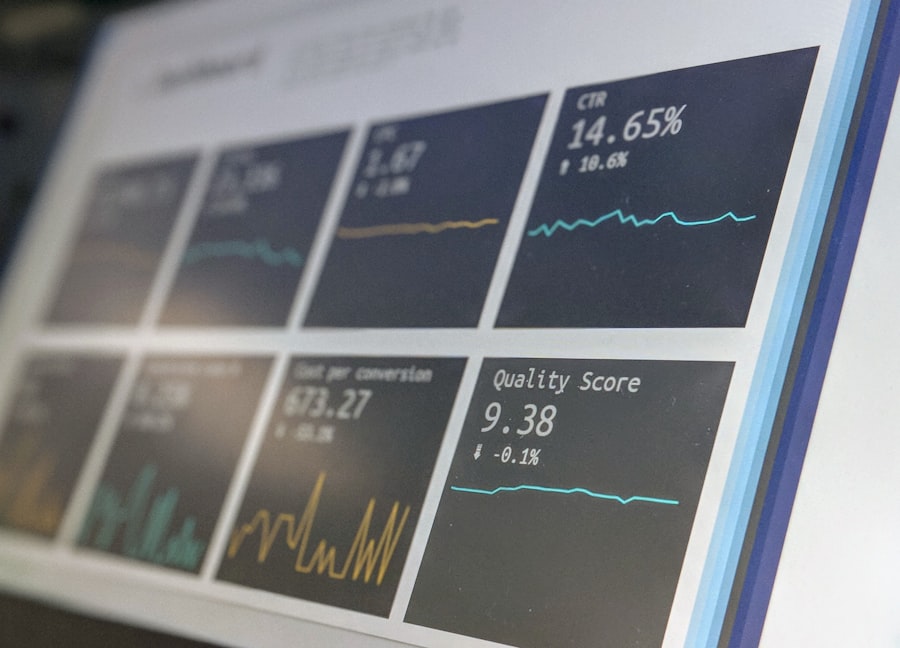
You’ve got the knowledge, you’ve identified your goals, and you’re ready to deploy your capital. Now, let’s talk about the practicalities of actually investing your first $100k.
Choosing the Right Brokerage Account
Your brokerage account is your gateway to the financial markets. The right choice can streamline your investing and save you money.
Online Brokers: Convenience and Low Costs
The vast majority of investors today use online brokers due to their user-friendly platforms, low trading commissions, and extensive research tools.
Research and Comparison
Look for brokers that offer a wide range of investment products (stocks, ETFs, mutual funds, bonds), competitive fees, good customer service, and educational resources.
Account Types Offered
Ensure the broker offers the types of accounts you need, such as taxable brokerage accounts, IRAs, and potentially HSAs.
User Interface and Tools
A platform that is intuitive and easy to navigate can make a significant difference in your overall investing experience.
Developing an Investment Plan and Stick to It
A plan is useless without discipline. Your investment plan should be your roadmap, guiding your decisions and preventing emotional reactions to market volatility.
Asset Allocation: The Cornerstone of Your Plan
This refers to how you divide your investment portfolio among different asset classes, such as stocks, bonds, and cash. Your asset allocation should be based on your goals, time horizon, and risk tolerance.
Rebalancing: Staying on Track
Over time, the performance of different asset classes will cause your portfolio to drift away from your target asset allocation. Rebalancing involves periodically selling assets that have grown significantly and buying assets that have lagged to bring your portfolio back in line.
The Power of Periodic Rebalancing
This forces you to “sell high and buy low,” which is a fundamental principle of successful investing.
Dollar-Cost Averaging (DCA) vs. Lump Sum Investing
With $100k, you have two primary options for deploying your capital: invest it all at once (lump sum) or invest it over time (dollar-cost averaging).
Lump Sum Investing: Potential for Higher Returns (and Risk)
Historically, lump sum investing has tended to outperform dollar-cost averaging because markets generally trend upwards over time. However, it exposes you to the risk of investing right before a market downturn.
Dollar-Cost Averaging (DCA): Smoothing Out Volatility
DCA involves investing a fixed amount of money at regular intervals, regardless of market conditions. This can reduce the risk of investing a large sum at an unfavorable time.
When DCA Might Be Preferable
If you are particularly risk-averse or anticipate a period of market volatility, DCA can provide peace of mind.
Monitoring and Reviewing Your Investments
Investing isn’t a “set it and forget it” endeavor, especially when building wealth. Regular monitoring and periodic reviews are essential to ensure you’re on track to meet your goals.
Regular Check-ins: Not Daily Obsession
You don’t need to check your portfolio every day. Quarterly or semi-annual reviews are usually sufficient for most investors.
Annual Comprehensive Review
Once a year, conduct a thorough review of your portfolio.
Reassess Your Goals
Have your financial goals changed? Have you had any major life events that might impact your investment strategy?
Evaluate Performance
How has your portfolio performed against your benchmarks? Are there any underperforming investments that need to be addressed?
Rebalance if Necessary
This is a prime opportunity to rebalance your portfolio if it has drifted significantly from your target asset allocation.
Understanding Fees and Expenses
Fees can quietly erode your investment returns over time. Be aware of what you’re paying and whether it’s justified.
Expense Ratios of Funds
As mentioned earlier, low expense ratios are critical, especially for index funds and ETFs.
Trading Commissions and Other Brokerage Fees
While many brokers now offer commission-free trading for stocks and ETFs, be aware of any other fees that might apply, such as account maintenance fees or transfer fees.
Avoiding Common Pitfalls and Staying Disciplined

Even with a solid understanding of investing, it’s easy to get sidetracked by emotional decisions or common mistakes. Protecting your newfound wealth requires vigilance and discipline.
Don’t Let Emotions Drive Your Decisions
The stock market is inherently emotional. Fear and greed are powerful forces that can lead investors to make irrational decisions.
Fear of Missing Out (FOMO)
Seeing others make money can lead you to chase hot stocks or trends without proper research, often resulting in buying at the peak.
Panic Selling
When the market dips, the urge to sell everything to cut your losses can be overwhelming. This is often the worst time to sell, as you lock in your losses and miss out on the subsequent recovery.
The Importance of a Long-Term Perspective
Remember why you started investing. Focus on your long-term goals and trust your plan.
Beware of “Get Rich Quick” Schemes and Unrealistic Promises
The internet is rife with promises of guaranteed high returns with little to no risk. These are almost always scams.
If It Sounds Too Good to Be True…
It almost certainly is. Legitimate investments involve risk, and there are no guarantees of high returns.
Due Diligence is Your Best Defense
Thoroughly research any investment opportunity, the people behind it, and their track record before committing your capital.
Don’t Neglect Your Financial Education
The world of finance is constantly evolving. Continuous learning is essential to adapt and make informed decisions.
Read Books, Follow Reputable Sources
There are countless excellent books, financial blogs, and podcasts that can deepen your understanding of investing.
Stay Informed About Market Trends
While you shouldn’t react to every headline, understanding broader economic trends and their potential impact on your investments is beneficial.
The Power of Patience and Consistency
Building wealth is a marathon, not a sprint. Your first $100k is a fantastic start, but sustained success comes from consistent effort and a healthy dose of patience.
Compound Interest: Your Greatest Ally
The magic of compounding is that your earnings start to generate their own earnings. The longer you let your investments grow, the more powerful this effect becomes.
Small, Consistent Contributions Matter
Even after you’ve invested your initial $100k, continuing to add regular contributions, however small, will significantly accelerate your wealth-building journey over time.
Congratulations again on reaching this significant financial milestone. Your first $100,000 is not an endpoint, but a powerful beginning. By approaching your investments with a clear strategy, a commitment to diversification, and a disciplined mindset, you are setting yourself up for a future of financial security and opportunity. This capital is your tool; use it wisely, and watch it grow.

The First $100,000 Is Brutal. Then Everything Changes.
FAQs
1. What are some common investment options for a first-time investor with $100k?
Some common investment options for a first-time investor with $100k include stocks, bonds, mutual funds, exchange-traded funds (ETFs), real estate, and retirement accounts such as IRAs and 401(k)s.
2. What are the key factors to consider before investing $100k?
Before investing $100k, it’s important to consider your financial goals, risk tolerance, investment time horizon, and diversification. Additionally, researching and understanding different investment options and seeking professional financial advice can be beneficial.
3. How can a first-time investor mitigate risks when investing $100k?
First-time investors can mitigate risks when investing $100k by diversifying their investment portfolio, conducting thorough research on potential investments, and avoiding putting all their money into a single investment. Additionally, staying informed about market trends and seeking advice from financial professionals can help mitigate risks.
4. What are some potential pitfalls to avoid when investing $100k for the first time?
Some potential pitfalls to avoid when investing $100k for the first time include making impulsive investment decisions, not conducting thorough research, and not diversifying the investment portfolio. It’s also important to avoid investing in high-risk investments without fully understanding the potential downsides.
5. What are some resources available for first-time investors looking to invest $100k?
First-time investors looking to invest $100k can utilize resources such as financial advisors, online investment platforms, investment books, and educational websites. Additionally, seeking guidance from experienced investors and attending investment seminars or workshops can provide valuable insights for first-time investors.