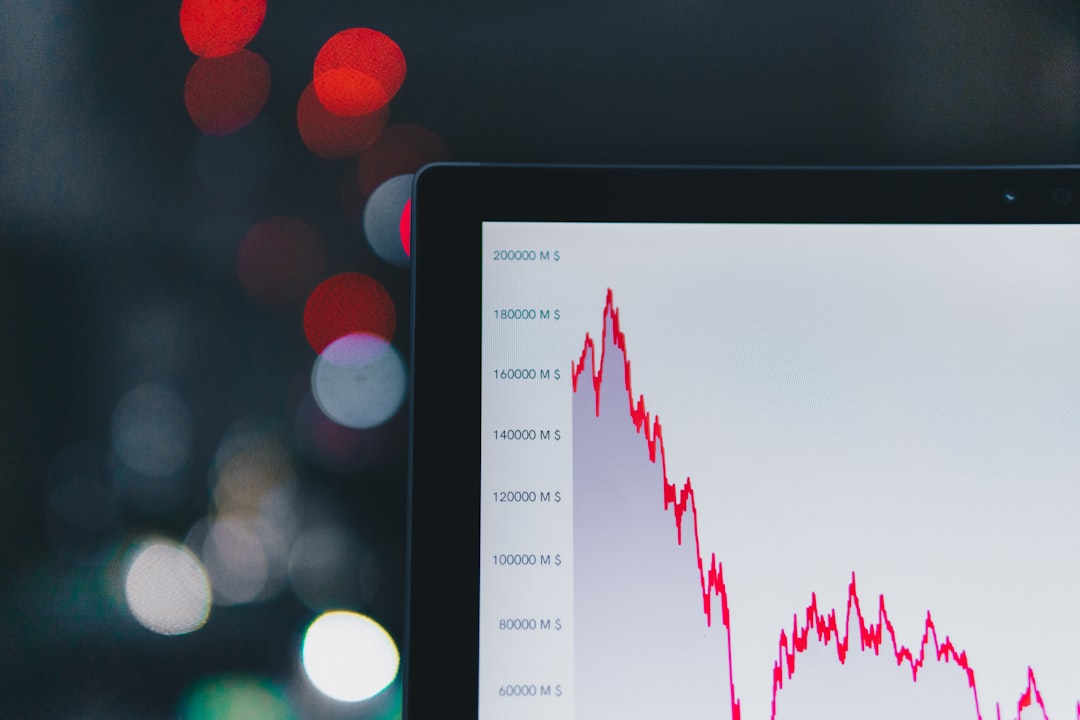
You’ve built it. Brick by brick, decision by decision, you’ve amassed a significant portfolio. It’s a testament to your foresight, your discipline, and perhaps a touch of good fortune. But as you survey your financial landscape, a shadow begins to loom: market losses. These aren’t the minor fluctuations that come and go with the seasons; these are the seismic shifts that can shake the foundations of even the most robust portfolios. Understanding the impact of these market losses isn’t just about acknowledging the red numbers; it’s about comprehending the intricate web of consequences that ripple through your financial life.
The Initial Shockwave: Fear, Uncertainty, and the Psychological Toll
The immediate aftermath of a significant market downturn is rarely a calm, rational assessment. For you, it’s likely a visceral reaction. The sheer scale of a large portfolio amplifies this. Every percentage point lost translates into a substantial sum, and the visual representation on your statements can be starkly unsettling.
The Erosion of Perceived Wealth
You’ve become accustomed to seeing your net worth climb. When that trajectory reverses sharply, your sense of accomplishment and security can be deeply shaken. This isn’t just about the numbers; it’s about how you perceive your ability to achieve your goals.
- The Instantaneous Wealth Drain: Imagine seeing millions, or even billions, seemingly vanish overnight. This immediate visual impact triggers an emotional response that’s hard to ignore. You might feel a sense of loss that is far more profound than the actual monetary decrease, as it’s tied to your hopes and dreams.
- The Cognitive Dissonance: You’ve made informed decisions, followed strategies, and yet, the market has turned against you. This can create a difficult cognitive dissonance, questioning your own judgment and expertise. The certainty you once felt can be replaced by nagging doubts.
- The Contagion of Pessimism: News cycles amplify downturns. You’re bombarded with dire forecasts and cautionary tales. This external negativity can seep in, reinforcing your own anxieties and making it harder to maintain an objective perspective.
The Urge to Act: Panic vs. Prudence
This emotional turmoil often translates into an almost irresistible urge to do something. The question is, what? Your instincts might scream for immediate action, but the wisdom honed over years of managing a large portfolio suggests otherwise.
- The Temptation of Market Timing: The allure of selling everything to avoid further losses is powerful. You might convince yourself you can buy back in at the bottom. However, history is replete with examples of investors who missed the subsequent rebound by waiting too long. Your large portfolio makes this a particularly risky gamble.
- The Emotional Decision Trap: Acting out of fear is rarely beneficial. Decisions made in haste, driven by the desire to alleviate immediate pain, often lead to regrettable outcomes. You might lock in losses, miss opportunities, or derail long-term strategies.
- The Importance of Pre-Planned Responses: Ideally, you’ve already considered the possibility of market downturns and have established protocols for such events. This might involve pre-determined selling thresholds or consultation with your financial advisors before making any drastic moves.
Market losses can have a significant impact on large portfolios, often leading to a reevaluation of investment strategies and risk management practices. A related article that delves into this topic is available at How Market Losses Affect Large Portfolios, which discusses the various factors that contribute to portfolio vulnerability during downturns and offers insights on how investors can mitigate risks to protect their assets. Understanding these dynamics is crucial for maintaining financial stability in volatile market conditions.
The Ripple Effect: Beyond the Balance Sheet
The impact of market losses on a large portfolio extends far beyond the immediate reduction in value. It can influence your spending habits, your future investment strategies, and even your lifestyle choices.
Altered Spending and Lifestyle Considerations
When your perceived wealth diminishes, so too can your comfort level with certain expenditures. Even if your income remains stable, the psychological impact of seeing your portfolio shrink can lead to a more conservative approach to spending.
- The “What If” Scenario: You might start mentally re-evaluating large purchases, vacations, or charitable contributions. The thought of depleting your capital further, especially in a volatile market, can become a significant deterrent.
- The Psychological Barrier to Consumption: Even if your financial advisors assure you that your core financial security remains intact, the feeling of being less wealthy can create a psychological barrier to enjoying the fruits of your labor. You might unconsciously adopt a more frugal mindset.
- The Impact on Generational Wealth Goals: If you have plans for intergenerational wealth transfer or significant legacy gifts, market losses can put these aspirations on hold. The timeline for achieving these goals might need to be re-evaluated, leading to difficult conversations and adjustments.
Shifts in Investment Strategy and Risk Tolerance
Market losses force a recalibration of your risk tolerance. What felt comfortable before might now feel precarious. This can lead to fundamental changes in your investment approach.
- The Re-evaluation of Asset Allocation: You might reconsider the diversification of your portfolio. Are your allocations still appropriate for your current risk appetite and the prevailing market conditions? A large portfolio offers more flexibility in rebalancing, but also means larger adjustments are needed.
- The Move Towards Capital Preservation: In the wake of significant losses, the focus can shift from aggressive growth to capital preservation. This might involve a higher allocation to fixed income, less volatile assets, or even cash. However, this can also mean sacrificing potential future gains.
- The Influence of Behavioral Finance: Understanding how your emotions influence your investment decisions is crucial. Market losses are a prime example of behavioral finance in action. Recognizing these biases allows you to counteract them and make more rational choices. Your large portfolio underscores the importance of this, as even small behavioral missteps can have magnified consequences.
The Long-Term Implications: Rebuilding and Recovering
The immediate sting of market losses eventually fades, but the long-term implications are what truly matter. Rebuilding and recovering your portfolio requires patience, strategic adjustments, and a renewed focus on your financial objectives.
The Power of Time and Compounding (Revisited)
The most potent antidote to market losses is time. The power of compounding, which worked so effectively in your favor during growth phases, will also work to your advantage during recovery, provided you remain invested.
- The Rebound Effect: Markets historically recover. While the timing is unpredictable, staying invested allows you to participate in the eventual rebound. Your large portfolio means that even a modest percentage recovery translates into significant gains.
- The Long-Term Growth Trajectory: If your investment horizon is still long, the impact of short-to-medium-term losses becomes less significant. The growth achieved over decades is more about the overall trend than individual downturns.
- The Compounding of Gains: As your portfolio recovers, the power of compounding will accelerate your rebuilding efforts. Each recovered dollar will then start earning its own returns, multiplying the positive effect.
Strategic Portfolio Adjustments for Resilience
Recovering from market losses isn’t just about waiting; it’s about actively making informed adjustments to ensure your portfolio is more resilient in the future.
- The De-Risking and Rebalancing Dance: You might consider de-risking during the downturn by shifting to more conservative assets. However, as markets begin to recover, a strategic rebalancing back towards growth-oriented assets will be crucial to capitalize on the upside. Your large portfolio allows for more sophisticated and potentially less disruptive rebalancing strategies.
- The Diversification Overhaul: Was your diversification truly adequate? Market losses can expose weaknesses in your asset allocation. You might need to explore new asset classes or adjust the weighting of existing ones to better mitigate future shocks. This could involve considering alternative investments or international markets.
- The Review of Passive vs. Active Management: In volatile markets, the debate between passive index investing and active management becomes more pronounced. You might re-evaluate whether your current approach is best suited to navigate these conditions, considering the potential for active managers to exploit mispricings or defensive strategies.
The Role of Professional Guidance: Your Anchor in the Storm
Managing a large portfolio through market volatility can feel like navigating a storm without a compass. This is where the expertise of financial professionals becomes invaluable.
Leveraging Advisor Expertise for Strategic Decision-Making
Your financial advisor isn’t just a portfolio manager; they are a strategic partner. During turbulent times, their experience and objective perspective can be your greatest asset.
- The Rational Voice: When emotions run high, your advisor provides a rational, data-driven perspective. They can help you distinguish between a temporary setback and a fundamental shift in the market.
- The Behavioral Coaching Element: Advisors are trained to recognize and address behavioral biases. They can help you avoid making impulsive decisions driven by fear or greed. This is especially critical for large portfolios where emotional reactions can have significant financial consequences.
- The Access to Specialized Knowledge: They have access to research, analytics, and insights that you might not have on your own. This allows them to identify potential opportunities and risks that you might overlook.
Building a Robust Financial Plan: Your Long-Term Compass
Market losses are a stark reminder that your financial plan is not a static document but a living, breathing entity that needs to adapt to changing circumstances.
- The Goal Re-Alignment: The impact of losses might necessitate a re-evaluation of your financial goals and their timelines. Your advisor can help you adjust your plan to remain realistic and achievable.
- The Stress Testing of Your Plan: Understanding how your portfolio would perform under various adverse scenarios is crucial. Your advisor can conduct stress tests to identify vulnerabilities and make necessary adjustments to enhance resilience.
- The Continuity of Purpose: Even in the face of setbacks, your advisor helps you maintain focus on your overarching financial objectives. They remind you of your long-term vision, preventing short-term market noise from derailing your progress.
Market losses can significantly impact large portfolios, often leading to a reevaluation of investment strategies and risk management practices. Investors must be aware of how downturns can affect asset allocation and overall performance. For a deeper understanding of this topic, you can explore a related article that discusses the implications of market fluctuations on wealth management strategies. This resource provides valuable insights into navigating challenging market conditions and can be found here.
Preparing for Future Volatility: Fortifying Your Financial Fortress
The lessons learned from current market losses are invaluable for preparing your large portfolio for future storms. Proactive measures are key to weathering the next downturn.
Enhancing Portfolio Diversification and Risk Management
True diversification goes beyond simply holding different asset classes. It’s about understanding how those assets correlate and behave under various market conditions.
- The Correlation Analysis: You need to understand how your assets move in relation to each other. During a downturn, assets that are highly correlated will all suffer together, negating the benefits of diversification. Your advisor can help you analyze these correlations and identify potential diversification gaps.
- The Inclusion of “Uncorrelated” Assets: Consider assets that have historically shown low or negative correlation with traditional stock and bond markets. This might include certain hedge fund strategies, real estate, or commodities, depending on your risk tolerance and investment objectives.
- The Regular Review of Risk Parameters: Your risk tolerance can change over time and with market experiences. It’s essential to periodically review and adjust your risk parameters to ensure your portfolio remains aligned with your comfort level and financial goals.
Cultivating a Disciplined and Rational Investment Mindset
The emotional toll of market losses can be significant, but cultivating a disciplined mindset is crucial for long-term success.
- The Separation of Emotion and Investment: You must learn to detach your emotional responses from your investment decisions. This is easier said than done, but with practice and the support of your advisor, it becomes achievable.
- The Focus on Fundamentals, Not Headlines: While headlines can be dramatic, sound investment decisions are based on the underlying fundamentals of companies and markets. Your advisor can help you cut through the noise and focus on what truly matters.
- The Long-Term Perspective as Your Guiding Star: Remember why you built this portfolio in the first place. Your long-term goals should always be your guiding star, helping you navigate short-term volatility with a sense of purpose and resilience. You’ve come this far, and with a disciplined approach, you can certainly weather any future market storms.

The First $100,000 Is Brutal. Then Everything Changes.
FAQs
1. How do market losses affect large portfolios?
Market losses can significantly impact large portfolios by reducing the overall value of the investments. This can lead to a decrease in the net worth of the portfolio holder and potentially affect their financial goals and plans.
2. What are some common strategies for mitigating market losses in large portfolios?
Some common strategies for mitigating market losses in large portfolios include diversification, asset allocation, and risk management. These strategies aim to spread the risk across different types of investments and minimize the impact of market downturns.
3. How do market losses impact the long-term performance of large portfolios?
Market losses can have a lasting impact on the long-term performance of large portfolios, as they may take time to recover from significant downturns. This can affect the ability of the portfolio to generate returns and achieve financial goals over an extended period.
4. What are some potential consequences of market losses on large portfolios?
Potential consequences of market losses on large portfolios include a decrease in the overall value of the investments, a reduction in the ability to generate returns, and a negative impact on the financial well-being of the portfolio holder.
5. How can investors prepare for and manage market losses in large portfolios?
Investors can prepare for and manage market losses in large portfolios by staying informed about market trends, maintaining a diversified portfolio, and regularly reviewing and adjusting their investment strategies. Additionally, having a long-term perspective and a well-defined risk management plan can help investors navigate market downturns.