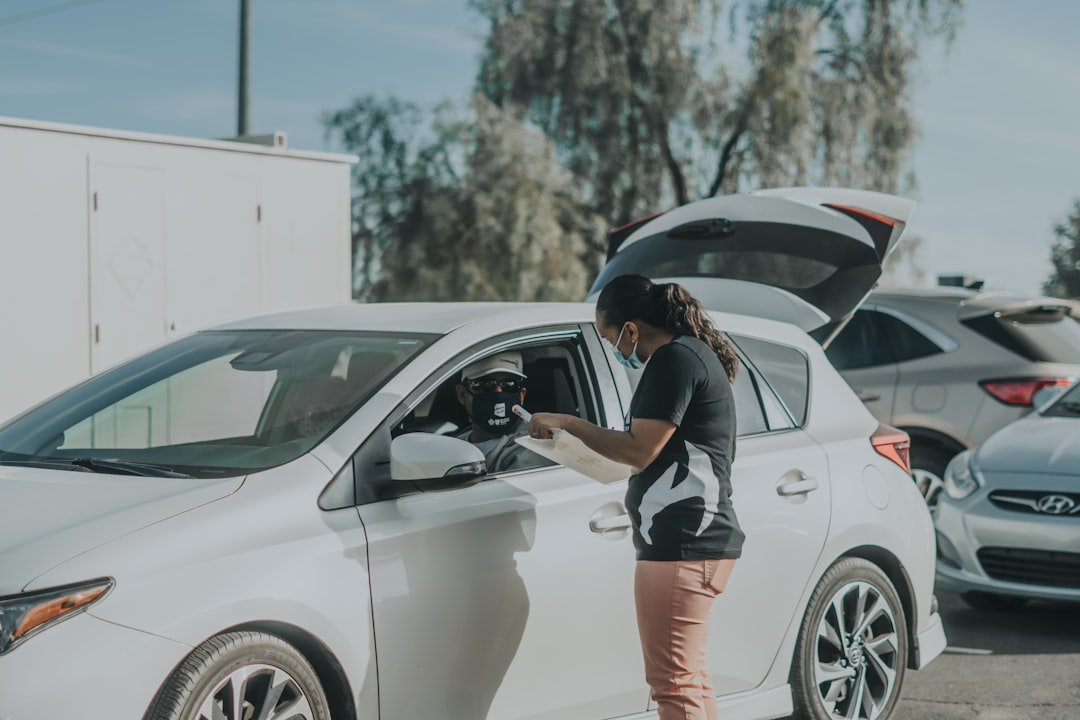
You’ve done it. The final payment has been made, the loan is history, and that sweet freedom of car ownership without debt is yours. Congratulations! It’s a fantastic feeling, isn’t it? That dependable vehicle sitting in your driveway, paid for and free and clear, represents a significant financial victory. But now that the financial burden is lifted, your focus can shift. You’re not just looking at a car; you’re looking at an investment in your continued mobility and a testament to your responsible financial habits. The real question now is, how do you ensure this asset continues to serve you well for as long as possible? Maximizing the lifespan of your paid-off car isn’t just about saving money on a new purchase; it’s about enjoying reliable transportation for years to come, reducing your environmental impact, and feeling the satisfaction of getting the most out of what you own. This isn’t about simply keeping it running; it’s about thriving with it.
This guide is designed to empower you with the knowledge and actionable steps to extend the life of your beloved, debt-free vehicle. We’ll delve into the critical aspects of maintenance, preventative care, smart driving habits, and even the little things that can make a big difference. Think of this as your roadmap to unlocking the full potential of your car, transforming it from just a vehicle into a long-term companion.
This is the bedrock of a long-lasting vehicle. You wouldn’t expect your body to perform at its peak without regular check-ups, and your car is no different. Neglecting basic maintenance is the surest way to accelerate wear and tear, leading to costly repairs and a shortened lifespan. Now that you’re not juggling car payments, you can reallocate some of those funds towards ensuring your car stays in optimal condition.
The Power of the Owner’s Manual
Your owner’s manual isn’t just a dusty booklet in your glove compartment; it’s your car’s bible. It contains manufacturer-recommended maintenance schedules tailored specifically to your vehicle’s make and model. Adhering to these guidelines is paramount.
Oil Changes: The Lifeblood of Your Engine
Engine oil is the lubricant that keeps your engine components moving smoothly, reducing friction and heat. Over time, oil breaks down and becomes contaminated with debris. Regular oil changes, at the intervals specified in your manual (typically every 3,000 to 7,500 miles, or as indicated by your car’s oil life monitoring system), are crucial.
Choosing the Right Oil and Filter
- Synthetic vs. Conventional Oil: Synthetic oils offer superior protection, especially in extreme temperatures and under heavy driving conditions. While they might cost a bit more upfront, they can extend your oil change intervals and provide better engine longevity. Consider consulting your manual or a trusted mechanic to determine the best type of oil for your car.
- High-Quality Oil Filters: Don’t skimp on the oil filter. A good filter traps more contaminants, ensuring cleaner oil circulates through your engine.
Fluid Flushes and Replacements: Beyond Just Oil
Your car relies on a symphony of fluids to operate efficiently. Neglecting them can lead to overheating, corrosion, and component failure.
Coolant: Preventing the Engine from Boiling Over
Coolant (antifreeze) circulates through your engine to regulate its temperature. Over time, it loses its protective properties and can become corrosive. Follow your manual’s recommendations for coolant flushes and replacements.
Transmission Fluid: The Heart of Your Drivetrain
The transmission is a complex and expensive component. Keeping its fluid clean and at the correct level is vital for smooth shifting and preventing excessive wear. Many modern cars have sealed transmissions, meaning the fluid is not meant to be changed regularly, but it’s still important to have it checked for leaks and degradation during your regular service appointments. If your car has a dipstick for transmission fluid, consult your manual for the correct procedure.
Brake Fluid: Your Safety Net
Brake fluid absorbs moisture over time, which can reduce its boiling point and lead to brake fade. It can also become contaminated. Regularly scheduled brake fluid flushes are essential for maintaining safe and effective braking.
Power Steering Fluid: For Effortless Steering
While many newer cars have electric power steering, older vehicles still rely on hydraulic fluid. Low or dirty power steering fluid can lead to difficult steering and premature pump wear.
Tire Care: The Foundation of Your Ride
Your tires are the only point of contact between your car and the road. Proper tire care not only enhances safety but also significantly impacts fuel efficiency and tire longevity.
Tire Rotation: Even Wear and Tear
Rotating your tires according to your manual’s schedule (usually every 5,000 to 7,500 miles) ensures that they wear evenly. This maximizes their lifespan and prevents premature replacement.
Tire Pressure: The Sweet Spot for Performance
Underinflated tires increase rolling resistance, leading to decreased fuel economy and accelerated wear. Overinflated tires can lead to a harsher ride and uneven wear. Regularly check your tire pressure, especially with temperature fluctuations, and inflate them to the recommended PSI found on the sticker in your driver’s side doorjamb or in your owner’s manual.
Wheel Alignment: Straight and True
Misaligned wheels can cause your tires to wear unevenly and prematurely. If you notice your car pulling to one side, or your tires showing feathering or cupping, it’s time for a wheel alignment.
Keeping Your Brakes in Top Shape: Safety First, Longevity Always
Your braking system is a critical safety feature. However, worn brake components can also lead to more significant and expensive damage if left unaddressed.
Brake Pad and Rotor Inspection: Listen for the Squeals
Brake pads have wear indicators that often produce a squealing noise when they are getting low. Don’t ignore this! Regular inspections by a mechanic will catch worn pads before they damage the rotors.
Checking for Leaks and Fluid Levels
As mentioned earlier, brake fluid levels and the absence of leaks are paramount. Any signs of leaks should be addressed immediately.
Beyond the Fluids: Other Essential Maintenance Tasks
- Air Filter Replacement: A clogged engine air filter restricts airflow, reducing engine performance and fuel economy. Replace it according to your manual’s recommendations.
- Cabin Air Filter: This filter cleans the air entering your car’s cabin, improving air quality for you and your passengers. Replacing it regularly ensures fresh air.
- Spark Plug Replacement: Spark plugs ignite the fuel-air mixture in your engine. Worn spark plugs can lead to misfires, poor fuel economy, and reduced power.
- Belts and Hoses Inspection: Rubber belts and hoses can degrade over time. Regular visual inspections can identify cracks, fraying, or leaks before they cause a breakdown.
Keeping a paid-off car for a longer period can be a wise financial decision, as it allows you to save on monthly payments and reduce overall expenses. By maintaining your vehicle properly and avoiding unnecessary upgrades, you can maximize its lifespan and value. For more insights on financial strategies related to vehicle ownership, you can read a related article at How Wealth Grows. This resource offers valuable tips on managing your finances effectively while making the most out of your assets.
The Art of Smart Driving: How You Drive Matters
You’ve mastered the art of paying off your car, now let’s focus on the art of driving it responsibly. The way you operate your vehicle has a direct impact on its wear and tear, fuel efficiency, and overall longevity. Adopting smart driving habits can significantly extend the life of your car and save you money in the process.
Gentle Acceleration and Braking: Smooth Operators
Aggressive driving, characterized by rapid acceleration and hard braking, puts immense stress on your engine, transmission, brakes, and suspension.
Smooth Starts and Stops
- Gentle on the Gas: Accelerate smoothly and avoid “flooring it” unless absolutely necessary. Imagine you have a cup of coffee on the dashboard – you wouldn’t want to spill it.
- Anticipate Traffic: Look ahead and anticipate traffic lights, stop signs, and slowdowns. This allows you to brake gradually rather than slamming on the brakes.
- Coast When Possible: If you see a red light or a stop sign approaching, lift your foot off the accelerator and let the car coast. This saves fuel and reduces brake wear.
Avoiding Excessive Idling: Turn It Off
Modern engines are designed to be efficient. Idling for extended periods wastes fuel and can even be detrimental to your engine in some cases, as it doesn’t allow the engine to reach optimal operating temperature.
When to Shut Off Your Engine
- Longer Stops: If you anticipate being stopped for more than 30 seconds to a minute (e.g., waiting for someone, at a long train crossing), it’s generally more fuel-efficient and better for your engine to turn it off and restart it.
- In Your Driveway: Don’t let your car idle for extended periods to warm it up on a cold morning. A minute or two is usually sufficient before you start driving gently.
Minimizing Short Trips: Let the Engine Warm Up
Short trips where the engine doesn’t have a chance to reach its optimal operating temperature can be tough on your car. Condensation can build up in the engine and exhaust system, leading to rust and corrosion over time.
Combining Errands
If possible, try to combine multiple short errands into one longer trip. This allows your engine to get up to temperature and operate more efficiently.
Avoiding Potholes and Rough Roads: Protect Your Suspension
Bouncing over potholes and rough terrain puts significant stress on your car’s suspension system, including shocks, struts, and various linkages.
Drive Defensively
Be aware of the road conditions ahead and steer around potholes and large bumps whenever it’s safe to do so.
Proper Gear Selection: Harnessing Your Transmission’s Potential
While most modern cars have automatic transmissions, understanding how to use them effectively can still make a difference.
Using “Overdrive” on the Highway
Ensure your automatic transmission is in “Drive” or “Overdrive” mode when on the highway. This allows the engine to run at lower RPMs, reducing wear and improving fuel economy.
Using Lower Gears for Downhill Driving (If Applicable)
If your car has manual transmission or a selectable low gear setting, using it for steep downhill descents can help control your speed without relying solely on your brakes, reducing brake wear.
Avoiding Overloading Your Vehicle: Know Your Limits
Each vehicle has a maximum weight capacity. Exceeding this limit puts undue stress on your suspension, brakes, and tires.
Check Your Owner’s Manual
Consult your owner’s manual for your vehicle’s specific payload capacity. Avoid consistently carrying excessive weight.
Proactive Problem Solving: Addressing Issues Before They Escalate

The beauty of owning a paid-off car is that you have the financial freedom to address minor issues as they arise. Don’t let small problems fester into major, expensive repairs. Think of yourself as a car detective, always on the lookout for subtle clues that your vehicle might be trying to tell you.
Listen to Your Car: The Sounds of Silence (and Noise)
Your car communicates with you through various sounds. Ignoring unusual noises is a recipe for disaster.
Unusual Noises
- Squealing or Grinding Brakes: As mentioned, a clear indicator of worn brake components.
- Clunking or Knocking: Could indicate suspension issues, exhaust problems, or even engine troubles.
- Hissing: Often a sign of a coolant leak.
- Whining: Could be related to power steering, alternator, or a belt issue.
Watch for Warning Lights: The Dashboard’s Language
Your dashboard warning lights are designed to alert you to potential problems. Don’t ignore them!
“Check Engine” Light: Don’t Panic, But Don’t Delay
This is perhaps the most common warning light. While it can indicate a minor issue, it can also signal something serious. Get it diagnosed by a mechanic promptly.
Common Causes of the “Check Engine” Light
- Loose gas cap
- Faulty oxygen sensor
- Catalytic converter issues
- Spark plug or ignition coil problems
Other Critical Warning Lights
- Oil Pressure Warning Light: This is a critical alert. If this light comes on, pull over immediately and turn off the engine. Low oil pressure can cause severe engine damage.
- Battery Warning Light: Indicates a problem with your charging system (alternator or battery).
- Brake Warning Light: Can indicate low brake fluid, a parking brake issue, or a more serious problem with your braking system.
- Coolant Temperature Warning Light: Means your engine is overheating. Pull over immediately and turn off the engine.
Addressing Leaks Promptly: Don’t Let Them Spread
Leaks, whether of oil, coolant, or other fluids, are a sign that something is wrong and can lead to bigger problems if left unattended.
Identifying the Source of Leaks
- Color of the Fluid: Different colored fluids can help identify the source (e.g., red is often transmission fluid, green or orange is coolant, brown/black is oil).
- Location of the Puddle: Where the leak is located under your car can also provide clues.
Keeping an Eye on Your Gauges: More Than Just Decoration
Your car’s dashboard gauges provide valuable real-time information about its operational status.
Temperature Gauge
Monitor your engine temperature closely. A reading consistently above normal can indicate cooling system issues.
Oil Pressure Gauge (If Equipped)
If your car has an oil pressure gauge, keep an eye on it. A sudden drop in pressure is a serious concern.
The Importance of a Clean Car: More Than Just Aesthetics

Keeping your car clean isn’t just about making it look good; it has practical benefits that contribute to its longevity. Dirt, grime, and salt can accelerate corrosion and damage various components.
Regular Washing: Protecting the Paint and Body
The exterior of your car is constantly exposed to the elements.
Washing Away Contaminants
- Road Salt: Especially in winter climates, road salt is highly corrosive. Thoroughly washing your car, paying attention to the undercarriage, is crucial to prevent rust.
- Bird Droppings and Tree Sap: These can etch into your paint if left on for too long. Wash them off as soon as possible.
- Dirt and Grime: Accumulation of dirt can trap moisture, leading to rust.
Using the Right Products
- pH-Neutral Car Soap: Avoid harsh detergents that can strip away protective waxes.
- Microfiber Mitts and Towels: These are gentle on your paint and prevent scratching.
Interior Care: Preserving the Cabin’s Value
The interior of your car is where you spend most of your time. Keeping it clean and well-maintained enhances your driving experience and can preserve its resale value.
Vacuuming and Cleaning Surfaces
Regularly vacuum your carpets and upholstery to remove dirt, debris, and potential allergens. Wipe down hard surfaces to remove dust and grime.
Protecting Leather and Upholstery
Use appropriate protectants for leather seats and vinyl surfaces to prevent cracking and fading from sun exposure.
Undercarriage Cleaning: The Unseen Hero
The underside of your car is exposed to a lot of dirt, salt, and road debris.
Rinsing Away Debris
Regularly rinse the undercarriage, especially after driving in areas with road salt or on muddy trails. This helps prevent rust and corrosion.
Keeping a paid-off car longer can be a wise financial decision, allowing you to save money on monthly payments and reduce overall expenses. By extending the life of your vehicle, you can allocate those funds toward savings or investments, ultimately contributing to your wealth-building goals. For more insights on managing your finances effectively, you might find this article helpful, which discusses various strategies for financial growth. Check it out here to learn more about how to make the most of your money.
Addressing Cosmetic Issues and Preventative Measures
| Benefits of Keeping a Paid Off Car Longer | Metrics |
|---|---|
| Reduced Monthly Expenses | Decrease in monthly car payments |
| Increased Savings | More money saved by not having a car payment |
| Lower Depreciation | Less depreciation on the car’s value |
| Less Financial Stress | Reduced financial burden of car payments |
| Opportunity for Investment | Ability to invest the money saved from not having a car payment |
Beyond the essential maintenance and cleaning, there are proactive steps you can take to prevent minor cosmetic issues from becoming larger problems, further safeguarding your investment.
Waxing Your Car: A Shield Against the Elements
A good coat of wax provides a protective barrier for your car’s paint.
Regular Waxing Schedule
Aim to wax your car at least twice a year, perhaps in the spring and fall. This helps protect the paint from UV rays, environmental contaminants, and minor scratches.
Protecting Your Windshield and Wiper Blades
Your windshield is your primary view of the road, and your wiper blades are crucial for visibility.
Windshield Repair
Small chips and cracks in your windshield can spread if not addressed. Get them repaired promptly by a professional.
Wiper Blade Replacement
Worn wiper blades can streak, skip, and reduce visibility during rain or snow. Replace them annually or when you notice signs of wear.
Rust Prevention: A Constant Battle in Some Climates
Rust is the enemy of your car’s structural integrity.
Touch-Up Paint for Scratches
If you notice small paint chips or scratches that expose bare metal, touch them up promptly with matching paint to prevent rust from forming.
Undercoating and Rustproofing (Consideration)
In areas with heavy road salt usage, consider professional undercoating or rustproofing treatments. While not a permanent solution, they can significantly slow down the rusting process.
Maintaining Your Headlights and Taillights
Clean and functional headlights and taillights are crucial for safety.
Polishing Cloudy Headlights
Over time, headlight lenses can become cloudy due to UV exposure. Polishing them can restore their clarity and improve nighttime visibility.
Replacing Dim or Burned-Out Bulbs
Ensure all your lights are functioning correctly. Dim or burned-out bulbs are a safety hazard.
Seat Coverings and Floor Mats: Protecting the Interior From Wear
Investing in quality seat covers and all-weather floor mats can protect your original upholstery from spills, stains, and excessive wear. This is especially beneficial if you have pets or young children.
Regular Detailing: A Deep Dive into Preservation
While regular washing is important, occasional professional detailing can go a long way. Detailers have specialized tools and products to clean and protect your car both inside and out, addressing areas you might miss and providing a deeper level of care.
By embracing these practices, you’re not just maintaining your car; you’re actively investing in its future. You’re transforming it from a depreciating asset into a dependable companion that will continue to serve you faithfully, free from the burden of debt, for many years to come. Enjoy the peace of mind and the continued freedom that comes with a well-cared-for, paid-off vehicle. You’ve earned it!

Your $800 Car Payment Could Be a $1 Million Decision
FAQs
1. Why should I keep a paid off car longer?
Keeping a paid off car longer can save you money in the long run by avoiding monthly car payments and depreciation. It also allows you to maximize the value of your initial investment in the vehicle.
2. What are some tips for maintaining a paid off car for a longer period of time?
Regular maintenance such as oil changes, tire rotations, and fluid checks can help extend the life of your car. Additionally, driving with care, avoiding aggressive driving, and keeping the car clean can also contribute to its longevity.
3. How can I extend the lifespan of my paid off car?
Regularly servicing your car, addressing any issues promptly, and following the manufacturer’s recommended maintenance schedule can help extend the lifespan of your paid off car. Additionally, driving with care and avoiding harsh driving conditions can also contribute to its longevity.
4. What are the benefits of keeping a paid off car longer?
Keeping a paid off car longer can save you money by avoiding monthly car payments and depreciation. It also allows you to maximize the value of your initial investment in the vehicle and can provide a sense of financial security.
5. When should I consider replacing my paid off car?
You should consider replacing your paid off car when the cost of repairs and maintenance becomes excessive, the car no longer meets your needs, or when it becomes unreliable and unsafe to drive. Additionally, if the cost of fuel and insurance for the car outweighs its value, it may be time to consider a replacement.