You’re staring at your house, the walls a little dingy, the kitchen appliances a decade past their prime, and that bathroom? Let’s just say it’s seen better days. The desire to upgrade, to breathe new life into your sanctuary, is a powerful one. You envision sleek countertops, a spa-like shower, perhaps even that dream home office you’ve been picturing. But then, reality crashes in, usually in the form of a contractor’s estimate or a quick peek at material prices. Why, you wonder, is this so darn expensive? You’re not just paying for materials; you’re paying for a symphony of factors that converge to make home upgrades a significant financial undertaking.
When you think about the cost of your home upgrade, your mind likely jumps to the shiny new cabinets or that beautiful tile. But the most significant portion of your bill, often accounting for 40-60% of the total, is labor. This isn’t just the handyman swinging a hammer; it’s a complex ecosystem of skilled professionals, each with their own specialized knowledge and experience.
The Expertise You’re Paying For
You’re not just hiring someone to do a job; you’re hiring years of training, apprenticeships, and practical experience. Think about it: an electrician who can safely wire your entire home, ensuring it meets code and won’t be a fire hazard, isn’t just a guy with a toolbox. They’ve invested time and effort into understanding complex electrical systems, troubleshooting, and safety protocols. Similarly, a plumber who can diagnose and fix a leaky pipe without causing water damage requires a deep understanding of water flow, pressure, and drainage. This specialized knowledge translates directly into their hourly rates. You’re paying for their ability to anticipate problems, execute tasks efficiently and correctly the first time, and avoid costly mistakes that could lead to more significant repairs down the line.
The Hidden Layers of a Project
Beyond the primary trades, there are often numerous other individuals involved in your upgrade. This could include project managers who coordinate schedules and resources, site supervisors who ensure quality control and safety, and even administrative staff who handle permits, invoicing, and communication. Each of these roles contributes to the smooth execution of your project, and their salaries are factored into the overall cost. You might not directly interact with them, but their contributions are essential to a successful outcome.
The Impact of Supply and Demand on Labor
Like any market, the construction and home improvement industry is subject to the forces of supply and demand. When there’s a high demand for skilled labor – think of a booming housing market or a surge in renovation projects after a natural disaster – contractors can command higher prices. Conversely, if there’s a shortage of qualified workers in your area, you might find yourself waiting longer for an available contractor and paying a premium for their time. This ebb and flow of the labor market is a significant driver of upgrade costs.
The Cost of Doing it Right: Insurance and Licensing
Reputable contractors carry insurance, including liability and worker’s compensation. This protects you from financial repercussions if an accident occurs on your property. Obtaining and maintaining this insurance is a significant expense for businesses, and it’s a cost that’s passed on to you, the client. Similarly, many trades require specific licenses and certifications. The process of obtaining and renewing these licenses involves fees, ongoing education, and adherence to regulations, all of which contribute to their operating costs. You’re paying for the peace of mind that comes with working with a legitimate and insured professional.
Upgrading your home can often feel like a daunting financial burden, and a related article that delves into this topic is available at How Wealth Grows. This article explores the various factors contributing to the high costs of home renovations, including rising material prices, labor shortages, and the impact of inflation on the housing market. Understanding these elements can help homeowners make informed decisions about their upgrades and budget more effectively for their projects.
The Price Tag of Pretty: Material Costs You Can’t Ignore
Once you’ve factored in the labor, you’re left with the tangible components of your upgrade: the materials. This is where you see the actual stuff you’re paying for, but even here, the prices can be surprisingly steep. The world of building materials is vast and complex, influenced by everything from global supply chains to the latest design trends.
The Fluctuation of the Market
The cost of raw materials like lumber, steel, copper, and even basic concrete can fluctuate dramatically. These fluctuations are driven by a multitude of factors: global economic conditions, geopolitical events, natural disasters that disrupt production or transportation, and even seasonal demand. For example, lumber prices can soar during peak construction seasons or plummet during a housing market slowdown. You might get a quote today, and by the time you’re ready to start, the price of a key material could have already increased. Contractors often build in a buffer for these potential price changes, which is another reason why initial estimates can seem high.
The Allure of Aesthetics: High-End Finishes and Their Premium
It’s undeniable that the aesthetic choices you make have a profound impact on the overall cost. While you can find perfectly functional laminate countertops, opting for granite, quartz, or marble immediately elevates the price. Similarly, opting for premium fixtures, designer tiles, or custom-built cabinetry will cost significantly more than their standard counterparts. These materials often involve more intricate manufacturing processes, higher-quality components, and the prestige of a particular brand. You’re not just paying for a surface to prepare food on; you’re paying for the look, feel, durability, and perceived value that these premium materials bring.
The Journey from Source to Site: Transportation and Logistics
The cost of getting materials to your doorstep isn’t as simple as picking them up from the local lumberyard. For larger projects, or for specialized materials, significant transportation costs are involved. This can include freight charges, fuel surcharges, and the logistical complexities of moving heavy or oversized items. If your materials are sourced from overseas, you’ll also be factoring in import duties, customs fees, and longer shipping times, all of which contribute to the final price tag.
The Hidden Costs of “Green” and Sustainable Options
While the desire for eco-friendly and sustainable materials is commendable, these options often come with a higher upfront cost. The research, development, and specialized manufacturing processes required to produce recycled content, sustainably sourced wood, or low-VOC paints can be more expensive. You might be paying for certifications, responsible sourcing practices, and innovative technologies that contribute to a healthier planet. While the long-term benefits might outweigh the initial cost, it’s a factor to consider in your budget.
The Invisible Architect: Design and Planning Fees

Before a single hammer swings or a tile is laid, there’s a crucial phase of design and planning. This is where your vision starts to take tangible form, and it involves professionals who bring expertise in aesthetics, functionality, and building codes.
The Visionary’s Touch: Architects and Interior Designers
If you’re undertaking a significant renovation or addition, you might engage an architect. They translate your ideas into detailed blueprints, ensuring structural integrity, compliance with building codes, and optimal use of space. Architects spend years honing their skills in design principles, engineering, and legal requirements. Their fees are a reflection of this extensive knowledge and the meticulous planning they undertake. Similarly, interior designers can help you create a cohesive and functional aesthetic, selecting materials, colors, and furnishings. They understand how different elements work together to create a desired atmosphere and can save you from costly design mistakes.
The Structural Foundation: Engineers and Permits
For any structural changes, you’ll likely need the input of a structural engineer. They assess the load-bearing capacity of existing structures and design new ones to ensure safety and stability. Their calculations and designs are critical for preventing collapses or other structural failures. Obtaining building permits is another essential step that adds to the cost. This involves fees paid to your local municipality, and the process can be time-consuming, requiring detailed plans and inspections at various stages of the project. These permits are in place to ensure your renovation meets safety standards and zoning regulations, protecting both you and the community.
The Unforeseen Hiccups: Contingency Planning
Even with the most thorough planning, unexpected issues can arise during a renovation. This is why smart contractors and homeowners build in a contingency fund, typically 10-20% of the project cost. This fund is for those unforeseen problems, like discovering hidden rot in your walls, encountering outdated plumbing or electrical systems that need upgrading, or finding structural issues that weren’t apparent during the initial assessment. While not a direct cost of the planned upgrade, this contingency is a crucial element of a realistic budget and helps you avoid financial distress when the unexpected happens.
The Shifting Sands: Unforeseen Problems and Hidden Defects
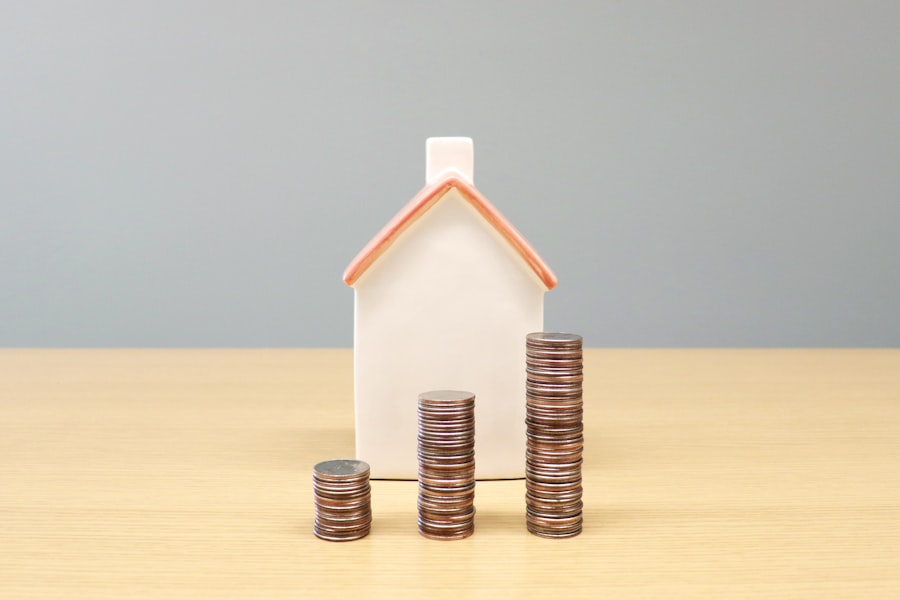
This is often the most frustrating aspect of home upgrades. You think you know what you’re dealing with, but as soon as you start peeling back the layers, you discover problems you never anticipated.
The Ghosts of Renovations Past: Outdated Systems
Older homes are particularly prone to hidden issues. You might be replacing a bathroom vanity, only to discover that the plumbing behind it is corroded and needs a complete overhaul. Or you might be renovating your kitchen and find that your electrical wiring is not up to modern code and requires a full rewiring. These are not part of your initial plan, but they are essential for the safety and functionality of your home. The cost of rectifying these hidden defects can significantly increase your budget.
The Battle Against Pests and Decay
Wood rot, termite damage, and mold infestations are unwelcome guests that can lurk behind walls and under floors. Discovering these issues during a renovation requires immediate attention, as they can compromise the structural integrity of your home and pose health risks. Remediation and repair of these problems can be expensive, involving specialized treatments and replacement of damaged materials. You’re not just paying for the new drywall; you’re paying to eradicate an infestation and ensure the long-term health of your home.
The Mysteries of the Foundation
While less common, problems with your home’s foundation can be the most costly to address. Cracks, settling, or water intrusion issues can require extensive and expensive repairs, often involving excavation and structural reinforcements. These are the kinds of problems that are rarely apparent until a major renovation begins or until the issue becomes severe.
Upgrading your home can often feel like a daunting financial commitment, and many homeowners are left wondering why the costs seem to escalate so quickly. Factors such as rising material prices, labor shortages, and increased demand for home renovations contribute significantly to this phenomenon. For a deeper understanding of the financial implications of home improvements, you might find it helpful to read this insightful article on the topic. It explores various aspects of home upgrades and their associated costs, which can be accessed here.
The Value Proposition: Is It Worth It?
| Reasons for High Cost of Home Upgrades | Explanation |
|---|---|
| Material Costs | The price of building materials such as lumber, steel, and concrete has increased significantly in recent years. |
| Labor Costs | Skilled labor is in high demand, leading to higher wages for contractors and construction workers. |
| Regulations and Permits | Compliance with building codes and obtaining necessary permits can add to the overall cost of a home upgrade project. |
| Design and Customization | Homeowners often want unique and customized features, which can drive up the cost of materials and labor. |
| Supply Chain Disruptions | Disruptions in the supply chain, such as shortages of certain materials, can lead to higher prices and delays. |
After all these costs, you’re likely asking yourself, “Is this even worth it?” The answer, as with most things in life, is nuanced. Home upgrades are rarely a direct return on investment in terms of recouping every penny spent. However, they offer a multitude of benefits that go beyond mere financial gain.
Enhancing Your Quality of Life
The most immediate and often most valuable benefit of home upgrades is the improvement in your daily life. A functional, beautiful, and comfortable home can significantly reduce stress, increase your enjoyment of your living space, and improve your overall well-being. Imagine cooking in a kitchen you love, relaxing in a bathroom that feels like a retreat, or having a home office that inspires productivity. These are tangible improvements that impact your happiness and quality of life.
Increasing Your Home’s Resale Value (But Not 1:1)
While you won’t typically recoup 100% of your upgrade costs at resale, strategic renovations can certainly increase your home’s market value. Buyers are often willing to pay a premium for updated kitchens, bathrooms, and energy-efficient features. However, the key is to choose upgrades that appeal to a broad range of buyers and to avoid overly personal or niche choices that might limit your appeal. Think timeless design and functionality rather than highly specific trends.
Protecting Your Investment
Some upgrades are not just about aesthetics; they are about preservation and protection. Replacing a leaky roof, upgrading outdated electrical systems, or improving insulation can prevent costly damage and further deterioration of your home. These “preventative maintenance” upgrades, while not glamorous, are crucial for safeguarding your long-term investment and avoiding much larger expenses down the line. They are an investment in the longevity and integrity of your most significant asset.
The cost of home upgrades is a multifaceted equation, built upon the skilled hands of tradespeople, the ever-shifting prices of materials, the intricate dance of design and planning, and the unwelcome surprises that often lie hidden. While the sticker shock can be daunting, understanding these contributing factors allows you to approach your renovation projects with realistic expectations, informed decision-making, and ultimately, a greater appreciation for the transformative power of a well-executed upgrade. You’re not just buying new cabinets; you’re investing in your comfort, your enjoyment, and the enduring value of your home.

Your House Went Up $200K. You Didn’t.
FAQs
1. Why is upgrading your home so expensive?
Upgrading your home can be expensive due to the cost of materials, labor, and permits. Additionally, the complexity of the project and the quality of the materials used can also contribute to the overall expense.
2. What are some common factors that contribute to the high cost of home upgrades?
Some common factors that contribute to the high cost of home upgrades include the size of the project, the need for specialized labor or materials, and any structural changes that may be required.
3. Are there any ways to reduce the cost of home upgrades?
There are several ways to reduce the cost of home upgrades, such as obtaining multiple quotes from different contractors, considering alternative materials, and prioritizing the most essential upgrades first.
4. How can homeowners budget for home upgrades?
Homeowners can budget for home upgrades by carefully planning the scope of the project, obtaining cost estimates from multiple sources, and setting aside a contingency fund for unexpected expenses.
5. What are some long-term benefits of investing in home upgrades despite the high cost?
Despite the high cost, investing in home upgrades can lead to increased property value, improved energy efficiency, and enhanced comfort and functionality for the homeowners. Additionally, certain upgrades may also result in long-term cost savings.