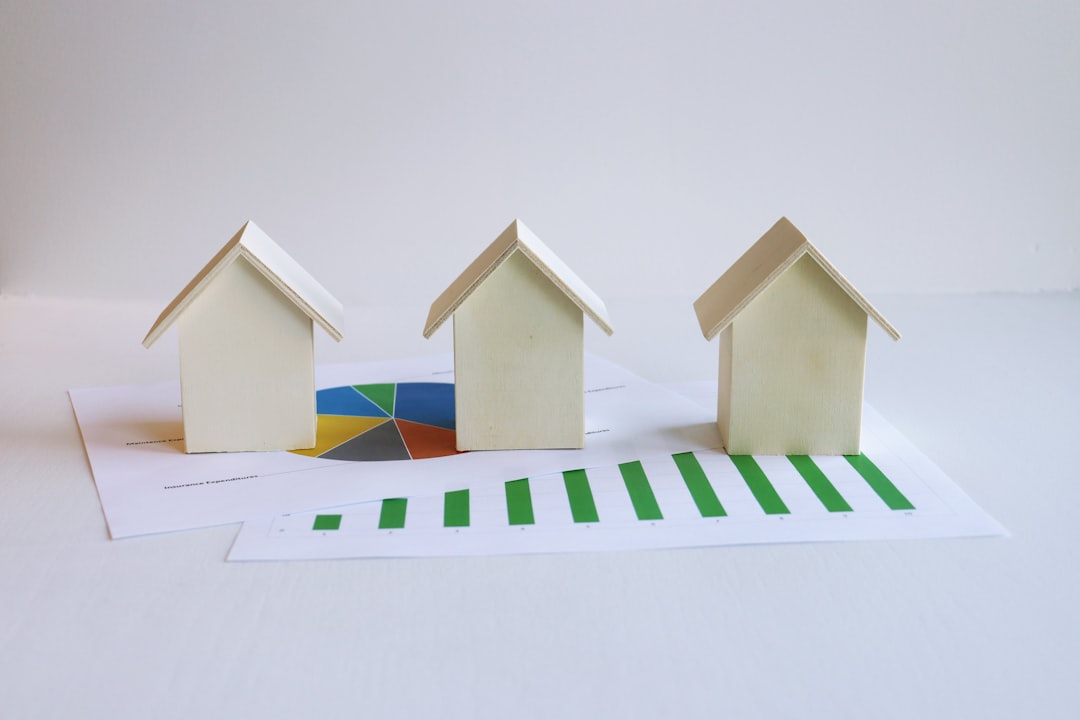
You stare at your bank statement, a familiar knot tightening in your stomach. It’s not about bills being due, or a looming mortgage payment. It’s about your biggest asset, the house you’ve poured so much of your life into, becoming your gilded cage. You’re a homeowner, and you’re trapped. The equity you’ve diligently built, the very symbol of your financial security, has morphed into a barrier, keeping you from the next chapter you’ve dreamed of. This is the paradox of homeowner stagnation, a silent crisis affecting countless individuals like you, who find themselves immobile, not due to a lack of desire, but due to the very wealth they’ve accumulated.
You’ve seen the headlines, the rosy forecasts about property values climbing. You’ve diligently paid down your mortgage, maybe even undertaken renovations that added significant value. On paper, you’re wealthier than ever. But this perceived wealth isn’t liquid. It’s tied up, brick and mortar, in a dwelling that no longer perfectly suits your needs, or perhaps, your ambitions.
The Ever-Increasing Price Tag of Your Next Move
The most immediate consequence of your rising equity is the daunting prospect of buying your next home. You look at the market, comparing your current home’s value to the prices of the properties you’re considering. The gap is often wider than you anticipated. Your substantial equity, while impressive, doesn’t always translate into a proportional increase in purchasing power. The same market forces that inflated your current home’s value have also inflated the price of everything else.
The Down Payment Dilemma
You might think your equity is your down payment, a golden ticket to your next dream home. But the reality is more complex. To truly leverage your equity, you often need to sell your current home. And if you sell, you’ll likely need to buy your next home simultaneously, or face a period of temporary housing. This often means you need to secure financing for both your new purchase and potentially cover a temporary mortgage or rental costs, all while your existing equity is tied up in the sale of your old home. It’s a logistical and financial tightrope walk.
The Cost of Entry for “Better” Homes
“Better” can mean many things. It could be a home closer to family, a place with a more manageable yard, or a property in a neighborhood with better schools. But “better” almost always comes with a higher price tag. Your current home’s market value might be $500,000, and you have $300,000 in equity. You dream of a $700,000 home. That sounds manageable, right? But consider the transaction costs: realtor commissions, closing costs on both ends, potential moving expenses, and the need for a larger mortgage that comes with higher monthly payments. Suddenly, that $200,000 difference feels much more substantial.
The Opportunity Cost of Staying Put
You’re not just losing out on the home you want; you’re also missing out on other life opportunities. Perhaps you’ve always dreamed of starting a small business, but the thought of liquidating your home equity is too overwhelming. Or maybe you envision a life of travel, but the idea of being tied to a mortgage and property maintenance makes it seem impossible.
Career Mobility and Relocation
Your career might be calling you elsewhere. A promotion in another city, a new job opportunity that promises significant growth – these are often exciting prospects. However, the idea of selling your home, navigating a new housing market, and potentially taking a financial hit to relocate can be a powerful deterrent. You might find yourself declining incredible career advancements simply because moving feels too financially precarious.
Life Transitions and Shifting Needs
Life is rarely static. Your family size might have changed, your health needs may have evolved, or you might be approaching retirement and desire a simpler, lower-maintenance lifestyle. Your current home, once perfect, may now be too large, too small, or too difficult to manage. Yet, the financial complexities of selling and buying can freeze you in place, preventing you from adapting your living situation to your current needs.
Many homeowners are experiencing a sense of being stuck despite the rising equity in their properties, largely due to factors such as high mortgage rates and a limited housing inventory. This paradox is explored in depth in a related article that discusses the complexities of the current real estate market and the emotional toll it takes on homeowners. For more insights on this topic, you can read the article here: How Wealth Grows.
The Unseen Costs: Transaction and Holding Expenses
The headline equity figures don’t tell the whole story. The costs associated with moving are significant, often underestimated, and can eat into your perceived gains.
The Commission Conundrum
The most obvious transaction cost is the real estate agent commission. Typically, this is a percentage of the sale price, which on a high-value home can be tens of thousands of dollars. This is money that goes directly to the professionals facilitating the sale, and it’s a cost you incur regardless of how much equity you have.
Negotiating the Commission
While commissions are standard, you might have some leverage to negotiate. However, in a strong seller’s market, agents may be less inclined to budge. Understanding current market conditions and agent competition can help you approach this conversation.
Closing Costs: The Hidden Drain
Beyond commissions, there are a multitude of closing costs involved in selling your home. These can include title insurance, escrow fees, attorney fees, transfer taxes, and any repairs you agree to make as part of the sale. These are often overlooked until the final stages of a transaction, adding another layer of financial burden.
Seller-Side Closing Costs
On the buyer’s side, there are also closing costs. If you’re buying a new home, you’ll incur these expenses again. The cumulative effect of these costs on both ends of a transaction can be substantial, making the net gain from your sale less than you initially calculated.
The Cost of Maintaining a “Too Big” Home
If your current home is now larger than you need, you’re not just paying a mortgage; you’re paying for every extra square foot. This includes higher property taxes, increased utility bills (heating, cooling, lighting), more expensive insurance premiums, and greater maintenance and repair costs. These ongoing expenses are a direct drain on your finances, yet they are a consequence of being “trapped” in a home that no longer fits your lifestyle.
Energy Inefficiencies
Older, larger homes can be notoriously inefficient. Drafty windows, outdated insulation, and older HVAC systems all contribute to higher energy consumption and, consequently, higher bills. The cost of upgrading these systems can be prohibitive, further incentivizing you to stay put.
Maintenance Headaches
A larger home means more roof to maintain, more windows to clean, more gutters to clear, and more grounds to manage. These aren’t just time commitments; they are financial ones. Unexpected repairs on a large property can quickly become major expenses.
The Psychological Toll of Immobility

Beyond the financial hurdles, there’s a significant psychological impact to feeling stuck. The dream of a better future can start to feel like an unattainable fantasy.
The Erosion of Ambition
When your primary asset becomes a barrier, it can stifle ambition. The drive to improve, to seek new experiences, or to achieve financial freedom can wane when you feel permanently tethered to your current situation. You might start to settle for less, accepting your current circumstances as the inevitable outcome of your success.
The “Golden Handcuffs” Effect
The term “golden handcuffs” is often used in the corporate world, but it applies equally to homeowners. The comfort and security of your equity can become a form of entrapment, preventing you from taking risks that could lead to greater rewards. The fear of losing what you’ve built can be a powerful inhibitor.
The Frustration of Unmet Needs
Living in a home that no longer meets your needs can lead to ongoing frustration. Whether it’s the lack of space for a home office, the inability to comfortably host visiting family, or the constant struggle with maintenance, these unmet needs can chip away at your quality of life.
The “What If” Syndrome
You might find yourself constantly dwelling on “what ifs.” What if you had moved five years ago? What if you had chosen a different type of property? This constant rumination can lead to regret and a sense of missed opportunity.
Strategies for Breaking Free: Navigating the Equity Maze
While the situation can feel overwhelming, there are strategies you can employ to navigate this homeowner stagnation. It requires careful planning, a willingness to explore alternative options, and perhaps a shift in your perspective.
Financial Planning and Market Analysis
The first step is to gain a clear understanding of your financial situation and the current market dynamics.
Comprehensive Financial Assessment
Before making any decisions, sit down and conduct a thorough assessment of your finances. This includes your current income, savings, debts, and a realistic projection of your expenses in a new home. Consider consulting a financial advisor to help you create a detailed plan.
Realistic Market Research
Don’t rely on generalized market reports. Dig deep into the specific neighborhoods you’re interested in. Understand the inventory, the average sale prices, and the typical time properties stay on the market. This will give you a clearer picture of what your money can buy.
Exploring Alternative Housing Options
Your next home doesn’t have to be a direct replica of what you’re leaving behind.
Downsizing or Rightsizing
Consider downsizing to a smaller, more manageable home. This can significantly reduce your ongoing costs and free up equity. Alternatively, “rightsizing” means finding a home that perfectly fits your current needs, even if it’s not necessarily smaller.
Different Property Types
Explore different property types. A townhouse, a condo, or even a smaller detached home in a different but desirable area might offer a better balance of affordability and lifestyle.
Creative Financing and Transactional Approaches
Sometimes, thinking outside the box with financing and how you structure the transaction can make a difference.
Bridge Loans
A bridge loan can help you purchase a new home before you sell your current one. This offers more flexibility but comes with its own set of costs and risks.
Renting Out Your Current Home
If selling feels too premature, you could consider renting out your current home and then buying or renting your next residence. This can provide rental income while you strategize your long-term move, but it also adds the responsibilities of being a landlord.
Negotiating Extended Occupancy Agreements
If you find a buyer for your current home, you might be able to negotiate an extended occupancy agreement, allowing you to stay in your home for a period after closing. This can provide valuable time to find your next property without the immediate pressure of moving out.
Many homeowners are experiencing a sense of being stuck despite the rising equity in their properties, a situation that can be attributed to various factors such as high mortgage rates and a lack of affordable housing options. This feeling of stagnation is explored in detail in a related article, which discusses the complexities of the current real estate market and how they impact homeowners’ decisions. For more insights on this topic, you can read the article here. Understanding these dynamics can help homeowners navigate their options more effectively.
The Future of Homeownership: Adapting to a Shifting Landscape
“`html
| Reasons | Percentage |
|---|---|
| High housing prices | 45% |
| Lack of affordable housing options | 30% |
| Economic uncertainty | 20% |
| Fear of not finding a suitable replacement home | 15% |
| Emotional attachment to current home | 10% |
“`
The challenges of homeowner stagnation are not likely to disappear overnight. As housing markets continue to evolve, and the cost of entry remains a significant hurdle, homeowners will need to be more adaptable and strategic than ever before.
The Role of Policy and Market Intervention
Governments and financial institutions play a crucial role in addressing issues like homeowner stagnation. Policies that incentivize affordable housing development, offer tax breaks for first-time buyers, or provide relief for existing homeowners looking to downsize could all help alleviate the pressure.
Affordable Housing Initiatives
Increased investment in affordable housing projects can create more options for people looking to enter the market or upgrade without breaking the bank.
Tax Incentives for Downsizing
Tax credits or deductions for homeowners who downsize could encourage mobility and free up larger homes for families that need them.
A Mindset Shift Towards Flexibility
Ultimately, breaking free from homeowner stagnation might require a fundamental shift in mindset. Instead of viewing your home as a static investment, consider it a dynamic asset that can be leveraged to facilitate your life’s journey.
Embracing a More Fluid Lifestyle
The traditional idea of staying in one home for decades is becoming less common. Embracing a more fluid approach to housing, where moving and adapting are seen as natural parts of life, can reduce the anxiety associated with these transitions.
Prioritizing Experiences Over Fixed Assets
While homeownership is a significant achievement, it’s important to remember that it’s a means to an end, not the end itself. Prioritizing experiences, personal growth, and overall well-being over the singular goal of accumulating static wealth can lead to a more fulfilling life, even if it means navigating the complexities of homeowner stagnation with a renewed sense of purpose. You are not simply an owner of a house; you are the architect of your life, and with careful planning and a touch of bravery, you can find your way out of your gilded cage and into the future you deserve.

Your House Went Up $200K. You Didn’t.
FAQs
1. What is home equity?
Home equity is the current market value of a homeowner’s property minus the outstanding mortgage balance. It represents the portion of the property that the homeowner truly owns.
2. Why do homeowners feel stuck despite rising equity?
Homeowners may feel stuck despite rising equity due to various reasons such as high interest rates on their current mortgage, lack of affordable housing options in their desired area, or the costs associated with selling and moving to a new home.
3. How does rising equity affect homeowners?
Rising equity can provide homeowners with the opportunity to access cash through a home equity loan or line of credit, or to sell their home for a profit. It can also give homeowners a sense of financial security and stability.
4. What are some options for homeowners feeling stuck despite rising equity?
Homeowners feeling stuck despite rising equity can consider refinancing their mortgage to take advantage of lower interest rates, exploring home equity loans or lines of credit, or downsizing to a more affordable property.
5. What are the potential risks of using home equity to address feeling stuck?
Using home equity to address feeling stuck can carry risks such as increasing the overall debt burden, potentially facing foreclosure if unable to make payments, and reducing the equity available for future needs or emergencies. It’s important for homeowners to carefully consider their options and consult with financial professionals before making any decisions.