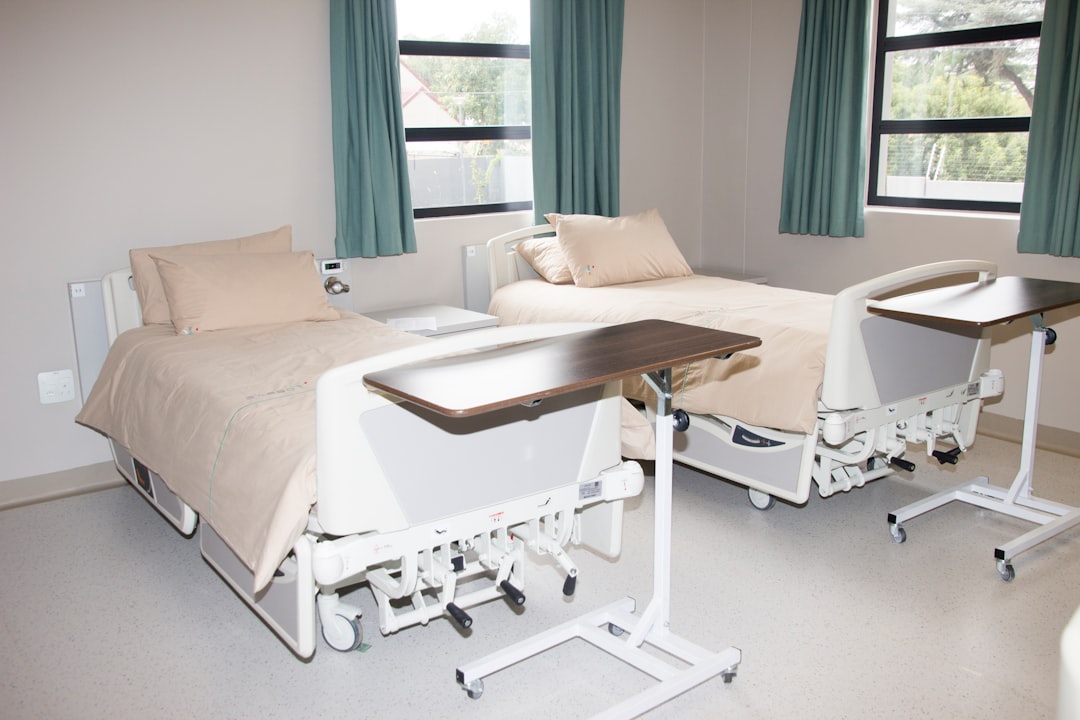
Does Medicare Cover Nursing Home Care: What You Need to Know
Navigating the complexities of healthcare, especially when it comes to long-term care, can feel like deciphering an ancient map. One of the most common and crucial questions that arises is: “Does Medicare cover nursing home care?” The short answer, and one that often leads to further confusion, is “It depends.” Medicare, the federal health insurance program for people 65 and older, individuals with disabilities, and those with End-Stage Renal Disease, has specific guidelines about what it will and will not pay for. Understanding these nuances is vital for planning your healthcare future and ensuring you can access the care you need. This article aims to demystify Medicare’s coverage for nursing home care, breaking down the essential information you need to know.
Before diving into the specifics of coverage, it’s important to grasp Medicare’s fundamental purpose and how that aligns with the nature of nursing home care. Medicare was primarily designed to cover medically necessary services and treatments related to acute illnesses and injuries. It focuses on restoring your health or managing a specific medical condition. Nursing home care, on the other hand, often encompasses a broader spectrum of services, including custodial care, which involves assistance with daily living activities like bathing, dressing, eating, and toileting, without a direct medical necessity. This distinction is at the heart of why Medicare’s coverage for nursing homes is limited.
Medicare vs. Medicaid: A Crucial Distinction
It is absolutely imperative to differentiate between Medicare and Medicaid when discussing long-term care. You might hear these terms used interchangeably, but they are entirely separate programs with different eligibility requirements and coverage scopes.
Medicare: Federal Health Insurance for Seniors and Specific Disabilities
Medicare is a federal program primarily for individuals aged 65 and older, as well as younger people with certain disabilities and those with End-Stage Renal Disease (ESRD). It is not based on income. You contribute to Medicare through payroll taxes during your working years.
Medicaid: Joint Federal and State Program Based on Income and Assets
Medicaid is a joint federal and state program that provides health coverage to individuals and families with limited income and resources. It is designed to cover a wider range of services than Medicare, including long-term care, but eligibility is strictly determined by your financial situation.
The Medical Necessity Mandate
The core principle driving Medicare coverage for nursing home care is “medical necessity.” This means that Medicare will only pay for services that are deemed medically necessary for the diagnosis or treatment of an illness or injury.
What Constitutes Medical Necessity for Medicare?
For Medicare to consider nursing home care medically necessary, you typically need to have a specific, acute medical condition that requires skilled nursing services or rehabilitation therapies.
Examples of Medically Necessary Services Covered by Medicare in a Skilled Nursing Facility
Think of situations where you’ve had a surgery, a serious illness, or a debilitating injury. Medicare might cover your stay in a Skilled Nursing Facility (SNF) if you require:
- Skilled Nursing Care: This includes services provided by registered nurses (RNs) or licensed practical nurses (LPNs) that require specialized training and judgment. Examples include wound care, administering IV medications, monitoring vital signs, and managing complex medical treatments.
- Rehabilitative Therapies: If you need to regain strength, mobility, or specific functional abilities after an illness, injury, or surgery, Medicare can cover your stay in an SNF for physical therapy (PT), occupational therapy (OT), and speech therapy (ST). This is often a crucial component of post-hospital recovery.
If you’re looking for information on whether Medicare covers nursing home care, you might find it helpful to read a related article that discusses the various aspects of Medicare coverage and long-term care options. This article provides insights into what services are covered, eligibility requirements, and alternatives for those who may not qualify for Medicare. For more details, you can visit the article here: How Wealth Grows.
Medicare’s Coverage for Skilled Nursing Facilities (SNFs)
Medicare’s coverage for nursing home care is specifically tied to Skilled Nursing Facilities (SNFs), not custodial care facilities. This is a critical distinction. SNFs are licensed facilities that provide 24-hour nursing care and rehabilitation services. Not all nursing homes qualify as SNFs.
Understanding the Difference Between SNFs and Other Nursing Homes
It’s essential to understand that the term “nursing home” can encompass facilities that primarily offer custodial care. These facilities are generally not covered by Medicare.
Skilled Nursing Facility (SNF): Focus on Medical Care and Rehabilitation
A SNF is equipped to handle complex medical needs and provides a higher level of care than a typical custodial care facility. Your stay in an SNF is usually a temporary, post-hospital measure.
Custodial Care Facility: Focus on Daily Living Assistance
A custodial care facility, often referred to as an assisted living facility or a traditional nursing home without a dedicated SNF unit, primarily provides help with activities of daily living (ADLs) like bathing, dressing, and eating. This type of care is generally not covered by Medicare.
The Crucial Link: Hospitalization is Key
For Medicare to cover your stay in a Skilled Nursing Facility, you must have had a qualifying hospital stay before admission to the SNF. This hospitalization must be for at least three consecutive days (not including the day of discharge) and must be for a medically necessary reason.
The “3-Day Rule” Explained
The “3-day rule” is a fundamental requirement for Medicare SNF coverage. This means your inpatient hospital stay must have lasted for a minimum of three consecutive midnights.
What Qualifies as a “Hospital Stay” for Medicare?
It’s important to note that not all time spent in a hospital counts. For example, observation stays, where you are admitted to a hospital but not formally admitted as an inpatient for further testing or treatment, generally do not count towards the 3-day rule.
How Medicare Covers SNF Stays: Days 1-100
Medicare’s coverage for SNF stays is structured in benefit periods and has specific cost-sharing requirements.
Days 1-20: Medicare Pays 100% of Approved Costs
If you meet the eligibility requirements (qualifying hospital stay and medical necessity), Medicare will cover 100% of the costs for the first 20 days of your SNF stay. This covers skilled nursing care and therapies.
Days 21-100: Coinsurance Applies
For days 21 through 100 of your SNF stay, you will be responsible for a daily coinsurance amount. This coinsurance amount changes annually and can be substantial. It’s crucial to understand these costs as they can add up quickly.
Beyond Day 100: Medicare Typically Stops Coverage
After day 100 within a benefit period, Medicare generally stops covering SNF care. At this point, you would be responsible for 100% of the costs unless you have other insurance that provides coverage.
What Medicare Does NOT Cover in Nursing Homes

The most significant limitation of Medicare’s nursing home coverage is its exclusion of custodial care. This is the most common type of care provided in many nursing home settings and is the primary reason why Medicare often doesn’t cover long-term stays.
Custodial Care: Assistance with Daily Living Activities
Custodial care refers to services that help individuals with their basic needs for everyday living, such as:
- Bathing and Grooming: Helping you get clean and presentable.
- Dressing: Assisting with putting on and taking off clothing.
- Toileting: Providing assistance with using the bathroom.
- Eating: Helping you with meal preparation and consumption.
- Mobility: Assisting with walking or transferring from bed to chair.
These services are vital for maintaining quality of life and safety, but they are not considered medically necessary by Medicare.
Long-Term Care Needs
If your need for a nursing home is primarily due to chronic conditions, frailty, or the need for ongoing assistance with daily living that does not require skilled nursing or therapy, Medicare will likely not cover your stay. This is where other forms of insurance or financial planning become essential.
Chronic Conditions and Frailty
Conditions like Alzheimer’s disease, dementia, Parkinson’s disease, or general old-age frailty that require ongoing assistance with ADLs fall under custodial care and are not covered by Medicare.
When Coverage Ends: The Benefit Period Concept
Medicare coverage for SNF stays is tied to benefit periods. A benefit period begins the day you are admitted as an inpatient to a hospital or SNF. It ends when you haven’t received any inpatient hospital care or SNF care for 60 consecutive days.
Starting a New Benefit Period
If you need to return to a SNF after your benefit period has ended, and you meet the eligibility requirements again (including a new qualifying hospital stay), you can start a new benefit period with renewed Medicare coverage for SNF services.
Navigating the Costs: Beyond Medicare Coverage

Given Medicare’s limitations, understanding how to finance long-term nursing home care is a critical aspect of planning. Most individuals will eventually bear some or all of the costs themselves, or rely on other financial resources.
Out-of-Pocket Expenses
If your Medicare coverage has ended or if your stay is for custodial care, you will be responsible for the full cost of nursing home care. This can be a significant financial burden, as nursing home costs vary widely by location but are generally very high.
The Daily Coinsurance for Medicare Stays
As mentioned earlier, even when Medicare is covering your SNF stay, you will face daily coinsurance costs from day 21 to day 100. This is an important expense to budget for.
Alternative Funding Options
Because of Medicare’s limitations, many people explore other avenues to fund long-term care.
Medicaid: The Primary Payer for Long-Term Care
For individuals who meet the strict income and asset requirements, Medicaid becomes the primary payer for long-term nursing home care. This program covers both skilled nursing and custodial care for eligible individuals.
Qualifying for Medicaid: A Complex Process
The eligibility rules for Medicaid vary by state and can be quite complex. They typically involve limits on your income and the value of your assets. Many individuals have to “spend down” their assets to become eligible.
Long-Term Care Insurance: Proactive Planning
Long-term care insurance is a private insurance policy specifically designed to cover the costs of long-term care services, including nursing home care, assisted living, and in-home care. These policies can be expensive, but they offer a way to protect your assets and ensure access to care without depleting your savings.
When to Consider Long-Term Care Insurance
It’s generally recommended to purchase long-term care insurance when you are younger and healthier, as premiums are lower. Waiting until you need care can make it prohibitively expensive or impossible to obtain coverage.
Personal Savings and Investments
Many individuals rely on their personal savings, investments, or the sale of assets to pay for long-term care. This requires careful financial planning well in advance of needing care.
Reverse Mortgages and Home Equity
Some individuals may consider using a reverse mortgage or tapping into their home equity to fund long-term care expenses. These options have their own risks and considerations.
If you’re exploring the nuances of Medicare coverage, particularly regarding nursing home care, you might find it helpful to read a related article that delves into the specifics of what is covered and what isn’t. Understanding these details can significantly impact your planning for long-term care. For more information, you can check out this insightful piece here.
Maximizing Your Medicare Benefits for Nursing Home Care
| Medicare Coverage for Nursing Home Care |
|---|
| Medicare Part A covers skilled nursing care in a skilled nursing facility under certain conditions. |
| Medicare does not cover long-term custodial care in a nursing home. |
| Medicare coverage for nursing home care is limited to medically necessary skilled care on a short-term basis. |
| Medicare may cover up to 100 days of skilled nursing care in a benefit period, with certain requirements and limitations. |
While Medicare has limitations, understanding how to best utilize its coverage for SNF stays is crucial. This involves being proactive and working closely with healthcare providers.
Working with Your Doctors and Healthcare Team
Open and honest communication with your doctors is paramount. Ensure they understand your medical condition and rehabilitation needs.
Understanding the Referral Process
Your doctor plays a key role in referring you to a Skilled Nursing Facility after a qualifying hospital stay. They will document the medical necessity of your need for skilled nursing or therapy.
Choosing a Quality Skilled Nursing Facility
Not all SNFs are created equal. When you need to transition to a SNF, it’s important to select a facility that meets your specific medical needs and provides high-quality care.
Researching Facility Quality and Reputation
Look for facilities with good track records, positive patient reviews, and accreditations. Your healthcare team can often provide recommendations.
Understanding Medicare’s Star Ratings for SNFs
Medicare provides a star rating system for SNFs, which can help you compare facilities based on health inspections, staffing, and quality measures.
Appealing Medicare Decisions
If Medicare denies coverage for your SNF stay, you have the right to appeal the decision.
Understanding the Appeals Process
Familiarize yourself with the Medicare appeals process. This often involves submitting additional medical documentation and justifications.
Gathering Necessary Documentation
Having thorough medical records and physician statements is crucial for a successful appeal.
In conclusion, the question of whether Medicare covers nursing home care is complex. While it does offer coverage for skilled nursing care and rehabilitation services in Skilled Nursing Facilities (SNFs) following a qualifying hospital stay, it does not cover custodial care, which is the primary need for many individuals requiring long-term nursing home stays. Understanding these distinctions, exploring alternative funding options like Medicaid and long-term care insurance, and working closely with your healthcare team are all essential steps in ensuring you and your loved ones have a clear path to the care you need. Planning ahead is not just wise; it’s often essential for navigating the financial realities of long-term care.

You Planned for Retirement. You Didn’t Plan for This.
FAQs
What is Medicare?
Medicare is a federal health insurance program for people who are 65 or older, certain younger people with disabilities, and people with End-Stage Renal Disease (permanent kidney failure requiring dialysis or a transplant).
Does Medicare cover nursing home care?
Medicare does cover short-term skilled nursing care in a nursing home facility under certain conditions. However, it does not cover long-term care or custodial care in a nursing home.
What are the conditions for Medicare to cover nursing home care?
Medicare covers nursing home care if it is medically necessary following a hospital stay of at least three days for a related illness or injury, and if the patient requires skilled nursing or rehabilitation services on a daily basis.
What types of nursing home care does Medicare cover?
Medicare covers skilled nursing care, physical therapy, occupational therapy, and speech-language pathology services in a nursing home facility for a limited time if the patient meets the necessary conditions.
What are the alternatives for long-term nursing home care coverage?
For long-term nursing home care or custodial care, individuals may need to explore other options such as Medicaid, long-term care insurance, or personal savings. It’s important to plan ahead and consider different options for long-term care coverage.