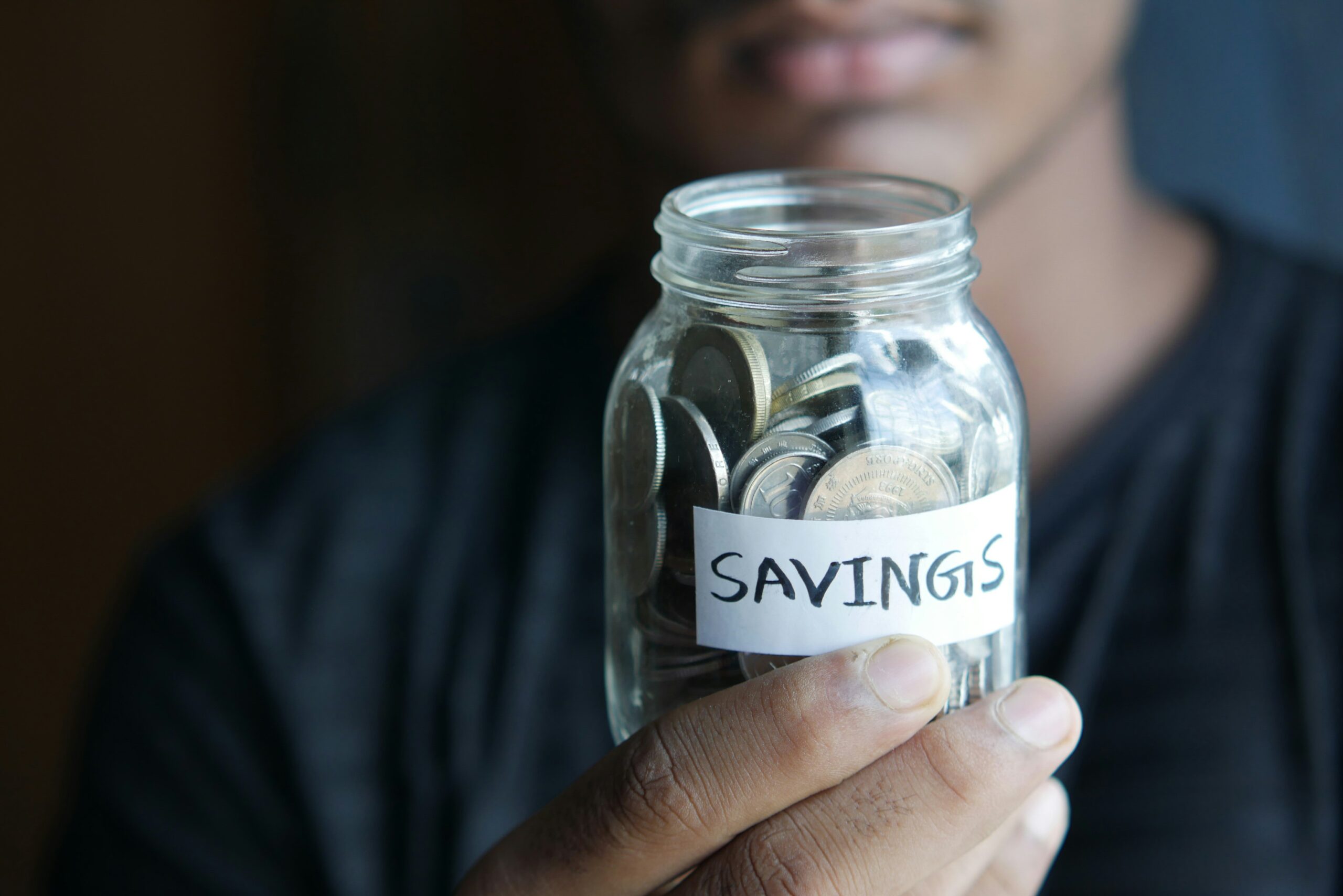
You’re standing at a crossroads, a familiar yet exciting path diverging into the unknown. The allure of a career change is strong – a chance to pursue your passions, find greater fulfillment, or escape a draining environment. But as you envision this new chapter, a whisper of caution emerges: the financial reality. A career change, no matter how well-planned, often involves a period of reduced income, unexpected expenses, and the inherent uncertainty of a new beginning. This is where the power of an emergency fund becomes not just a helpful tool, but an absolute necessity. It’s your safety net, your breathing room, your silent partner in navigating this significant life transition.
You might think you have a solid plan for your career transition. Perhaps you’ve identified a new role, networked extensively, and even secured some initial training. But even the most meticulously crafted career change strategy can encounter unforeseen hurdles. This is precisely why an emergency fund isn’t a luxury; it’s a cornerstone of a successful and less stressful pivot. Without it, a minor setback could snowball into a major crisis, forcing you to abandon your dreams or make compromises that undermine your long-term goals.
The Financial Landscape of Career Change
Your current financial stability is likely tied to your existing career. When you decide to step away, that predictable income stream dries up, or at least significantly diminishes. This immediate shift creates a vacuum that needs to be filled.
Reduced or Intermittent Income
The most obvious financial impact of a career change is the potential for reduced income. If you’re transitioning from a well-paying established career to an entry-level position in a new field, you can expect a substantial pay cut. Even if you’re moving into a freelance or contract role, the income can be unpredictable, with feast-or-famine cycles being common. You might not have a steady paycheck for several months, depending on your ability to secure consistent work.
Unexpected Training and Education Costs
Embarking on a new career often necessitates acquiring new skills or certifications. This could involve formal education, online courses, workshops, or even unpaid internships to gain experience. While these investments are crucial for your long-term success, they represent an upfront financial commitment that you might not have budgeted for when you initially envisioned your career change. These costs can arise suddenly, requiring immediate payment.
The Lag Time Before Income Stabilizes
Even if you’ve landed a new job or secured freelance clients, there’s often a delay before your income becomes stable and predictable. This lag time can be due to onboarding processes, project ramp-up periods, or payment cycles for freelance work. You might be working diligently for weeks or even months before seeing a substantial return, leaving you with a gap in your cash flow.
The Psychological Buffer an Emergency Fund Provides
Beyond the tangible financial benefits, your emergency fund serves as a vital psychological buffer. The knowledge that you have a financial cushion can alleviate a significant amount of stress and anxiety, allowing you to focus on the positive aspects of your career change rather than being consumed by financial worries.
Reducing Stress and Anxiety
The fear of financial insecurity is a powerful demotivator. Knowing that you can cover essential expenses like rent, utilities, groceries, and loan payments, even if your income falters, will drastically reduce your stress levels. This peace of mind is invaluable when you’re navigating the often-turbulent waters of a career transition. You can make bolder choices and take calculated risks without the constant fear of financial ruin.
Maintaining Momentum and Motivation
When you’re financially stressed, it’s easy to lose motivation. You might be tempted to settle for any job, even one that doesn’t align with your aspirations, just to bring in immediate income. An emergency fund allows you to maintain your focus on your long-term career goals, persevere through challenges, and avoid making hasty decisions that could derail your progress. You can dedicate your energy to networking, skill development, and job searching without the added pressure of immediate financial survival.
Protecting Your Relationships
Financial strain can put a significant burden on your relationships. Arguments about money are common, and the stress of financial insecurity can impact your interactions with loved ones. An emergency fund can help prevent these conflicts by ensuring that you can meet your financial obligations and maintain a sense of stability within your household.
When considering a career change, having an emergency fund can provide the financial security needed to navigate this transition smoothly. An insightful article that delves into the importance of building an emergency fund during such pivotal moments is available at How Wealth Grows. This resource offers practical tips and strategies to help individuals prepare for the uncertainties that come with changing careers, ensuring they can focus on their new path without the added stress of financial instability.
Calculating Your Target Emergency Fund Amount
Determining the right amount for your emergency fund is a critical step. It’s not a one-size-fits-all calculation; it depends on your individual circumstances, risk tolerance, and the nature of your career change.
Assessing Your Essential Monthly Expenses
The foundation of your emergency fund calculation lies in understanding how much you need to live on each month. This involves a thorough review of your current spending habits.
Identifying Fixed Expenses
These are your non-negotiable costs that remain relatively consistent each month. Think of them as the baseline for your survival.
- Housing: Rent or mortgage payments, property taxes, homeowner’s insurance.
- Utilities: Electricity, gas, water, internet, mobile phone.
- Debt Payments: Student loans, car loans, credit card minimum payments, personal loans.
- Insurance Premiums: Health insurance, auto insurance, life insurance.
- Essential Subscriptions: Any subscriptions you absolutely cannot live without for daily functioning.
Estimating Variable Expenses
These are expenses that can fluctuate from month to month. While some may be reduced during a career change, it’s important to have a realistic estimate.
- Groceries: Your typical food budget.
- Transportation: Fuel, public transport fares, car maintenance.
- Healthcare: Co-pays, prescriptions, dental visits.
- Personal Care: Toiletries, haircuts.
- Childcare/Pet Care: If applicable.
Determining Your Coverage Period
The next crucial step is deciding how many months of essential expenses your emergency fund should cover. This is where you factor in the anticipated period of reduced income during your career change.
The Standard Recommendation: 3-6 Months
For general emergencies, financial experts often recommend having 3 to 6 months of living expenses saved. However, for a career change, this might be insufficient.
Adjusting for Career Change Specifics: 6-12 Months or More
Given the inherent uncertainties and potential extended periods of reduced income associated with a career transition, you should aim for a more robust emergency fund.
- 6-9 Months: This is a good starting point if your career change involves a relatively smooth transition into a similar field with a predictable job prospect or if you have a significant other contributing to household income.
- 9-12 Months: If you’re moving into a completely new industry, are embarking on a lengthy educational program, or have dependents, aiming for 9 to 12 months of expenses provides greater security.
- 12+ Months: In situations with high uncertainty, such as starting a business from scratch or moving into a highly competitive and volatile field, consider extending your coverage even further. The more secure you feel financially, the more confident you’ll be in your decisions.
Factoring in Your Personal Circumstances
Your individual financial situation plays a significant role.
- Dependents: If you have children or other dependents relying on your income, you’ll need a larger buffer to ensure their needs are met.
- Dual Income vs. Single Income: If you have a partner who continues to earn a stable income, your personal emergency fund might be smaller, as their income can cover a portion of shared expenses. However, it’s still wise to have your own safety net.
- Health Conditions: If you or a family member has ongoing health issues, increased medical expenses could arise, necessitating a larger fund.
Strategies for Building Your Emergency Fund

Once you’ve determined your target amount, the next challenge is actually building that fund. This requires a strategic and disciplined approach.
Aggressively Saving and Cutting Expenses
This is the most direct way to build your emergency fund. It involves maximizing your savings rate and minimizing your outflows.
Automate Your Savings
Treat your emergency fund savings like a non-negotiable bill. Set up automatic transfers from your checking account to a dedicated savings account on payday. This “pay yourself first” approach ensures that a portion of your income is consistently allocated to your fund before you have a chance to spend it.
Implement a Strict Budget
Analyze your spending ruthlessly. Identify areas where you can cut back without significantly impacting your quality of life. This might involve:
- Reducing discretionary spending: Dining out less, entertainment, impulse purchases, subscriptions you don’t use.
- Finding cheaper alternatives: Generic brands, DIY solutions, free activities.
- Negotiating bills: Call your service providers (internet, phone, insurance) and see if you can get a better rate.
Consider a “No-Spend” Challenge
Periodically, consider a “no-spend” challenge where you only purchase absolute necessities for a set period (e.g., a week or a month). This can be a powerful way to reset your spending habits and identify areas where you can save.
Generating Extra Income
In addition to cutting expenses, actively seeking ways to earn more money can significantly accelerate your emergency fund growth.
Freelancing and Side Hustles
Leverage your existing skills or develop new ones to offer services on a freelance basis. This could include:
- Writing, editing, graphic design: If you have creative or analytical skills.
- Tutoring, coaching: If you have expertise in a particular subject or area.
- Virtual assistant services: Offering administrative, technical, or creative assistance remotely.
- Delivery services, ridesharing: Flexible work that can be done on your own schedule.
- Selling unwanted items: Declutter your home and turn unused items into cash.
Monetizing Hobbies and Passions
If you have a hobby you’re passionate about, explore ways to turn it into a source of income.
- Crafting and selling handmade goods: Online marketplaces like Etsy are great platforms.
- Photography: Selling stock photos or offering portrait sessions.
- Baking or cooking: Selling baked goods or offering catering services.
Negotiating a Salary Increase or Bonus
If you’re still employed in your current role while planning your career change, focus on maximizing your income before you leave. Negotiate for a raise or seek out projects that might offer a bonus.
Utilizing Windfalls and Unexpected Funds
Sometimes, life throws you a financial curveball – a positive one. Instead of letting these windfalls disappear into general spending, direct them strategically towards your emergency fund.
Tax Refunds
Your annual tax refund is a perfect opportunity to boost your savings. Treat it as a lump sum dedicated solely to your emergency fund.
Bonuses or Performance-Based Payouts
If you receive a bonus from your current employer, resist the urge to splurge. Allocate a significant portion, if not all, to your emergency fund.
Inheritances or Gifts
While these are often emotionally charged, if you receive an inheritance or a substantial gift, consider using a portion of it to build a secure financial foundation for your career change.
Where to Keep Your Emergency Fund

The location of your emergency fund is as important as the amount you save. You need it to be accessible in a crisis, but also secure and earning a modest return.
The Importance of Liquidity and Safety
Your emergency fund is not an investment for growth; it’s a safety net. Therefore, the primary considerations are ease of access and capital preservation.
Accessibility in Times of Need
You need to be able to access your funds quickly and without penalty when an emergency strikes. This means avoiding investments with long lock-up periods or significant withdrawal fees.
Capital Preservation
The last thing you want is to lose money from your emergency fund. Therefore, avoid volatile investments that could see their value decline, especially when you might need the money soon.
Suitable Account Options
Several types of accounts are well-suited for housing your emergency fund.
High-Yield Savings Accounts (HYSAs)
These accounts offer a higher interest rate than traditional savings accounts while maintaining the same accessibility and safety. They are an excellent choice for most of your emergency fund.
- Benefits: Earn more interest, FDIC insured, easy access to funds.
- Considerations: Interest rates can fluctuate, so shop around for the best rates.
Money Market Accounts (MMAs)
Similar to savings accounts, money market accounts often offer slightly higher interest rates and may come with check-writing privileges or a debit card, offering a bit more flexibility.
- Benefits: Competitive interest rates, often more accessible than some MMAs, FDIC insured.
- Considerations: May have minimum balance requirements or transaction limits.
Certificates of Deposit (CDs)
While CDs offer fixed interest rates for a set term, they are generally not ideal for the bulk of your emergency fund due to withdrawal penalties. However, a small portion could be held in a short-term CD if you are very confident about not needing those funds for a specific period.
- Benefits: Fixed interest rate, potentially higher than HYSAs for longer terms.
- Considerations: Penalties for early withdrawal, less liquid.
Avoiding Investment Vehicles for Your Core Emergency Fund
While it might be tempting to invest your emergency fund in the stock market or other growth-oriented vehicles for potentially higher returns, this is generally ill-advised for your primary safety net.
The Risk of Market Volatility
The stock market can be unpredictable. During a market downturn, your emergency fund could lose significant value precisely when you need it most. This would create a double blow – a financial emergency and a depleted safety net.
The Purpose of an Emergency Fund
Remember, the purpose of an emergency fund is to cover unexpected expenses and provide peace of mind. It’s not about wealth accumulation. Therefore, prioritizing safety and accessibility over aggressive returns is paramount.
When considering a career change, having an emergency fund can provide the financial stability needed to explore new opportunities without the stress of immediate monetary concerns. A helpful resource on this topic can be found in an article that discusses the importance of building a safety net before making such a significant transition. For more insights, you can read the article on emergency funds and career changes at How Wealth Grows. This guidance can help ensure that you are well-prepared for the challenges ahead while pursuing your new career path.
Maintaining and Replenishing Your Emergency Fund
| Metrics | Data |
|---|---|
| Number of months to cover expenses | 6-12 months |
| Monthly expenses | Rent, utilities, groceries, insurance, etc. |
| Emergency fund goal | Total monthly expenses x number of months |
| Current emergency fund balance | Amount saved for emergencies |
| Monthly savings towards emergency fund | Amount saved each month |
Building your emergency fund is a significant achievement, but your work isn’t done. You need to maintain it and be prepared to replenish it.
Regular Review and Adjustment
Life circumstances change, and so should your emergency fund. Regularly reviewing its adequacy ensures it remains relevant to your current needs.
Annual Assessment
Once a year, or whenever a significant life event occurs (e.g., marriage, birth of a child, job change for a partner), revisit your essential expenses and recalculate your target emergency fund amount. Your needs may have increased, or perhaps they’ve decreased.
Adjusting for Inflation
While not a major concern for short-term funds, over longer periods, inflation can erode the purchasing power of your savings. Consider making small annual adjustments to keep pace with rising costs.
Replenishing After Use
The most crucial aspect of an emergency fund is using it when needed and then diligently replenishing it.
Prioritize Replenishment
As soon as you’ve used a portion of your emergency fund, make replenishing it a top priority. Treat it like any other debt you need to pay off.
Adjust Your Budget and Savings Strategy
If you’ve dipped into your emergency fund, it’s a signal that your previous savings plan might need adjustments. Re-evaluate your budget, identify new expense-cutting opportunities, and increase your savings rate until the fund is fully restored.
Consider Additional Income Streams
If replenishment feels slow, explore additional side hustles or ways to earn extra income to accelerate the process.
Knowing When to Tap into Your Fund
While the purpose of an emergency fund is to cover unexpected events, it’s important to have clear guidelines on what constitutes a true emergency.
True Emergencies vs. Wants
- True Emergencies: Job loss, unexpected medical bills, essential home or car repairs, natural disasters, urgent family needs.
- Wants: Vacations, non-essential purchases, upgrades to electronics, dining out frequently.
The “Opportunity Cost” of Not Using It
While you want to protect your fund, there can be an “opportunity cost” to not using it. For example, if a critical repair to your car will enable you to continue working and earning income, it might be more financially prudent to use the fund for the repair rather than lose income from being unable to get to work. This is where careful decision-making is key.
Building an emergency fund for a career change is an act of self-preservation and empowerment. It’s an investment in your future well-being, allowing you to navigate transitions with greater confidence and resilience. By understanding its importance, calculating your target, implementing smart saving strategies, and maintaining it diligently, you equip yourself with the financial bedrock necessary to pursue your professional dreams and emerge stronger on the other side.
Your Health Insurance Is Keeping You Stuck
FAQs
What is an emergency fund for a career change?
An emergency fund for a career change is a financial safety net that individuals create to cover their living expenses during the transition period when switching careers. It is designed to provide a buffer in case of unexpected expenses or a gap in income.
How much should be saved in an emergency fund for a career change?
Financial experts recommend saving at least three to six months’ worth of living expenses in an emergency fund for a career change. This amount can vary depending on individual circumstances, such as the stability of the new career, existing financial obligations, and potential job market conditions.
What expenses should be considered when building an emergency fund for a career change?
When building an emergency fund for a career change, individuals should consider covering essential living expenses such as rent or mortgage, utilities, groceries, transportation, insurance, and any debt obligations. It’s also important to factor in potential costs related to the career change, such as training or certification fees.
How can one build an emergency fund for a career change?
Building an emergency fund for a career change involves setting a specific savings goal, creating a budget to track expenses, and consistently setting aside a portion of income into a separate savings account. Cutting back on non-essential expenses and finding additional sources of income can also help accelerate the fund-building process.
Why is an emergency fund important for a career change?
An emergency fund is important for a career change because it provides financial security and peace of mind during the transition period. It can help individuals avoid financial stress, cover unexpected expenses, and bridge any income gaps that may arise when switching careers.