
You’ve done it. You’ve bravely taken the plunge and built an emergency fund. That dedicated savings account, a comforting buffer against life’s inevitable curveballs, sits there, a testament to your financial foresight. You feel a sense of pride, and rightly so. But here’s a thought that might prick at your confidence: is it really enough?
The truth is, for many, even a meticulously saved emergency fund can fall short when disaster strikes. It’s not a reflection of your financial discipline, but rather a stark reminder that life’s unexpected events often come with price tags that exceed our initial calculations. You might have a solid few months of living expenses tucked away, a golden rule diligently followed, yet you find yourself scrambling. Why? Let’s delve into the often-unforeseen reasons your emergency fund might not always be enough.
You meticulously calculated your monthly rent, your grocery bill, your utility payments. You even factored in a little extra for transportation. But did you account for how these “essentials” can morph into significantly larger expenditures during a crisis?
Rent and Mortgage Escalations
Your rent, a predictable monthly sum, can become a source of anxiety if your primary income stream is suddenly cut off. While your emergency fund might cover several months of your current rent, what if your landlord decides to implement a rent increase during your period of unemployment? This isn’t uncommon, especially in competitive rental markets. Suddenly, that buffer you so carefully constructed is shrinking faster than you anticipated.
Even more critical, if you own your home, your mortgage payments remain a constant. While you’ve likely accounted for these, a prolonged period of job loss can make even this foundational expense feel like an insurmountable hurdle. Beyond the principal and interest, you still need to cover property taxes and homeowner’s insurance. If these are escrowed, the lender manages them, but if you pay them separately, you’ll need to find that money yourself. And what if your property taxes unexpectedly skyrocket? Such increases, while not directly tied to an emergency, can strain your reserves considerably.
The Hidden Costs of Utilities
Utilities are another area where costs can unexpectedly balloon. Your average electricity bill might be manageable, but what if your emergency situation necessitates prolonged periods at home? Think of a sudden illness that requires you to stay in bed, or a power outage in your neighborhood that forces you to rely heavily on generators or alternative heating/cooling methods that consume more energy.
Furthermore, certain emergencies can directly impact your utility needs. If you’re dealing with a burst pipe and water damage, your water bill could surge dramatically as you work to mitigate the damage. Or, if a natural disaster disrupts your normal supply, you might need to purchase bottled water or rely on expensive generators for power, both of which add unforeseen expenses to your monthly outgoings.
Food and Groceries: Beyond the Basics
Your grocery budget is likely a well-researched figure. However, during an emergency, your food expenses can deviate from the norm. If you’re suddenly caring for a sick family member, their dietary needs might change, requiring more specialized or expensive food items. You might also find yourself having to eat out more frequently if your kitchen is inaccessible due to damage or if you’re simply too exhausted to cook after a stressful event. Eating out, even for quick meals, is significantly more expensive than preparing food at home.
Consider also the impact of inflation or localized shortages. If your emergency coincides with a period of supply chain disruption, the cost of your usual groceries could spike, making your carefully allocated food budget insufficient. You might be forced to opt for more expensive, readily available alternatives.
While having an emergency fund is a crucial step in financial planning, it may not always be sufficient to cover all unexpected expenses or financial emergencies. For a deeper understanding of this topic, you can explore the article on how wealth grows and the importance of diversifying your financial safety net. This resource highlights the limitations of relying solely on an emergency fund and suggests additional strategies to enhance your financial security. To read more, visit this article.
The Unexpected Guest: Medical Emergencies
This is often the biggest and most unpredictable drain on any emergency fund. While you might have health insurance, the out-of-pocket costs can be staggering.
Deductibles and Co-pays That Add Up
Your health insurance is a vital safety net, but it rarely covers 100% of medical expenses. You have deductibles to meet, meaning you pay a certain amount out-of-pocket before your insurance kicks in. Then there are co-pays for doctor visits, prescriptions, and specialist appointments. If you or a family member experience a serious illness or injury, these costs can quickly accumulate, potentially exhausting your emergency fund in a matter of weeks.
Unforeseen Procedures and Treatments
What if your emergency involves a condition that requires a long-term treatment plan, surgery, or specialized therapy? The initial shock of a diagnosis can be compounded by the financial burden of these ongoing medical needs. These aren’t one-off costs; they can involve frequent appointments, expensive medications, and potentially rehabilitation services, all of which can quickly outstrip the amount you’ve saved.
The Cost of Caregiving and Lost Wages
A medical emergency for a loved one can also place a significant burden on you. You might need to take time off work to care for them, leading to lost wages. Furthermore, if they require specialized care at home or in a facility, the costs associated with that can be substantial. Your emergency fund, primarily intended for your own needs, might be called upon to support the well-being of others, further stretching its capacity.
The Shadow of Property Damage and Natural Disasters
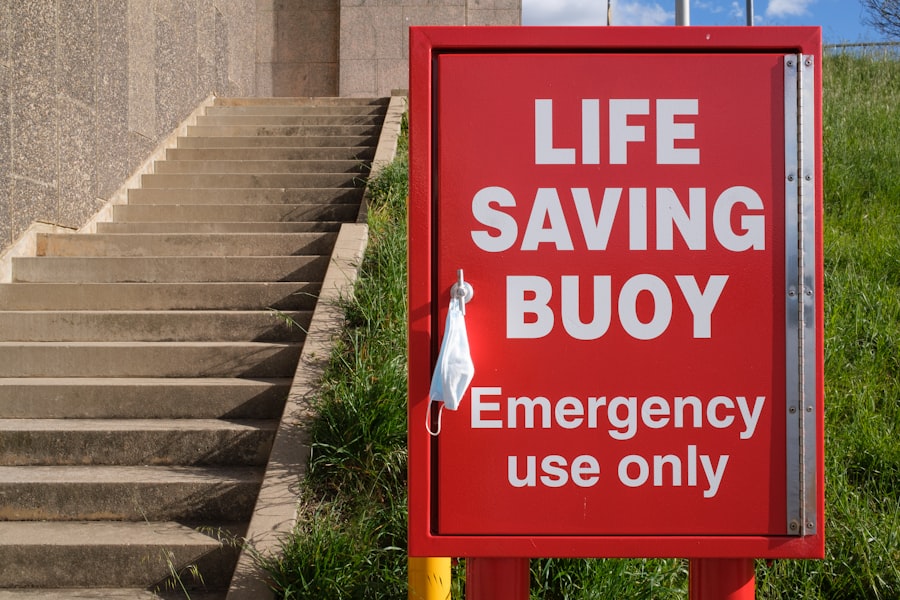
You might live in an area where natural disasters are rare, lulling you into a false sense of security. However, even minor incidents can lead to significant repair costs.
Minor Damage, Major Expenses
A leaky roof, a broken window during a storm, or a minor plumbing issue might seem like small inconveniences. However, the cost of repairs, especially if you need to call in professionals, can quickly add up. If you defer these repairs, they can worsen, leading to more extensive and costly damage down the line. Your emergency fund might cover a single repair, but what if you face multiple such issues within a short period?
The True Cost of Natural Disasters
When we think of natural disasters, we often envision widespread devastation. But even localized events like severe hailstorms, floods, or wildfires can cause significant damage to your home and property. The cost of replacing a damaged roof, repairing waterlogged interiors, or replacing damaged vehicles can be astronomical. Your insurance might cover some of these costs, but deductibles can be high, and there’s often a lag time before payouts are received, leaving you to cover immediate repair expenses from your emergency fund.
Temporary Relocation and Living Expenses
If your home becomes uninhabitable due to damage, you’ll need to find temporary accommodation. This could mean paying for hotel stays, short-term rentals, or even extended stays with family or friends. Beyond the cost of accommodation, you’ll still need to cover your usual living expenses, such as food and utilities, on top of these new housing costs. This dual financial pressure can quickly deplete even a healthy emergency fund.
The Extended Stay of Unemployment

You’ve diligently saved for unemployment, but the reality of finding a new job can be a much longer and more arduous process than you might have anticipated.
The Job Search Marathon
The average job search can take months, and in a tough economic climate, it can extend even further. Your emergency fund might cover six months of expenses, but what if your job search stretches to eight or nine months? The anxiety of dwindling savings will be a constant companion, adding to the stress of your job search.
Unexpected Job Search Costs
Beyond the basics, there are often hidden costs associated with finding new employment. You might need to update your resume and professional profiles, attend networking events, travel for interviews, and perhaps even invest in new professional attire. These are all necessary expenses that can further strain your emergency fund during a period of no income.
The Psychological Toll and its Financial Impact
Prolonged unemployment isn’t just a financial strain; it’s an emotional one. The stress and uncertainty can lead to unhealthy coping mechanisms, such as comfort eating or engaging in expensive distractions, further impacting your finances. You might also find yourself taking a lower-paying job out of desperation, impacting your long-term financial goals.
While having an emergency fund is crucial for financial stability, it may not always be sufficient to cover unexpected expenses or life changes. For instance, a sudden job loss or a significant medical emergency can quickly deplete savings, leaving individuals vulnerable. To explore this topic further, you can read about the limitations of relying solely on an emergency fund in this insightful article. Understanding the broader financial landscape is essential for long-term security, and you can find more information by visiting this link.
The Unforeseen Needs of Your Dependents
| Reasons | Explanation |
|---|---|
| Unexpected expenses | Emergency funds may not cover all unexpected expenses such as major car repairs or home repairs. |
| Job loss | If the emergency fund is the sole source of income during a prolonged period of unemployment, it may not be enough. |
| Medical emergencies | Costs associated with serious medical issues may exceed the amount in the emergency fund. |
| Natural disasters | Emergency funds may not be sufficient to cover the costs of rebuilding or repairing after a natural disaster. |
Your emergency fund is often conceived with your individual needs in mind. However, life rarely operates in a vacuum, and your dependents can introduce entirely new layers of financial complexity.
The Unexpected Needs of Children
Children are wonderful, but they also come with a host of unpredictable expenses. A sudden illness requiring extensive doctor visits and medication, unexpected school trips or extracurricular activities that arise with little notice, or even the need for emergency childcare if your usual arrangements fall through can all place an unforeseen strain on your finances. What if your child needs braces, or requires specialized tutoring due to learning difficulties? These are not typically factored into a basic emergency fund.
Caring for Aging Parents or Other Relatives
The responsibility of caring for aging parents or other family members can emerge suddenly and without warning. This might involve covering the cost of in-home care, medical equipment, or even assisted living facilities. These expenses can be substantial and ongoing, quickly overwhelming an emergency fund designed for more immediate needs. You might also need to take time off work to provide this care, further reducing your income.
Pet Emergencies: A Four-Legged Financial Drain
Your beloved pets are part of the family, and their medical needs can be as urgent and expensive as those of humans. A sudden illness, an accident requiring surgery, or a chronic condition needing ongoing treatment can result in veterinary bills that can rival those for human healthcare. Many people don’t consider pet emergencies when building their emergency fund, only to be caught off guard by the significant costs involved.
Your emergency fund is a crucial financial tool, a cornerstone of sound financial planning. However, it’s not a magic bullet that will solve every financial woe. By understanding these common pitfalls and proactively considering these potential additional expenses, you can refine your emergency fund strategy, ensuring it’s not just a comfort, but a truly robust safety net for whatever life throws your way. It’s about being prepared, not just for the obvious, but for the myriad of unexpected ways life can test your financial resilience.
Your Health Insurance Is Keeping You Stuck
FAQs
What is an emergency fund?
An emergency fund is a savings account specifically set aside to cover unexpected expenses or financial emergencies, such as medical bills, car repairs, or job loss.
Why may an emergency fund not be enough?
An emergency fund may not be enough to cover certain financial emergencies, such as prolonged unemployment, major medical expenses, or natural disasters that result in significant property damage.
What are some alternatives to an emergency fund?
Some alternatives to an emergency fund include having adequate insurance coverage, establishing a line of credit, or investing in assets that can be easily liquidated in case of an emergency.
How much should be saved in an emergency fund?
Financial experts typically recommend saving three to six months’ worth of living expenses in an emergency fund to provide a cushion in case of unexpected financial hardships.
What are some tips for building a more robust financial safety net?
To build a more robust financial safety net, individuals can consider diversifying their income sources, reducing unnecessary expenses, and regularly reviewing and updating their insurance coverage to ensure adequate protection.