
You’re likely here because you’ve heard the whispers, the buzzwords, the undeniable allure of successful investing. Perhaps you’ve even dipped your toes in, maybe with a few tentative buys or a cautiously opened brokerage account. But something feels… off. You’re not seeing the exponential growth you imagined, the steady climb you read about. You’re encountering a mental hurdle, a subtle yet powerful force that’s holding you back. This force, my friend, is your mindset. It’s the invisible architecture of your financial beliefs, and it’s the absolute bedrock upon which successful investing is built. Mastering this wealth mindset isn’t just a nice-to-have; it’s a non-negotiable prerequisite for truly thriving in the investment arena.
This journey isn’t about complex algorithms or insider trading secrets (though those can play a role later). It’s about understanding the fundamental psychological principles that govern your decisions, your reactions, and ultimately, your financial destiny. It’s about cultivating a perspective that embraces opportunity, navigates challenges with resilience, and fosters a deep-seated belief in your ability to grow your wealth. If you’re ready to move beyond just “trying to invest” and start “investing successfully,” then buckle up. We’re about to dive deep into the heart of what truly makes investors win.
Before you can master anything, you need to understand where you’re starting from. Your current wealth mindset is a complex tapestry woven from your upbringing, societal influences, past experiences, and personal beliefs. It dictates how you perceive money, risk, scarcity, and abundance. Recognizing these deeply ingrained patterns is the crucial first step towards reshaping them into a powerful engine for your financial success.
Identifying Your Limiting Beliefs About Money
These are the silent saboteurs, the whispers in your ear that tell you investing is too risky, that you’re not smart enough, or that wealth is only for a select few. You might not even realize you hold these beliefs, as they often masquerade as common sense or pragmatic caution.
The “Money is Evil” Narrative
Have you ever heard or thought phrases like “money can’t buy happiness,” or “rich people are greedy”? These deeply ingrained societal narratives can subconsciously associate wealth with negativity, making you actively or passively push it away. You might find yourself avoiding conversations about money, feeling uncomfortable with even modest financial gains, or exhibiting a strange guilt when discussing your financial aspirations. This is your mind unconsciously trying to align with a perceived moral code that views wealth as inherently bad.
The “I’m Not Good Enough” Syndrome
This is the imposter syndrome of the financial world. You might see others making successful investments and feel a pang of inadequacy, believing you lack the intelligence, the education, or the inherent talent to replicate their success. This can lead to procrastination, an unwillingness to learn, and a self-fulfilling prophecy of underperformance. You might dismiss smart investment opportunities because you tell yourself you wouldn’t understand them or wouldn’t be able to make the right decisions.
The Scarcity vs. Abundance Mentality
Do you tend to focus on what you lack, on the bills you need to pay, on the limited resources available? Or do you see opportunities, potential for growth, and a universe of possibilities? A scarcity mindset is characterized by fear, anxiety, and a feeling of constantly being on the verge of losing what you have. An abundance mindset, on the other hand, is optimistic, forward-looking, and believes that there is enough to go around, and that your efforts can create more. This fundamental difference in perspective will dramatically impact your investment decisions.
Examining Your Relationship with Risk
Investing inherently involves risk. How you perceive and react to that risk is a direct reflection of your wealth mindset. Are you terrified of any potential loss, or do you see risk as a calculated opportunity for greater reward?
The Fear of Loss
This is perhaps the most potent emotional barrier to successful investing. The pain of losing money often feels much more acute than the pleasure of gaining it. This can lead to conservative, underperforming investments or, worse, paralysis where you refuse to invest at all, fearing the dreaded red numbers on your portfolio. You might be holding onto losing investments for too long, hoping they’ll “come back,” driven by the fear of crystallizing that loss.
The Thrill-Seeker’s Gambit
On the other end of the spectrum, some individuals confuse risk-taking with reckless gambling. They chase speculative opportunities with little regard for due diligence, driven by the adrenaline rush of potential quick riches. While some may get lucky, this approach is rarely sustainable and often leads to significant losses. This isn’t a wealth mindset; it’s a gambling mindset, and it’s a fast track to financial distress.
The Calculated Risk-Taker
The successful investor understands that risk is inherent but manageable. They assess potential downsides, understand the probability of various outcomes, and make informed decisions based on a thorough analysis. They don’t eliminate risk, but they control it and align it with their financial goals and risk tolerance.
For those interested in developing a wealth mindset for investing, a great resource is the article available at How Wealth Grows. This article delves into the principles of wealth accumulation and the importance of adopting a positive financial mindset. It offers practical tips and insights that can help investors shift their perspectives and strategies, ultimately leading to greater financial success. By understanding the psychological aspects of investing, readers can enhance their decision-making processes and build a more prosperous future.
Cultivating an Abundance Mindset for Investing
Once you’ve identified your current mindset, the real work begins: cultivating a powerful abundance mindset that fuels your investment journey. This isn’t about wishing for money; it’s about actively adopting beliefs and behaviors that attract and create wealth.
Shifting Your Perspective from Scarcity to Opportunity
This is a fundamental reprogramming of your brain. It’s about actively seeking out the positive, the potential, and the growth in every financial situation.
Focusing on Potential, Not Just Present Circumstances
Instead of lamenting the small amount you have to invest right now, focus on the potential that even that small amount holds over time. Understand the power of compound interest and how consistent, even small, investments can grow into significant sums. Your present situation is a starting point, not a permanent destination.
Embracing Learning as a Pathway to Growth
An abundance mindset sees knowledge as an accessible and valuable resource. You believe that by learning, you can unlock new opportunities and improve your financial outcomes. This contrasts with a scarcity mindset, which might see learning about investing as too difficult or too time-consuming, reinforcing the belief that you’re not capable.
Seeing Value in Every Interaction and Experience
Even setbacks can be viewed as valuable learning experiences. An abundance mindset allows you to extract lessons from every investment, successful or not, and apply that knowledge to future decisions. You see every interaction, even with financial professionals, as a potential learning opportunity.
Developing a Positive Relationship with Money
Money is a tool, a neutral entity. It’s your relationship with it that imbues it with meaning. A positive relationship allows you to use it effectively for wealth creation.
Visualizing Your Financial Success
This is more than just daydreaming. It’s about creating a clear, vivid picture of your financial goals and what achieving them looks like and feels like. Regularly visualizing yourself as a successful investor, enjoying the fruits of your investments, can strengthen your belief and motivate your actions.
Practicing Gratitude for Your Financial Situation
Even if your current financial situation isn’t ideal, practicing gratitude for what you do have can shift your focus from lack to appreciation. This can reduce anxiety and open you up to seeing opportunities you might have missed when consumed by worry.
Treating Money with Respect and Purpose
When you view money as a valuable resource that can be used to build a better future, you treat it with respect. This means being mindful of your spending, prioritizing investments, and avoiding impulsive financial decisions.
Embracing Calculated Risk and Long-Term Vision
Successful investing is a marathon, not a sprint. It requires a commitment to a long-term vision and the courage to take calculated risks along the way.
Understanding the Power of Compound Interest
This is the bedrock of long-term wealth creation. Compound interest means your earnings also start earning, creating a snowball effect that can lead to astonishing growth over time.
The Magic of Time in the Market
You’ve heard the adage, “Time in the market is more important than timing the market.” This is directly linked to compound interest. The longer your money is invested and compounding, the more significant the growth. Delaying your investment journey, even by a few years, can have a substantial impact on your final wealth accumulation.
The Exponential Growth Curve
Visualize the graph of compound interest. Initially, the growth might seem slow, almost imperceptible. But as time progresses, the curve steepens dramatically, illustrating the accelerating power of your investments working for you. Understanding this visual representation can solidify your commitment to long-term investing.
Making Informed Risk Decisions
Risk isn’t something to be feared and avoided; it’s something to be understood and managed. A wealth mindset embraces calculated risk as a necessary component of growth.
Diversification as Your Risk Mitigation Strategy
Don’t put all your eggs in one basket. Diversifying your investments across different asset classes (stocks, bonds, real estate, etc.) and within those classes reduces your overall risk. If one investment performs poorly, others can help offset the losses. This is a practical application of intelligent risk management.
Due Diligence: Your Investment Compass
Before you invest in anything, do your homework. Understand the company, the industry, the economic conditions, and the potential risks and rewards. This thorough research empowers you to make informed decisions and avoid speculative gambles. Your wealth mindset demands that you be an educated investor, not a hopeful speculator.
Understanding Your Personal Risk Tolerance
What’s your comfort level with potential losses? This is a deeply personal question. Knowing your risk tolerance helps you choose investments that align with your emotional capacity, preventing panic-driven decisions during market downturns. A wealth-minded investor doesn’t take on more risk than they can comfortably handle.
Setting Realistic and Achievable Financial Goals
Vague aspirations lead to vague results. Clearly defined goals provide direction and motivation.
The SMART Goal Framework
Make your goals Specific, Measurable, Achievable, Relevant, and Time-bound. Instead of “I want to be rich,” aim for “I want to grow my investment portfolio by 10% annually for the next 20 years, reaching a net worth of $X.” This level of detail makes your goals tangible and actionable.
Breaking Down Large Goals into Smaller Milestones
A massive financial goal can seem overwhelming. Break it down into smaller, more manageable steps. Achieving these smaller milestones provides a sense of accomplishment and momentum, keeping you motivated on your long-term journey.
Developing Resilience and Discipline in Investing

The path to wealth is rarely smooth. Market fluctuations, unexpected expenses, and personal setbacks are inevitable. Your wealth mindset must include the resilience to bounce back and the discipline to stay the course.
Navigating Market Volatility with a Calm Demeanor
Markets go up and down. This is normal. A wealth mindset understands that short-term dips are often temporary and can even present buying opportunities.
The Emotional Rollercoaster of Investing
Recognize that market swings can trigger strong emotions. Fear, greed, panic, and euphoria are all natural responses. Your goal is to manage these emotions, not be controlled by them. Develop strategies to remain objective during turbulent times.
Avoiding Panic Selling and FOMO Buying
Panic selling when the market drops can lock in losses. Conversely, Fear Of Missing Out (FOMO) when a particular asset skyrockets can lead to buying at inflated prices. A disciplined investor adheres to their long-term plan, resisting these impulsive behaviors.
Focusing on the Long-Term Trend, Not Daily Noise
The daily news cycle can be filled with sensational headlines about market movements. A wealth-minded investor learns to filter this noise and focus on the broader, long-term upward trend of the market and their carefully constructed portfolio.
The Importance of Consistent Investing and Rebalancing
Discipline is about consistent action, even when motivation wanes.
The Power of Dollar-Cost Averaging
Investing a fixed amount of money at regular intervals, regardless of market conditions, is known as dollar-cost averaging. This strategy helps reduce the risk of buying at a market peak and allows you to buy more shares when prices are low. It’s a powerful tool for disciplined, consistent investing.
Regular Portfolio Review and Rebalancing
Markets shift, and your investment allocations can drift from your target. Regularly reviewing your portfolio (e.g., annually) and rebalancing it back to your desired asset allocation is crucial for maintaining your risk profile and maximizing long-term returns. This is a proactive step that requires discipline.
Learning from Mistakes and Adapting Your Strategy
Mistakes are not failures; they are learning opportunities. A wealth mindset embraces this reality.
Analyzing Investment Outcomes Objectively
When an investment doesn’t perform as expected, don’t dwell on the negative emotion. Instead, objectively analyze what went wrong. Was it your research? Market conditions? Or something else? Understanding the root cause is key to avoiding similar mistakes in the future.
Adjusting Your Approach Based on New Information
The investment landscape is constantly evolving. Be open to learning and adapting your strategy as new information becomes available or as your own circumstances change. This flexibility, combined with your core principles, is essential for long-term success.
Developing a wealth mindset is crucial for successful investing, as it shapes how individuals perceive opportunities and challenges in the financial landscape. For those looking to deepen their understanding of this concept, a related article can provide valuable insights into the principles that drive wealth accumulation. You can explore more about this transformative approach to investing by visiting this informative resource, which outlines strategies to cultivate a mindset that fosters financial growth and resilience.
Mastering Your Financial Psychology: The Ultimate Investment
| Metrics | Definition |
|---|---|
| Compound Interest | The interest calculated on the initial principal and also on the accumulated interest of previous periods. |
| Asset Allocation | The strategy of dividing an investment portfolio across different asset classes such as stocks, bonds, and cash equivalents. |
| Risk Tolerance | The degree of variability in investment returns that an individual is willing to withstand in their investment portfolio. |
| Long-Term Perspective | The approach of focusing on long-term investment goals and not being swayed by short-term market fluctuations. |
Ultimately, mastering your wealth mindset is about mastering yourself. It’s about understanding the psychological forces that drive your financial decisions and consciously shaping them to serve your goals.
Continuous Self-Reflection and Growth
This isn’t a one-time fix. Cultivating a powerful wealth mindset is an ongoing process of self-awareness and continuous improvement.
Regular Check-ins with Your Beliefs and Behaviors
Periodically pause and assess your thoughts and actions related to money and investing. Are you still falling into old patterns? Are your beliefs supporting your financial goals? Honest self-reflection is vital.
Seeking Mentorship and Learning from Successful Investors
Surround yourself with positive influences. Read books, listen to podcasts, and consider seeking out a financial mentor who embodies the wealth mindset you aspire to. Learning from those who have achieved success can provide invaluable insights and inspiration.
The Role of Patience and Perseverance
Wealth is rarely built overnight. It requires patience to let your investments grow and perseverance to continue even when faced with challenges.
Understanding That Wealth Building Takes Time
Resist the allure of get-rich-quick schemes. True wealth is built gradually, through consistent effort and intelligent decision-making over an extended period. Patience is a virtue that pays handsomely in the investment world.
Staying Committed to Your Vision
When market downturns or personal setbacks occur, it’s your commitment to your long-term vision that will keep you going. Remind yourself of your goals and why you started this journey. Perseverance is the fuel that drives your progress.
The True Definition of Wealth: Beyond Just Money
While this article focuses on financial wealth, it’s important to remember that a true wealth mindset encompasses more than just monetary accumulation. It includes financial freedom, security, the ability to pursue your passions, and the peace of mind that comes with financial well-being.
Financial Freedom as the Ultimate Goal
True wealth isn’t just about having a large bank balance; it’s about having the freedom to live life on your own terms, unconstrained by financial worries. This is the ultimate reward of mastering your wealth mindset and applying it to successful investing.
The Impact of Your Wealth Mindset on Your Overall Well-being
A positive wealth mindset can reduce stress, improve relationships, and enhance your overall quality of life. It’s a holistic approach to prosperity that extends far beyond your investment portfolio.
You now hold the keys. The journey to mastering your wealth mindset for successful investing has begun. It’s a journey of self-discovery, of challenging your limitations, and of embracing the incredible potential that lies within you. Start small, be consistent, and believe in your ability to build the financial future you desire. Your investments will thank you for it, and more importantly, so will you.
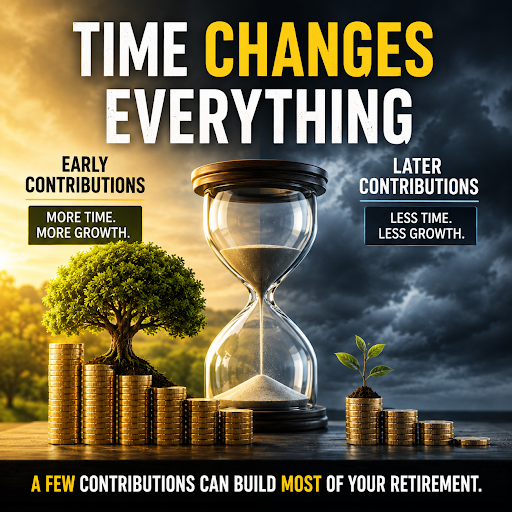
Only a Few 401(k) Contributions Build Most of Your Retirement
FAQs
What is a wealth mindset when it comes to investing?
A wealth mindset when it comes to investing refers to the belief and attitude that one can build and grow their wealth through strategic and informed investment decisions. It involves having a positive and proactive approach to investing, focusing on long-term financial goals, and being open to learning and adapting to market changes.
How does a wealth mindset differ from a scarcity mindset in investing?
A wealth mindset in investing is characterized by abundance, optimism, and a focus on opportunities for growth and wealth accumulation. On the other hand, a scarcity mindset is characterized by fear, pessimism, and a focus on potential losses and limitations. Those with a wealth mindset are more likely to take calculated risks and seek out opportunities, while those with a scarcity mindset may be more hesitant and risk-averse.
What are some key principles of a wealth mindset when it comes to investing?
Some key principles of a wealth mindset when it comes to investing include setting clear financial goals, being disciplined and patient, diversifying investments, continuously educating oneself about financial markets, and seeking out opportunities for growth and wealth accumulation. Additionally, maintaining a positive and proactive attitude towards investing is essential for cultivating a wealth mindset.
How can someone develop a wealth mindset for investing?
Developing a wealth mindset for investing involves shifting one’s beliefs and attitudes towards money and investing. This can be achieved through education, surrounding oneself with like-minded individuals, seeking out mentorship or guidance from experienced investors, and practicing positive affirmations and visualization techniques. Additionally, developing a clear investment plan and sticking to it can help reinforce a wealth mindset.
What are the potential benefits of adopting a wealth mindset when it comes to investing?
Adopting a wealth mindset when it comes to investing can lead to a greater sense of financial empowerment, increased confidence in making investment decisions, the potential for higher returns on investments, and a more proactive and strategic approach to building and growing wealth. Additionally, a wealth mindset can help individuals navigate market fluctuations and economic challenges with resilience and adaptability.