
You stand at the precipice of financial growth, holding the reins of your future. What you choose to do with your resources, and more importantly, when you choose to do it, will sculpt the landscape of your prosperity. Time, often an intangible force, is the most potent ally you possess in the arena of investing. It’s not merely about accumulating wealth; it’s about amplifying it, letting compounding work its magic, and strategically navigating market cycles. This is the paramount importance of time in investing, and understanding it is your key to unlocking maximized returns.
You’ve likely heard the term “compounding” tossed around in financial circles, but do you truly grasp its profound implications for your investments? It’s not just about earning interest on your initial capital; it’s about earning interest on your interest. This seemingly simple concept, when given ample time, transforms into an exponential force that can dramatically inflate your wealth beyond what you might initially imagine. Think of it as a snowball rolling down a hill. Initially, it’s small, but as it gathers more snow, its size and momentum increase at an ever-accelerating pace. Your investments work in a remarkably similar fashion.
The Magic of Starting Early: A Generational Advantage
Imagine two individuals, both with the same financial capacity and investment strategy. One starts investing in their early twenties, while the other waits until their late thirties. The difference in their eventual portfolios, even with identical contributions and returns, will be staggering. You, by choosing to begin your investment journey as early as possible, are essentially gifting yourself years of accelerated growth. This is not about getting rich quick; it’s about allowing time to do the heavy lifting. The earlier you plant the seed of investment, the more time it has to grow into a towering tree, providing shade and sustenance for years to come.
Deconstructing the Early Bird’s Edge: A Practical Illustration
Let’s crunch some numbers, because seeing the tangible results can solidify your understanding. Suppose you invest $5,000 per year, starting at age 25, with an average annual return of 8%. By age 65, you’ll have invested a total of $200,000, and your portfolio could be worth well over $1 million. Now, consider someone who starts at age 35, investing the same $5,000 annually with the same 8% return. By age 65, they will have invested $150,000, but their portfolio might only reach around $500,000. The difference of ten years of early compounding is a million-dollar gap. You are essentially paying yourself for foresight and discipline.
The Reinvesting Advantage: Fueling the Growth Engine
The power of compounding isn’t just about leaving your initial investment untouched. It’s about actively reinvesting the returns your investments generate. When you receive dividends or interest, instead of cashing them out, you have the option to buy more shares or add them to your existing investments. This practice acts as a powerful accelerant for compounding. You are not just growing your principal; you are continuously expanding the base upon which future earnings are calculated. This creates a virtuous cycle of wealth creation that gains momentum with every reinvested dollar.
Understanding Dividend Reinvestment Plans (DRIPs): A Passive Booster
For many investors, particularly those holding stocks, Dividend Reinvestment Plans (DRIPs) offer a seamless way to automate this crucial process. When you enroll in a DRIP, your cash dividends are automatically used to purchase more shares of the same stock, often without incurring brokerage fees. This removes the temptation to spend the dividends and ensures that your capital is consistently working for you. It’s a set-it-and-forget-it strategy that quietly builds your wealth over time.
Understanding the importance of time in investing is crucial for maximizing returns and achieving financial goals. A related article that delves deeper into this concept is available at How Wealth Grows. This resource highlights how the compounding effect of time can significantly enhance investment outcomes, emphasizing that starting early can lead to substantial wealth accumulation over the long term. By recognizing the value of time, investors can make more informed decisions and strategically plan their investment journeys.
Time Horizon and Risk Tolerance: Navigating the Investment Landscape
Your investment journey is not a one-size-fits-all endeavor. The amount of time you have before you need to access your funds, known as your time horizon, directly influences the level of risk you can comfortably take on. Understanding this interplay is crucial for making informed decisions that align with your financial goals.
Long-Term Investing: Embracing Calculated Risks for Higher Rewards
If you have a long time horizon, say decades until retirement, you possess a significant advantage: the ability to weather short-term market fluctuations. This allows you to consider investments that may have higher volatility but also higher potential for long-term growth, such as stocks or growth-oriented mutual funds. You can afford to ride out the inevitable downturns, knowing that historically, markets tend to recover and advance over extended periods. Time is your buffer against short-term panic.
The Role of Volatility in Long-Term Growth: A Historical Perspective
Markets are inherently cyclical. You will experience periods of strong growth and periods of decline. For long-term investors, these dips are not necessarily cause for alarm. In fact, they can present opportunities to buy assets at a lower price. Historically, despite recessions and market crashes, the stock market has shown a consistent upward trend over decades. Your long time horizon allows you to benefit from this long-term upward trajectory, while short-term volatility becomes a less significant concern.
Short-Term Investing: Prioritizing Capital Preservation
Conversely, if your time horizon is short – perhaps you’re saving for a down payment on a house in a few years, or you need the funds for an immediate expense – your primary focus shifts from aggressive growth to capital preservation. In such scenarios, you would typically opt for lower-risk, lower-return investments like savings accounts, certificates of deposit (CDs), or short-term government bonds. The goal here is to ensure your principal remains intact, rather than risking it for potentially higher, but uncertain, gains.
Diversification as a Risk Mitigation Tool: Protecting Your Principal
Regardless of your time horizon, diversification is a cornerstone of sound investing. Spreading your investments across different asset classes (stocks, bonds, real estate, etc.) and within those classes (different industries, geographies) helps to mitigate risk. If one investment performs poorly, the others can help to offset the losses. For short-term investors, a well-diversified portfolio of lower-risk assets is paramount to protecting your hard-earned capital.
Market Timing vs. Time in the Market: The Critical Distinction

Many novice investors fall into the trap of trying to “time the market” – attempting to buy low and sell high by predicting market peaks and troughs. This is a notoriously difficult, if not impossible, endeavor. The more effective and statistically proven strategy is to focus on “time in the market.”
The Futility of Market Timing: A Gamble, Not a Strategy
Trying to perfectly time the market is akin to gambling. You might get lucky a few times, but consistently predicting the unpredictable movements of financial markets is a losing game for most. Missing even a few of the best trading days can significantly impact your overall returns. The emotional toll of constantly trying to second-guess the market can also be detrimental to your financial well-being.
The Cost of Missed Opportunities: The Downside of Market Timing
When you attempt to time the market, you’re not just trying to avoid losses; you’re trying to capture every peak. However, you also risk missing the subsequent rallies that often follow downturns. Imagine selling all your stocks because you fear a crash, only to see the market surge the next day. You’ve not only missed out on potential gains but also on the compounding effect that those gains would have generated. Time in the market, on the other hand, allows you to participate in these rallies.
The Power of Consistency: The “Time in the Market” Advantage
Focusing on “time in the market” means consistently investing your money, regardless of market conditions. This involves dollar-cost averaging, where you invest a fixed amount of money at regular intervals. This strategy allows you to buy more shares when prices are low and fewer shares when prices are high, naturally averaging out your purchase price over time. It removes the emotional decision-making from your investment process and ensures you’re always invested.
Dollar-Cost Averaging: A Disciplined Approach to Accumulation
Dollar-cost averaging is your ally in building wealth steadily. By committing to regular investments, you remove the temptation to wait for the “perfect” moment. This disciplined approach ensures that your investments are always working for you, allowing you to benefit from the market’s upward trend over the long haul. It’s a patient strategy that rewards consistency.
Navigating Market Cycles: Time as Your Strategic Compass
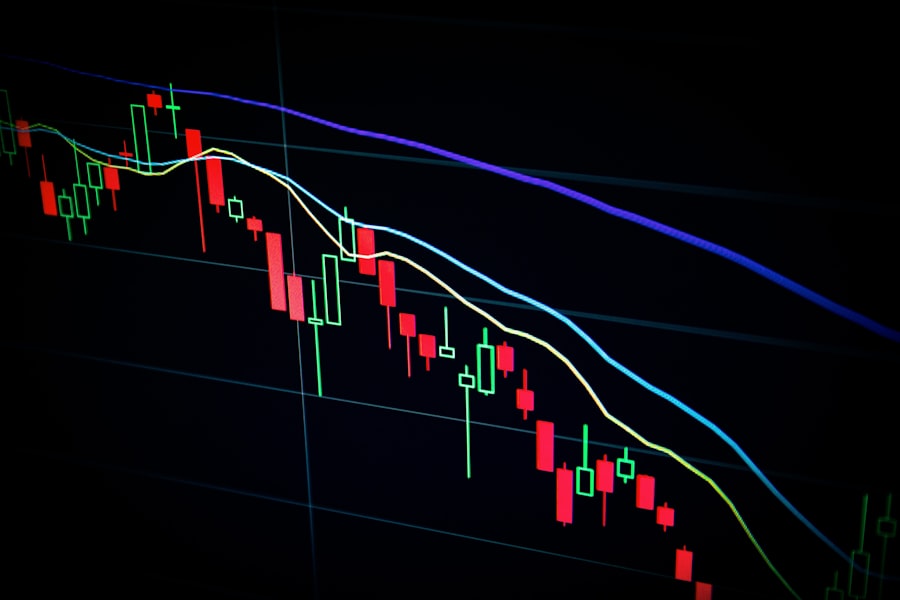
Financial markets are not linear; they are cyclical. You will experience periods of expansion, stagnation, and contraction. Understanding these cycles, and how your investment timeline interacts with them, is crucial for maximizing your returns and minimizing your risks.
Bull Markets: Riding the Wave of Growth
A bull market is characterized by rising stock prices and general optimism. During these periods, your investments are likely to experience significant gains. Your strategy here is to allow your well-chosen assets to grow, capitalizing on the positive sentiment and economic momentum. With a sufficient time horizon, you can comfortably ride these waves of growth.
Maximizing Gains During Bull Markets: Strategic Allocation and Rebalancing
While bull markets are generally favorable, you still need a strategy to maximize your gains. This might involve ensuring your portfolio is appropriately allocated to growth-oriented assets and periodically rebalancing your portfolio to maintain your desired risk level. Don’t get complacent; even in a bull market, smart adjustments can enhance your returns.
Bear Markets: Opportunities Amidst the Downturn
A bear market is characterized by falling stock prices and investor pessimism. While this can be a stressful time, for investors with a long time horizon and a disciplined approach, bear markets can present incredible opportunities. Lower prices mean you can acquire assets at a discount, setting yourself up for greater gains when the market eventually recovers.
Strategic Buying During Downturns: The Investor’s Advantage
The investor who understands the cyclical nature of markets sees a bear market not as a disaster, but as a sale. By continuing to invest during a downturn, you are essentially buying assets at their lowest points. When the bull market eventually returns, these strategically purchased assets will likely see substantial appreciation. Time allows you to be patient through these periods and capitalize on the inevitable rebound.
Understanding the significance of time in investing is crucial for building wealth over the long term. A related article that delves deeper into this topic can be found at How Wealth Grows, where it discusses how compounding returns and market cycles can greatly influence investment outcomes. By recognizing the power of time, investors can make more informed decisions and potentially enhance their financial future.
The Long Game and Your Financial Legacy: Time as an Enduring Asset
| Reasons Why Time Matters in Investing |
|---|
| Compound Interest |
| Market Volatility |
| Long-Term Growth Potential |
| Retirement Planning |
| Cost of Delay |
Ultimately, investing is not just about accumulating a sum of money; it’s about building a financial legacy that can support you and your loved ones for generations to come. Time is the essential ingredient in this long-term vision.
Building Generational Wealth: The Power of a Timeless Strategy
The principles of sound investing – compounding, diversification, and a long-term perspective – are timeless. By embracing these principles and allowing time to work its magic, you are not just securing your own financial future; you are laying the groundwork for your children and grandchildren to enjoy financial security and opportunity. This is the true power of a long-term investment strategy.
Passing Down Financial Wisdom: Investing in Future Generations
Beyond the monetary aspect, investing teaches invaluable lessons about patience, discipline, and the power of delayed gratification. By consistently demonstrating these principles in your own investment journey, you are indirectly passing down this financial wisdom to future generations, equipping them with the tools to build their own prosperity.
The Cost of Procrastination: A Future You Cannot Afford
The greatest enemy of maximized returns is often procrastination. Every year you delay starting your investment journey is a year of compounding you forfeit. This seemingly small delay can have a snowball effect, significantly impacting your long-term financial outcomes. You have the power to shape your financial future; don’t let time slip through your fingers due to inaction.
Taking Action Today: The First Step Towards Financial Freedom
The most important step you can take today is to start. Educate yourself, create a plan, and begin investing. Whether it’s a small amount or a significant sum, the act of beginning is what truly matters. Time is your most valuable asset in investing, and by leveraging it wisely, you unlock the potential for unprecedented financial growth and a secure, prosperous future. You are in control of your financial destiny, and time is your most potent ally.

Only a Few 401(k) Contributions Build Most of Your Retirement
FAQs
What is the importance of time in investing?
Time is crucial in investing because it allows for the power of compounding to work. The longer an investment is held, the more time it has to grow and generate returns.
How does time affect investment returns?
Time affects investment returns through the power of compounding. Compounding allows for the reinvestment of returns, leading to exponential growth over time.
What are the risks of not considering time in investing?
Not considering time in investing can lead to missed opportunities for compounding returns. It can also increase the risk of not meeting long-term financial goals.
How does time horizon impact investment strategies?
The time horizon, or the length of time an investor plans to hold an investment, impacts investment strategies by influencing the level of risk that can be taken and the types of assets that are suitable for the investment portfolio.
What are some strategies for leveraging time in investing?
Strategies for leveraging time in investing include starting early, staying invested for the long term, and regularly contributing to investment accounts to take advantage of compounding over time.