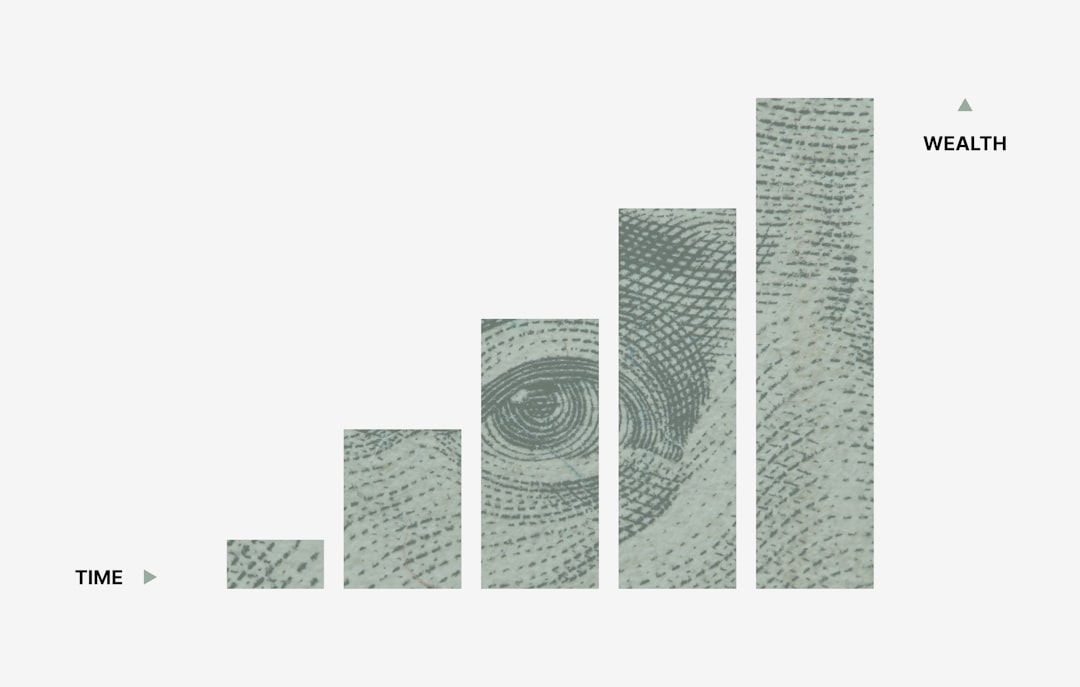
You’ve likely seen the flashy headlines: “Get Rich Quick!” “Millionaire by 30!” These promises might be alluring, but for most people, they’re unrealistic and often lead to disappointment. The truth is, building lasting wealth is rarely about a sudden windfall. It’s about a disciplined, consistent, and patient approach – the slow and steady method. This isn’t about deprivation or living a life of austerity. It’s about making smart choices today that will compound and grow over time, creating a secure and prosperous future for you.
This journey might not be as exciting as a lottery win, but it’s far more reliable and ultimately, more fulfilling. It’s a path that empowers you, giving you control over your financial destiny. So, if you’re ready to trade in the pipe dreams for tangible progress, let’s explore how you can build your wealth, one steady step at a time.
At the heart of building wealth slowly and steadily lies the magic of compounding. You’ve probably heard the phrase “money makes money,” and compounding is the mechanism behind it. It’s essentially earning returns not just on your initial investment, but also on the accumulated interest or profits from previous periods. Think of it like a snowball rolling down a hill. As it gathers more snow, it gets bigger and rolls faster, accumulating even more snow.
The Snowball Effect in Action
Imagine you invest $10,000 today with an average annual return of 7%.
Year 1: Your Initial Investment Grows
After the first year, you’ll have your original $10,000 plus $700 in interest, bringing your total to $10,700. This is a good start, but it’s not yet the transformative power of compounding.
Year 10: The Early Gains Become Noticeable
By the end of year 10, your $10,000 investment, thanks to compounding at 7% annually, will have grown to approximately $19,672. You’ve almost doubled your money.
Year 25: The Real Acceleration Begins
Fast forward to year 25. Your initial $10,000 will have ballooned to an impressive $54,274. This is where you start to see significant growth, and it’s only a quarter of the way through a typical working life.
Year 40: The Long-Term Rewards Unfold
If you maintain this consistent investment and the 7% annual return for 40 years, your initial $10,000 will have grown to a staggering $149,745. That’s nearly 15 times your original investment! This demonstrates the incredible power of time and consistent growth.
The Crucial Role of Time
The most significant factor in compounding is time. The longer your money has to grow, the more dramatic the effect. This is why starting early, even with small amounts, is so crucial. Don’t be discouraged if your initial investments seem small. They are the seeds from which your future wealth will grow. Every dollar you save and invest today is a dollar that has more time to compound and work for you tomorrow.
The Impact of Different Rates of Return
While time is paramount, the rate of return also plays a role. A higher average annual return will, of course, accelerate your wealth-building journey. However, chasing unrealistically high returns often involves taking on excessive risk, which can lead to significant losses. The slow and steady approach prioritizes sustainable growth over speculative gambles. Focus on achieving consistent, reasonable returns through diversified investments rather than seeking out high-risk, high-reward opportunities that are more likely to result in disappointment.
If you’re interested in learning more about effective strategies for building wealth over time, you might find this article particularly helpful: How to Grow Wealth Slowly. It offers practical tips and insights on cultivating a sustainable financial future, emphasizing the importance of patience and consistency in your investment approach. By following the advice outlined in this resource, you can develop a solid foundation for long-term financial success.
Establishing a Solid Financial Foundation
Before you can effectively build wealth, you need to ensure your financial house is in order. This means understanding your current financial situation, creating a budget, and prioritizing debt reduction. A strong foundation prevents your wealth-building efforts from being undermined by financial instability.
Understanding Your Income and Expenses
The first step is to gain a crystal-clear picture of your financial life.
Tracking Every Dollar
You need to know where your money is coming from and where it’s going. Use budgeting apps, spreadsheets, or even a simple notebook to meticulously track your income and all your expenses for at least a month, preferably longer. This often reveals surprising spending habits. You might be spending more on impulse buys, subscriptions you don’t use, or dining out than you realize.
Identifying Needs vs. Wants
Once you have this data, you can differentiate between your essential needs (housing, food, utilities, transportation) and your wants (entertainment, dining out, new gadgets). This distinction is vital for making informed decisions about where you can cut back to free up more money for saving and investing.
Creating and Sticking to a Budget
A budget is your financial roadmap. It dictates how you allocate your income to different categories of spending, saving, and investing.
The Zero-Based Budgeting Approach
Consider a zero-based budget, where every dollar of your income is assigned a purpose. This ensures that no money is wasted and that you are intentionally directing funds towards your financial goals. You might allocate specific amounts to groceries, rent, entertainment, and crucially, savings and investments.
Flexible Budgeting for Real Life
Remember that budgets aren’t meant to be rigid shackles. Life happens, and unexpected expenses arise. Build in some flexibility for these situations. The goal is to have a plan, but also to be adaptable. Regularly review and adjust your budget as your income, expenses, or financial goals change.
Prioritizing Debt Reduction
High-interest debt is a significant obstacle to wealth building. It acts as a constant drain on your resources, and the interest payments can easily outpace any investment returns you might be earning.
The Snowball Method vs. The Avalanche Method
There are two popular strategies for tackling debt:
The Debt Snowball Method
This method focuses on paying off your smallest debts first, regardless of their interest rates. The psychological wins of eliminating smaller debts quickly can provide motivation to continue. Once a debt is paid off, you roll that payment amount into the next smallest debt, creating a snowball effect.
The Debt Avalanche Method
This method prioritizes paying off debts with the highest interest rates first. While it might take longer to see the psychological wins, mathematically, it’s the most efficient way to save money on interest over time.
The Impact of Credit Card Debt
Credit card debt, with its often exorbitant interest rates, is particularly damaging. Prioritize eliminating this type of debt as quickly as possible. The money you save on interest can be immediately redirected towards your investments, accelerating your wealth-building journey.
The Cornerstone: Consistent Saving and Investing

Once your financial foundation is stable, the next crucial step is to consistently save and invest your money. This is where the slow and steady approach truly shines. It’s not about large, infrequent contributions, but rather small, regular deposits that build over time.
Automating Your Savings and Investments
The easiest way to ensure consistency is to automate the process.
Setting Up Automatic Transfers
Schedule automatic transfers from your checking account to your savings and investment accounts immediately after you get paid. Treat these transfers like any other bill – a non-negotiable expense. This “pay yourself first” mentality ensures that your savings and investments are prioritized before you have a chance to spend the money.
Utilizing Employer-Sponsored Retirement Plans
If your employer offers a 401(k) or similar retirement plan, take full advantage of it. Especially if there’s an employer match, it’s essentially free money. Contribute at least enough to get the full match. These plans often have pre-tax contributions, which can also reduce your current tax burden.
Diversification: Don’t Put All Your Eggs in One Basket
Diversification is a fundamental principle of investing that helps mitigate risk.
Understanding Different Asset Classes
This means spreading your investments across various asset classes, such as:
Stocks
Stocks represent ownership in a company. They offer the potential for high growth but also carry higher risk.
Bonds
Bonds are essentially loans you make to governments or corporations. They are generally considered less risky than stocks and provide a more stable income stream.
Real Estate
Investing in property can provide rental income and potential appreciation in value.
Other Alternative Investments
Depending on your risk tolerance and knowledge, you might consider other options like commodities, precious metals, or even cryptocurrencies (with extreme caution).
The Benefits of Index Funds and ETFs
For most individual investors, low-cost index funds and exchange-traded funds (ETFs) are excellent tools for diversification. These funds hold a basket of stocks or bonds that track a specific market index (like the S&P 500), providing instant diversification at a low cost.
The Power of Dollar-Cost Averaging (DCA)
Dollar-cost averaging is a strategy where you invest a fixed amount of money at regular intervals, regardless of market conditions.
Investing Through Market Ups and Downs
When the market is down, your fixed investment amount buys more shares. When the market is up, it buys fewer shares. Over time, this strategy can lead to a lower average cost per share and can help reduce the risk of investing a large sum of money at a market peak. It’s a natural fit for the slow and steady approach, as it removes the emotional decision-making from when to invest.
Smart Spending and Lifestyle Choices
Building wealth isn’t solely about how much you earn and invest; it’s also about how you spend. Making conscious and mindful spending decisions can significantly accelerate your progress.
Avoiding Lifestyle Inflation
Lifestyle inflation occurs when your spending increases as your income increases. While it’s natural to want to enjoy the fruits of your labor, unchecked lifestyle inflation can sabotage your wealth-building efforts.
The Temptation of the Upgrade
As your salary grows, you might be tempted to upgrade your car, buy a bigger house, or frequently dine at more expensive restaurants. While these things can be enjoyable, they often come with increased expenses for maintenance, utilities, property taxes, and higher food bills.
Conscious Choices for Long-Term Gain
The slow and steady approach encourages you to resist this temptation. Instead of immediately upgrading, consider investing the difference or saving for a specific, well-thought-out goal. This delayed gratification is key to accumulating wealth over time.
The Value of Needs-Based Purchases
Distinguishing between needs and wants, as discussed earlier, is crucial.
Prioritizing Value Over Brand Name
Consider the true value and longevity of your purchases. Sometimes, a less expensive, well-made item can serve your needs just as well, if not better, than a branded, high-priced alternative. Look for quality and durability rather than just the name on the product.
The True Cost of Convenience
Convenience often comes with a price tag. While occasional convenience is acceptable, constantly opting for the easiest, most expensive solution can add up. For example, buying pre-cut vegetables or prepared meals might save you time, but they are typically more expensive than buying whole ingredients and preparing them yourself.
The Long-Term Impact of Major Purchases
Major purchases, such as cars or homes, have a significant long-term financial impact.
Thinking Beyond the Monthly Payment
When considering a car, for instance, don’t just focus on the monthly payment. Factor in insurance costs, fuel efficiency, maintenance, and depreciation. A slightly more expensive car that is more fuel-efficient and reliable might save you money in the long run.
The Equity Building Opportunity of Homeownership
While homeownership is a significant expense, it also offers the opportunity to build equity and can be a long-term wealth-building asset. However, it’s essential to ensure you can comfortably afford the mortgage, property taxes, insurance, and ongoing maintenance without stretching your budget too thin.
If you’re interested in understanding the principles of accumulating wealth over time, you might find it helpful to explore strategies that emphasize patience and consistency. One insightful resource on this topic can be found in a related article that discusses various methods for growing wealth slowly. You can read more about these strategies by visiting this link, which offers practical advice and tips to help you on your financial journey.
Patience and Persistence: The Unsung Heroes
| Strategy | Explanation |
|---|---|
| Save Regularly | Consistently putting aside a portion of your income for savings. |
| Invest Wisely | Putting your money into assets that have the potential to grow over time. |
| Compound Interest | Allowing your investment returns to generate further returns over time. |
| Reduce Debt | Paying off high-interest debts to avoid unnecessary financial burden. |
| Long-Term Perspective | Understanding that wealth accumulation takes time and patience. |
Perhaps the most critical, yet often overlooked, components of building wealth slowly and steadily are patience and persistence. This is a marathon, not a sprint, and there will be times when progress seems slow or when the market experiences setbacks.
Embracing the Long-Term Perspective
Wealth building is a journey that unfolds over years, even decades. It’s important to resist the urge to compare your progress to others who may have experienced rapid gains through luck or high-risk strategies.
The Power of Staying the Course
When the market dips, it’s tempting to panic and sell your investments. However, historical data shows that markets tend to recover and grow over the long term. The slow and steady investor understands this and remains invested, often buying more during downturns at lower prices.
Setting Realistic Financial Goals
Break down your larger wealth-building aspirations into smaller, achievable milestones. This provides a sense of accomplishment along the way and helps maintain motivation. Instead of aiming to be a millionaire in five years, focus on saving a specific amount for a down payment in two years or increasing your investment contributions by a certain percentage annually.
Learning from Setbacks and Adjusting Your Strategy
No financial plan is perfect, and you will encounter challenges.
Market Volatility as a Learning Opportunity
Market downturns are not failures; they are opportunities to learn about risk management and to test your emotional resilience. Understanding that volatility is a natural part of investing can help you navigate it with greater confidence.
Seeking Professional Guidance When Needed
If you’re struggling to create a plan or are facing complex financial decisions, don’t hesitate to seek advice from a qualified financial advisor. They can provide objective guidance and help you stay on track. A good advisor will also emphasize the importance of a long-term, disciplined approach.
The Gratification of Achieving Your Goals
The satisfaction you’ll derive from building wealth through your own discipline and consistent effort will be far more profound than any fleeting thrill from a quick win. It’s about building security, freedom, and the ability to live the life you desire, on your own terms. The slow and steady approach is not about sacrifice; it’s about smart planning and the profound rewards of patience and persistence. By embracing these principles, you are not just building wealth; you are building a secure and fulfilling future for yourself.

Only a Few 401(k) Contributions Build Most of Your Retirement
FAQs
What is the key to growing wealth slowly?
The key to growing wealth slowly is to consistently save and invest a portion of your income over time. This allows your money to grow through compound interest and investment returns.
What are some common strategies for growing wealth slowly?
Common strategies for growing wealth slowly include investing in low-cost index funds, contributing to retirement accounts such as 401(k)s and IRAs, and consistently saving a portion of your income.
How does compound interest contribute to growing wealth slowly?
Compound interest allows your initial investment to grow exponentially over time, as the interest earned is added to the principal amount. This results in a snowball effect, where your money grows at an increasing rate.
What are some potential risks of growing wealth slowly?
Some potential risks of growing wealth slowly include inflation eroding the purchasing power of your savings, market downturns affecting investment returns, and unexpected expenses impacting your ability to save and invest.
What are some habits that can help with growing wealth slowly?
Habits that can help with growing wealth slowly include living below your means, avoiding high-interest debt, consistently saving and investing a portion of your income, and staying disciplined during market fluctuations.