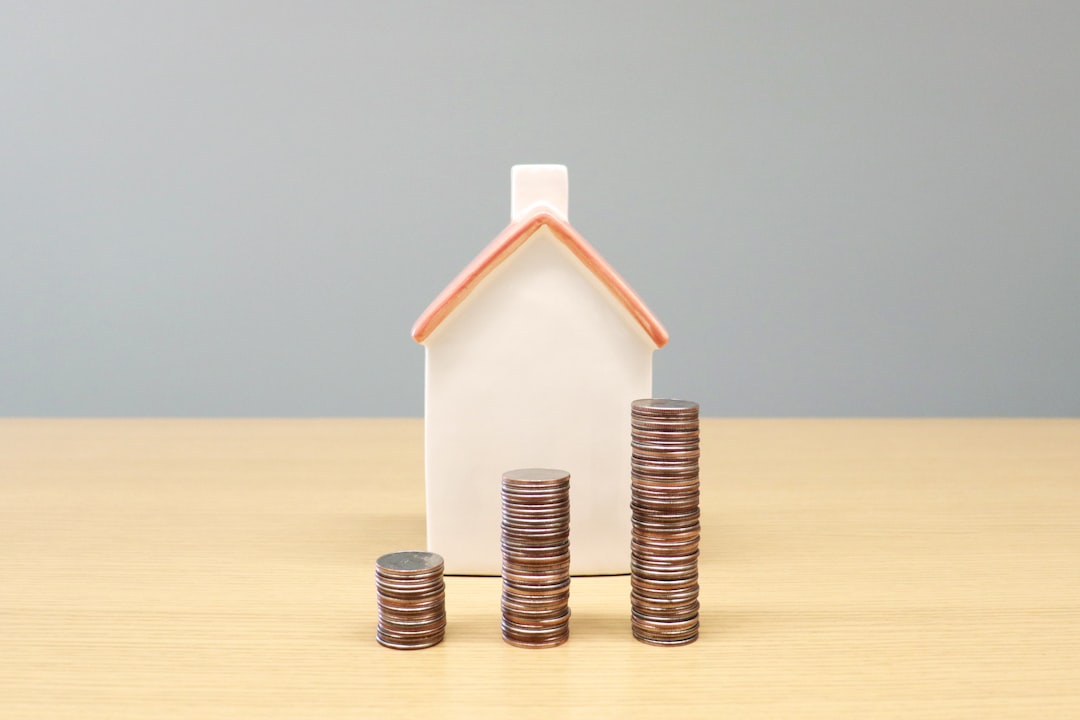
You’re standing on the precipice of a significant decision. The thought of owning your own home, a place to truly call your own, is likely a potent mix of aspiration and perhaps a touch of apprehension. This isn’t just about acquiring bricks and mortar; it’s about laying the cornerstone of your financial future. Homeownership, when approached strategically, becomes one of the most powerful engines for wealth creation and long-term stability in your life. It’s a journey, no doubt, but one that rewards diligent planning and informed action. Let’s delve into the profound financial lessons that owning a home can teach you, and how you can harness them to build a more secure and prosperous future.
Homeownership can provide valuable financial lessons that extend beyond simply having a place to live. For those looking to understand the financial implications and benefits of owning a home, a related article can be found at How Wealth Grows. This resource offers insights into how homeownership can contribute to long-term wealth accumulation, the importance of equity, and the potential for property appreciation over time. By exploring these concepts, homeowners can better navigate their financial futures and make informed decisions regarding their investments.
Understanding the Equity Equation: Your Home as an Investment
The most tangible financial benefit of homeownership is the accumulation of equity. Think of it as a savings account where your home is the principal. Each mortgage payment you make, beyond the interest, contributes to reducing the amount you owe on your property. Simultaneously, as you pay down your mortgage, your ownership stake, or equity, grows. This growing equity isn’t just a number on a statement; it represents a tangible asset that you can leverage in various ways throughout your life.
The Power of Amortization: Watching Your Debt Shrink
Your mortgage is designed with an amortization schedule, a detailed breakdown of how each payment is allocated between principal and interest over the life of the loan. In the early years, a larger portion of your payment goes towards interest. This can feel disheartening, but understanding this mathematical reality is crucial.
The Compound Effect of Principal Reduction
As your loan matures, this balance shifts. More and more of your monthly outflow starts chipping away at the principal. This accelerating reduction in your debt is a powerful force. Imagine a snowball rolling downhill, gathering momentum. That’s what happens to your equity as you diligently make your payments. With each principal payment, you directly increase the portion of the home that is truly yours.
Making Extra Payments: Accelerating Your Wealth Building
While the amortization schedule is set, you have the power to influence its speed. Making extra principal payments, even small ones, can significantly reduce the loan term and the total interest paid. This isn’t just about saving money on interest; it’s about freeing up your cash flow sooner and building equity at a faster rate. Consider it an investment in your future self, a way to unlock your home’s wealth-building potential more quickly.
Property Appreciation: The Silent Growth of Your Asset
Beyond your conscious efforts to pay down the mortgage, your home has the potential to increase in value over time, a phenomenon known as property appreciation. This is influenced by a multitude of factors, from economic growth and demand for housing in your area to local development and improvements.
Market Dynamics: Understanding the Forces at Play
No one can perfectly predict the housing market, but understanding the general principles of supply and demand, inflation, and economic cycles can give you an edge. Areas with strong job growth, good schools, and desirable amenities often see higher rates of appreciation.
Long-Term Perspective: Patience as a Virtue
Appreciation is often a long-term game. There will be fluctuations, and your home’s value might dip in certain economic conditions. However, historically, real estate has proven to be a robust long-term investment that tends to outpace inflation. Resist the urge to panic-sell during market downturns; maintaining a long-term perspective is key to benefiting from appreciation.
Budgeting and Financial Discipline: The Habits of a Homeowner
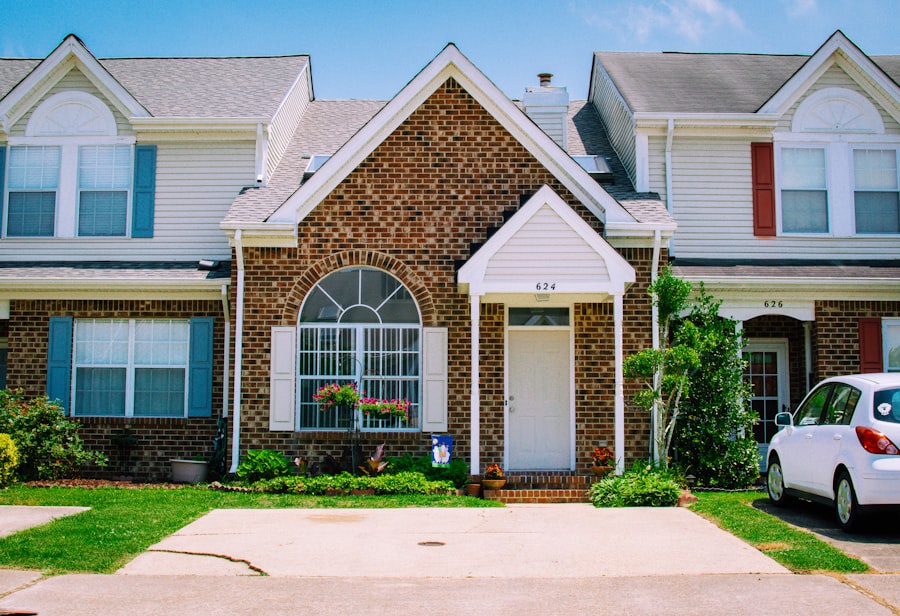
Owning a home forces you to confront your financial habits head-on. It’s no longer just about paying rent; it’s about managing all the expenses associated with maintaining and improving your property, alongside your other financial obligations. This often cultivates a higher level of budgeting and financial discipline.
Developing a Comprehensive Budget: Beyond the Mortgage Payment
Your mortgage payment is just the tip of the iceberg when it comes to homeownership expenses. You need to account for property taxes, homeowners insurance, potential homeowner association (HOA) fees, and the ongoing costs of utilities.
Tracking Your Expenses: Knowing Where Your Money Goes
The act of owning a home necessitates a more granular understanding of your spending. You’ll start tracking not just your mortgage, but also the costs of repairs, maintenance, and unexpected issues. This increased awareness is a crucial step towards sound financial management.
Creating a “Home Maintenance Fund”: Preparing for the Unexpected
Leaks, appliance breakdowns, or the need for a new roof – these are realities of homeownership. Establishing a dedicated fund for these unexpected repairs and regular maintenance is a wise financial strategy. It prevents you from raiding your emergency fund or going into debt when something inevitably needs fixing.
Prudent Spending and Debt Management: Prioritizing Your Financial Health
The financial discipline fostered by homeownership extends to your overall spending and debt management. You become more mindful of taking on new debt when you already have a significant long-term commitment like a mortgage.
Avoiding Unnecessary Consumer Debt: Protecting Your Equity
When you’re a homeowner, the allure of easily accessible credit for non-essential purchases can be more tempting, but also more detrimental. The financial stability you’re building with your home is best protected by avoiding high-interest consumer debt that can erode your savings and complicate your financial picture.
Strategic Use of Credit: Leveraging Your Home Responsibly
While avoiding unnecessary debt is crucial, understanding how to strategically leverage credit can be beneficial. For example, a home equity loan or line of credit can be a valuable tool for major renovations or unexpected expenses, provided you have a clear repayment plan and understand the risks involved.
The Long-Term Financial Security: Building a Stable Future
Homeownership provides a level of financial security that renting often cannot match. Your housing costs become more predictable, and you are building an asset that can provide a safety net and a legacy for your family.
Predictable Housing Costs: Shielding Yourself from Rent Hikes
One of the most significant advantages of a fixed-rate mortgage is the predictability of your monthly housing payment for the life of the loan. Unlike rent, which can increase annually due to market forces, your principal and interest payment remains constant. This predictability allows for more accurate long-term financial planning and budgeting.
The Freedom from Rental Market Volatility
Renting subjects you to the whims of the rental market. Landlords can raise rents significantly, or you might be forced to move due to a property sale. Owning your home provides a sanctuary from this volatility, granting you a sense of permanence and control over your living situation.
Budgeting with Certainty: Enabling Future Financial Goals
With relatively stable housing costs, you can more confidently plan for other financial goals, such as saving for retirement, your children’s education, or starting a business. This certainty liberates you from the constant worry of unexpected increases in your largest monthly expense.
A Tangible Asset for Wealth Accumulation: Your Home as a Cornerstone
As discussed earlier, your home is more than just a place to live; it’s a significant financial asset. Its value, combined with the equity you build, contributes substantially to your overall net worth. This tangible asset can transform your financial trajectory over time.
Diversification of Your Investment Portfolio
While stocks and bonds are important components of a diversified portfolio, real estate offers a different asset class. Its performance is influenced by economic factors distinct from the stock market, providing a valuable layer of diversification that can mitigate overall investment risk.
A Stepping Stone to Further Financial Opportunities
As your equity grows, your home can become a stepping stone to other financial opportunities. You might be able to tap into your equity for investments, to start a business, or to fund further education, accelerating your overall wealth-building journey.
Homeownership can provide valuable financial lessons that extend beyond just having a place to live. Understanding the importance of equity, budgeting for maintenance costs, and the impact of market fluctuations can significantly enhance one’s financial literacy. For those interested in exploring more about how homeownership can contribute to wealth building, a related article can be found at How Wealth Grows, which delves into the various financial benefits of owning a home and how it can serve as a foundation for long-term financial stability.
The Behavioral and Psychological Benefits: More Than Just Numbers
| Financial Lessons from Homeownership |
|---|
| 1. Building equity over time |
| 2. Understanding mortgage terms and interest rates |
| 3. Budgeting for home maintenance and repairs |
| 4. Learning about property taxes and insurance |
| 5. Managing homeowners association fees |
The financial lessons of homeownership extend beyond spreadsheets and balance sheets. Owning a home can profoundly impact your behavior, instilling valuable habits and fostering a sense of responsibility and achievement.
Increased Sense of Responsibility and Ownership: Taking Pride in Your Property
When you own your home, you have a vested interest in its upkeep and improvement. This fosters a deep sense of responsibility for your property. You’re not just a tenant; you’re a steward, taking pride in maintaining and enhancing the value of your investment. This responsibility often translates into more mindful financial behavior in other areas of your life.
The Motivation to Maintain and Improve Your Asset
You’re more likely to invest time and money into making your home the best it can be when it’s yours. This proactive approach to maintenance not only preserves your asset but can also lead to improvements that increase its value, further reinforcing the wealth-building aspect.
A Sense of Accomplishment and Stability
The achievement of owning a home is a significant milestone for many. It provides a tangible symbol of your hard work and financial success, contributing to a profound sense of accomplishment and stability that can boost your confidence and motivation in other life pursuits.
Fostering a Long-Term Mindset: Planning for the Future
The commitment of homeownership inherently encourages a long-term perspective. You’re not just thinking about the next month or year; you’re thinking about the next decade and beyond. This shift in perspective is invaluable for your overall financial planning and life goals.
The Importance of Future Planning and Goal Setting
When you own a home, you become more acutely aware of the need for long-term financial planning. You consider your retirement, the future of your family, and how your home fits into those overarching goals. This fosters a stronger discipline in saving and investing for the future.
The Legacy You Build: Passing Down Security
Beyond your personal financial growth, homeownership allows you to build a legacy. Your home can become a valuable inheritance for your children or other loved ones, providing them with a foundation of financial security. This consideration of future generations further solidifies the long-term mindset.
Navigating the Challenges and Making Informed Decisions: Your Roadmap to Success
While the rewards of homeownership are substantial, it’s crucial to acknowledge that the path isn’t always smooth. Understanding potential challenges and making informed decisions is paramount to a successful homeownership journey.
The Initial Financial Hurdles: Preparing for the Upfront Costs
The initial financial commitment to buying a home can feel daunting. There are down payments, closing costs, and the need to furnish and potentially renovate your new space. Thorough preparation and understanding these costs are essential.
Down Payment Strategies: Making Homeownership Accessible
Saving for a down payment is often the biggest hurdle. Explore various down payment options, including FHA loans, VA loans, or down payment assistance programs, which can significantly reduce the upfront financial burden.
Understanding Closing Costs: The Expenses Beyond the Sale Price
Closing costs, which can include appraisal fees, title insurance, loan origination fees, and legal expenses, can add up. Get a detailed breakdown of these costs from your lender and factor them into your budget.
Ongoing Maintenance and Unexpected Expenses: Be Prepared, Not Panicked
As previously mentioned, homeownership comes with ongoing maintenance responsibilities and the potential for unexpected repairs. Proactive budgeting and a healthy emergency fund are your best defenses.
The Importance of a Robust Emergency Fund: Your Financial Safety Net
Your emergency fund should be sufficient to cover several months of living expenses, including your mortgage payments, utilities, and essential needs. This fund will be your lifeline when unexpected home repairs arise.
Prioritizing Home Maintenance: Protecting Your Investment
Regular maintenance, such as cleaning gutters, servicing your HVAC system, and sealing any drafts, can prevent minor issues from becoming costly emergencies. Treating your home’s maintenance as an ongoing investment will save you money in the long run.
Making Smart Renovation and Improvement Decisions: Enhancing Value Wisely
When embarking on home renovations, it’s essential to make strategic decisions that enhance both your enjoyment of your home and its long-term value. Not all renovations offer a proportional return on investment.
Return on Investment (ROI) for Renovations: What’s Worth It?
Research which types of renovations typically offer the best return on investment in your area. Kitchen and bathroom remodels, adding a deck, or improving curb appeal often yield good results. Avoid overly personal or niche renovations that might not appeal to future buyers.
Considering Energy Efficiency: Saving Money and the Planet
Investing in energy-efficient upgrades, such as better insulation, new windows, or energy-efficient appliances, can significantly reduce your utility bills and increase your home’s attractiveness to buyers concerned about environmental impact and long-term savings.
The journey of homeownership is a dynamic and educational one. By embracing the financial lessons it offers – from understanding the growing power of your equity and cultivating disciplined budgeting to appreciating the long-term security and behavioral shifts it instills – you are not just acquiring a property, you are actively constructing a more stable and prosperous financial future for yourself and your loved ones. APPROACH this endeavor with knowledge, diligence, and a long-term vision, and you will unlock the true wealth-building potential that lies within the walls of your own home.

The House You Can Afford—but Can’t Leave
FAQs
What are some financial lessons that can be learned from homeownership?
Some financial lessons that can be learned from homeownership include the importance of budgeting for home maintenance and repairs, understanding the impact of interest rates on mortgage payments, and the potential for building equity over time.
How does homeownership impact personal finances?
Homeownership can impact personal finances in various ways, such as through the accumulation of home equity, potential tax benefits, and the opportunity to build wealth through property appreciation.
What are some common financial mistakes made by homeowners?
Common financial mistakes made by homeowners include underestimating the true cost of homeownership, taking on too much mortgage debt, and neglecting to save for emergencies or home maintenance expenses.
What are some strategies for managing finances as a homeowner?
Strategies for managing finances as a homeowner include creating a comprehensive budget that accounts for mortgage payments, property taxes, insurance, and maintenance costs, as well as building an emergency fund specifically for home-related expenses.
How can homeownership contribute to long-term financial stability?
Homeownership can contribute to long-term financial stability by providing the opportunity to build equity, potentially benefit from property appreciation, and establish a sense of financial security through owning a valuable asset.