You’ve decided. The new city beckons, with its promise of opportunity, a fresh start, or maybe just a change of scenery. The excitement is palpable, the vision of your new life already taking shape in your mind. But before you can even unpack that first box, a different reality starts to loom: the undeniable and often staggering cost of relocating. Moving is far more than just packing up your belongings and driving them somewhere new; it’s a complex financial undertaking, a meticulously orchestrated dance of expenses that can quickly add up, leaving you with a much lighter wallet than you anticipated. This journey from your old doorstep to your new one is paved with a thousand little costs, each demanding its own consideration and, more importantly, its own budget.
Every successful move begins with a solid plan, and that plan, unfortunately, carries a price tag. Before a single box is ever sealed, you’re committing resources to the very act of preparation. This isn’t just about shoving things into containers; it’s a strategic dismantling of your current life and the initial assembly of its future iteration.
The Materials That Matter
You can’t move what you don’t pack, and packing requires supplies. What might seem like a simple trip to the store quickly transforms into a significant expense.
The Humble Box: More Than Just Cardboard
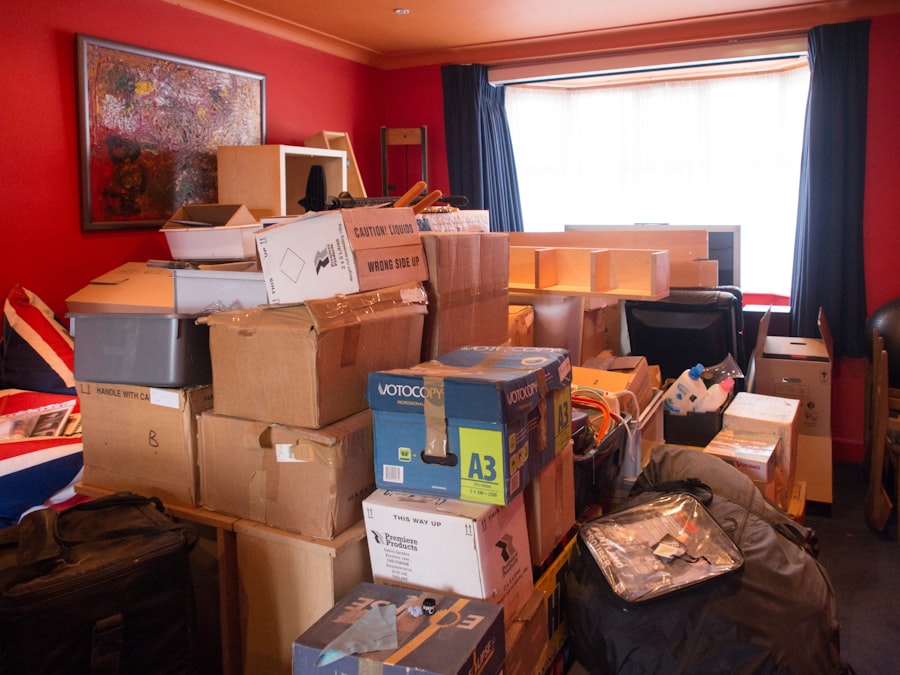
Think about the sheer volume of items you own. Each one, from your entire book collection to your vast array of kitchen gadgets, needs a vessel. You’ll find yourself buying boxes in various sizes: small ones for heavy items like books, medium ones for everyday goods, and large ones for lighter, bulkier possessions like linens and pillows. Factor in specialty boxes too – television boxes for electronics, wardrobe boxes to keep your clothes on hangers, and even dish packs with dividers to protect your delicate china. The cost per box might seem nominal, but when you’re purchasing dozens, even hundreds, the accumulated expense is substantial. Don’t forget about the ones you might be tempted to “borrow” or buy used – even those usually have a cost, albeit a lower one.
Securing the Load: Tape, Wrap, and More
Once you have your boxes, you need to secure them. High-quality packing tape is essential. You’ll need rolls and rolls of it. Bubble wrap, that ubiquitous savior of fragile items, is another unavoidable cost. You’ll find yourself using it not just for glassware but for anything you deem even slightly vulnerable. Then there’s packing paper, often sold in large reams, which you’ll use to fill voids and cushion items. Consider furniture pads and blankets for protecting larger pieces of furniture during transit. Straps and shrink wrap for securing furniture can also add to the tally. These are the unsung heroes of a successful move, silently contributing to the overall cost.
The Decision to DIY or Delegate: Professional Movers
One of the biggest financial forks in the road you’ll encounter is deciding whether to handle the heavy lifting yourself or hire professional movers. Each path comes with its own set of economic implications.
The Allure of the Full-Service Mover
Hiring a professional moving company offers convenience and peace of mind. They handle everything: packing, loading, transporting, and often unloading. This frees you up to focus on other aspects of your relocation, like setting up utilities in your new home or handling paperwork. However, this luxury comes at a premium. The cost of full-service movers is calculated based on several factors: the volume or weight of your belongings, the distance of the move, the time of year, and any additional services you require (like packing or unpacking). For a long-distance move of a typical household, you could easily be looking at thousands, even tens of thousands, of dollars. Get a few quotes from reputable companies and prepare for sticker shock.
The DIY Approach: Saving Money, Gaining Sweat Equity
Opting for a do-it-yourself move, where you rent a truck and enlist the help of friends and family, can significantly reduce costs. You’ll rent a moving truck (the size depends on your needs), pay for mileage, and potentially for insurance. The biggest savings here come from the labor. However, your time and energy are valuable commodities. You’ll spend hours packing, loading, and unloading. The risk of damage to your belongings or injury to yourself or your helpers is also higher. Don’t forget the cost of fuel, which can be substantial for long distances, and the potential for wear and tear on your own vehicle if you’re doing local moves with smaller loads.
Moving can often come with a hefty price tag, and understanding the various factors that contribute to these costs is essential for anyone planning a relocation. For a deeper insight into why moving is so expensive, you can check out this informative article that breaks down the hidden fees and expenses associated with the process. It provides valuable tips on budgeting and planning to help mitigate these costs. To read more, visit this article.
The Hidden and Not-So-Hidden Costs of Transportation
The journey of your possessions from point A to point B is a critical and often expensive component of any relocation. This isn’t just about the physical act of moving things; it’s about the logistics, the fuel, and the potential for unexpected charges.
The Backbone of the Move: Truck Rental and Fuel
If you’re going the DIY route, the moving truck becomes your primary steed. The rental cost itself can vary depending on the size of the truck, the duration of the rental, and the company you choose. Larger trucks naturally cost more. Weekly rentals, compared to daily rentals, can sometimes offer a better per-day rate, but that depends on the length of your move.
Fueling the Journey
This is where a frequently underestimated expense can catch you off guard. Moving trucks are not known for their fuel efficiency. Unlike your nimble commuter car, these behemoths guzzle gas. The cost of fuel for a cross-country move can easily run into hundreds, if not thousands, of dollars. You also need to factor in the potential need for extra fuel stops, especially on longer journeys. Some rental companies have specific fuel policies, requiring you to return the truck with a full tank, which can add to your pre-move to-do list and budgetary considerations as you’ll need to find stations conveniently located.
The Impact of Distance: Miles That Make Money
The expanse between your old and new residences is a direct driver of cost. The further you go, the more you pay. This applies whether you’re using professional movers or renting your own truck.
The Price of Proximity vs. Permanence
A move across town is significantly less expensive than a move across state lines or even across the country. Professional movers will charge by the mile, and truck rental companies factor mileage into their rates. This increase in distance translates directly to more fuel, more time on the road, and potentially more overnight stays for the movers (or for yourself if driving a rental). The longer the distance, the more complex the logistics become, and complexity often begets increased expenses.
Tolls, Fees, and Unexpected Roadblocks
Beyond the base cost of transportation, you’ll encounter a myriad of smaller charges that can accumulate. Toll roads are a reality in many parts of the country, and your moving truck will have to navigate them. Some toll systems have specific accounts or payment methods for commercial vehicles, which might involve additional administration fees. You could also encounter parking permits needed for loading and unloading in certain areas, especially in dense urban environments. And then there are the unforeseen roadblocks – a mechanical issue with the rental truck, a detour due to road construction, or even a parking ticket for a momentary lapse in judgment. These can all add unexpected financial burdens to your journey.
The Unseen Financial Demands: Settling In
Once your belongings have arrived at your new destination, the financial demands of your relocation are far from over. In fact, this is often when new expenses begin to surface, requiring you to establish yourself in a new environment.
Moving can often come with a hefty price tag, and many factors contribute to these rising costs. From hiring professional movers to purchasing packing supplies, the expenses can add up quickly. For a deeper understanding of the financial implications of relocating, you can explore a related article that discusses various aspects of moving expenses and offers tips on how to manage them effectively. To learn more, check out this insightful piece on how wealth grows.
Setting Up a New Home: From Utilities to Essentials
You can’t live in an empty shell. The process of making your new house or apartment habitable involves a series of upfront costs.
The Basic Necessities: Power, Water, and Internet
Connecting to essential utilities is a priority. You’ll likely have to pay an activation fee for electricity, gas, and water services. Sometimes, a security deposit is required for new customers, especially if you have a less-than-perfect credit history. And in today’s connected world, reliable internet and cable are practically a necessity, not a luxury. Installation fees and the initial month’s service can add up.
Furnishing the Void: From Sofa to Spatula
If you’re moving into a partially or unfurnished space, the need for furniture and household items can be a significant financial hurdle. You might need a new sofa, a bed frame, a dining table, chairs, and a host of smaller but essential items like lamps, rugs, and kitchenware. Even if you’re bringing some of your old furniture, you might find that it doesn’t quite fit the aesthetic or the dimensions of your new home, leading to additional purchases. Don’t forget the small but vital items like curtains, bedding, towels, and cleaning supplies. Each one represents a financial outlay that contributes to making your new house a home.
Initial Living Expenses: Bridging the Gap
There’s often a period of adjustment as you transition to your new location. During this time, your regular income might not immediately align with your immediate expenses.
The Cost of Dual Residences
If you’re lucky, you might have sold your old home and moved directly into your new one. However, for many, there’s a gap. This could mean overlapping rent payments for both your old and new residences for a period, or paying for temporary housing like a hotel or short-term rental while you finalize your move. This dual occupancy can be a major financial strain.
Daily Life on a Different Budget
Your cost of living might be different in your

The House You Can Afford—but Can’t Leave

FAQs
1. What factors contribute to the high cost of moving?
The cost of moving can be influenced by various factors such as the distance of the move, the amount of belongings being transported, the time of year, and additional services such as packing, storage, and insurance.
2. How does the distance of the move affect the cost?
The distance of the move is a significant factor in determining the cost. Longer distances typically require more fuel, time, and labor, which can result in higher moving expenses.
3. What are some additional services that can increase the cost of moving?
Additional services such as packing, storage, and insurance can add to the overall cost of moving. These services provide convenience and protection for your belongings, but they come with an extra price tag.
4. Are there ways to reduce the cost of moving?
There are several ways to potentially reduce the cost of moving, such as decluttering and selling or donating items you no longer need, comparing quotes from different moving companies, and choosing to move during off-peak times.
5. Why is it important to budget for moving expenses?
Budgeting for moving expenses is crucial to avoid financial strain. By understanding the potential costs involved in a move, individuals can better prepare and plan for a smooth and financially manageable relocation.