
You might not even realize it’s happening. It crept in insidiously, a slow, steady drain on your financial well-being, and now it has you firmly in its grip. This is the stranglehold of recurring expenses, a silent thief that can derail your dreams and leave you feeling perpetually stuck. These aren’t the big, splashy purchases that bring fleeting joy; they are the seemingly small, regular outflows of cash that, over time, compound into a significant burden. They are the subscriptions you forgot you had, the automatic payments you signed up for with little thought, and the daily habits that chip away at your income. You’ve likely fallen victim to this pervasive financial phenomenon, and understanding its grip is the first step toward liberation.
When you think about your money, you probably focus on the big bills – rent or mortgage, car payments, student loans. These are undeniable, headline-grabbing expenses. But lurking beneath the surface are the much stealthier, yet equally impactful, recurring expenses. They are the silent assassins of your budget, the ones you barely notice as they steadily siphon off your hard-earned cash, preventing you from achieving your financial goals.
The Subscription Swamp: A Lure of Convenience
The digital age has ushered in an era of unparalleled convenience, and much of that convenience comes in the form of subscriptions. From streaming services to software, from meal kits to curated boxes of goods, the allure of having something delivered regularly or accessible on demand is powerful. You signed up because it made sense at the time – a discounted introductory offer, a perceived need, or simply the ease of a one-click purchase.
The Netflix Effect: Entertainment Without End
You love binge-watching your favorite shows. Netflix, Hulu, Disney+, Amazon Prime Video – they all offer a seemingly endless library of content. While the individual cost might seem small, the cumulative effect of multiple streaming subscriptions can be substantial. It’s easy to justify each one individually, but when you add them up, you might be spending hundreds of dollars a year on entertainment you don’t fully utilize. Think about it: are you truly watching enough of each service to justify the monthly fee?
The Software Siren Song: Tools You Rarely Deploy
You’re a creative soul, a budding entrepreneur, or someone who just likes to be prepared. So, you subscribe to graphic design software, project management tools, or cloud storage solutions. They promise to enhance your productivity and unleash your potential. However, the reality is often that these sophisticated tools remain largely dormant, their advanced features going unexplored while the monthly charges continue to accumulate. You might be paying for a Ferrari when you only ever drive a scooter.
The Daily Grind of Digital Deliveries: Convenience or Cost?
Beyond entertainment and productivity, there are subscriptions for almost everything else. Think about your coffee delivery service, your curated snack boxes, or even your daily news app. These services are designed to simplify your life, but are they truly adding value, or are they simply adding to your expenses? The convenience is undeniable, but at what price to your financial freedom?
The Automatic Avalanche: Payments You Don’t Control
Beyond intentional subscriptions, there are the automatic payments that are less about explicit choices and more about contractual obligations or established habits. These are the expenses that come out of your account like clockwork, often without you even needing to lift a finger. While they offer a certain level of predictability, they can also become a financial avalanche if not managed carefully.
The Gym Membership Ghost: Fitness Dreams Deferred
You joined the gym with the best intentions, imagining yourself toned and healthy. The membership fee, however, has become a recurring expense that’s far easier to maintain than the commitment to actually go. You see the charge on your bank statement, a constant reminder of your unfulfilled fitness aspirations and the money you’re needlessly spending. It’s a classic example of paying for a service you’re no longer actively using, yet the automatic withdrawal continues.
The Insurance Illusion: Protection That Costs You
Insurance is a necessity, of course. Homeowners insurance, car insurance, health insurance – these are not optional. However, the premiums, while necessary, are recurring expenses that can feel like a constant drain. Are you paying too much for your coverage? Have you shopped around recently to compare rates? The inertia of letting your existing policy automatically renew can cost you significantly over time. You might be overpaying for coverage you don’t truly need or that could be obtained at a lower cost elsewhere.
The Bill That Bills You: Utilities and Services
Your electricity, gas, water, internet, and phone bills are all recurring expenses that are essential for modern living. While you can’t eliminate them, you can strive to manage them more effectively. Are you mindful of your energy consumption? Are there more affordable internet or phone plans available that would meet your needs? These seemingly fixed costs can often be reduced with conscious effort and a willingness to investigate alternatives.
The Lifestyle Creep: Habits That Bankrupt You
This is perhaps the most insidious category of recurring expenses. It’s not about conscious choices like subscriptions, nor is it about contractual obligations like insurance. Lifestyle creep refers to the gradual increase in your spending as your income rises, often without you even realizing it. It’s the subtle shift in your habits and expectations that leads to a higher cost of living.
The Daily Coffee Ritual: A Small Indulgence, a Big Cost
That morning latte from your favorite cafe? It’s a small pleasure, a little pick-me-up. But what if you bought one every single workday? Over a month, that adds up to a significant sum. Over a year, it’s an amount that could have funded a nice vacation or a substantial investment. It’s the accumulation of these seemingly minor daily expenses that can become a substantial recurring cost.
The Takeout Temptation: Convenience Over Cooking
The lure of a delicious meal delivered right to your door is strong, especially after a long day. However, the cost of regular takeout or restaurant meals quickly escalates. While treating yourself occasionally is fine, making it a habit can cripple your budget. Cooking at home is almost always a more economical and often healthier option.
The Upgrade Urge: Always Needing the Latest and Greatest
You might have a perfectly functional smartphone, but when the new model is released, you feel an undeniable urge to upgrade. The same applies to your laptop, your television, your car, and even your clothing. This constant desire for the latest and greatest is a powerful driver of recurring expenses, as you’re perpetually buying new items instead of making your existing ones last.
Recurring expenses can significantly limit your financial freedom and overall quality of life, as they often consume a large portion of your income, leaving little room for savings or investments. By understanding how these expenses impact your budget, you can take proactive steps to manage them effectively. For further insights on this topic, you can read a related article that discusses the implications of recurring expenses on your financial health and offers strategies for better management. Check it out here: How Wealth Grows.
The Hidden Dangers: Why Recurring Expenses Matter
It’s easy to dismiss recurring expenses as minor inconveniences. After all, they are small, predictable outflows. But their cumulative effect is far more detrimental than you might initially realize. Understanding these hidden dangers is crucial to breaking free from their stranglehold.
Depriving Your Future Self: The Opportunity Cost
Every dollar spent on a recurring expense is a dollar that cannot be invested. That latte you bought every morning could have been invested in stocks, bonds, or a high-yield savings account. Over time, the power of compounding interest means that money has the potential to grow exponentially. By falling prey to recurring expenses, you’re effectively robbing your future self of that growth, delaying your financial independence and the achievement of your long-term goals.
Recurring expenses can significantly limit your financial freedom and overall quality of life, as they often consume a large portion of your income, leaving little room for savings or investments. For a deeper understanding of how these expenses can impact your financial well-being, you might find it helpful to read a related article that discusses the importance of managing your finances effectively. By learning to identify and reduce unnecessary recurring costs, you can take control of your financial future and create more opportunities for yourself. To explore this topic further, check out this insightful piece on wealth growth.
Creating a Debt Trap: The Illusion of Affordability
When you set up automatic payments, you often do so because the monthly cost seems manageable. However, this can create an illusion of affordability that masks a deeper problem. If your income were to fluctuate, or if an unexpected expense arose, these automatic payments could quickly become unmanageable, forcing you to rely on credit cards or loans, thereby digging yourself into a deeper debt trap.
Stifling Your Dreams: The Barrier to Financial Freedom
Whether your dream is to travel the world, buy a home, start a business, or retire early, recurring expenses are a significant barrier. They tie up your money, limiting your ability to save, invest, and take calculated risks that could propel you towards your goals. You’re essentially trapped in a cycle of spending, unable to break free and pursue the life you truly desire.
The Psychological Toll: Stress and Anxiety
The constant awareness of recurring bills, even if they are automatically paid, can create a low-level hum of financial anxiety. You might feel a perpetual sense of being under pressure, stressed about making ends meet, and unable to truly relax. This psychological toll can impact your overall well-being and your ability to make rational financial decisions.
Breaking the Chains: Strategies for Reclaiming Your Finances

The good news is that you are not doomed to live under the stranglehold of recurring expenses forever. With conscious effort and the right strategies, you can break free and regain control of your financial future.
Audit and Analyze: The First Step to Freedom
The most crucial step in addressing recurring expenses is to conduct a thorough audit of your spending. You need to know exactly where your money is going.
Inventorying Your Subscriptions: A Digital Declutter
Go through your bank and credit card statements with a fine-tooth comb. Identify every single subscription service you are paying for. Don’t overlook free trials that may have automatically converted to paid subscriptions. Categorize them by necessity and enjoyment.
Tracking Your Automatic Payments: A Closer Look
Beyond subscriptions, list all of your automatic payments. This includes utilities, insurance premiums, loan payments, and any other regular deductions from your account. Understand the total amount you are committed to paying each month.
Understanding Your Habits: The True Cost of Convenience
For lifestyle-related recurring expenses like daily coffees or frequent takeout, honestly assess how often you engage in these habits and their associated costs. This requires a different kind of tracking, perhaps a daily spending log for a week or two, to gain true insight.
Pruning the Overgrowth: Cutting the Unnecessary
Once you have a clear picture of your recurring expenses, it’s time to start pruning. Be ruthless but strategic.
Cancelling the Unused: The Joy of Saying Goodbye
This is where you identify and cancel subscriptions you no longer use or value. That streaming service you haven’t watched in months? Cancel it. That software you downloaded but never opened? Cancel it. The initial resistance might be there, but the relief of seeing those charges disappear will be immense.
Negotiating Your Bills: The Power of Your Voice
Don’t be afraid to negotiate your recurring bills, especially for things like internet, cable, or even insurance. Call your providers and ask if there are any better deals available or if they can match a competitor’s offer. You might be surprised at what you can save.
Downgrading Your Services: Value Over Excess
If you find yourself paying for premium versions of services you don’t utilize, consider downgrading to a more basic, less expensive plan. You might discover that the lower-tier option meets your needs just as well, saving you money without sacrificing essential functionality.
Replacing Habits with Smarter Choices: Long-Term Sustainability
Cutting expenses is important, but creating sustainable habits that reduce recurring costs is key to long-term financial health.
Embracing the Home Chef: Cooking as a Skill and a Saving
Make cooking at home a more regular practice. Meal prepping on weekends can save you time and money during the week, reducing the temptation of expensive takeout.
Mindful Consumption: Appreciating What You Have
Resist the urge to constantly upgrade. Before making a purchase, ask yourself if you truly need it and if your current item is no longer functional. Focus on quality and longevity rather than the latest trends.
Finding Free and Low-Cost Alternatives: Creative Solutions
Explore free entertainment options like libraries, parks, and community events. For some software needs, there are often free open-source alternatives that can be just as effective. Get creative with how you meet your needs without incurring recurring costs.
Automating Your Savings: Making Your Future Self a Priority
While you need to be wary of automatic payments that drain your funds, you can leverage automation to build your wealth.
Setting Up Automatic Transfers: The Power of Consistency
Schedule automatic transfers from your checking account to your savings and investment accounts. This ensures that you’re consistently saving and investing, even if you forget or are tempted to spend the money elsewhere. Treat your savings as a non-negotiable recurring expense.
Automating Debt Repayment: Accelerating Your Freedom
If you have debt, set up automatic payments that are slightly larger than the minimum. This will help you pay down your debt faster, reducing the amount of interest you pay over time and freeing up your cash flow sooner.
The Ongoing Battle: Vigilance and Adaptation
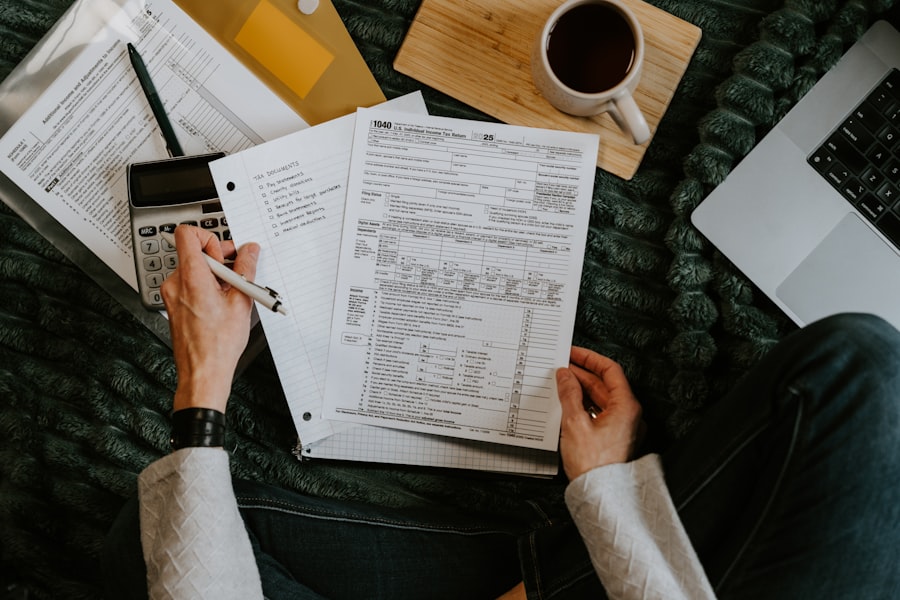
Breaking free from the stranglehold of recurring expenses is not a one-time event; it’s an ongoing process. The financial landscape is constantly evolving, and new temptations will always emerge.
Regular Review and Re-evaluation: Staying on Top of Your Game
Make it a habit to review your recurring expenses at least quarterly, if not more frequently. Your needs and priorities can change, and you may find that some subscriptions or services are no longer relevant. This proactive approach will prevent new recurring expenses from becoming a significant burden again.
Resisting the Next Big Thing: Informed Decision-Making
New products and services will always be marketed with enticing offers and promises of improved lives. Before you sign up for another subscription or commit to another automatic payment, take a step back. Ask yourself if it truly aligns with your financial goals and if the long-term cost is worth the immediate benefit.
The Long-Term Vision: Financial Freedom as the Ultimate Reward
Remember why you are making these changes. You are not just cutting expenses; you are investing in your future. You are paving the way for financial freedom, for the ability to make choices without being dictated by your bills. That sense of control and the opportunities that arise from it are the ultimate rewards for breaking free from the stranglehold of recurring expenses. You are not destined to be a victim of these financial drains. You have the power to reclaim your money, your time, and your dreams. It begins with understanding, and it continues with action.

The House You Can Afford—but Can’t Leave
FAQs
What are recurring expenses?
Recurring expenses are regular payments that occur on a consistent basis, such as monthly bills for rent, utilities, insurance, subscriptions, and loan payments.
How do recurring expenses limit your life?
Recurring expenses can limit your life by consuming a significant portion of your income, leaving you with less money for savings, investments, and discretionary spending. This can restrict your ability to achieve financial goals and enjoy experiences that require additional funds.
What are some examples of recurring expenses?
Examples of recurring expenses include mortgage or rent payments, car payments, insurance premiums, utility bills, subscription services (such as streaming platforms or gym memberships), and loan repayments (such as student loans or credit card debt).
How can you manage recurring expenses effectively?
To manage recurring expenses effectively, you can create a budget to track your monthly payments, prioritize essential expenses, negotiate lower rates or seek out cheaper alternatives, and consider consolidating or refinancing high-interest debts.
What are the benefits of reducing recurring expenses?
Reducing recurring expenses can free up more of your income for saving, investing, and discretionary spending, allowing you to achieve financial goals, build wealth, and have more flexibility in your lifestyle choices.