
You’re a homeowner. You’ve achieved a milestone many aspire to, a tangible symbol of your hard work and a place you can truly call your own. For years, maybe even decades, you’ve invested in this property, making payments, undertaking renovations, and watching its value hopefully appreciate. This is supposed to be your sanctuary, your nest egg, your ticket to financial freedom later in life. But lately, a gnawing anxiety has settled in. You’re feeling financially trapped, watching your equity as if it’s a distant mirage, while the reality of your current financial situation feels like quicksand. The homeowner’s dilemma is a complex one, woven from mortgages, market fluctuations, unexpected expenses, and the looming shadow of future financial goals.
The concept of home equity – the difference between your home’s current market value and the outstanding balance on your mortgage – is often touted as a primary source of wealth. You see the numbers, you understand the theory. Yet, for many homeowners, this equity feels more like an abstract number on a piece of paper than readily accessible cash.
Understanding the “Locked-In” Feeling
You’ve diligently paid down your mortgage, and perhaps the market has been kind, pushing your home’s value upwards. This should translate into a significant amount of equity. However, accessing this equity is rarely a straightforward process. You can’t simply walk into a bank and ask them to hand you a portion of your home’s value. The money is tied up, literally and figuratively, in the bricks and mortar of your property. This “locked-in” feeling is the first layer of your financial trap. You have wealth, but it’s not liquid, not easily convertible into the funds you might need today or tomorrow.
The Tyranny of Transaction Costs
Even if you do decide to tap into your equity, the path is paved with expenses. Selling your home, the most direct way to unlock its full value, can incur substantial costs. Real estate agent commissions, closing costs, potential staging expenses, and even minor repairs to make the property more attractive to buyers can eat into your profit margin significantly. These costs act as a deterrent, making you question if the effort of selling is truly worth the potential gain, especially if you’re only looking to free up a relatively small amount of capital. You might find yourself thinking, “Is it worth paying thousands just to access a few thousand?”
Mortgage Blues: The Long Shadow of Interest
Your mortgage, the very instrument that allowed you to own your home, can also be a source of your financial confinement. The long-term nature of mortgage payments means you’re often paying more in interest during the early years of your loan. While your principal balance slowly decreases, the bulk of your early payments goes towards servicing the interest, a sum that never contributes to your equity. This realization can be disheartening, especially when you calculate how much of your hard-earned money has flowed into interest payments over the years, money that could have been invested elsewhere or used for other financial goals.
The Myth of an Ever-Appreciating Asset
While real estate has historically been a sound investment, the idea that a home will always appreciate in value is a dangerous oversimplification. You might remember the exuberance of past market booms, where property values seemed to skyrocket with little effort. However, economic downturns, localized market shifts, and changes in neighborhood desirability can all lead to stagnant or even declining property values. If your home’s value stagnates or falls below your mortgage balance (a situation known as being “underwater”), your equity can disappear entirely, leaving you with a debt that exceeds the value of your asset. This makes the prospect of selling or refinancing even more daunting.
The Impact of External Economic Factors
Your home’s value isn’t determined solely by your efforts. Broader economic forces are at play. Interest rate hikes by central banks can significantly impact the affordability of housing, potentially cooling down demand and leading to price corrections. Inflation can erode the purchasing power of your money, making it harder to save for other financial goals. Recessionary periods can lead to job losses and foreclosures, increasing the supply of homes and driving down prices. You are susceptible to these external forces, which can impact your equity and your financial well-being through no fault of your own.
Local Market Dynamics: The Neighborhood Effect
Even in a strong national economy, your specific neighborhood can experience its own unique market dynamics. The closure of a major employer, a rise in local crime rates, or a lack of desirable amenities can all negatively affect property values. Conversely, new infrastructure projects, a surge in local businesses, or a reputation for good schools can boost your home’s worth. You are at the mercy of these localized trends, which can either bolster or undermine your financial position as a homeowner.
Many homeowners today feel financially trapped due to rising living costs, stagnant wages, and increasing interest rates, which can create a sense of helplessness in managing their finances. This situation is further exacerbated by the burden of mortgage payments and property taxes, leading to a cycle of debt that is hard to escape. For a deeper understanding of these financial pressures and how they affect homeowners, you can read a related article at How Wealth Grows.
The Unforeseen Costs of Homeownership
Beyond the mortgage payments, homeownership comes with a constant barrage of expenses that can quickly erode your savings and create a sense of being perpetually cash-strapped. These are the “invisible” costs that often take homeowners by surprise.
The Relentless March of Maintenance and Repairs
Homes are living entities that require ongoing care. Roofs leak, furnaces falter, appliances break down. These aren’t optional expenses; they are necessities to maintain the habitability and value of your property. A major repair, such as a new roof or a foundation issue, can easily cost tens of thousands of dollars, a sum that can wipe out years of saved funds or force you to take on new debt. You might find yourself constantly juggling competing needs – fixing a leaky faucet versus saving for a vacation, patching up a fence versus contributing to your retirement fund.
The “Little Things” Add Up
It’s not just the big-ticket items that drain your finances. Routine maintenance – lawn care, gutter cleaning, painting touch-ups, pest control – can be a significant ongoing expense. The sheer volume of these smaller costs, while individually manageable, can accumulate over time and create a constant drain on your discretionary income. You might be surprised to see how much you’ve spent on “small fixes” over a year, money that could have been allocated to other financial priorities.
Unexpected Emergencies: The Financial Gut Punch
The true test of a homeowner’s financial resilience often comes in the form of unexpected emergencies. A burst pipe in winter, a kitchen fire, or severe storm damage can lead to immediate and substantial repair bills. Without an adequate emergency fund, these events can force you to dip into long-term savings, take out high-interest loans, or even consider selling your home at a loss just to cover the immediate costs. The anxiety of not having a financial buffer for these inevitable surprises is a significant component of the homeowner’s dilemma.
The Ever-Present Threat of Property Taxes and Insurance
On top of maintenance, you have recurring obligations that are non-negotiable and often increase over time. Property taxes are levied by local governments and are typically reassessed periodically, meaning they can go up without a corresponding increase in your income or home’s value. Similarly, homeowner’s insurance premiums can rise due to inflation, increased risk in your area, or changes in your insurer’s pricing models. These predictable yet escalating costs can put a steady squeeze on your monthly budget.
The Burden of Rising Property Tax Assessments
You might have become accustomed to a certain property tax bill, only to be shocked by a significant increase during a reassessment. These assessments are often based on comparable sales in your area, meaning if your neighbors’ homes have sold for high prices, your property tax bill could increase even if your own home hasn’t been renovated or its value hasn’t demonstrably increased for you. This can create a feeling of being penalized for property appreciation that you haven’t fully realized or benefited from.
The Unpredictable Nature of Insurance Premiums
While insurance is a crucial safety net, the cost of protecting your home can be a constant concern. Factors like the frequency of natural disasters in your region, the increasing cost of building materials, and the insurance company’s own financial standing can all influence your premiums. You might find yourself paying more for less coverage, or facing a sudden surge in your premium due to perceived risk, forcing you to re-evaluate your budget and potentially make difficult choices about other financial priorities.
The Squeeze on Discretionary Income and Future Goals
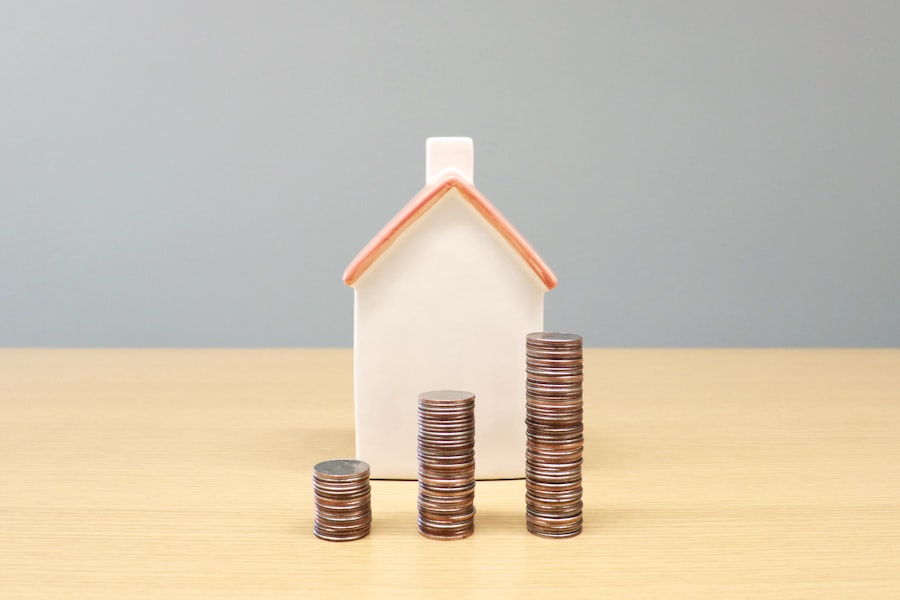
The weight of mortgage payments, taxes, insurance, and ongoing maintenance can significantly limit your disposable income, impacting your ability to enjoy life or plan for the future.
Sacrificing Personal and Family Needs
When your finances are largely consumed by housing costs, other important areas of your life can suffer. This might mean foregoing family vacations, delaying necessary medical or dental care, cutting back on hobbies, or struggling to afford extracurricular activities for your children. The feeling of being denied opportunities for personal growth and enjoyment due to your housing obligations is a profound aspect of feeling financially trapped.
The Unmet Desire for Experiences
The memories you create with loved ones are invaluable, yet they often come with a price tag. When your budget is stretched thin by housing expenses, these experiences often become less frequent or are scaled back considerably. You might watch friends and family enjoy trips and celebrations while you’re left to manage your home’s demands, leading to a sense of regret and missed opportunities.
The Financial Strain on Children’s Needs
For parents, the pressure to provide for their children’s education, healthcare, and enrichment activities can be immense. When housing costs dominate the budget, these crucial areas can be compromised. Saving for college becomes a distant dream, and essential needs might be met with a constant underlying financial stress.
The Erosion of Savings and Investment Potential
The ability to save for retirement, invest for the future, or build an emergency fund is severely hampered when a significant portion of your income is dedicated to your home. This can create a vicious cycle: you need to keep your home for stability, but the cost of keeping it prevents you from building the financial security needed for a comfortable future.
The Retirement Riddle
The golden years, once envisioned as a time of relaxation and financial security, can feel increasingly out of reach for homeowners who are struggling to save. If your current income is largely tied up in mortgage payments and housing expenses, then the prospect of a comfortable retirement, where you are not reliant on a steady income stream, can seem like an insurmountable challenge. You might be forced to continue working long past your desired retirement age.
Investment Opportunities Missed
Beyond retirement, there are numerous investment avenues that can help grow your wealth – stocks, bonds, mutual funds, or even starting a small business. However, if your cash flow is constricted by housing costs, these opportunities may be inaccessible. You might be forced to watch potential investment gains pass you by, further exacerbating your feeling of financial stagnation.
The Dilemma of Selling: A Hard Pill to Swallow
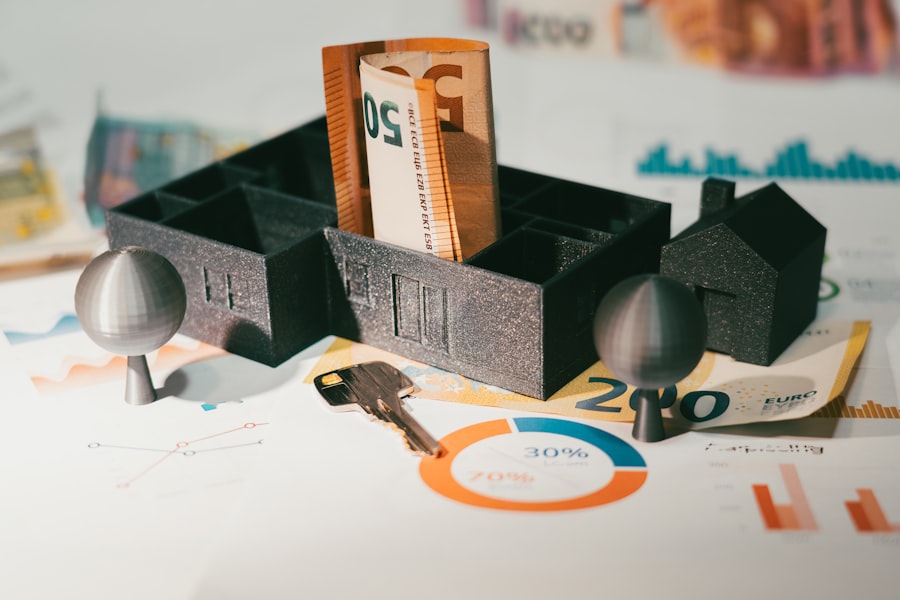
The idea of selling your home, the ultimate solution to unlocking its equity, often presents its own set of daunting challenges and emotional hurdles.
The Fear of Not Finding a Suitable Replacement
Even if you decide to sell, the prospect of finding a new home can be equally daunting. Depending on your local market, you might find yourself facing bidding wars, soaring prices, or a lack of suitable options that fit your budget and lifestyle. This fear can tie you to your current, financially burdensome situation.
The “Move-Up” Trap
For many, selling is a step towards a bigger or better home. However, if the market is inflated, the profit from selling your current home might not be enough to afford the next one, leaving you in a worse financial position. You might be forced to downsize or remain in a home that no longer meets your needs, simply to maintain financial equilibrium.
The Rental Reality Check
For some, selling might mean transitioning to renting. While this offers more flexibility, it also means losing the potential for equity building and facing unpredictable rent increases. You might find yourself exchanging one set of financial anxieties for another.
The Emotional Attachment: More Than Just a House
Your home is more than just an asset; it represents memories, a sense of belonging, and a significant portion of your life’s journey. Letting go of this can be incredibly difficult, even when the financial logic dictates it. This emotional attachment can be a powerful impediment to making a necessary financial decision.
The Weight of Memories
Think about the milestones you’ve celebrated within your home – holidays, birthdays, graduations, perhaps even the arrival of children. These memories are imprinted on the walls, in the garden, and in every corner of your dwelling. The thought of leaving these behind can be profoundly unsettling, making the “logical” decision to sell feel like an emotional betrayal.
The Loss of Stability and Security
For many, their home represents a fundamental sense of stability and security. It’s a physical anchor in a sometimes-turbulent world. The idea of disrupting this, of venturing into the unknown of a new living situation, can create significant anxiety and a reluctance to take the leap, even if it’s for financial liberation.
Many homeowners today feel financially trapped due to rising living costs and stagnant wages, which can create a sense of helplessness in managing their finances. This situation is further exacerbated by the burden of mortgage payments and property taxes, leaving little room for savings or investments. For a deeper understanding of the factors contributing to this feeling of entrapment, you can explore a related article that discusses the challenges faced by homeowners in today’s economy. Check it out here for more insights.
Strategies for Navigating the Homeowner’s Dilemma
| Reasons for feeling financially trapped | Percentage of homeowners |
|---|---|
| High mortgage or rent payments | 45% |
| Insufficient savings for emergencies | 30% |
| Heavy debt burden | 25% |
| Stagnant or low income | 20% |
| Rising cost of living | 15% |
Feeling financially trapped as a homeowner is a challenging predicament, but it’s not an insurmountable one. By understanding the nuances of your situation and exploring strategic options, you can begin to regain control of your financial destiny.
Strategic Refinancing to Alleviate Burden
Refinancing your mortgage can be a powerful tool to improve your financial situation. By exploring different loan terms and interest rates, you might be able to lower your monthly payments, shorten your loan term, or even tap into your home’s equity for necessary expenses.
The Power of a Lower Interest Rate
If current interest rates are significantly lower than your existing mortgage rate, refinancing can lead to substantial savings over the life of the loan. This can free up monthly cash flow that can be redirected towards savings, debt repayment, or other financial goals.
Cash-Out Refinance: Accessing Your Equity Wisely
A cash-out refinance allows you to borrow more than you owe on your mortgage and receive the difference in cash. This can be a viable option for consolidating high-interest debt, funding significant home improvements that will increase your property value, or covering unexpected expenses. However, it’s crucial to approach this strategy with caution, ensuring you have a clear plan for how the additional funds will be used and that you can comfortably handle the increased monthly payments.
Exploring Home Equity Loans and Lines of Credit
Beyond refinancing, dedicated home equity products offer alternatives for accessing your accumulated equity.
Home Equity Loans: Fixed Payments, Predictable Borrowing
A home equity loan provides a lump sum of cash that you repay over a fixed period with a fixed interest rate. This offers predictability and can be a good option for specific, larger expenses.
Home Equity Lines of Credit (HELOCs): Flexible Access to Funds
A HELOC functions more like a credit card, allowing you to borrow, repay, and re-borrow funds up to a certain limit during a draw period. This flexibility makes it ideal for ongoing expenses or when the exact amount of funding needed is uncertain. However, variable interest rates on HELOCs can pose a risk if rates rise.
The Importance of Financial Planning and Budgeting
Ultimately, overcoming the homeowner’s dilemma requires a comprehensive approach to your finances.
Creating a Realistic Homeowner’s Budget
Sit down and meticulously track all your income and expenses related to your home. Identify areas where you can potentially cut back on non-essential spending to free up more cash flow.
Building and Maintaining an Emergency Fund
This is your financial shock absorber. Aim to save at least 3-6 months’ worth of essential living expenses. This fund will be invaluable in preventing unexpected home repairs or job loss from derailing your financial stability.
Seeking Professional Financial Advice
A qualified financial advisor can provide personalized guidance tailored to your unique circumstances. They can help you assess your options, develop a sound financial plan, and navigate the complexities of homeownership and personal finance. Don’t hesitate to seek their expertise to illuminate your path forward. You are not alone in this, and with the right strategies and a clear understanding of your financial landscape, you can move from feeling trapped to feeling empowered as a homeowner.

The House You Can Afford—but Can’t Leave
FAQs
What are some common reasons homeowners feel financially trapped?
Some common reasons homeowners feel financially trapped include high mortgage payments, property taxes, maintenance and repair costs, and the inability to sell their home for a profit.
How does home equity play a role in homeowners feeling financially trapped?
Home equity can play a role in homeowners feeling financially trapped if the value of their home decreases, leaving them with less equity to use for financial flexibility or to sell their home for a profit.
What are some strategies homeowners can use to alleviate feeling financially trapped?
Some strategies homeowners can use to alleviate feeling financially trapped include refinancing their mortgage, downsizing to a more affordable home, renting out a portion of their property, or seeking financial counseling.
What impact does the housing market have on homeowners feeling financially trapped?
The housing market can impact homeowners feeling financially trapped if property values decrease, making it difficult for homeowners to sell their homes for a profit or refinance their mortgages for better terms.
How can homeowners proactively avoid feeling financially trapped in the future?
Homeowners can proactively avoid feeling financially trapped in the future by creating a realistic budget, maintaining an emergency fund for unexpected expenses, and staying informed about the local housing market trends.