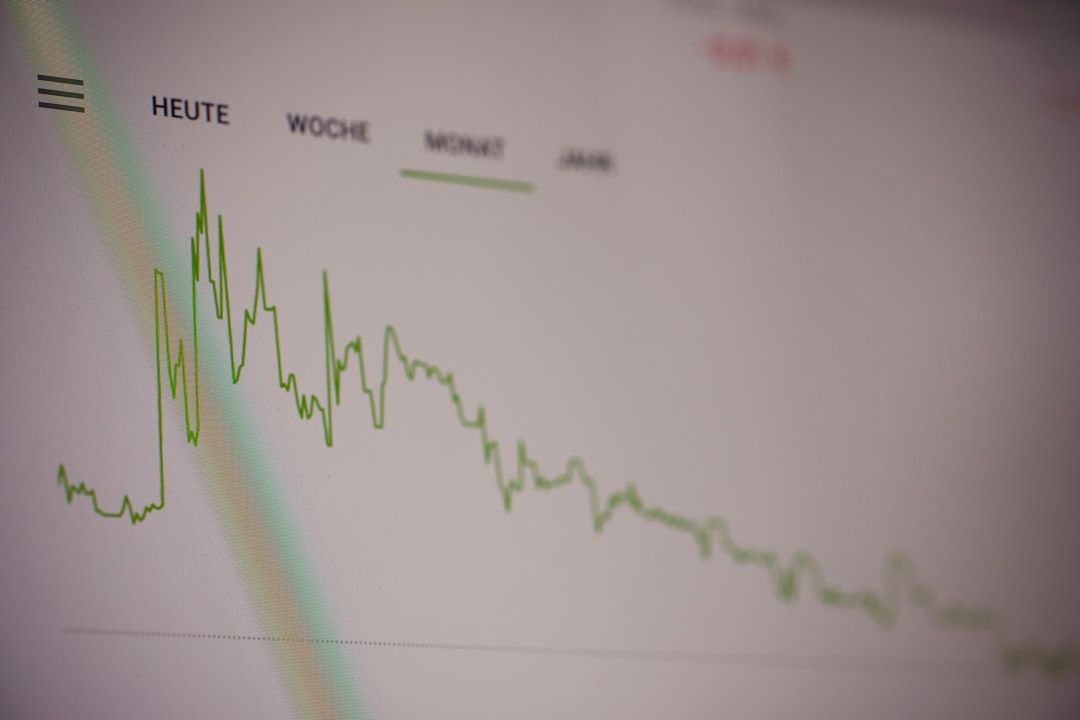
You’re staring at your portfolio, and the numbers are swimming in red. The familiar dread creeps in, the one that whispers doubts about your financial future. The market has turned, and the once-promising investments are now a source of anxiety. It’s a scenario many investors face, and while the instinct might be to panic, succumbing to fear is often the worst decision you can make. Instead, think of this as an opportunity – an opportunity to demonstrate resilience, to refine your strategy, and ultimately, to emerge stronger. Surviving market downturns isn’t about avoiding them entirely, which is an impossible feat, but about having the knowledge and the mindset to navigate them successfully. This isn’t the end of your financial journey; it’s a challenging chapter that, with the right approach, can lead to long-term success.
Before you can effectively strategize, you need to understand what you’re up against. Market downturns, often referred to as bear markets, are a natural part of the economic cycle. They are periods of sustained price declines in the stock market, typically characterized by a drop of 20% or more from recent highs. These periods are not anomalies; they are inevitable. Understanding their causes and typical durations will help demystify them and allow you to approach them with a more rational perspective.
The Anatomy of a Bear Market
Bear markets aren’t sudden, spontaneous collapses. They are usually the result of a confluence of factors that erode investor confidence and lead to selling pressure.
Economic Slowdowns and Recessions
One of the primary drivers of bear markets is a weakening economy. When corporate profits falter, unemployment rises, and consumer spending declines, the stock market often reacts negatively. A full-blown recession, a significant and prolonged downturn in economic activity, is almost always accompanied by a bear market.
Geopolitical Events and Uncertainty
Global events can also trigger or exacerbate market downturns. Wars, political instability, pandemics, and unexpected natural disasters can create widespread uncertainty, leading investors to seek the safety of less volatile assets. The interconnectedness of the global economy means that events in one part of the world can quickly impact markets elsewhere.
Inflation and Interest Rate Hikes
When inflation becomes persistent, central banks often respond by raising interest rates. Higher interest rates make borrowing more expensive for businesses and consumers, which can slow economic growth. They also make fixed-income investments, like bonds, more attractive relative to stocks, leading investors to shift their capital.
Asset Bubbles Bursting
Sometimes, markets experience periods of irrational exuberance, where asset prices become detached from their underlying value. When these overvalued assets eventually correct, it can trigger broader market declines. The dot-com bubble of the late 1990s and the housing bubble of the mid-2000s are prime examples.
Recognizing the Signs
While predicting the exact timing of a market downturn is impossible, there are often early warning signs that you can look for. Being attuned to these signals can give you a head start in adjusting your strategy.
Declining Market Breadth
Market breadth refers to the number of stocks participating in a market move. If the overall market is rising, but only a small number of stocks are driving the gains, it can indicate underlying weakness. Conversely, if a large number of stocks are declining, it can signal a potential downturn.
Inverted Yield Curve
An inverted yield curve occurs when short-term Treasury yields are higher than long-term Treasury yields. This is often seen as a predictor of an impending recession and, consequently, a market downturn.
Negative Sentiment and Fear Indicators
When investor sentiment turns overwhelmingly negative, and fear becomes the dominant emotion, it can be a signal of an impending decline. Surveys of investor sentiment and indicators like the VIX (Volatility Index), often called the “fear index,” can provide insights.
In times of market downturns, having a solid survival strategy is crucial for investors looking to protect their assets and capitalize on potential opportunities. A related article that offers valuable insights on this topic can be found at How Wealth Grows, where you can explore various tactics and approaches to navigate challenging financial landscapes effectively.
Your Psychological Toolkit for Navigating Downturns
The most challenging aspect of a market downturn isn’t the financial loss itself, but the emotional toll it takes. Fear and panic can lead you to make rash decisions that can sabotage your long-term financial goals. Developing a strong psychological toolkit is therefore paramount.
Controlling Your Emotional Response
Your emotions can be your greatest enemy or your greatest ally during a downturn. Learning to manage them is crucial for making sound investment decisions.
Staying Rational Amidst Panic
When you see your portfolio shrinking, your first impulse might be to sell everything and preserve what’s left. However, this is rarely the optimal strategy. Remind yourself that market downturns are temporary. Focus on the long-term goals you set when you initially invested.
Avoiding Herd Mentality
The urge to follow the crowd, especially when that crowd is panicking, can be overwhelming. Resist the temptation to sell simply because everyone else is selling. Do your own research and stick to your investment plan.
Practicing Patience and Discipline
Market downturns require patience. They also require discipline to stick to your investment strategy, even when it feels like everything is against you. View this as a test of your conviction.
The Power of a Long-Term Perspective
Your investment horizon is your most powerful weapon against short-term market volatility. If you are investing for retirement, or any goal many years down the line, a few months or even a couple of years of market decline are unlikely to derail your ultimate success.
Reaffirming Your Financial Goals
Take a moment to revisit why you started investing in the first place. What are your long-term aspirations? Reminding yourself of these goals can help you maintain perspective and resist the urge to make impulsive decisions based on short-term fluctuations.
Understanding Market Cycles
Historically, markets have always recovered from downturns. They have also gone on to reach new highs. Understanding this historical pattern can provide comfort and confidence that this period of decline will also eventually pass.
Strategies for Portfolio Defense and Resilience

Once you’ve fortified your psychological defenses, it’s time to implement robust strategies that will help your portfolio weather the storm and position you for recovery. This involves a combination of defensive measures and proactive adjustments.
Diversification: Your First Line of Defense
Diversification is the cornerstone of any sound investment strategy, and its importance is amplified during market downturns. By spreading your investments across different asset classes, geographies, and sectors, you reduce the impact of any single holding’s decline on your overall portfolio.
Asset Allocation Rebalancing
Your asset allocation strategy dictates the proportion of your portfolio dedicated to different asset classes like stocks, bonds, and real estate. During a downturn, some asset classes may perform better than others.
Reviewing Your Risk Tolerance
As market conditions change, your risk tolerance might also shift. Reassess how much risk you are comfortable taking. If your risk tolerance has decreased, you might consider rebalancing your portfolio to include a higher allocation to less volatile assets.
Adjusting for Market Performance
If stocks have performed poorly, a well-diversified portfolio might see other asset classes, such as bonds or gold, holding their value or even increasing. Rebalancing involves selling some of the outperforming assets and buying more of the underperforming ones to bring your portfolio back to its target allocation. This essentially means buying low and selling high, a fundamental principle of investing.
Sector and Industry Diversification
Within your stock holdings, ensure you are not overly concentrated in any one sector or industry. Some sectors, like consumer staples or utilities, tend to be more resilient during downturns because demand for their products and services remains relatively stable.
Geographic Diversification
Don’t limit your investments to your home country. Diversifying across different economies can provide an additional layer of protection, as different regions may be experiencing different economic cycles.
Cash and Liquidity: Your Safety Net
Having readily accessible cash is crucial during volatile periods. It provides a buffer to cover unexpected expenses, preventing you from having to sell investments at a loss to meet your needs.
Maintaining an Emergency Fund
Your emergency fund should be sufficient to cover three to six months of living expenses. During a downturn, knowing you have this safety net can provide significant peace of mind and reduce the pressure to tap into your investment portfolio.
Strategic Cash Reserves
Beyond your emergency fund, holding a small percentage of your portfolio in cash or highly liquid investments can provide opportunities. When stock prices are depressed, having cash on hand allows you to take advantage of these lower valuations.
Defensive Stock Strategies
Certain types of stocks are known for their resilience during economic downturns. Incorporating them into your portfolio can help cushion the impact of broad market declines.
Investing in Consumer Staples
Companies that produce essential goods and services, like food, beverages, and household products, tend to hold up better during recessions. Consumers will continue to buy these items regardless of economic conditions.
Focusing on Utilities and Healthcare
Utilities, providing electricity and gas, and healthcare companies, offering essential medical services, often exhibit defensive characteristics. Demand for these services is generally stable, leading to more consistent revenue streams for these companies.
Dividend-Paying Stocks
Companies that consistently pay dividends can provide a stream of income even when the stock price is declining. These dividends can be reinvested to acquire more shares at lower prices, a strategy that can be very beneficial during a recovery.
Proactive Strategies for the Downturn and Beyond

Surviving a market downturn isn’t just about defense; it’s also about being proactive in seizing opportunities and preparing for the eventual recovery. This is where strategic planning can turn a challenging period into a catalyst for future growth.
Revisiting and Refining Your Investment Plan
Market downturns are a perfect time to critically assess your existing investment plan and make any necessary adjustments.
Stress-Testing Your Portfolio
Imagine your portfolio experiencing even more severe declines than it has so far. How would it hold up? This thought experiment can reveal potential vulnerabilities and prompt you to make adjustments to improve its resilience.
Assessing Your Investment Horizon
Has your long-term financial goal shifted? Perhaps your timeline has changed due to life events. If so, your investment strategy should reflect these changes.
Considering Different Asset Classes
Are there asset classes you previously overlooked that might offer diversification and potential returns during different market phases? For instance, some investors might consider commodities or alternative investments, though these come with their own risks.
Dollar-Cost Averaging: Turning Downturns into Opportunities
Dollar-cost averaging (DCA) is a strategy where you invest a fixed amount of money at regular intervals, regardless of market conditions. This strategy becomes particularly powerful during a downturn.
The Mechanics of DCA in a Downturn
When the market is falling, your fixed investment amount buys more shares because the price per share is lower. This means you are accumulating more shares at a lower average cost.
Compounding Your Gains During Recovery
As the market eventually recovers, the larger number of shares you acquired at lower prices will translate into greater gains. This strategy allows you to capitalize on the market’s dips.
Seeking Professional Guidance
Navigating market downturns can be complex and emotionally taxing. Don’t hesitate to seek professional advice.
Consulting a Financial Advisor
A qualified financial advisor can provide an objective perspective, help you re-evaluate your risk tolerance, and adjust your investment strategy based on your individual circumstances and goals. They can also help you avoid common behavioral pitfalls.
Understanding Tax Implications
During a downturn, you might consider selling certain investments at a loss. A tax advisor can help you understand tax-loss harvesting opportunities, which can offset capital gains and potentially reduce your tax liability.
In times of market downturns, having a solid survival strategy is crucial for investors looking to protect their assets and capitalize on potential opportunities. A related article that provides valuable insights on this topic can be found at How Wealth Grows, where you can explore various tactics and approaches to navigate challenging financial landscapes effectively. By understanding these strategies, investors can better position themselves to weather economic storms and emerge stronger when the market rebounds.
Embracing the Recovery and Long-Term Growth
| Survival Strategy | Description |
|---|---|
| Diversification | Spreading investments across different asset classes to reduce risk |
| Liquidation | Selling off assets to raise cash and minimize losses |
| Cost Cutting | Reducing expenses to maintain financial stability |
| Hedging | Using financial instruments to protect against potential losses |
Market downturns are temporary. The resilience you demonstrate during these challenging times will pave the way for significant growth during the subsequent recovery.
Recognizing the Signs of a Market Bottom
Identifying the exact bottom of a market is notoriously difficult, but there are indicators that suggest a turning point might be approaching.
Shift in Investor Sentiment
As the economic outlook begins to improve and negative news subsides, investor sentiment will gradually shift from fear to optimism.
Improving Economic Data
Positive economic indicators, such as falling unemployment rates, rising consumer confidence, and increasing corporate earnings, can signal that the economy is on the mend.
Bullish Technical Indicators
Technical analysts look for patterns in stock charts and trading volumes that suggest a trend reversal. These can include breakout patterns and increasing trading volumes accompanying price increases.
Rebalancing for Growth
As the market begins its recovery, you’ll want to ensure your portfolio is positioned to capitalize on the upward momentum.
Gradually Increasing Risk Exposure
As confidence returns, you might consider gradually increasing your allocation to growth-oriented assets, such as equities, again, aligning with your risk tolerance and long-term goals.
Reinvesting for Compounding
Continue to reinvest dividends and capital gains to benefit from the power of compounding during the growth phase.
Learning from the Experience
Every market downturn is a learning experience. The knowledge and strategies you implement now will serve you well in future market cycles.
Documenting Your Decisions
Keep a record of the decisions you made during the downturn and the reasons behind them. Reviewing this information later can provide valuable insights into your own investor psychology and strategic effectiveness.
Staying Informed and Adaptable
The financial landscape is constantly evolving. Staying informed about economic trends and being willing to adapt your strategy as needed are key to sustained success.
Market downturns are not a sign of failure, but a natural and inevitable part of investing. By understanding their nature, fortifying your psychological defenses, implementing sound defense and proactive strategies, and remaining focused on the long-term horizon, you can not only survive these challenging periods but emerge from them stronger and more financially secure. Your ability to navigate these turbulent waters with a clear head and a well-defined plan is what ultimately distinguishes a successful investor. Remember, the bull markets are built on the foundations laid during the bear markets. Your resilience today is your prosperity tomorrow.

Why $1.5 Million Doesn’t Feel Like Financial Security
FAQs
What is a market downturn?
A market downturn refers to a period of time when the overall stock market experiences a sustained decrease in value. This can be caused by various factors such as economic recession, political instability, or global events.
How can individuals survive a market downturn?
Individuals can survive a market downturn by diversifying their investment portfolio, maintaining a long-term perspective, and avoiding panic selling. It is also important to have an emergency fund and to stay informed about market trends.
What are some strategies for navigating a market downturn?
Some strategies for navigating a market downturn include focusing on high-quality investments, considering defensive sectors such as utilities and consumer staples, and seeking professional financial advice. Additionally, reducing debt and cutting unnecessary expenses can help weather the storm.
What are the potential opportunities during a market downturn?
During a market downturn, there may be opportunities to buy quality stocks at discounted prices, invest in undervalued assets, and take advantage of lower interest rates. It can also be a chance to reassess financial goals and make adjustments to investment strategies.
How long do market downturns typically last?
The duration of market downturns can vary widely, ranging from a few months to several years. Historical data shows that market downturns are typically followed by periods of recovery and growth, but the exact timeline is unpredictable.