
You’ve decided it’s time to take control of your financial future, and investing is a crucial part of that journey. You’ve researched investment vehicles, perhaps opened an account, and are ready to dive in. But before you commit a single dollar, there’s a silent saboteur that can erode your hard-earned returns: hidden investment costs, predominantly in the form of fees. These charges, often disguised or presented in complex jargon, can significantly impact your long-term wealth accumulation. This article will empower you to uncover these hidden costs and equip you with the strategies to avoid them, ensuring more of your money stays invested and working for you.
You might think investing is a straightforward transaction: you buy a stock, a bond, or a fund, and its performance is simply dictated by market forces. However, the financial industry is built on a foundation of services, and these services come at a price. Understanding the different types of fees is the first step in recognizing their potential impact. Don’t be intimidated by the terminology; break them down, ask questions, and demand clarity. Your financial well-being depends on it.
Transaction Fees: The Cost of Entry and Exit
Every time you buy or sell an investment, you’re likely incurring a transaction fee. These are the most overt fees, often clearly displayed during the purchase or sale process.
Brokerage Commissions
Historically, you would pay a fixed commission for each trade. While online brokers have significantly reduced these for stocks and ETFs, they can still apply to other asset types like bonds, mutual funds, or even during complex options trades. If you’re a frequent trader, these seemingly small amounts can add up alarmingly. Compare commission structures between different brokers, especially if you anticipate making numerous trades. Some brokers offer commission-free trading on certain assets, but always read the fine print to understand any limitations or other associated fees.
Exchange Fees and Regulatory Fees
Beyond the direct commission, exchanges themselves and regulatory bodies may impose small fees on your transactions. These are usually minimal, but they’re still an additional cost that contributes to your overall investment expense. A good broker will typically bundle these into their stated commission, but it’s worth understanding if they are itemized separately.
Wire Transfer and Account Transfer Fees
If you need to move money into or out of your investment account via wire transfer, expect a fee. Similarly, if you decide to transfer your investments from one brokerage to another, there can be account transfer fees charged by either the outgoing or incoming institution. Research these fees before initiating such transfers.
Management Fees: The Ongoing Expense of Fund Ownership
When you invest in managed products like mutual funds or exchange-traded funds (ETFs), you’re essentially entrusting a professional money manager to make investment decisions on your behalf. This service comes with an annual management fee, known as the expense ratio. This ratio represents the percentage of your investment that is deducted each year to cover the fund’s operating costs, including management salaries, administrative expenses, and marketing.
Expense Ratios: The Silent Drain on Returns
The expense ratio is one of the most insidious fees because it’s deducted automatically and continuously. A seemingly small difference in expense ratios can have a dramatic impact on your long-term returns. For example, if two similar funds both return 7% annually, but one has an expense ratio of 0.1% and the other 1.1%, the fund with the lower expense ratio will significantly outperform the other over decades. When you’re choosing a fund, always scrutinize its expense ratio. Opt for funds with the lowest possible expense ratios, especially for broad-market index funds that aim to replicate the performance of an index rather than actively beat it.
Advisory Fees: When Professional Guidance Comes with a Price
If you’re working with a financial advisor, they are likely charging fees for their services. These can come in various forms, and it’s crucial to understand precisely how they are compensated.
Percentage of Assets Under Management (AUM)
This is the most common fee structure for financial advisors. They charge a percentage of the total value of the assets they manage for you. For instance, a 1% AUM fee on a $100,000 portfolio means you’ll pay $1,000 annually, regardless of how well your investments perform. Over time, this percentage can become a substantial sum. Don’t hesitate to negotiate this fee, especially as your portfolio grows.
Hourly Fees
Some advisors charge by the hour for their services. This can be a good option if you only need occasional advice or help with specific financial planning tasks. Ensure you understand their hourly rate and get an estimate of the time a particular service will take.
Flat Fees or Project-Based Fees
Certain advisors may offer flat fees for specific services, such as creating a comprehensive financial plan or advising on a particular investment. This can provide cost certainty for defined projects.
Commissions
Be aware that some financial advisors are compensated through commissions from selling specific financial products. This can create a conflict of interest, as they might be incentivized to recommend products that pay them higher commissions, even if they aren’t the best fit for your needs. Look for advisors who are fiduciaries, meaning they are legally obligated to act in your best interest.
Other Atypical and Hidden Fees to Watch For
Beyond the more common fees, there are other charges that can catch you by surprise. Being aware of these less obvious costs can help you avoid them entirely.
12b-1 Fees: Marketing and Distribution Costs
These fees are found in some mutual funds and cover marketing and distribution expenses. They are often embedded within the expense ratio but may be itemized separately. While they are intended to help a fund grow its assets, they don’t directly contribute to investment performance and can eat into your returns. Whenever possible, opt for funds that do not have 12b-1 fees.
Account Maintenance Fees
Some brokerage accounts, especially those with low balances, may charge annual account maintenance fees. These fees are essentially a penalty for not maintaining a certain minimum account value. If you have several smaller accounts with different institutions, these fees can accumulate. Consider consolidating your accounts to meet minimum balance requirements and avoid these charges.
Inactivity Fees
If you don’t trade or engage with your account for a specified period, some brokers may charge inactivity fees. This is another reason to maintain an active relationship with your brokerage.
Redemption Fees and Deferred Sales Charges (Loads)
When you sell certain mutual funds within a specific timeframe, you might encounter redemption fees or deferred sales charges, often referred to as “loads.” These are essentially penalties for selling too soon, designed to discourage short-term trading and compensate brokers for initial sales efforts. Class A shares of mutual funds often have front-end loads (paid when you buy), while Class B and C shares might have back-end loads (paid when you sell). Always understand the share class of a fund and its associated charges.
Custodial Fees
For certain types of accounts, such as self-directed IRAs, there might be custodial fees charged by the institution holding your assets. These fees cover the safekeeping and administration of your investments.
When considering how to avoid hidden investment costs, it’s essential to stay informed about the various fees that can erode your returns over time. A related article that delves deeper into this topic is available at How Wealth Grows, where you can find valuable insights and strategies to help you navigate the complex landscape of investment expenses. By understanding these hidden costs, you can make more informed decisions and enhance your overall investment performance.
Strategies for Dodging the Fee Bullet: Your Actionable Toolkit
Now that you’re armed with knowledge about the various fees, it’s time to learn how to actively avoid them. This isn’t about avoiding all costs, as some are unavoidable and justified when they provide value, but rather about making informed decisions to minimize unnecessary expenses.
Prioritize Low-Cost Investment Vehicles
The most effective way to combat rising fees is to choose investment products with inherently low costs. This is where indexing shines.
Embrace Index Funds and ETFs
Index funds and passively managed Exchange Traded Funds (ETFs) aim to replicate the performance of a specific market index, such as the S&P 500. They achieve this by holding a basket of securities that mirror the index’s composition. Because they don’t require active management and extensive research, their expense ratios are typically very low, often fractions of a percent. This means more of your money stays invested and benefits from market growth. Consider the vast majority of your portfolio to be allocated to broad-market index funds and ETFs.
Compare Expense Ratios Meticulously
When choosing between index funds or even actively managed funds, never skip the expense ratio comparison. Even a 0.2% difference can significantly impact your portfolio over time. Websites and financial tools often provide easy-to-compare expense ratios. Make this a non-negotiable factor in your investment decisions.
Understand the Difference Between Active and Passive Management
Actively managed funds have fund managers who try to outperform a benchmark index through stock picking and market timing. While some active managers can deliver superior returns, they come with higher expense ratios and a higher chance of underperforming their benchmarks after fees. For most investors, the statistically proven long-term advantage of low-cost passive investing makes it the more prudent choice.
When considering investment strategies, it is crucial to be aware of hidden costs that can erode your returns over time. A helpful resource that delves deeper into this topic is an article on how to avoid these hidden investment costs, which provides valuable insights and practical tips for investors. You can read more about it in this informative piece here. By understanding and mitigating these costs, you can enhance your overall investment performance and achieve your financial goals more effectively.
Choose the Right Brokerage Firm
The platform you use to invest can have a significant impact on your fees. Carefully evaluate brokerage firms based on their fee structures and services.
Seek Commission-Free Trading for Stocks and ETFs
Most major online brokers now offer commission-free trading for stocks and ETFs. If you plan to invest primarily in these asset classes, this is a crucial factor to consider. Make sure to read the fine print, as some “commission-free” trades might have other associated fees or restrictions.
Be Wary of Account Minimums and Maintenance Fees
If you’re starting with a smaller investment amount, look for brokerage firms that have low or no account minimums and no annual maintenance fees. As your portfolio grows, you can always re-evaluate your brokerage choice.
Understand Trading Platform Fees and Tools
While the core trading might be commission-free, some platforms charge for advanced charting tools, real-time data, or other research capabilities. If you don’t need these advanced features, opt for a simpler, lower-cost platform.
Research Transfer Fees
If you anticipate moving your investments between brokers, research their account transfer fees. This can be a considerable cost if you switch providers often.
Scrutinize Investment Advisor Compensation
If you’re working with a financial advisor, transparency about their compensation is paramount.
Prioritize Fiduciary Advisors
Look for advisors who are fiduciaries, meaning they are legally bound to act in your best interest. This often implies they are fee-only advisors, meaning they are compensated directly by you and not through commissions from selling financial products.
Understand Fee Structures Thoroughly
Whether it’s a percentage of AUM, hourly, or project-based, ensure you understand precisely how your advisor is paid. Ask for a clear breakdown of all fees they charge or that are associated with the investments they recommend.
Negotiate Fees
Don’t be afraid to negotiate advisory fees, especially as your portfolio grows. A higher asset under management fee on a larger sum becomes more substantial.
Read the Fine Print and Ask Questions
Financial documents can be dense and filled with jargon. Don’t let this deter you from understanding the costs involved.
Review Prospectuses and Fund Fact Sheets
Every mutual fund or ETF has a prospectus and a fund fact sheet. These documents are legally required to disclose all fees associated with the investment. Take the time to read them, or at least focus on the sections detailing expenses, fees, and loads.
Don’t Be Afraid to Ask “What Does This Fee Mean?”
If you encounter a fee you don’t understand, ask your broker, advisor, or fund company for a clear explanation. You have a right to know where your money is going. Persistent questioning can reveal hidden costs you might otherwise overlook.
Understand the Impact of Fees on Your Returns
Use online calculators to project the long-term impact of different fee structures on your investment returns. Seeing the numbers can be a powerful motivator to seek out lower-cost options. A fee of 0.5% might seem insignificant today, but over 30 years, it can cost you tens of thousands of dollars in lost growth.
The Long-Term Impact: Fees Compound Too
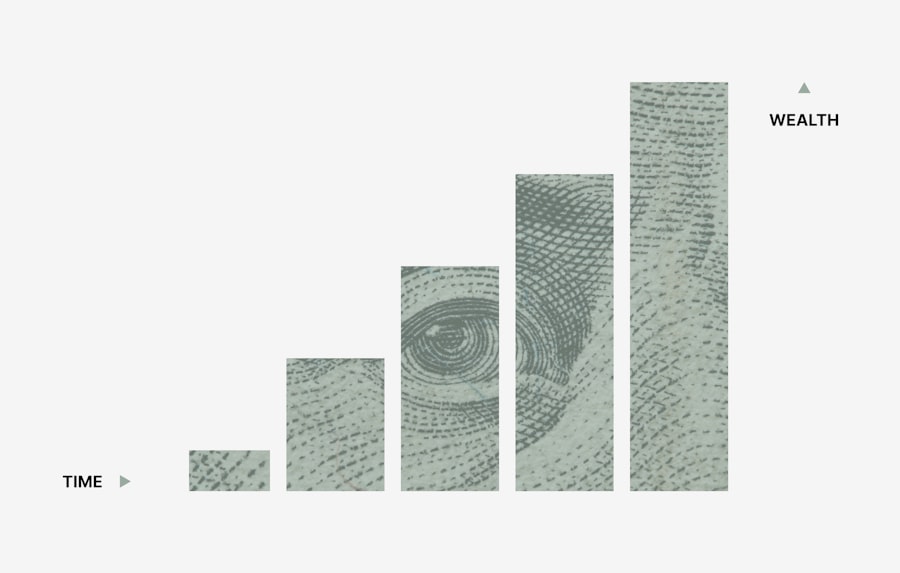
It’s crucial to understand that fees don’t just subtract from your current returns; they compound over time, just like your investments themselves. This means that higher fees not only reduce your immediate gains but also diminish the power of compounding growth on your remaining capital.
The Erosion of Compounding
Imagine you invest $10,000 and earn a 7% annual return. Without any fees, your investment would grow significantly over several decades. Now, introduce a 1% annual fee. That 1% might seem small, but it’s being deducted from your growing principal each year. This continually reduces the base on which your compounding returns are calculated. Over 30 years, the difference between investing with no fees and investing with a 1% annual fee can be hundreds of thousands of dollars. You’re essentially paying your fees on your fees, and on the growth those fees prevented.
Outperforming the Market vs. Outperforming Fees
Many actively managed funds strive to “beat the market.” However, after deducting management fees, trading costs, and other expenses, a significant portion of these funds fail to outperform their passive index benchmarks consistently. In essence, you’re often paying a premium for an outcome that your money might have achieved more effectively and affordably through a low-cost index fund. Focus your efforts on outperforming fees rather than solely on trying to outperform the market, as the latter is a significantly harder and more expensive endeavor.
Don’t Let Fees Dictate Your Financial Destiny

You are in the driver’s seat of your financial future. By understanding the landscape of investment fees, actively seeking out low-cost options, and being a diligent and informed investor, you can significantly minimize these drains on your wealth. This doesn’t mean avoiding all costs, as some fees are justified for valuable services, but rather making deliberate choices that prioritize keeping more of your money invested and working for you. Regularly review your investment statements, question any unfamiliar charges, and never underestimate the power of consistently choosing lower-cost alternatives. Your future self will thank you for it.

Why Your 401(k) May Be Growing Slower Than You Think
FAQs
What are hidden investment costs?
Hidden investment costs are fees and expenses associated with investing that are not immediately apparent to the investor. These costs can include management fees, trading costs, and administrative expenses.
How can hidden investment costs impact my returns?
Hidden investment costs can significantly reduce the overall returns on an investment. Even seemingly small fees can add up over time and eat into the potential gains from an investment.
What are some common examples of hidden investment costs?
Common examples of hidden investment costs include expense ratios on mutual funds, sales loads, account maintenance fees, and transaction fees. These costs are often buried in the fine print of investment documents.
How can I avoid hidden investment costs?
To avoid hidden investment costs, investors should carefully review the prospectus and other disclosure documents for any investment products. Additionally, working with a fee-only financial advisor and choosing low-cost investment options can help minimize hidden costs.
Why is it important to be aware of hidden investment costs?
Being aware of hidden investment costs is important because it allows investors to make more informed decisions about their investments. By understanding the full cost of an investment, investors can better assess its potential for returns and make more strategic investment choices.