
The High Cost of Small Fees
You’ve probably experienced it. That tiny, almost insignificant fee tacked onto a purchase, a service, or a transaction. It’s a dollar here, fifty cents there, a percentage so small you barely notice it. Individually, they’re jokes. Practically speaking, they’re pocket change. But when you step back and survey the landscape of your financial life, you’ll discover that these small fees, the ones you barely register, can exact a truly staggering cost. You’re not just paying a little extra; you’re actively eroding your wealth, often without realizing the cumulative impact. This is the insidious deception of the small fee.
Imagine your savings account. You’re diligently putting money away, watching it grow, feeling a sense of accomplishment. Then comes the monthly maintenance fee. Maybe it’s just $3. On its own, hardly a blip. But that’s $36 a year. Over a decade, that’s $360 you’ll never see again, money that could have been earning interest, compounding, and contributing to your financial security. It’s not just about the direct monetary loss; it’s about the lost opportunity. That $360 could have been invested, growing into a larger sum, perhaps a significant down payment on a future goal.
The Dreaded Account Maintenance Fee
This is perhaps the most common and pervasive small fee. Banks, in their infinite wisdom, often charge you for the privilege of keeping your money with them. You might have been told these fees are a relic of an era of paper statements and manual processing, but they persist even in the digital age. The justification often boils down to covering operational costs, but from your perspective, it feels like a penalty for being a loyal customer. You might be able to avoid these fees by meeting certain balance requirements or signing up for direct deposit, but this often requires a level of financial discipline and planning that not everyone possesses, or worse, demands you keep more money tied up than you might otherwise want to.
Minimizing the “Free” Banking Illusion
You think you have a “free” checking account. But how often do you get hit with an overdraft fee because you miscalculated a payment by a few dollars? Or a minimum balance fee because your account dipped below a threshold you forgot about? These fees, while sometimes avoidable, are designed to catch you out. They prey on small mistakes, moments of distraction, or unexpected financial shortfalls. The initial promise of “free” quickly evaporates when these punitive charges come into play.
Per-Transaction Fees in Digital Wallets
The convenience of digital wallets and payment apps is undeniable. But beneath the surface of seamless transactions, there often lies a layer of per-transaction fees, especially for business accounts or when transferring funds between different services. While these might be fractions of a cent or a small percentage, if you’re making a high volume of transactions, these small amounts quickly add up. For an entrepreneur or a small business owner, these can significantly impact profit margins, even if they seem negligible on an individual basis.
The Hidden Costs of Convenience
You love the ease of paying a friend back instantly or splitting a restaurant bill without fumbling for cash. But every time you tap and send, there’s a small cost baked into that convenience. For personal use, it might be a few dollars a month. But if you’re using these services for business, even as a freelancer, those fees are directly impacting your earnings. You’re essentially paying a premium for speed and ease, and that premium, while small per transaction, becomes substantial over time.
In today’s financial landscape, it’s crucial to understand how seemingly small fees can accumulate over time, leading to significant losses in your investments. A related article that delves deeper into this topic is available at How Wealth Grows, which explores the impact of hidden fees on long-term wealth accumulation and offers strategies to minimize these costs. By being aware of these fees, investors can make more informed decisions and potentially save thousands in the long run.
The Compound Effect of Investment Fees
This is where small fees can become truly catastrophic. When you invest your money, you’re entrusting it to a financial institution or a fund manager with the hope of generating returns. But these management services don’t come free. And those seemingly minuscule annual percentage fees, often lauded as competitive, can quietly decimate your long-term wealth. It’s a slow, silent killer of your investment growth.
The Annual Expense Ratio on Mutual Funds and ETFs
You’ve likely heard of expense ratios. They’re expressed as a percentage, often well under 1%, for mutual funds and Exchange Traded Funds (ETFs). A 0.5% expense ratio might sound incredibly reasonable. But let’s imagine you invest $10,000 and it grows at an average of 7% per year. Without any fees, that $10,000 after 30 years would be approximately $76,123. Now, let’s factor in that 0.5% expense ratio. Your annual return is effectively 6.5%. After 30 years, that same $10,000 investment would be worth around $65,599. You’ve lost over $10,000, not because your investments performed poorly, but because of a seemingly insignificant fee.
The Power of Compounding Lost to Fees
The magic of compounding works both ways. It amplifies your gains, but it also amplifies the impact of fees. That 0.5% fee isn’t just a deduction from your yearly return; it’s a deduction from the money that would have otherwise compounded. Over decades, this difference becomes astronomical. You’re not just losing the fee amount; you’re losing the growth that fee would have generated year after year. It’s like a leaky faucet, dripping away your potential wealth drop by drop.
Brokerage and Transaction Fees on Trades
You’ve decided to start actively trading stocks. The excitement of picking your own investments is palpable. But each time you buy or sell, there’s a brokerage fee. While these have become much lower in recent years, they still exist. If you’re a frequent trader, even a few dollars per trade can add up quickly. Moreover, some platforms might have inactivity fees or account transfer fees that can catch you off guard.
The Cost of Fickle Trading
If you’re constantly buying and selling, chasing market fluctuations, these small transaction fees can act as a significant drag on your returns. The initial gains you make can be easily eroded by the cumulative cost of your trading activity. It’s a classic case of the pursuit of quick profits being undermined by the steady erosion of incremental costs.
The Hidden Burdens of Subscription Services

You subscribe to streaming services, productivity apps, news outlets, and maybe even a gym. While the individual monthly cost might seem manageable, the collective weight of these subscriptions can become a substantial drain on your finances. Many of these subscriptions automatically renew, and if you’ve stopped using them or forgotten about them, you’re effectively paying for services you’re not utilizing.
Auto-Renewal Traps
You sign up for a free trial, download an app, or access a specialized service. You use it for a month, then life gets busy, and you move on. You’ve forgotten all about it. Fast forward six months, and you’re still being charged a monthly fee for that forgotten subscription. Auto-renewal, while convenient for businesses, is a significant trap for consumers. It’s a silent drain on your bank account, and the cumulative cost can be substantial. Imagine forgetting about three or four $15 subscriptions; that’s $45 to $60 a month, or $540 to $720 a year, disappearing into the ether.
The Forgotten Digital Garden
Think of your digital subscriptions as a garden. If you don’t tend to it, weeds will grow. In this case, the weeds are unused subscriptions, costing you time and money. Regularly reviewing your bank statements and credit card bills for recurring charges is crucial to keep this digital garden from becoming overgrown and expensive.
Bundled Services and Underutilized Features
You might have a bundle of services that seems like a good deal, but are you actually using all the components? The cable company offers you a package with internet, TV, and phone. You primarily use the internet, but you’re paying for the TV and phone services, even if you rarely use them or have better alternatives. The “small fee” associated with these underutilized components adds up, making the overall bundle less cost-effective than you might have initially believed.
The Illusion of Value in Bundles
When you opt for a bundle, you’re often paying for services you don’t need. The perceived value is in the discount you receive for taking multiple things, but that discount might not offset the cost of the unused portions. It’s like buying a large pizza when you only want two slices; you’re paying for the whole thing, even if you can’t consume it all.
The Stealthy Charges in Everyday Transactions
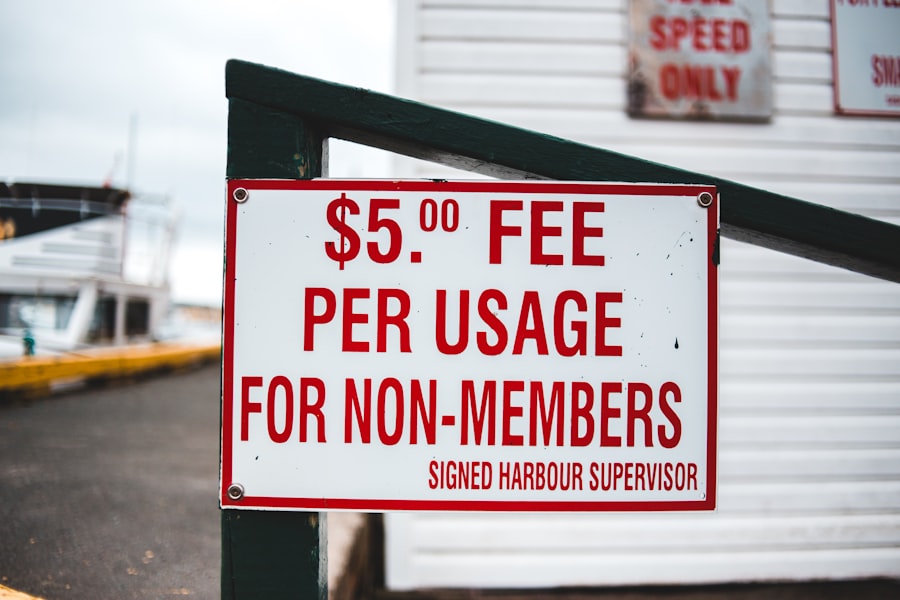
Beyond explicit fees, there are numerous subtle charges embedded in everyday transactions that chip away at your purchasing power. These are the less obvious costs that you might not even realize you’re incurring until you start looking closely at your spending.
Currency Conversion Fees
You’re traveling abroad, or perhaps you’re making an online purchase from an international vendor. Every time your currency is converted, there’s likely a fee. This can be a direct currency conversion charge, or it might be baked into the exchange rate offered by your bank or credit card company. While seemingly small on a single transaction, for a frequent international traveler or online shopper, these fees can add up to a considerable sum over time. Your $100 purchase might actually cost you $103 or $104 once these hidden conversion fees are factored in.
The Invisible Tax on Global Commerce
This fee is often so subtle that it’s almost invisible. You see a price in dollars, and you don’t think twice. However, the actual cost to you, after the conversion, is higher. It’s a silent tax on your desire to engage in global commerce, and it disproportionately affects those who travel or shop internationally with any regularity.
Late Payment Fees and Their Ripple Effects
While often significant in their individual amount, a single late payment fee can trigger a cascade of financial problems. Miss a credit card payment by a day, and you might incur a $35 fee. But the true cost goes far beyond that. Your credit score can be negatively impacted, leading to higher interest rates on future loans or credit cards, making borrowing more expensive for years to come. This is not a small fee; it’s a gateway to a multitude of larger financial burdens.
The Domino Effect of a Missed Due Date
That $35 late fee is just the first domino. The lowered credit score is the next. Then comes the higher interest on your mortgage, your car loan, or your next credit card. You could end up paying hundreds, if not thousands, of dollars more in interest over the life of those loans, all because of a single missed payment.
In today’s financial landscape, it’s crucial to be aware of how seemingly small fees can accumulate over time and lead to significant losses. For instance, many investors overlook the impact of management fees on their portfolios, which can cost them thousands in the long run. A related article discusses this issue in detail, highlighting the importance of understanding these costs and making informed decisions. You can read more about it in this insightful piece on how fees affect your investments.
Reclaiming Your Financial Future: Strategies to Combat Small Fees
| Fee Type | Cost |
|---|---|
| Bank Overdraft Fee | Up to 35 per occurrence |
| Credit Card Late Payment Fee | Up to 40 per occurrence |
| ATM Withdrawal Fee | Average of 3 per transaction |
| Wire Transfer Fee | Varies by bank and amount |
The good news is that you are not powerless against the insidious nature of small fees. By becoming more aware and adopting proactive strategies, you can significantly mitigate their impact and reclaim your financial future. It starts with a fundamental shift in your mindset: viewing these small charges not as negligible inconveniences, but as direct detractors from your wealth.
Education and Awareness as Your First Line of Defense
The most crucial step is understanding. You need to actively seek out information about the fees associated with your financial products and services. Read the fine print, ask questions, and don’t be afraid to challenge unclear or excessive charges. The more you know, the better equipped you are to make informed decisions and avoid unnecessary costs.
Proactive Review of Financial Statements
Make it a habit to regularly review your bank statements, credit card bills, and investment account statements. Look for any charges that you don’t recognize or that seem out of the ordinary. Many fees are legitimate, but some might be errors or charges you’re no longer benefiting from. Early detection can save you significant money.
Choosing Wisely: Selecting Fee-Conscious Financial Products
When selecting a bank, an investment platform, or a subscription service, make fees a primary consideration. Don’t just look at the advertised benefits; delve into the fee structure. Opt for accounts with no or low maintenance fees, investment funds with low expense ratios, and services that offer transparent and competitive pricing.
The Power of Opting for Zero-Fee Options
Many banks now offer checking accounts with no monthly fees and no minimum balance requirements. Similarly, there are numerous low-cost brokerage firms offering commission-free trades for stocks and ETFs. Seek out these options, as they provide the same functionality without the added cost.
Negotiation and Persistence: Don’t Be Afraid to Ask
In many cases, fees are negotiable, especially if you’re a long-standing customer or have faced a specific hardship. Don’t hesitate to contact your bank, credit card company, or service provider and ask if they can waive or reduce a particular fee. Persistence and a polite, firm approach can often yield positive results.
Building Leverage Through Loyalty and Communication
If you’ve been a loyal customer for years, leverage that history to your advantage. Explain your situation clearly and politely. Sometimes, a simple conversation can result in fee waivers or discounts that significantly improve your financial situation.
Automating Your Savings and Avoiding Unnecessary Risk
Once you’ve identified and eliminated or minimized unnecessary fees, focus on consistently saving and investing. Automate your savings transfers to ensure you’re regularly contributing to your financial goals. By reducing the need for frequent, potentially fee-laden transactions, you can build wealth more effectively and avoid falling prey to the “high cost of small fees.” Your financial future is built on smart decisions today, and understanding the cumulative impact of seemingly insignificant charges is a cornerstone of that strategy. Don’t let those small fees silently erode the prosperity you’re working so hard to build.

Why Your 401(k) May Be Growing Slower Than You Think
FAQs
What is the article “Small Fees Can Cost Thousands” about?
The article “Small Fees Can Cost Thousands” discusses how seemingly insignificant fees, such as bank fees, credit card fees, or investment fees, can add up over time and end up costing consumers thousands of dollars.
How do small fees add up to cost thousands of dollars?
Small fees can add up to cost thousands of dollars over time due to compounding effects. Even a small fee, when charged repeatedly over a long period, can accumulate into a significant amount.
What are some examples of small fees that can cost thousands of dollars?
Examples of small fees that can cost thousands of dollars include ATM fees, overdraft fees, annual credit card fees, investment management fees, and maintenance fees for various financial accounts.
How can consumers avoid falling victim to small fees that cost thousands of dollars?
Consumers can avoid falling victim to small fees that cost thousands of dollars by carefully reviewing their financial statements, understanding the terms and conditions of their financial products, and seeking out fee-free or low-fee alternatives.
What are some tips for minimizing the impact of small fees on personal finances?
Some tips for minimizing the impact of small fees on personal finances include consolidating accounts to reduce the number of fees, negotiating with financial institutions to waive or reduce fees, and staying informed about changes in fee structures.