
You’re probably doing everything right. You budget, you try to save, you avoid impulse purchases. Yet, at the end of the month, that nagging feeling persists: where did all your money go? It’s a common predicament, and it usually boils down to one culprit: hidden financial leaks. These aren’t dramatic, headline-grabbing expenses, but rather a steady drip-drip-drip of small, often overlooked outflows that quietly erode your savings and hinder your financial progress. This article is your guide to identifying and effectively plugging these financial holes, transforming your passive spending into proactive financial control.
Before you can plug any holes, you need to find them. This isn’t about judgment; it’s about honest assessment. You might be surprised by how much is slipping through your fingers without you even realizing it. It’s a detective mission, and your bank statements and credit card bills are your crime scene.
Your Digital Footprint: Subscription Services and Recurring Charges
In our subscription-driven world, it’s incredibly easy to accumulate a digital graveyard of services you no longer use or even remember signing up for. Think about it: streaming services, cloud storage, app subscriptions, gym memberships you rarely visit, online publication subscriptions – the list is endless.
The “Auto-Renew” Trap
Many of these services operate on an auto-renewal model, meaning they’ll keep charging you until you actively cancel. You might have signed up for a free trial that converted to a paid subscription, or perhaps you haven’t used a service in months but it continues to debit your account.
- Auditing Your Subscriptions: Set aside an hour each month to meticulously review every recurring charge on your bank and credit card statements. A good starting point is to look for charges that appear consistently each month, even if the amount fluctuates slightly.
- Categorize and Conquer: For each recurring charge, ask yourself: “Do I actively use this service and derive value from it?” If the answer is no, or if your usage has significantly declined, it’s time to cancel. Don’t be swayed by the thought of “maybe I’ll use it again someday.” If you haven’t used it in the last 3-6 months, it’s likely not a necessity.
- Leverage Technology: There are apps and browser extensions designed to help you track and manage your subscriptions. Some can even identify recurring payments and alert you when a free trial is about to end. While these are helpful, a manual review is still crucial for identifying services you might have forgotten entirely.
The Forgotten “Freemium” Conversion
Many apps and online services offer a free tier with limited functionality and then tempt you with premium features. You might have signed up for a temporary upgrade for a specific project or event, and then forgotten to downgrade or cancel.
- Regularly Check App Settings: Dive into the settings of your frequently used apps. Many will have a dedicated section for subscriptions or in-app purchases. This is a prime location for forgotten charges.
- Beware of Bundles: Sometimes, signing up for one service might bundle in another. You might be paying for a music streaming service that includes a bundled offer for an audiobook service you never use. Unbundle wherever possible.
The “Small Purchases” Swarm: Unconscious Spending Habits
These are the insidious leaks that often go unnoticed because they feel insignificant individually. A daily coffee, a vending machine snack, a few impulse buys at the checkout aisle – these small amounts can add up to a surprisingly large sum by the end of the month.
The Daily Coffee Ritual
That $5 latte every morning might seem like a treat, but at 30 days a month, it’s $150 gone. While it’s important to enjoy some luxuries, this is a prime example of a leak that can be easily plugged.
- Brew at Home: Invest in a decent coffee maker or an insulated travel mug. Brewing your coffee at home can slash your daily coffee expenditure by 75% or more.
- Pack Your Lunch and Snacks: Similar to coffee, buying lunch out every day adds up quickly. Preparing your meals and snacks at home is a significant cost-saver.
Vending Machine and Convenience Store Quick Stops
The convenience of a vending machine or a nearby convenience store for a quick drink or snack can be a tempting trap. You’re likely paying a premium for that convenience.
- Keep a Water Bottle Handy: Staying hydrated is important, and carrying a reusable water bottle eliminates the need to constantly buy drinks.
- Pack Your Own Treats: Similar to packing snacks for work, keep a small bag of nuts, fruit, or granola bars in your bag or car for when hunger strikes.
The “Treat Yourself” Too Often Mentality
It’s perfectly fine to treat yourself, but if “treating yourself” happens multiple times a week on small, non-essential items, it’s a leak.
- Schedule Your Treats: Instead of spontaneous “treats,” set a budget for discretionary spending and allocate it weekly or monthly. This allows you to enjoy your treats guilt-free within your means.
- Find Cheaper Alternatives: Enjoying a movie? Consider a movie night at home with popcorn instead of a cinema ticket. Craving ice cream? A tub from the grocery store is far cheaper than a scoop from an artisan shop.
Transaction Fees and Bank Charges: The Silent Eroders
While often unavoidable, excessive transaction fees and bank charges can silently chip away at your hard-earned money. You might not even notice them if they’re small and infrequent.
Overdraft Fees and ATM Charges
These are often the most obvious and costly leaks. An overdraft fee can be upwards of $35, and consistently using out-of-network ATMs can rack up multiple dollars in charges per transaction.
- Maintain a Buffer: The simplest way to avoid overdraft fees is to always keep a buffer amount in your checking account. Automate transfers from your savings to your checking account to ensure you never dip too low.
- Use Your Bank’s ATMs: Familiarize yourself with your bank’s ATM network and make a conscious effort to use their machines.
- Enable Low Balance Alerts: Most banks offer mobile alerts for low balances. Set these up to receive notifications before you’re close to overdrawing.
Foreign Transaction Fees and Wire Transfer Costs
If you travel internationally or send money abroad, these fees can add up. While sometimes necessary, it’s worth investigating alternatives.
- Get a Fee-Free Travel Credit Card: Many credit cards offer no foreign transaction fees. This is a significant saving for frequent travelers.
- Research International Money Transfer Services: Services like Wise (formerly TransferWise) or Remitly often offer better exchange rates and lower fees than traditional banks for international money transfers.
Monthly Service Fees and Minimum Balance Requirements
Some bank accounts come with monthly service fees unless you meet certain requirements, such as maintaining a minimum balance or having a certain number of direct deposits.
- Review Your Account Agreement: Understand the terms and conditions of your bank accounts. Identify if you’re paying fees you could easily avoid.
- Optimize Your Bank Choices: If your current bank is consistently charging you fees for services you don’t need or can’t avoid, explore other banks or credit unions that offer accounts with no or low fees, especially those geared towards students or seniors.
Unnecessary Insurance and Underutilized Services
You might be paying for insurance policies or services that you no longer need, or for which you are overpaying relative to your current situation. This is especially true as your life circumstances change.
Redundant Insurance Policies
Do you have duplicate coverage? For example, if your car is older and worth less than the deductible, comprehensive and collision coverage might be a financial drain rather than a benefit.
- Annual Insurance Review: Make it a habit to review your insurance policies annually. This includes auto, home, life, and health insurance.
- Assess Your Needs: Has your life changed since you last reviewed your policies? Are you married with children? Have you downsized your home? These changes might warrant adjustments to your coverage.
- Shop Around: Premiums can vary significantly between insurance providers for the same level of coverage. Don’t be afraid to get quotes from multiple companies every few years.
Underutilized Gym Memberships and Club Fees
This falls under recurring charges but is worth highlighting as a specific type of leak related to memberships. You might be paying for a gym or club that you rarely visit.
- Track Your Usage: Be honest about how often you actually use the service. If your usage is consistently low, it’s a clear sign to re-evaluate.
- Consider Alternatives: Are there cheaper gym options, home workout routines, or community centers that offer similar benefits for less?
Warranty and Service Plans on Old Electronics
You might have purchased extended warranties or service plans on electronics that are now outdated or rarely used.
- Check Purchase Dates: Many warranties have expiration dates. If the warranty is about to expire and you haven’t used the service, it’s likely not worth the ongoing cost.
- Evaluate the Risk: Consider the likelihood of the item breaking down. For older, less valuable items, the cost of the warranty might outweigh the potential repair costs.
Hidden financial leaks can significantly impact personal and business budgets, often going unnoticed until they accumulate into substantial losses. For those interested in learning more about how to identify and manage these leaks, a related article can provide valuable insights. You can explore effective strategies and tips by visiting this resource that delves into the nuances of financial management and wealth growth. Understanding these concepts can empower individuals to take control of their finances and prevent unnecessary expenditures.
Hidden “Opportunity Costs” of Poor Financial Habits
While not direct monetary leaks, these are financial inefficiencies that prevent you from growing your wealth. They are the silent missed opportunities that keep you treading water financially.
Not Optimizing Your Savings and Investments
Are your savings just sitting in a low-interest checking account? Are you not investing at all? This is a major opportunity cost.
- High-Yield Savings Accounts: If you have an emergency fund or short-term savings, ensure it’s in a high-yield savings account that offers a better return than a traditional savings account.
- Retirement Accounts: Maximize contributions to your 401(k) or an IRA, especially if there’s an employer match. This is essentially free money and a powerful tool for long-term wealth building.
- Diversified Investments: Explore low-cost index funds or ETFs for long-term investment. Even small, consistent investments can grow significantly over time due to compounding.
The Cost of Procrastination
Delaying important financial tasks, such as setting up a budget, creating a retirement plan, or paying down high-interest debt, can be incredibly costly.
- Prioritize Financial Planning: Make financial planning a regular appointment in your schedule. Treat it with the same importance as a doctor’s appointment.
- Actionable Steps: Break down large financial goals into smaller, manageable steps. This makes them less daunting and easier to tackle.
Carrying High-Interest Debt
Credit card debt with high interest rates is a massive drain on your finances. The interest payments alone can prevent you from saving or investing.
- Debt Snowball or Avalanche Method: Implement a debt repayment strategy. The snowball method focuses on small wins to build momentum, while the avalanche method prioritizes paying off the highest interest debt first to save money.
- Balance Transfers and Debt Consolidation: Explore options for transferring high-interest balances to a lower-interest card or consolidating debt to a single, more manageable loan.
In recent discussions about hidden financial leaks, it’s essential to explore various resources that shed light on this critical issue. One such article that delves into the intricacies of financial transparency and the potential pitfalls of undisclosed expenses can be found at How Wealth Grows. This piece provides valuable insights into the mechanisms behind financial leaks and offers strategies for individuals and businesses to safeguard their financial health.
Developing a Robust System for Financial Leak Detection
Finding leaks is a great start, but consistently plugging them requires a system. Think of it as building a strong ship with no holes, rather than just patching them up as they appear.
The Magic of the Monthly Financial Review
This is your cornerstone. Dedicate consistent time each month to pore over your financial life.
Step-by-Step Monthly Review Process
- Gather Your Documents: Collect all bank statements, credit card statements, investment reports, and any other relevant financial documents for the past month.
- Categorize Your Spending: Use your budgeting software or a spreadsheet to categorize every expense. Be detailed. Look for trends and anomalies.
- Analyze Your Income: Ensure all your income sources are accounted for and on track.
- Review Your Budget vs. Actual Spending: Compare your budgeted amounts to your actual spending in each category. Identify where you overspent or underspent.
- Scan for Recurring Charges and Subscriptions: Execute the steps outlined in the “Subscription Services” section.
- Check for Fees and Charges: Look for any unexpected bank fees or transaction charges.
- Evaluate Your Savings and Investments: Review your progress towards your savings goals and investment performance.
- Identify Problem Areas: Based on your analysis, pinpoint specific leaks or areas where you consistently overspend.
- Set Actionable Goals for the Next Month: Based on your findings, create specific, measurable, achievable, relevant, and time-bound (SMART) goals for the upcoming month to address identified leaks.
Leveraging Technology for Ongoing Monitoring
While a manual review is crucial, technology can be your ally in ongoing monitoring.
Budgeting Apps and Software
Tools like Mint, YNAB (You Need A Budget), PocketGuard, or Personal Capital can automate much of the categorization and tracking process. They provide a clear overview of your spending and can alert you to unusual activity.
- Connect Your Accounts: Link all your bank accounts, credit cards, and investment accounts to your chosen budgeting app for a consolidated view.
- Set Up Alerts: Configure alerts for low balances, overspending in specific categories, or unusual transactions.
- Utilize Reporting Features: Most apps offer detailed reports on your spending habits, helping you visualize where your money is going.
Calendar Reminders for Cancellations and Reviews
Don’t rely on your memory for subscription cancellations or annual reviews.
- Set Calendar Events: Mark recurring subscription renewal dates or your monthly financial review appointments in your digital calendar. Set multiple reminders leading up to the event.
- Automated Bill Pay Review: If you use automated bill pay, schedule a quarterly review of these payments to ensure they are still relevant and at the correct amounts.
Strategies for Effectively Plugging the Leaks
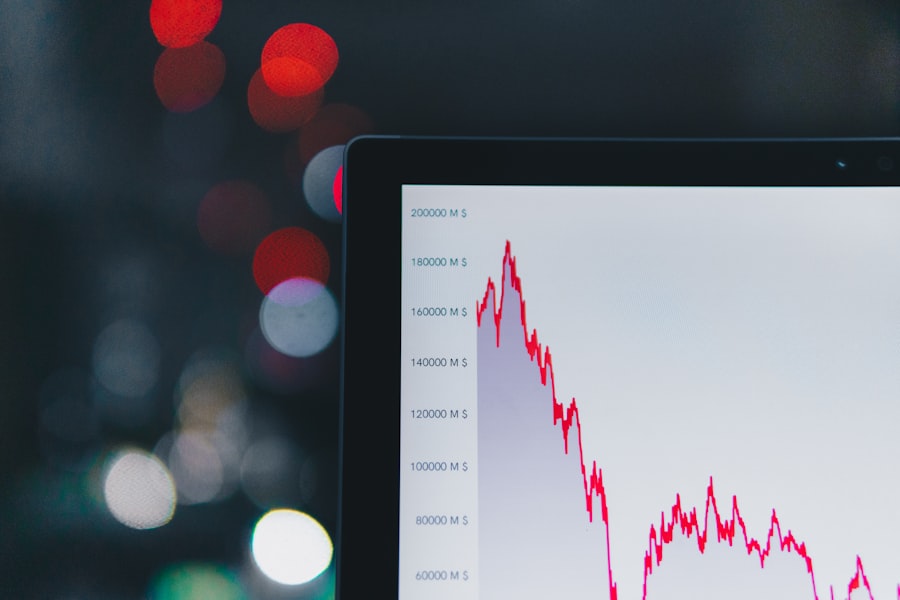
Once you’ve identified and understand your leaks, it’s time to implement strategies to stop them. This is where proactive financial management comes into play.
The Power of Automation in Your Favor
Automation can be a double-edged sword, but when used correctly, it can be a powerful tool for managing your money efficiently.
Automating Savings and Investments
This is a positive use of automation that ensures your financial goals are met.
- “Pay Yourself First” Mentality: Set up automatic transfers from your checking account to your savings and investment accounts immediately after you receive your paycheck. Treat these transfers as non-negotiable expenses.
- Automatic Retirement Contributions: Ensure your employer-sponsored retirement plan contributions are set up automatically. If you contribute to an IRA, set up automatic monthly contributions.
Automating Bill Payments (with Caution)
While convenient, be sure you have sufficient funds to cover automated payments to avoid overdraft fees.
- Regularly Monitor Account Balances: Even with automated bill pay, it’s crucial to monitor your account balances regularly to ensure you don’t accidentally overdraw.
- Review Bill Pay Settings: Periodically review your automated bill pay setup to ensure accuracy and that no services have changed their payment amounts unexpectedly.
Embracing Mindful Spending and Conscious Consumption
This is the behavioral shift that underpins long-term financial health. It’s about moving from reactive spending to intentional choices.
The 24-Hour Rule for Non-Essential Purchases
Before buying something outside of your budget, give yourself 24 hours to think about it. Often, the urge to buy will pass.
- Create a “Want” List: If an item is a “want” rather than a “need,” add it to a dedicated list. Revisit this list periodically. If you still desire the item after a month, consider if it aligns with your budget.
- Visualize Your Goals: Before making a purchase, visualize your financial goals. Ask yourself if this purchase will help or hinder your progress.
Seeking Value Over Brand Name
You don’t always need the most expensive option to get good quality.
- Read Reviews and Compare: Before buying, research alternatives. Look for reviews that focus on functionality and durability rather than just brand prestige.
- Consider Generic or Store Brands: In many cases, generic or store-brand products are just as good as their name-brand counterparts for a fraction of the price.
Understanding Your Triggers for Impulse Buying
Identify the situations or emotions that lead you to make unplanned purchases.
- Emotional Triggers: Are you more likely to spend when you’re stressed, bored, or celebrating? Find healthier coping mechanisms for these emotions.
- Environmental Triggers: Are certain stores or online environments more likely to tempt you? Avoid these environments when you’re feeling vulnerable to impulse buying.
Optimizing Your Financial Accounts and Services
Sometimes, the best way to plug leaks is to switch to better-suited financial products.
Researching Better Banking Options
Don’t be afraid to switch banks if you’re consistently paying fees or not getting the services you need.
- Compare Account Features and Fees: Look for banks with no monthly maintenance fees, free ATM access, and competitive interest rates on savings accounts.
- Consider Online Banks and Credit Unions: Many online banks offer higher interest rates and lower fees due to lower overhead costs. Credit unions often provide personalized service and better rates for their members.
Negotiating with Service Providers
This is an often-overlooked strategy for reducing recurring expenses.
- Call and Ask for Discounts: Many companies are willing to negotiate their prices, especially if you’re a long-term customer or have received better offers elsewhere.
- Bundle Services: If you use multiple services from the same provider (e.g., internet, TV, phone), see if bundling them can result in a discount.
Actively Reviewing and Adjusting Insurance Coverage
As mentioned earlier, this is a critical area for finding and plugging leaks.
- Seek Multiple Quotes Regularly: Don’t assume your current insurance rates are the best. Get quotes from at least three different providers every year or two.
- Adjust Deductibles: Understand how adjusting your deductible impacts your premium. A higher deductible will lower your premium but means you’ll pay more out-of-pocket if you file a claim.
Maintaining Vigilance: Keeping the Leaks Plugged for Good

Financial leaks aren’t a one-time fix; they require ongoing attention. Think of it as tending to your garden – regular weeding and nourishment are essential.
The Importance of Continuous Monitoring and Adjustment
Your financial life is dynamic. What works today might need adjustment tomorrow.
Regular Check-ins Beyond the Monthly Review
Incorporate quick financial check-ins throughout the week.
- Daily Spending Tally: A quick mental or digital tally of your major expenses each day can help you stay on track.
- Weekly Budget Review: A brief check-in on your budget at the end of each week can help you catch potential overspending before it becomes a significant leak.
Adapting to Life Changes
Major life events – marriage, childbirth, job loss, a windfall – all require a re-evaluation of your financial strategy.
- Financial Health Check-ups: Schedule “financial health check-ups” after significant life events. This is a dedicated time to assess your financial situation and make necessary adjustments.
- Review Estate Planning and Insurance: As your life changes, so do your insurance needs and estate planning requirements. Ensure these are up-to-date.
Turning Financial Leaks into Financial Fortifications
The ultimate goal isn’t just to stop leaks, but to redirect that saved money towards building your financial future.
Reallocating Saved Funds to Goals
Every dollar you save from plugging a leak is a dollar you can now allocate to achieving your financial goals.
- Emergency Fund Acceleration: Use savings from eliminated leaks to build or strengthen your emergency fund.
- Debt Reduction Boost: Redirect saved money towards aggressively paying down high-interest debt.
- Investment Acceleration: Invest those freed-up funds to grow your wealth for the future.
The Psychological Benefits of Financial Control
Beyond the numbers, plugging financial leaks brings a profound sense of peace and empowerment.
- Reduced Financial Stress: Knowing where your money is going and having control over your outflows significantly reduces financial anxiety.
- Increased Confidence: Achieving financial goals by plugging leaks builds confidence in your ability to manage your money effectively.
- Freedom and Flexibility: Financial control provides greater freedom and flexibility to pursue your dreams, whether that’s early retirement, starting a business, or traveling the world.
Uncovering and plugging hidden financial leaks is an ongoing journey, not a destination. By implementing diligent monitoring, adopting mindful spending habits, and leveraging available tools and strategies, you can transform those insidious drips into a powerful flow of financial security and prosperity. The effort you put in today will be the foundation for the financial freedom you experience tomorrow.

Why Your 401(k) May Be Growing Slower Than You Think
FAQs
What are hidden financial leaks?
Hidden financial leaks refer to the unnoticed or overlooked expenses that can drain a company’s finances over time. These leaks can occur in various areas such as unnecessary subscriptions, unmonitored expenses, or inefficient processes.
How can hidden financial leaks impact a business?
Hidden financial leaks can have a significant impact on a business’s bottom line. They can lead to decreased profitability, cash flow issues, and hindered growth potential. Identifying and addressing these leaks is crucial for maintaining financial health.
What are some common sources of hidden financial leaks?
Common sources of hidden financial leaks include unused or unnecessary subscriptions, unmonitored expenses such as travel and entertainment, inefficient or redundant processes, and unchecked vendor pricing.
How can businesses identify and address hidden financial leaks?
Businesses can identify and address hidden financial leaks by conducting regular financial audits, implementing expense tracking and monitoring systems, renegotiating vendor contracts, and promoting a culture of cost-consciousness within the organization.
What are the benefits of addressing hidden financial leaks?
Addressing hidden financial leaks can lead to improved profitability, increased cash flow, and a more efficient use of resources. It can also help businesses make more informed financial decisions and better position themselves for long-term success.