2021 Housing Market Trends: What to Expect
As you navigate the complexities of the 2021 housing market, understanding the key trends shaping this dynamic landscape is paramount. Whether you’re a first-time buyer eager to enter the market, a seasoned homeowner considering a move, or an investor seeking opportunities, a clear picture of what to anticipate will empower your decisions. This comprehensive guide will delve into the forces at play, offering insights into pricing, inventory, interest rates, and more, so you can approach your real estate journey with confidence.
It’s undeniable: home prices continued their upward trajectory throughout much of 2021. While the pace of growth might have moderated slightly from the frenzied peaks of late 2020 and early 2021, the fundamental drivers of this appreciation remained robust. You’ve likely seen or heard about the increasing values in your local market, and understanding the “why” behind this trend is crucial for your own financial planning.
Supply and Demand: The Enduring Economic Squeeze
At the heart of the appreciation lies the age-old principle of supply and demand. For years leading up to 2021, housing construction lagged behind population growth and household formation. This created a foundational imbalance. When the pandemic hit, it exacerbated this issue.
Pent-Up Buyer Demand: A Dormant Force Awakened
You might recall the initial uncertainty at the beginning of the pandemic in 2020. Many potential buyers understandably put their real estate aspirations on hold. As the year progressed and the economy adapted, this pent-up demand began to resurface. Millions of people who had been waiting for stability, or who had their plans deferred, were now actively searching for homes. This surge in demand, encountering an already constrained supply, naturally pushed prices higher.
Limited Housing Inventory: The Bottleneck Remains
The scarcity of available homes for sale was a defining characteristic of the 2021 housing market. Several factors contributed to this persistent shortage:
The “Lock-In Effect” for Existing Homeowners
Many homeowners who might have considered selling found themselves hesitant for a variety of reasons. Perhaps they had secured incredibly low mortgage rates in previous years. Moving would mean taking on a new, potentially higher mortgage. This “lock-in effect” discouraged many from listing their homes, further diminishing the available inventory. You might know someone who fits this description, or perhaps you’ve personally felt this hesitation.
New Construction Challenges: Facing Headwinds
While the need for new homes is evident, builders in 2021 faced significant hurdles. You’ve likely heard about the global supply chain issues that impacted everything from lumber to appliances. This made construction more expensive and time-consuming. Furthermore, a shortage of skilled labor continued to be a persistent problem for the construction industry. These factors limited the pace at which new homes could be brought to market, preventing them from adequately offsetting the demand.
Increased Investor Activity: A Competitive Edge
The attractive returns seen in the housing market in recent years also fueled increased activity from real estate investors. Whether they were looking to rent out properties or flip them, these investors contributed to the demand side of the equation, often competing directly with owner-occupiers. This added another layer of competition, particularly in certain geographic areas and for specific types of properties.
Regional Variations: Not a Monolithic Market
It’s essential for you to remember that the housing market is not a singular, uniform entity. While national trends provide a broad overview, significant variations existed across different regions and even within metropolitan areas.
Hotbeds of Activity: Where Appreciation Soared
Certain states and metropolitan areas experienced particularly explosive growth in home values. Often, these were areas that offered lower costs of living compared to major coastal cities, had strong job markets, or provided desirable lifestyle amenities without the premium price tag. You might have noticed this in your own travel or through news reports.
Slower Growth Pockets: Markets Finding Their Equilibrium
Conversely, some markets saw more modest appreciation or even a period of stabilization. These markets might have already experienced significant price gains in prior years, or they might have had less pronounced issues with inventory shortages or overwhelming demand. Understanding these regional nuances can be key if you’re considering a move across state lines or even within a large metropolitan area.
In recent discussions about housing market trends, it’s essential to consider various factors influencing property values and buyer behavior. A related article that delves into these dynamics is available at How Wealth Grows, where you can find insights on economic indicators, demographic shifts, and investment strategies that shape the real estate landscape. This resource provides valuable information for anyone looking to understand the complexities of the housing market today.
The Shifting Sands of Mortgage Interest Rates
For years, you’ve enjoyed historically low mortgage interest rates, a significant driver of affordability and a key reason why many entered the housing market. In 2021, while rates remained relatively low by historical standards, you started to see a shift as the Federal Reserve began to signal its intentions to address inflation. This subtle change, however, had ramifications for your borrowing power and the overall cost of homeownership.
The Fed’s Influence: A Measured Approach to Monetary Policy
The Federal Reserve plays a crucial role in influencing interest rates across the economy. In 2021, as economic recovery gained momentum and inflation concerns mounted, the Fed began to shift its monetary policy.
Signal of Future Rate Hikes: A Hint of What’s to Come
While the Fed didn’t enact significant rate hikes in 2021, their pronouncements and actions signaled a potential tightening of monetary policy in the future. This anticipation began to impact longer-term interest rates, including those for mortgages. You likely saw news reports or heard discussions about the Fed’s stance on inflation.
Impact on Mortgage Rates: A Gradual Ascent
As a consequence of these signals and a generally strengthening economy, you observed a gradual but consistent upward trend in mortgage interest rates throughout 2021. While not a dramatic surge, this rise meant that your monthly mortgage payment for the same loan amount would be higher than it was in the preceding year. This is a critical factor for you to consider when budgeting for your home purchase.
The Affordability Equation: Balancing Prices and Rates
The interplay between rising home prices and slightly increasing mortgage rates presented a nuanced affordability challenge for many buyers.
Decreased Purchasing Power: Making Every Dollar Count
With higher home prices and marginally higher interest rates, your purchasing power diminished. The maximum loan amount you could qualify for, or the home you could comfortably afford, might have shrunk. This meant you may have had to adjust your expectations, perhaps compromising on certain features or location to stay within your budget.
The Urgency for Some Buyers: Act Before Rates Rise Further
For some, the prospect of further rate increases created a sense of urgency. They might have felt compelled to lock in a mortgage rate before they rose significantly, even if it meant stretching their budget a bit. However, it’s always wise for you to approach such decisions with careful consideration of your overall financial stability, not just short-term rate fluctuations.
The Evolving Landscape of Remote Work and Its Housing Impact

The widespread adoption of remote work, accelerated by the pandemic, continued to have a profound and lasting impact on the housing market in 2021. This trend redefined where people could live and what they prioritized in their homes, creating new dynamics across various markets.
Migration Patterns: Seeking New Horizons
The ability to work from anywhere freed many individuals and families from the constraints of commuting to a specific office. This led to significant migration patterns.
Influx into Suburban and Rural Areas: The Great Escape
You likely witnessed or experienced the movement of people away from densely populated urban centers towards more suburban and rural locales. These areas often offered more affordable housing, larger properties, and a perceived higher quality of life, all within reach thanks to remote work. This influx of new residents also created increased demand in these previously less-pressured markets.
The “Zoom Town” Phenomenon: Popularity Grows
Certain smaller towns and remote destinations, dubbed “Zoom Towns,” experienced a surge in popularity and property values. These areas became attractive to remote workers seeking a change of scenery and a more serene environment. You might have heard about these places experiencing unprecedented growth.
Home Feature Preferences: Adapting to the New Normal
The shift to remote work also altered what buyers prioritized in a home. The needs of a household where multiple members are working and potentially schooling from home are different from those where individuals primarily commuted.
The Home Office Imperative: A Non-Negotiable
A dedicated home office space transformed from a desired amenity to a near-essential feature for many. Buyers actively sought homes with extra rooms, converted garages, or even the potential to create a separate workspace. This demand influenced architectural trends and renovation priorities.
Outdoor Space and Amenities: Enhancing the Home Sanctuary
With more time spent at home, the importance of outdoor living spaces was amplified. Large backyards, patios, decks, and access to nature became highly sought after. Homes that offered a greater connection to the outdoors were in high demand, particularly in suburban and rural settings.
Community and Connectivity: Beyond the Four Walls
While the focus was on the home itself, the surrounding community and access to amenities also played a role. Buyers considered factors like proximity to parks, walking trails, essential services, and even reliable internet connectivity – a critical component for remote work.
Navigating the Competitive Buyer’s Market in 2021
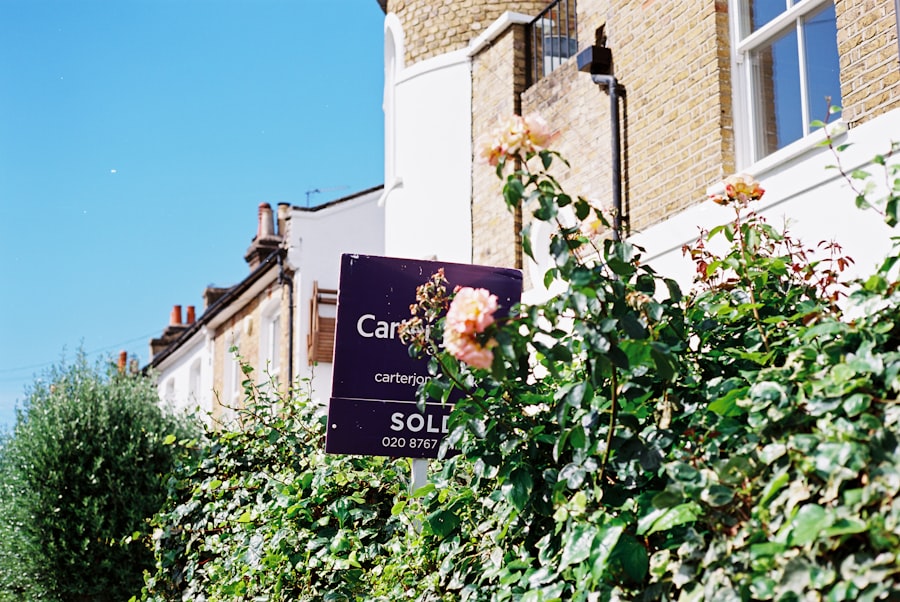
For much of 2021, you were operating in a strongly seller-favored market. This meant that competition for desirable properties was fierce, and buyers had to be strategic and prepared to act quickly. Understanding the dynamics of this competitive environment is key to your success.
Bidding Wars and Multiple Offers: The Norm, Not the Exception
You’ve undoubtedly heard about bidding wars. In many areas, it was common for properties to receive multiple offers shortly after being listed. This created a high-pressure environment for buyers.
Strategies for Standing Out: Going Above and Beyond
In such a market, you needed to implement strategies to make your offer more attractive to sellers:
Competitive Financing: Securing Your Pre-Approval
Having your financing in order was more critical than ever. Obtaining a solid pre-approval from a reputable lender demonstrated your seriousness and ability to close. Some buyers even leaned towards all-cash offers if possible, though this wasn’t feasible for everyone.
Waiving Contingencies (with Caution): The Calculated Risk
In some instances, buyers considered waiving contingencies, such as the financing contingency or the home inspection contingency, to make their offers more appealing. While this could provide an advantage, it also carried significant risk. It’s crucial for you to carefully weigh the potential downsides and consult with your real estate agent and legal counsel before making such decisions.
Escalation Clauses: A Smart Negotiation Tool
Escalation clauses, which automatically increase a buyer’s offer up to a certain cap if higher offers are received, became a popular tool. This allowed buyers to signal their maximum willingness to pay without overbidding unnecessarily.
The Importance of a Skilled Real Estate Agent: Your Navigator
In a competitive market, the guidance of an experienced and knowledgeable real estate agent was invaluable. They were your advocate, your guide, and your source of local market intelligence.
Local Market Expertise: Understanding the Nuances
A good agent possessed deep knowledge of the local market, including recent sales, neighborhood trends, and property values. This expertise helped you make informed decisions and avoid overpaying or making an offer that was unlikely to be accepted.
Negotiation Prowess: Your Ally in the Bid Process
Your agent’s negotiation skills were crucial in navigating bidding wars and securing favorable terms. They could advise you on offer strategy and communicate effectively with the seller’s agent.
Access to Off-Market Opportunities: The Hidden Gems
In a tight inventory market, some agents had access to “off-market” or “pocket” listings – properties that were not publicly advertised. Being connected with an agent who could uncover these opportunities could give you a significant advantage.
As the housing market continues to evolve, many are seeking insights into the latest trends and forecasts. A recent article discusses various factors influencing home prices and buyer behavior, providing valuable information for those looking to navigate this dynamic landscape. For a deeper understanding of these trends, you can read more in this informative piece found here.
Looking Ahead: What to Expect for the Remainder of 2021 and Beyond
“`html
| Year | Average Home Price | Number of Homes Sold | Median Days on Market |
|---|---|---|---|
| 2018 | 250,000 | 1,200 | 45 |
| 2019 | 265,000 | 1,150 | 40 |
| 2020 | 280,000 | 1,300 | 35 |
| 2021 | 300,000 | 1,400 | 30 |
“`
As you reflect on the trends of 2021, it’s natural to wonder about their implications for the future. While forecasting the real estate market with absolute certainty is impossible, certain continuations and shifts were anticipated for the latter part of the year and into 2022.
Continued, But Potentially Moderated, Home Price Appreciation
While the rapid pace of price increases seen in early 2021 might have started to taper slightly, sustained demand and ongoing inventory constraints suggested that home values would likely continue to appreciate. The question for you was by how much.
Inflationary Pressures: A Factor in Pricing Decisions
The broader inflationary environment was a significant consideration. As the cost of goods and services rose, this could indirectly influence housing demand and construction costs, potentially continuing to push prices upward.
Regional Divergence: Not All Markets Move in Tandem
You should anticipate continued regional divergence. Markets that were experiencing rapid population growth and job creation were likely to see stronger appreciation than those with more stable economies.
Interest Rates: A Watchful Eye on the Federal Reserve
The trajectory of mortgage interest rates remained a key factor to monitor. The Federal Reserve’s actions and pronouncements regarding inflation and economic growth would largely dictate the direction of rates.
Gradual Increases Likely: A Slow and Steady Rise
Most analysts anticipated a continuation of the gradual upward trend in mortgage rates, rather than a sudden spike. However, the pace of these increases would be influenced by macroeconomic conditions. You needed to remain aware of these developments.
Impact on Affordability: Continued Budgeting Adjustments
As rates potentially continued to edge higher, you would need to continually reassess your budget and purchasing power. This might involve adjusting your expectations for home size, location, or features.
The Enduring Influence of Remote Work: A Lasting Shift
The shift to remote work was not a temporary phenomenon. Its effects on housing preferences and migration patterns were expected to continue shaping the market.
Sustained Demand for Larger Homes and Home Offices: A New Standard
You should expect continued demand for homes that can accommodate remote work, featuring dedicated office spaces and ample living areas. The desire for more square footage and outdoor amenities would likely persist.
Suburban and Rural Appeal: A Growing Trend
The increased allure of suburban and rural living was also likely to continue, driven by affordability, space, and a desire for a different lifestyle. This would impact property values and development in these areas.
Inventory Challenges: A Long-Term Puzzle
While some improvements in housing inventory might occur, it was unlikely that the supply-demand imbalance would be resolved overnight.
New Construction Efforts: Bridging the Gap Slowly
The construction industry would continue to work on addressing the housing shortage, but the challenges of labor shortages and supply chain disruptions would likely limit the pace of new home completions.
Existing Homeowner Decisions: The Lock-In Effect Lingers
The “lock-in effect” for existing homeowners was expected to continue influencing inventory levels, as many remained hesitant to sell and trade their low mortgage rates for higher ones.
In conclusion, as you engaged with the housing market in 2021, you encountered a landscape shaped by robust demand, limited supply, and evolving lifestyle preferences. By understanding these trends, and by arming yourself with knowledge and strategic planning, you were better positioned to navigate the opportunities and challenges that lay ahead in your real estate endeavors.

The Wealth Ladder Is Missing a Rung
FAQs
What are the current trends in the housing market?
The current trends in the housing market include rising home prices, low inventory levels, and increased competition among buyers. Additionally, there is a growing demand for suburban and rural properties as remote work becomes more common.
How have interest rates impacted the housing market?
Low interest rates have contributed to increased demand for homes, as they make mortgages more affordable for buyers. This has led to a competitive market with multiple offers on properties and rising home prices.
What impact has the COVID-19 pandemic had on the housing market?
The COVID-19 pandemic has led to changes in housing preferences, with a shift towards larger homes, outdoor space, and properties in less densely populated areas. Additionally, remote work has allowed for more flexibility in location, leading to increased interest in suburban and rural properties.
Are there any regional differences in housing market trends?
Yes, there are regional differences in housing market trends. For example, some urban areas have seen a decrease in demand for high-density living, while suburban and rural areas have experienced increased interest. Additionally, certain markets may have higher or lower inventory levels and price growth.
What are some predictions for the future of the housing market?
Some predictions for the future of the housing market include continued price growth, especially in suburban and rural areas, as well as a potential increase in inventory levels as more homeowners feel comfortable listing their properties. Additionally, interest rates are expected to remain relatively low, continuing to drive demand for homes.