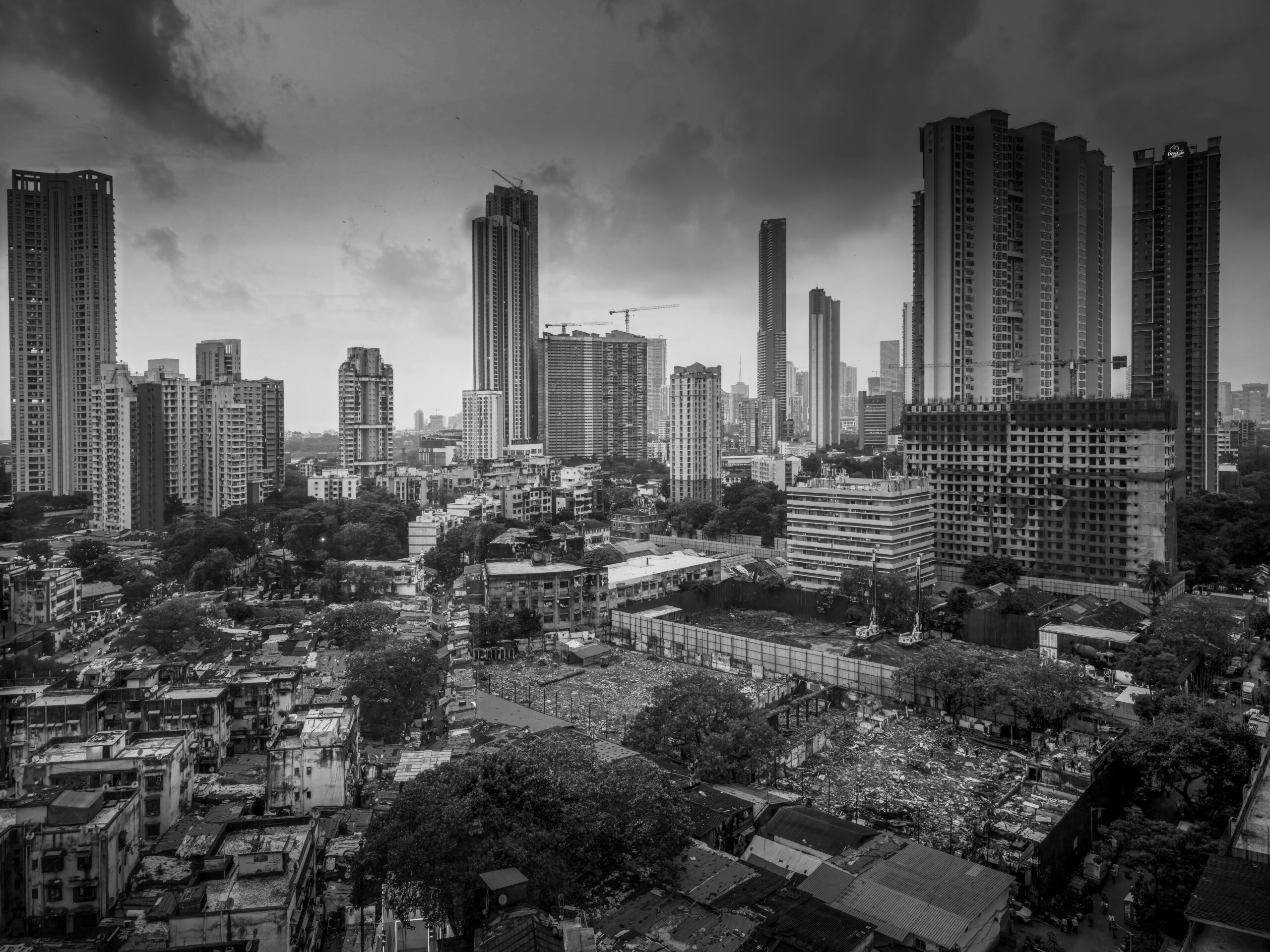
You’ve likely heard the term “wealth inequality” thrown around. Maybe it’s a headline you skimmed, a conversation at a dinner party, or even a policy debate on the news. But what does it actually mean? It’s more than just rich versus poor; it’s a complex tapestry woven from economic, social, and historical threads. Understanding wealth inequality isn’t about assigning blame; it’s about grasping the underlying mechanisms that shape our societies and impact your own life, whether you realize it or not.
At its core, wealth inequality refers to the uneven distribution of assets – think money in the bank, property, stocks, bonds, and other valuable possessions – within a population. It’s the gap between those who have a substantial accumulation of these assets and those who have very little or even negative net worth (meaning they owe more than they own). This isn’t simply about having a slightly bigger house or a fancier car; it’s about fundamental differences in economic security, opportunity, and even life chances.
The Building Blocks of Wealth
Before we delve into inequality, let’s define what we mean by “wealth” in this context. It’s crucial to distinguish wealth from income, as they are often conflated but represent distinct economic realities.
Income: The Money Flow
Your income is the money you earn over a period of time. This can come from various sources: your salary from a job, profits from a business, rental income from properties, or investment returns. Income is what you spend or save. Think of it as the river flowing into your economic landscape. Regularly, you receive a stream of money, and your decisions determine whether you let it flow through your hands to cover expenses, or channel some of it into building something more permanent.
Wealth: The Accumulated Stash
Wealth, on the other hand, is the stock of assets you own at a specific point in time, minus your debts. It’s the reservoir you’ve built up over time. If income is the river, wealth is the lake. The more you save and invest from your income, the larger your lake becomes. This wealth can then generate further income (e.g., through dividends from stocks or interest from savings), creating a compounding effect. Understanding this distinction is key, because individuals can have high incomes but low wealth, or vice versa, although generally, higher income facilitates wealth accumulation.
The Measurement Stick: How We See the Gaps
Economists and social scientists use various metrics to quantify wealth inequality. These tools help us understand the scale of the problem and track its evolution over time. Without these measurements, our understanding would remain purely anecdotal and subjective.
The Gini Coefficient: A Universal Yardstick
One of the most widely used measures is the Gini coefficient, a number between 0 and 1. A Gini coefficient of 0 represents perfect equality, where everyone possesses the same amount of wealth. A Gini coefficient of 1 signifies perfect inequality, where one individual holds all the wealth, and everyone else has none. In reality, countries typically fall somewhere in between. A higher Gini coefficient indicates greater wealth inequality. It’s like a speedometer for economic disparity, showing how far apart the richest and poorest are.
The Pareto Principle (80/20 Rule): Common but Not Always Accurate
While often cited, the Pareto principle, which suggests that roughly 80% of wealth is held by 20% of the population, is a generalization and not a precise measurement of wealth inequality. It highlights the tendency for a disproportionate amount of resources to be concentrated at the top, but the exact percentages can vary significantly. It’s a useful conceptual tool for understanding concentration, but not a definitive statistical measure.
The Share of Wealth Held by Top Percentiles: A Snapshot
Another common way to visualize wealth inequality is by looking at the percentage of total wealth held by the top 1%, 10%, or 50% of the population. For example, if reports state that the top 1% holds 40% of a nation’s wealth, it immediately paints a stark picture of concentration. These figures are highly impactful because they provide concrete numbers about the extent of the divide.
Wealth inequality is a pressing issue that affects societies worldwide, and understanding its complexities is crucial for fostering equitable economic growth. For a deeper exploration of this topic, you can read a related article that delves into the factors contributing to wealth disparity and potential solutions to bridge the gap. Check out the article here: Wealth Inequality Explained.
Why Does Wealth Inequality Matter?
So, you might be thinking, “Why should I care if some people have more money than others?” The implications of wealth inequality extend far beyond individual bank accounts. They shape the very fabric of society, influencing everything from political stability to individual well-being.
The Erosion of Opportunity
When wealth is highly concentrated, it can create significant barriers to opportunity for those at the lower end of the spectrum. Imagine starting a race significantly behind everyone else, with fewer resources to even get to the starting line.
Educational Disparities: The Foundation of Futures
Access to quality education is a primary driver of social mobility and future earning potential. Wealth inequality often translates into stark differences in educational resources. Wealthier families can afford better schools, private tutors, enriching extracurricular activities, and higher education without accumulating crippling debt. This creates a cycle where existing wealth begets educational advantage, which in turn perpetuates wealth for the next generation. Conversely, those with fewer resources may attend underfunded schools, have limited access to extracurriculars, and face significant financial hurdles to obtaining higher education, limiting their future earning capacity.
Healthcare Access: A Matter of Life and Debt
Your health is fundamentally tied to your economic status. Wealthier individuals can afford comprehensive health insurance, specialized medical care, and preventative treatments, leading to better health outcomes and longer lifespans. Those with less wealth may struggle to afford basic healthcare, leading to delayed diagnoses, untreated chronic conditions, and a greater risk of premature death. This not only impacts individual lives but also creates a less healthy and productive society overall.
Social Cohesion and Political Stability
Extreme wealth disparities can lead to increased social stratification and a breakdown in social cohesion. When a large segment of the population feels disenfranchised and left behind, it can foster resentment, distrust, and social unrest.
The Rise of Populism and Discontent
Feelings of economic injustice and a lack of opportunity can fuel populist movements and political instability. When people perceive that the system is rigged in favor of the wealthy, they may be more inclined to support radical political changes, even if those changes carry significant risks. This can lead to unpredictable political landscapes and a decline in democratic norms.
The Power of Plutocracy
Concentrated wealth can translate into concentrated political power. Wealthy individuals and corporations can disproportionately influence political discourse, campaign finance, and policy decisions through lobbying and donations. This can lead to policies that further benefit the wealthy, exacerbating inequality and creating a feedback loop where wealth buys political leverage, which in turn generates more wealth.
Health and Well-being Beyond the Financial
The impact of wealth inequality isn’t solely measured in dollars and cents. It has profound effects on mental and physical well-being, even for those who aren’t at the very bottom.
Stress and Anxiety: The Constant Worry
Living in a society with high inequality can be stressful. The constant pressure to keep up, the fear of falling behind, and the awareness of vast disparities can contribute to increased levels of anxiety and depression. This is particularly true for those who fear losing what little they have.
Reduced Social Mobility: The Feeling of Being Trapped
For individuals in lower socioeconomic strata, the perception of limited social mobility – the inability to improve one’s economic standing regardless of effort – can be demoralizing. This sense of being trapped can lead to a decline in motivation and overall life satisfaction.
What Drives Wealth Inequality?

The existence of wealth inequality is one thing, but understanding its root causes is crucial for addressing it. It’s rarely a single factor, but rather a confluence of interconnected forces.
The Inheritance Advantage: A Head Start in Life
One of the most significant drivers of persistent wealth inequality is inheritance. Wealth is not just generated; it’s also passed down through generations.
Intergenerational Wealth Transfer: The Golden Handcuff
When wealthy parents pass on their assets to their children, they provide them with a substantial head start. This inherited wealth can fund education, provide seed capital for businesses, offer a safety net during economic downturns, and offer a buffer against unexpected expenses. It’s an advantage that those who receive no inheritance simply don’t have. This creates a system where the circumstances of your birth can significantly predetermine your economic destiny.
The Cumulative Power of Accumulated Capital
Wealth begets wealth. Those who inherit substantial assets are more likely to invest them, generating further income and capital gains. Over time, this compound growth can drastically widen the gap between inherited wealth and wealth earned through labor.
Global Economic Shifts: The Changing Landscape of Work and Capital
The global economy is not static. Technological advancements, globalization, and shifts in labor markets have had profound impacts on wealth distribution.
The Rise of Automation and Globalization: Winners and Losers
Automation and globalization have led to increased productivity and lower costs for some, but have also contributed to job displacement and wage stagnation for others, particularly in manufacturing and lower-skilled sectors. While some individuals and corporations have reaped enormous benefits from these shifts, many workers have found their skills devalued, leading to a widening gap between high-skilled, high-earning individuals and those in lower-paying service jobs.
The Gig Economy and Precarious Work: A Shifting Employment Paradigm
The rise of the gig economy and more precarious work arrangements offers flexibility for some but can also lead to reduced job security, fewer benefits, and inconsistent income for many. This instability makes it difficult to accumulate wealth and plan for the future.
Policy and Taxation: The Rules of the Game
Government policies and tax structures play a critical role in shaping wealth distribution. The choices made by policymakers can either exacerbate or mitigate inequality.
Tax Loopholes and Wealth Concentration: The Unseen Hand
Tax policies that disproportionately benefit the wealthy, such as lower tax rates on capital gains compared to income, or loopholes that allow for significant tax avoidance, can contribute to wealth concentration. When the wealthy pay a smaller percentage of their income in taxes, they have more resources to accumulate further wealth.
Deregulation and Financialization: The Pursuit of Profit
Deregulation in the financial sector, and the increasing dominance of financial markets in the economy (financialization), can create opportunities for immense wealth accumulation for those at the top, while also increasing systemic risk and potentially leading to financial crises that disproportionately harm lower and middle-income households.
How Does Wealth Inequality Affect You?
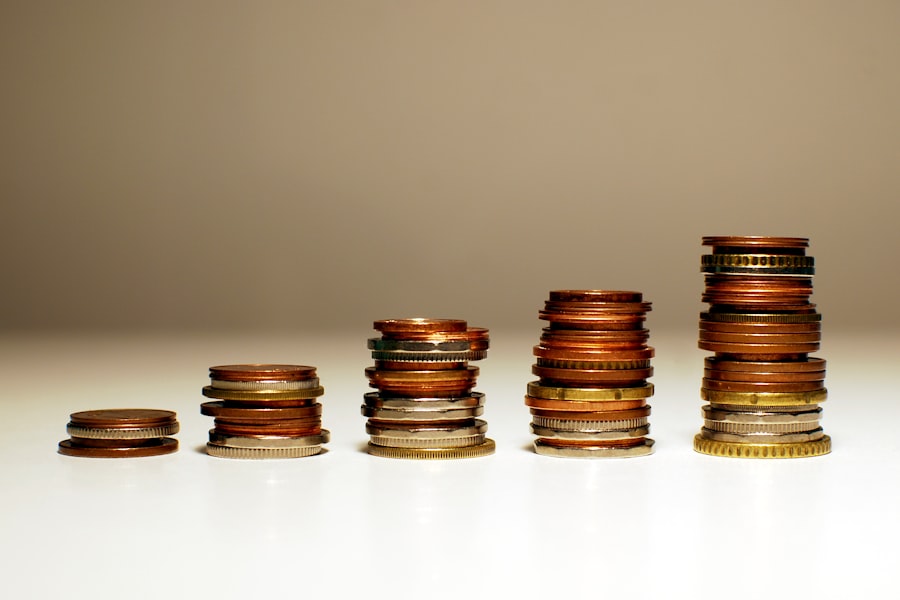
You might feel disconnected from the abstract discussions of wealth inequality. However, its tendrils reach into your everyday life in ways you might not immediately recognize.
The Price of Basic Needs: Affordability Woes
Even if you aren’t in poverty, the high cost of essential goods and services can be a direct consequence of wealth inequality.
Housing Crises: The Rent Race and the Dream of Ownership
In many areas, the escalating cost of housing is directly linked to wealth concentration. Real estate investors and wealthy individuals often drive up property values, making it increasingly difficult for average individuals and families to afford to rent or buy a home. This can force people to spend a larger portion of their income on housing, leaving less for savings, investments, or discretionary spending.
The Cost of Living: Everyday Expenses in a Stratified Society
The cost of everything from groceries to healthcare can be influenced by the overall economic stratification. When a significant portion of the population has limited purchasing power, businesses may cater to higher-paying consumers, driving up prices for everyone.
Access to Services: A Tale of Two Cities
The quality and accessibility of public services can be dramatically influenced by wealth distribution.
Public Services: The Crumbling Infrastructure and the Elite Alternative
In areas with high wealth inequality, public services like schools, parks, and public transportation may be underfunded and in disrepair, especially in lower-income neighborhoods. Wealthier communities often have the resources to supplement these services with private alternatives, creating a two-tiered system where quality of life is directly tied to economic status.
The “Two-Tiered” Society: A Stark Reality
This disparity in access to quality public services can create a tangible “two-tiered” society, where those with wealth can opt out of the public system and access superior private alternatives, further reinforcing existing inequalities.
Your Financial Future: The Struggle for Security
The broader economic landscape shaped by wealth inequality impacts your personal financial security and opportunities for growth.
The Difficulty of Building Savings: The Constant Battle
For those struggling to make ends meet, the idea of building significant savings or investments can seem like an insurmountable challenge. The economic pressures of everyday life can make it nearly impossible to set aside money for emergencies, retirement, or future opportunities.
The Impact of Economic Shocks: Vulnerability and Resilience
Individuals and families with limited wealth are far more vulnerable to economic shocks, such as job loss, medical emergencies, or recessions. Without a financial cushion, these events can lead to devastating consequences, including bankruptcy and homelessness. Those with substantial wealth, conversely, are often far more resilient to such shocks.
Wealth inequality is a pressing issue that affects societies around the world, and understanding its complexities can be challenging. For those interested in exploring this topic further, a related article can provide valuable insights into the mechanisms behind wealth distribution. You can read more about this subject in the article available at How Wealth Grows, which delves into the factors contributing to the widening gap between the rich and the poor. This resource offers a comprehensive overview that can enhance your understanding of wealth inequality and its implications for economic stability.
Can Wealth Inequality Be Addressed?
| Country | Gini Coefficient | Top 1% Wealth Share |
|---|---|---|
| United States | 0.41 | 40% |
| China | 0.46 | 30% |
| India | 0.35 | 22% |
The persistence of wealth inequality can feel overwhelming, leading to a sense of resignation. However, it’s crucial to understand that wealth inequality is not an immutable law of nature; it’s a consequence of economic and social systems that can be influenced and changed.
Progressive Taxation: Redistributing the Load
One of the most direct ways to address wealth inequality is through progressive taxation. This means that those who earn and possess more wealth contribute a higher percentage of their income and assets in taxes.
Income Tax Adjustments: Making the Rich Pay Their Fair Share
Increasing marginal tax rates on higher income brackets and closing loopholes that allow the wealthy to avoid paying taxes on their earnings can generate more revenue for public services and investments that benefit all segments of society.
Wealth and Inheritance Taxes: Targeting Accumulated Assets
Implementing or strengthening wealth taxes (taxes on an individual’s total net worth) and inheritance taxes (taxes on the money and assets passed down from a deceased person) can directly reduce the concentration of wealth and help to level the playing field.
Investing in Opportunity: Building a Stronger Foundation for All
Creating a more equitable society requires investing in opportunities for everyone, regardless of their background.
Universal Basic Income (UBI): A Safety Net for All
Concepts like Universal Basic Income (UBI), a periodic cash payment delivered to all citizens without means test or work requirement, are being explored as a way to provide a basic level of economic security, reduce poverty, and potentially stimulate economic activity. UBI could provide a crucial safety net that allows individuals to pursue education, start businesses, or weather economic downturns.
Affordable Education and Healthcare: The Pillars of Social Mobility
Making quality education and healthcare universally accessible and affordable are fundamental steps towards reducing wealth inequality. When everyone has a fair chance at acquiring knowledge and maintaining good health, their ability to succeed and accumulate wealth is significantly enhanced.
Strengthening Labor Rights and Social Safety Nets
Empowering workers and providing robust social safety nets are crucial for ensuring a fairer distribution of economic gains.
Fair Wages and Collective Bargaining: Giving Workers a Voice
Policies that support fair minimum wages, strengthen collective bargaining rights, and protect workers from exploitation can help ensure that labor receives a more equitable share of the economic pie.
Robust Social Safety Nets: Protection Against Hardship
Expanding and strengthening social safety nets, including unemployment benefits, affordable housing programs, and social assistance, provides a crucial buffer against poverty and economic hardship, preventing individuals and families from falling into deep destitution.
Understanding wealth inequality is not about pointing fingers or fostering envy. It’s about recognizing the complex dynamics that shape our economies and societies, and how these dynamics impact your own life and the lives of those around you. By grasping the nuances of this issue, you are better equipped to engage in informed discussions, advocate for policies that promote fairness, and ultimately contribute to building a more just and prosperous future for everyone.

The Wealth Ladder Is Missing a Rung
FAQs
What is wealth inequality?
Wealth inequality refers to the unequal distribution of assets and resources among individuals or groups within a society. It is often measured by comparing the wealth of the richest individuals or households to the wealth of the poorest.
What are the causes of wealth inequality?
Wealth inequality can be caused by a variety of factors, including differences in income, access to education and opportunities, inheritance, and systemic issues such as discrimination and economic policies.
How does wealth inequality impact society?
Wealth inequality can lead to social and economic disparities, including limited access to education, healthcare, and other resources for those with lower wealth. It can also contribute to social unrest and political instability.
What are some solutions to address wealth inequality?
Potential solutions to address wealth inequality include progressive taxation, policies to increase access to education and job opportunities, wealth redistribution programs, and efforts to address systemic issues such as discrimination and economic barriers.
What are some examples of wealth inequality around the world?
Wealth inequality varies widely around the world, with some countries experiencing extreme disparities in wealth distribution. For example, the richest 1% of the global population owns more wealth than the rest of the world combined, according to a report by Oxfam. In the United States, the top 1% of households own more wealth than the bottom 90% combined.