
You stand at a crossroads, a pivotal juncture in your financial journey: the age-old question of renting versus buying your home. It’s a debate that echoes through dinner table conversations, friendly chats, and the frantic scrolling of online forums. For many, it feels like a monumental decision, one that will shape your future for years to come. This isn’t a decision to be taken lightly, and understanding the nuances of each path is crucial. Forget the simplistic advice; let’s dive deep into the complexities, empowering you with the knowledge to make the choice that’s truly right for you.
This is where the rubber meets the road, and where many find themselves paralyzed by calculations. Understanding the financial implications of renting and buying is paramount. It’s not just about the monthly outgoing; it’s about the long-term implications, the hidden costs, and the potential for growth.
The Monthly Outgoings: What You Actually Pay
As a renter, your primary monthly expense is, of course, rent. This is a predictable cost, usually paid on a set date each month. It covers your right to occupy a specific property for an agreed-upon period. This predictability is a significant advantage for those who value budget stability and prefer not to tie up large sums of capital. Your rent payment is usually an expense, a cost of living, rather than an investment.
Conversely, as a homeowner, your primary outgoing is your mortgage payment. This payment is typically composed of both principal and interest. The principal portion gradually reduces the amount you owe on the loan, building equity in your home over time. The interest portion, especially in the early years of a mortgage, can be substantial. Beyond the mortgage, you’ll also be responsible for property taxes and homeowner’s insurance premiums. These are recurring costs that can fluctuate annually and are a significant part of homeownership expenses. You might also have private mortgage insurance (PMI) if your down payment is less than 20%, an additional monthly cost that disappears once you reach that equity threshold.
The Upfront Costs: The Initial Barrier
The difference in upfront costs between renting and buying is stark. Renting generally requires a security deposit, often equivalent to one or two months’ rent, and potentially the first and last month’s rent upfront. You might also have application fees or pet deposits. These are relatively modest sums compared to the significant financial commitment of buying.
Buying a home demands a much larger initial investment. The most significant component is the down payment, which can range from a few percent to 20% or more of the home’s purchase price. This is a substantial sum that requires careful saving and financial planning. Beyond the down payment, you’ll encounter closing costs. These are a collection of fees associated with finalizing your mortgage and transferring ownership. They can include appraisal fees, title insurance, attorney fees, loan origination fees, and recording fees. These costs can often add up to 2% to 5% of the loan amount, making buying a considerable financial hurdle to clear.
Building Equity: The Long-Term Financial Gain of Ownership
This is perhaps the most celebrated benefit of homeownership: building equity. As you make your mortgage payments, a portion of each payment goes towards reducing your loan balance. This means you gradually own more of your home. Over time, as your loan balance decreases and potentially as your home appreciates in value, your equity grows. This equity is essentially your ownership stake in the property and can be a significant source of wealth. It can be leveraged through home equity loans or lines of credit for various needs, or it can provide a substantial nest egg upon selling the property.
As a renter, you don’t build equity in the property you inhabit. Your rent payments are essentially an expense, with no tangible return on your investment in the property itself. While you may save money in other areas by renting, you will not accumulate personal wealth in the form of ownership in real estate.
When considering the decision between buying and renting a home, it’s essential to explore various factors that influence this choice. A comprehensive article that delves into the intricacies of this topic can be found at How Wealth Grows. This resource provides valuable insights and comparisons that can help individuals make informed decisions based on their financial situations and long-term goals.
Lifestyle Considerations: Beyond the Bottom Line
While finances are crucial, your home is also about where you live, how you live, and what makes you happy. Lifestyle factors play an equally important role in the renting versus buying decision.
Flexibility and Mobility: The Freedom to Move
Renting offers unparalleled flexibility. Leases typically last for a year or two, meaning you have the freedom to relocate with relative ease when your lease is up. This is ideal for those with careers that require frequent travel, for individuals who are just starting out and exploring different cities, or for anyone who simply enjoys the idea of not being tied down to one location. Moving as a renter is generally a straightforward process, involving giving notice to your landlord and arranging for movers.
Homeownership, on the other hand, inherently reduces your mobility. Selling a home is a complex, often lengthy, and expensive process. It involves listing your property, staging it, dealing with showings, negotiating offers, and navigating the closing process. This immobility can be a significant drawback for those who anticipate needing to move for job opportunities, family reasons, or simply a change of scenery.
Customization and Personalization: Making it Your Own
As a homeowner, you have the ultimate freedom to customize and personalize your living space. You can paint the walls any color you desire, renovate the kitchen, add a deck, landscape the garden, and truly make a house your own. This ability to imprint your personality and vision onto your home is a significant draw for many. It allows you to create a space that perfectly suits your tastes and needs.
Renters, by contrast, typically have limited options for personalization. Major renovations are usually out of the question, and even cosmetic changes like painting often require landlord approval and might need to be reversed before you move out. While you can personalize your rented space with furniture and decor, you are ultimately living within someone else’s framework.
Responsibility and Maintenance: Who Fixes What?
When you rent, the responsibility for major repairs and maintenance generally falls on the landlord. If the roof leaks, the furnace breaks, or a major appliance malfunctions, it’s typically the landlord’s job to address it. This can be a significant relief, as it means you won’t be faced with unexpected, costly repair bills. Your time is freed up, and you can focus on other aspects of your life.
As a homeowner, you are solely responsible for all maintenance and repairs. This includes everything from routine upkeep like lawn mowing and cleaning gutters to significant issues like plumbing emergencies or roof replacements. These can be costly and time-consuming. You’ll need to factor in the cost of tools, potential professional services, and your own time and effort for maintaining your property.
The Market Landscape: Factors Influencing Your Decision

The broader economic and real estate market conditions can significantly sway your decision. Understanding these external forces is crucial for making an informed choice.
The State of the Housing Market: Buying High or Low?
The price of homes fluctuates based on supply and demand, interest rates, and economic conditions. Buying when the market is low and prices are relatively inexpensive can be a smart long-term investment. You might also secure a more favorable mortgage interest rate in a down market. Conversely, buying when the market is at its peak can mean overpaying for a property and potentially facing a decline in value in the short to medium term.
For renters, a booming housing market can actually be beneficial. With fewer people able to afford to buy, demand for rental properties may increase, potentially driving up rental prices. However, in a very strong seller’s market, it might be harder to find available rental units.
Interest Rates: The Cost of Borrowing
Mortgage interest rates are a critical factor when buying. Lower interest rates make borrowing money cheaper, meaning you can afford a larger mortgage for the same monthly payment or a lower monthly payment for the same loan amount. This significantly impacts your overall cost of homeownership. Even a small difference in interest rates can translate to tens of thousands of dollars saved (or spent) over the life of a 30-year mortgage.
Renters are not directly affected by interest rates, but they can indirectly benefit from low rates as more people are able to buy homes, potentially easing pressure on rental markets. Conversely, high interest rates can make buying prohibitively expensive for many, increasing demand for rentals.
Property Value Appreciation: The Potential for Growth
Historically, real estate has been a sound long-term investment, with property values generally appreciating over time. This appreciation, coupled with principal payments on your mortgage, contributes to wealth accumulation for homeowners. Predicting future appreciation is challenging, but understanding the historical trends in your local market is important.
Renters do not benefit from property value appreciation. The value of the property you rent is irrelevant to your financial well-being, as you have no ownership stake in it.
Long-Term Goals: Aligning Your Housing with Your Future
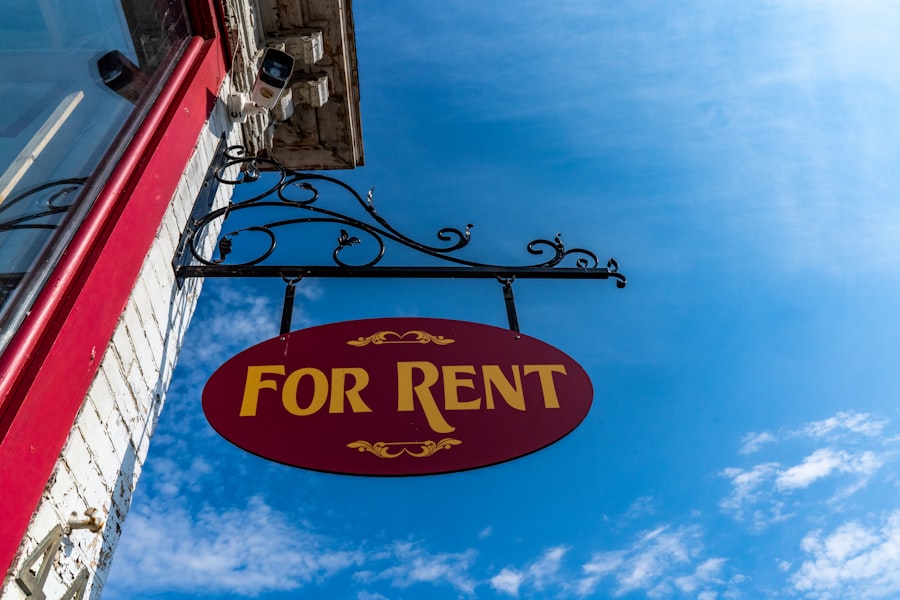
Your housing decision should align with your broader life goals. What do you envision for your future, and how does your living situation support those aspirations?
Stability and Roots: The Desire for a Permanent Residence
For many, owning a home represents stability and the desire to put down roots. It signifies a sense of permanence, a place to call your own and build a life. This feeling of security and belonging can be incredibly important for individuals and families. The ability to create a lasting home environment, invest in your community, and establish a sense of permanence is often a key driver for homeownership.
Renters, by their nature, have less permanence. While you can create a comfortable and happy life in a rented property, the understanding that you might have to move at the end of a lease can create a sense of transience.
Investment Potential: Homeownership as an Asset
For some, buying a home is viewed primarily as an investment. The hope is that the property will increase in value over time, providing a significant return on their investment. This can be a particularly attractive proposition in markets with strong historical appreciation. The equity built in a home can be a substantial part of your overall net worth.
While renting doesn’t offer direct property investment, savvy renters can invest the money they might have spent on a down payment and closing costs in other assets, such as stocks or bonds, with the aim of generating financial returns. The key is disciplined saving and investing.
Retirement Planning: Securing Your Future
The dream of a mortgage-free retirement is a powerful motivator for many homeowners. Paying off your mortgage before retirement means you can eliminate a significant monthly expense, freeing up income for living costs and leisure. This can provide a considerable sense of financial security in your later years.
Renters often face the challenge of needing to continue paying rent throughout their retirement years. This can be a substantial ongoing expense, especially if rental prices continue to rise. However, if a renter has diligently saved and invested, they might have sufficient income to cover rental expenses comfortably.
When considering the decision between buying and renting a home, it’s essential to weigh the pros and cons carefully. A related article that delves deeper into this topic can provide valuable insights and help you make an informed choice. For a comprehensive analysis, you can check out this informative piece on the subject here. Understanding the financial implications and lifestyle factors involved in both options can significantly impact your long-term financial health and personal satisfaction.
Making the Choice: Your Personalized Path Forward
| Factors | Buying | Renting |
|---|---|---|
| Ownership | Own the property | Do not own the property |
| Monthly Payments | Mortgage payments | Rental payments |
| Flexibility | Can make changes to the property | Can easily move to a new location |
| Responsibility | Responsible for maintenance and repairs | Landlord is responsible for maintenance |
| Investment | Build equity over time | No equity build-up |
Ultimately, there is no single “right” answer to the renting versus buying dilemma. The best choice for you depends on a multitude of factors, including your financial situation, your lifestyle preferences, your life stage, and your future aspirations.
Assessing Your Financial Readiness: A Realistic Look
Before you even consider buying, you need to honestly assess your financial readiness. Do you have a stable income? Have you saved enough for a down payment and closing costs? Can you afford the ongoing monthly expenses of homeownership, including mortgage, taxes, insurance, and maintenance? Don’t forget to factor in an emergency fund for unexpected home repairs or job loss. A professional financial advisor can be invaluable in helping you make this assessment.
For renters, assessing financial readiness involves ensuring you have a budget that allows for rent, living expenses, and savings. The lower upfront costs of renting might make it a more accessible option for those who are still building their financial foundation.
Understanding Your Risk Tolerance: Comfort with Uncertainty
Buying a home comes with inherent risks, such as declining property values or unexpected repair costs. Renting generally offers less financial risk, as your primary monthly expense is fixed by your lease. Consider your comfort level with uncertainty and your ability to weather potential financial shocks.
The Hybrid Approach: Can You Combine the Best of Both?
Sometimes, the ideal solution isn’t a strict “either/or.” Perhaps you can rent for a few more years to save a larger down payment for a future purchase. Or, you might consider buying a multi-unit property, living in one unit, and renting out the others to help cover your mortgage expenses. Explore creative solutions that might blend the advantages of both renting and buying.
The renting versus buying dilemma is a complex tapestry woven with financial threads, lifestyle choices, and future aspirations. By understanding each strand, you can begin to weave your own custom solution, one that leads you to the living situation that truly empowers you to thrive. Take your time, do your research, and most importantly, listen to your gut. This is your journey, and the right path is the one that leads you to your own definition of home.

The Wealth Ladder Is Missing a Rung
FAQs
1. What are the advantages of buying a property?
– Building equity over time
– Potential for property appreciation
– Freedom to make renovations and modifications
– Stability and control over living situation
2. What are the advantages of renting a property?
– Flexibility to move without the hassle of selling a property
– No responsibility for maintenance and repairs
– Lower upfront costs compared to buying
– Ability to live in a desirable location without the commitment of ownership
3. What are the disadvantages of buying a property?
– Upfront costs such as down payment, closing costs, and property taxes
– Responsibility for maintenance and repairs
– Potential for property value to decrease
– Limited flexibility to move without selling the property
4. What are the disadvantages of renting a property?
– No opportunity to build equity
– Rent payments do not contribute to ownership
– Limited control over property modifications
– Potential for rent increases and lease restrictions
5. How do I decide whether to buy or rent a property?
– Consider your long-term financial goals and stability
– Evaluate the real estate market and rental market in your desired location
– Calculate the costs of buying versus renting, including upfront expenses and ongoing expenses
– Assess your lifestyle and future plans for potential relocation or property investment