
You’re standing at the precipice of a decision that feels monumental, brimming with both excitement and a healthy dose of trepidation: diving into the real estate market. Whether you’re a first-time homebuyer dreaming of your own slice of paradise, an seasoned investor seeking to grow your portfolio, or a seller looking to capitalize on market conditions, understanding the intricate dance of real estate can feel like deciphering an ancient code. But fear not, because this guide is your Rosetta Stone, designed to equip you with the knowledge and confidence to navigate these waters with proficiency and foresight. You’re not just buying or selling property; you’re making a significant investment, a life-altering decision, and approaching it with clarity is paramount. Let’s begin the process of decoding.
For those looking to gain a deeper understanding of the real estate market, a related article that provides valuable insights is available at How Wealth Grows. This resource delves into various aspects of real estate investment, market trends, and strategies for success, making it an excellent complement to your knowledge on the subject. Whether you’re a seasoned investor or just starting out, this article can help you navigate the complexities of the real estate landscape.
Understanding the Fundamentals: Laying the Foundation for Your Real Estate Journey
Before you can truly decode the real estate market, you need to grasp its core components. Think of this as understanding the alphabet before you can read a novel. This isn’t about memorizing jargon; it’s about building a solid conceptual framework.
The Key Players: Who’s Involved in a Real Estate Transaction?
Every transaction involves a cast of characters, each with their own motivations and expertise. Knowing who they are and what they do will make the process less opaque.
Buyers: Your Aspirations and Objectives
You, the buyer, are at the heart of this. What are you looking for? Is it a starter home, a family haven, a fixer-upper with renovation potential, or a vacation retreat? Your personal situation – your income, savings, credit score, and lifestyle needs – dictates the type of property you should be considering. Understanding your budget is the absolute first step, encompassing not just the mortgage payment but also property taxes, insurance, and potential HOA fees.
Sellers: Their Motivations and Strategies
The seller is your counterpart. Their reasons for selling are as varied as buyers’ reasons for buying. They might be upsizing, downsizing, relocating for work, or cashing in on market appreciation. Their motivation can influence their willingness to negotiate and their timeframe. A seller who needs to move quickly might be more open to a slightly lower offer than someone who can afford to wait for the perfect buyer.
Real Estate Agents/Brokers: Your Guides and Negotiators
These professionals are the seasoned navigators of the real estate landscape. A good agent understands market trends, has access to listings, and can guide you through the complex paperwork. For buyers, they’ll help you find properties that fit your criteria and budget, and crucially, they’ll negotiate on your behalf. For sellers, they’ll help you price your home competitively, market it effectively, and manage showings and offers. Choosing the right agent is a critical decision; look for experience, a strong track record, and someone you trust.
Lenders/Mortgage Brokers: The Gatekeepers of Financing
Unless you’re paying cash, your ability to purchase a property hinges on financing. Lenders and mortgage brokers are essential. They assess your financial health, determine your loan eligibility, and offer various mortgage products. Understanding different loan types (fixed-rate, adjustable-rate, FHA, VA) and their implications is vital for securing the best possible financing.
Inspectors and Appraisers: The Independent Verifiers
These professionals provide objective assessments of the property’s condition and value. A home inspector will identify any potential structural issues, maintenance needs, or safety concerns. An appraiser determines the property’s fair market value, which is crucial for lenders to approve your loan. Their findings can impact the negotiation process significantly.
Attorneys/Escrow Officers: The Guardians of the Transaction
At various stages, legal and financial professionals ensure the transaction is handled correctly and legally. An attorney can review contracts and advise on legal matters, while an escrow officer or title company holds funds and documents and facilitates the closing process, ensuring all conditions are met before the property title is transferred.
Supply and Demand: The Eternal Balancing Act
At its core, the real estate market operates on the fundamental economic principle of supply and demand. This simple concept, however, has profound implications for pricing and availability.
Understanding Inventory: The “Available Homes” Metric
Inventory refers to the number of homes currently listed for sale in a given area. High inventory generally means more choices for buyers and can lead to more competitive pricing as sellers vie for attention. Low inventory, conversely, often leads to bidding wars and rising property values, as buyers compete for a limited number of homes.
Buyer Demand: The Driving Force Behind Sales
Buyer demand represents the number of people actively looking to purchase homes. Strong demand, coupled with low inventory, creates a seller’s market. Weak demand, especially when inventory is high, tips the scales in favor of buyers, leading to a buyer’s market.
Market Dynamics: Seller’s vs. Buyer’s Markets
- Seller’s Market: Characterized by low inventory and high buyer demand. Properties tend to sell quickly, often above asking price, with fewer contingencies. For sellers, this is an opportune time to list. For buyers, it requires swift action, strong offers, and potentially waiving some contingencies to remain competitive.
- Buyer’s Market: Defined by high inventory and low buyer demand. Properties tend to sit on the market longer, and sellers may be more open to negotiations and price reductions. Buyers have more leverage and can often find deals.
- Balanced Market: A healthy market where supply and demand are relatively equal. This usually results in stable price appreciation and a more predictable transaction process.
Navigating the Currents: Factors that Influence Real Estate Values

The price you pay or receive for a property isn’t arbitrary. Numerous factors, both micro and macro, contribute to its valuation. Understanding these influences will empower you to make informed decisions.
Location, Location, Location: The Golden Rule
This adage is a cliché for a reason. The desirability of a neighborhood is a primary driver of property values.
Neighborhood Amenities and Infrastructure
Proximity to good schools, public transportation, parks, shopping centers, and healthcare facilities significantly boosts a property’s appeal and value. Well-maintained infrastructure, such as roads and utilities, also plays a crucial role.
Crime Rates and Safety Perceptions
A safe and secure neighborhood is a paramount consideration for most buyers. Areas with lower crime rates and a reputation for safety generally command higher property values.
Future Development and Urban Planning
Anticipated future developments, such as new commercial centers, infrastructure upgrades, or urban renewal projects, can positively impact property values, even before they are completed. Conversely, planned developments that may negatively affect the area (e.g., a new highway) can depress values.
Economic Indicators: The Broader Economic Landscape
The health of the overall economy has a direct correlation with the strength of the real estate market.
Interest Rates and Mortgage Accessibility
Lower interest rates make mortgages more affordable, increasing buyer purchasing power and stimulating demand. Conversely, rising interest rates can cool the market by making borrowing more expensive. Mortgage accessibility – the ease with which buyers can qualify for loans – is also a key factor.
Employment Rates and Job Growth
A strong job market with consistent employment growth is a cornerstone of a healthy real estate market. When people have secure jobs and a stable income, they are more likely to invest in housing.
Inflation and Cost of Living
Inflation can impact the cost of building materials and labor, potentially influencing new construction prices. A high cost of living in an area might also affect housing affordability.
Property-Specific Attributes: The Intrinsic Value of a Home
Beyond location and economic forces, the physical characteristics of a property are fundamental to its value.
Size, Age, and Condition of the Property
Larger homes and newer properties often come with higher price tags, assuming they are in good condition. The overall condition, including the state of the roof, foundation, plumbing, and electrical systems, significantly impacts value.
Features and Renovations: Adding Value
Desirable features like updated kitchens and bathrooms, energy-efficient appliances, a well-maintained yard, or added living space (e.g., a finished basement) can substantially increase a property’s value. Well-executed renovations can command a higher selling price.
Architectural Style and Curb Appeal
Certain architectural styles are more desirable in particular regions. Excellent curb appeal – the visual attractiveness of a home from the street – can also make a significant difference in its perceived value and sales speed.
Decoding Market Trends: Identifying Opportunities and Pitfalls
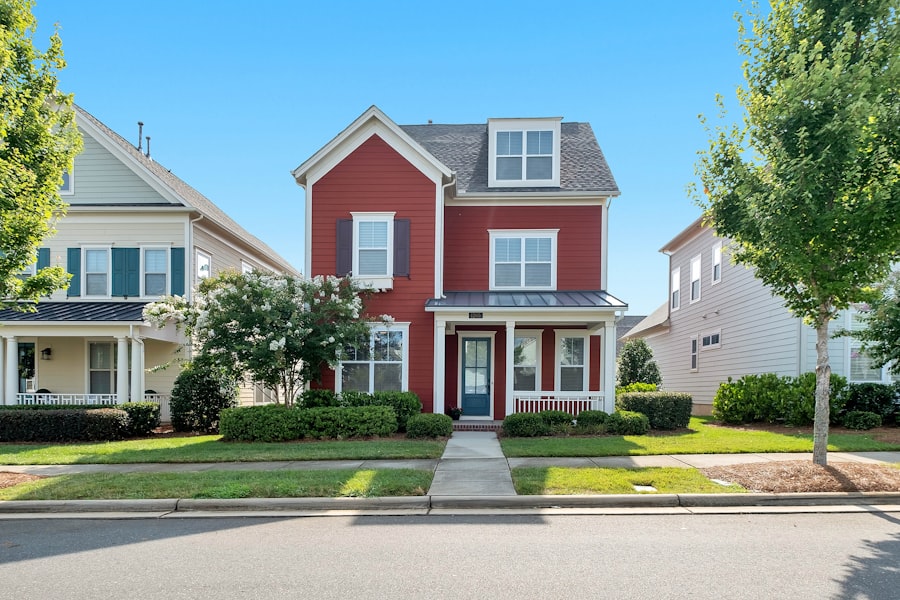
Real estate markets are not static; they are dynamic entities constantly influenced by a multitude of forces. Recognizing these trends is like having a crystal ball for your property transactions.
Market Cycles: The Inevitable Ups and Downs
Real estate markets tend to move in cycles, characterized by periods of growth, stability, and contraction. Understanding where you are in the cycle is crucial.
Expansionary Phase: Rising Prices and High Demand
During this phase, property values increase, and demand outstrips supply. Sellers often achieve premium prices, and bidding wars are common. This is a lucrative time for investors and sellers.
Peak Phase: Prices Stabilize or Plateau
The rate of price increase slows down, and the market becomes more balanced. Inventory may start to rise as sellers try to capitalize on high prices, and buyers become more cautious.
Contractionary Phase: Falling Prices and Reduced Demand
Prices begin to decline, and demand weakens. This is often triggered by economic downturns, rising interest rates, or an oversupply of homes. Buyers may find more opportunities, but sellers might have to accept lower offers.
Trough Phase: Lowest Prices and Limited Activity
The market hits its lowest point. Prices are at their weakest, and activity is sluggish. This can be an opportune time for determined buyers to secure distressed properties at significant discounts, but it carries higher risk.
Localized Market Analysis: Beyond the National Picture
It’s a common misconception that the real estate market is a monolithic entity. In reality, it’s a mosaic of localized markets, each with its own unique dynamics.
Regional Differences: From Urban Centers to Rural Outposts
The real estate market in a bustling metropolitan area will differ vastly from that of a quiet rural town. Factors like population density, economic drivers, and lifestyle preferences create distinct market conditions.
Neighborhood-Specific Trends: Micro-Markets Within a City
Even within the same city, individual neighborhoods can exhibit wildly different market performance. A trendy, up-and-coming neighborhood might see rapid appreciation, while an established but aging area might experience slower growth or even decline.
Data and Analytics: Your Modern-Day Compass
The days of relying solely on gut instinct are over. Modern real estate success hinges on data-driven decision-making.
Understanding Comparable Sales (Comps): The Benchmark for Value
“Comps” are recent sales of similar properties in the same area. Analyzing comps is essential for both buyers and sellers to determine a property’s fair market value. You’ll want to consider factors like square footage, number of bedrooms and bathrooms, lot size, condition, and recent renovations.
Analyzing Market Reports and Statistics: The Big Picture View
Real estate boards, government agencies, and private firms publish invaluable market reports. These reports often provide data on median home prices, average days on market, inventory levels, and sales volume, offering a comprehensive overview of market health.
The real estate market can often seem complex, but understanding its dynamics is crucial for making informed investment decisions. For those looking to delve deeper into this topic, a related article provides a comprehensive overview of market trends and investment strategies. You can explore it further by visiting this insightful piece on real estate at How Wealth Grows. This resource can help clarify various aspects of the market and equip you with the knowledge needed to navigate your investment journey effectively.
Securing Your Investment: Financing and the Path to Ownership
| Metrics | Data |
|---|---|
| Median Home Price | 300,000 |
| Average Days on Market | 45 days |
| Inventory Level | Low |
| Homeownership Rate | 64% |
The dream of homeownership or expanding your investment portfolio is often realized through financing. Understanding the financial aspects is as crucial as understanding the property itself.
Mortgages: Your Key to Owning Property
A mortgage is a loan secured by the property itself. It’s the most common way individuals finance real estate purchases.
Types of Mortgages: Finding the Right Fit for You
- Fixed-Rate Mortgages: Offer predictable monthly payments for the life of the loan, providing stability.
- Adjustable-Rate Mortgages (ARMs): Have initial fixed rates that adjust periodically, potentially leading to lower initial payments but also the risk of future increases.
- FHA Loans: Insured by the Federal Housing Administration, these loans are designed for borrowers with lower credit scores and smaller down payments.
- VA Loans: Backed by the U.S. Department of Veterans Affairs, these loans offer favorable terms for eligible veterans and active-duty military personnel.
Down Payments and Closing Costs: Preparing Your Finances
Your down payment is the portion of the purchase price you pay upfront. Closing costs are a collection of fees associated with finalizing the transaction, including appraisal fees, title insurance, and loan origination fees. It’s essential to budget for both.
Pre-Approval vs. Pre-Qualification: Gauging Your Borrowing Power
- Pre-Qualification: A preliminary assessment of your ability to borrow based on information you provide. It’s a good starting point but not a guarantee of a loan.
- Pre-Approval: A more thorough evaluation of your financial situation by a lender. It involves a credit check and verification of your income and assets, providing a strong indication of the loan amount you can expect. Getting pre-approved signals to sellers that you are a serious and qualified buyer.
Investment Properties and Financing: A Different Ball Game
Financing an investment property often differs from financing a primary residence. Lenders may require higher down payments and look at rental income potential when assessing loan applications.
The Art of Negotiation: Securing the Best Deal for You
Once you’ve found the property and secured your financing, the negotiation phase begins. This is where your understanding of market dynamics and your own objectives come into play.
Making an Offer: Your Opening Gambit
Your offer is a formal proposal to purchase the property. It includes the price you’re willing to pay, your proposed closing date, any contingencies, and your earnest money deposit (a good-faith deposit).
Contingencies: Protecting Your Investment
Contingencies are conditions that must be met for the sale to proceed. Common contingencies include:
- Financing Contingency: Allows you to withdraw from the sale if you cannot secure financing.
- Inspection Contingency: Gives you the opportunity to have the property professionally inspected and potentially renegotiate or withdraw if significant issues are found.
- Appraisal Contingency: Ensures the property appraises for at least the purchase price, protecting you from overpaying.
Earnest Money Deposit: Demonstrating Serious Intent
This deposit, held in an escrow account, signifies your commitment to the purchase. The amount varies but is typically 1-3% of the purchase price.
Counteroffers and Rejection: The Negotiation Dance
The seller may accept your offer, reject it outright, or issue a counteroffer, proposing different terms. This back-and-forth is the heart of negotiation.
Responding to a Counteroffer: Finding Common Ground
Carefully review any counteroffer and consider your negotiation strategy. You can accept it, reject it, or make another counteroffer. Identifying areas where you’re willing to compromise and where you’ll stand firm is key.
Leveraging Market Conditions: Knowing When to Push and When to Fold
In a strong seller’s market, your leverage will be limited. In a buyer’s market, you’ll have more room to negotiate on price and terms. Understanding the current market dynamics will inform your negotiation tactics.
The Final Stretch: Closing the Deal
Once all terms are agreed upon, the transaction moves towards closing. This involves completing all necessary paperwork, transferring funds, and officially handing over the keys.
Title Transfer and Deed: The Official Change of Ownership
The title is the legal evidence of ownership. The deed is the document that transfers ownership from the seller to the buyer.
Final Walk-Through: A Last Look Before Sealing the Deal
Before closing, you’ll typically conduct a final walk-through to ensure the property is in the agreed-upon condition and that any requested repairs have been made.
By understanding these elements, you’re no longer a passive observer in the real estate market; you’re an informed participant, armed with the knowledge to make sound decisions. Decoding the market isn’t about predicting the future with certainty, but about understanding the forces at play and using that understanding to your advantage. Your real estate journey, whether for a new home or an investment, is about to become significantly clearer.

The Wealth Ladder Is Missing a Rung
FAQs
What is the real estate market?
The real estate market refers to the buying and selling of property, including land and buildings. It is influenced by various factors such as economic conditions, government policies, and consumer demand.
What factors influence the real estate market?
Several factors can influence the real estate market, including interest rates, employment levels, consumer confidence, and supply and demand for properties. Additionally, government policies and zoning regulations can also impact the market.
How does supply and demand affect the real estate market?
Supply and demand play a significant role in the real estate market. When there is high demand for properties but limited supply, prices tend to rise. Conversely, when there is an oversupply of properties and low demand, prices may decrease.
What are the different types of real estate markets?
There are three main types of real estate markets: the buyer’s market, the seller’s market, and the balanced market. In a buyer’s market, there are more properties available than there are buyers, leading to lower prices. In a seller’s market, there are more buyers than available properties, leading to higher prices. A balanced market occurs when the supply of properties is roughly equal to the demand.
How does the real estate market impact the economy?
The real estate market can have a significant impact on the overall economy. It contributes to economic growth through construction and development activities, creates jobs, and affects consumer spending and wealth. Additionally, fluctuations in the real estate market can influence consumer confidence and investment decisions.