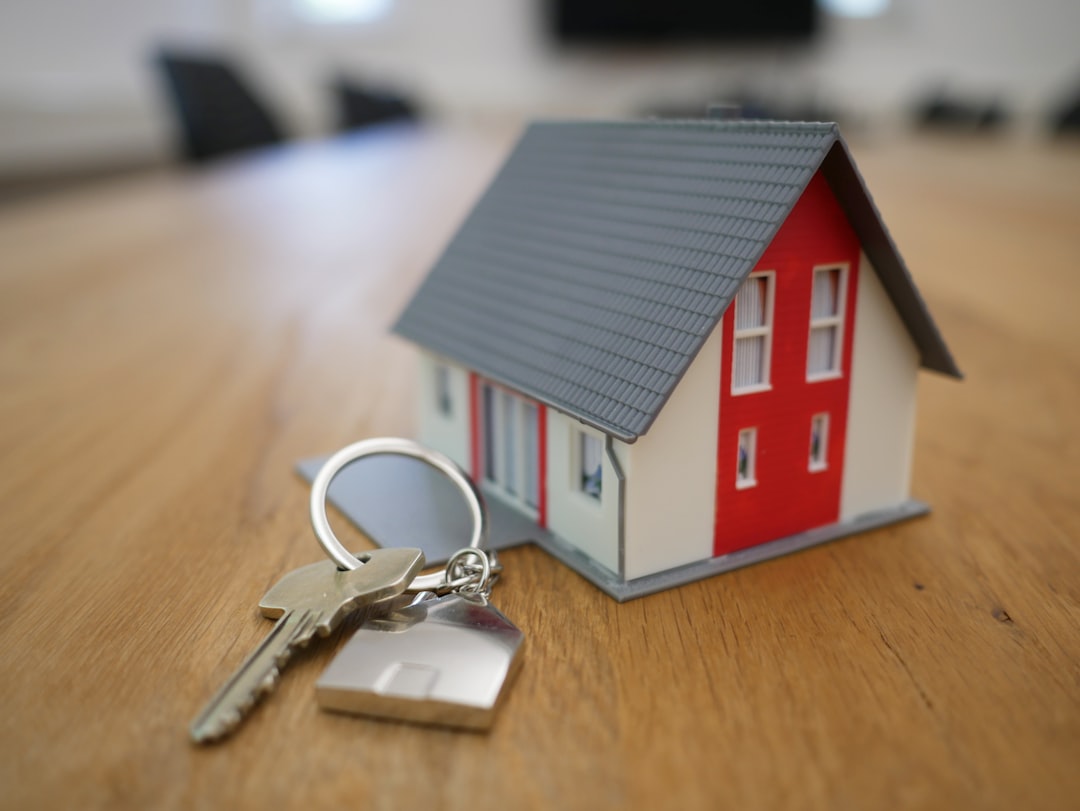
You’ve dreamed of it, haven’t you? That tangible symbol of stability, that space uniquely yours, the place where memories are etched into the very walls. Homeownership. For generations, it felt like a rite of passage, a cornerstone of the American Dream. But lately, you’ve been noticing it – the growing chasm between that hopeful aspiration and the stark reality. The path to owning your own home feels less like a paved road and more like a treacherous climb, fraught with obstacles you might not have anticipated. It’s not just you; the increasing difficulty of homeownership is a sentiment echoed across the country, a quiet but persistent anxiety for many.
In recent years, the challenges of buying a house have intensified due to various economic factors, making it increasingly difficult for prospective homeowners to enter the market. A related article discusses these hurdles in detail, highlighting issues such as rising interest rates, inflation, and limited housing inventory. For more insights on this topic, you can read the article here: Why Buying a House is Harder.
The Rising Tide of Prices: When Your Budget Becomes a Mirage
You see it in the listings, you hear it on the news, and you feel it every time you get pre-approved for a mortgage. Housing prices have, in many areas, hit stratospheric levels. It’s no longer a matter of finding a “fixer-upper” to get your foot in the door; even modest starter homes are commanding prices that once bought much larger, more established properties. This isn’t just a seasonal fluctuation; it’s a fundamental shift that makes the initial hurdle of acquiring a home feel insurmountable.
Inflation’s Insidious Grip
You’ve likely felt inflation’s sting in other areas of your life – at the grocery store, at the gas pump. But when it comes to housing, its impact is amplified, not just on the purchase price but on the ongoing costs of ownership as well. The general increase in the cost of goods and services translates directly into higher material and labor costs for construction, which in turn drives up the price of new homes. Existing homes, too, see their value inflated as the cost of repairs and renovations climbs.
The Ripple Effect on Renovation Costs
Thinking about a more affordable property that needs some work? You’re not alone. Many prospective buyers look to sweat equity as a way to get into a home. However, the cost of materials like lumber, drywall, and even paint has seen significant increases. Add to that the higher wages demanded by skilled tradespeople who are in high demand, and your renovation budget quickly balloons, turning that seemingly good deal into a financial black hole.
The Unrelenting Demand: A Seller’s Market That Won’t Quit
Even as prices soar, the demand for housing in many desirable areas remains robust. This persistent demand, fueled by various factors, keeps bidding wars alive and pushes prices ever higher. You might find yourself in a situation where you’re competing against numerous other buyers, waving your figurative flag of desirability and seeing your dream home snatched up by someone willing to go the extra mile (or dollar).
Low Inventory as a Catalyst
A key driver of this high demand is often a lack of available homes on the market. When there aren’t enough houses to go around, the few that are available become highly sought-after. This scarcity can be due to a variety of reasons, including homeowners holding onto their properties longer, a slowdown in new construction, or even external economic factors that make people hesitant to sell. For you, this means fewer options and more competition.
The Investment vs. Primary Residence Conundrum
In many markets, you’re not just competing with other first-time homebuyers or families looking for a primary residence. You’re also up against investors, both individual and institutional, who see real estate as a lucrative investment. These investors often have more capital at their disposal and can make offers that are more attractive to sellers, further squeezing out those looking to buy a place to live.
The Straitened Affordability Landscape: Your Paycheck vs. The Price Tag
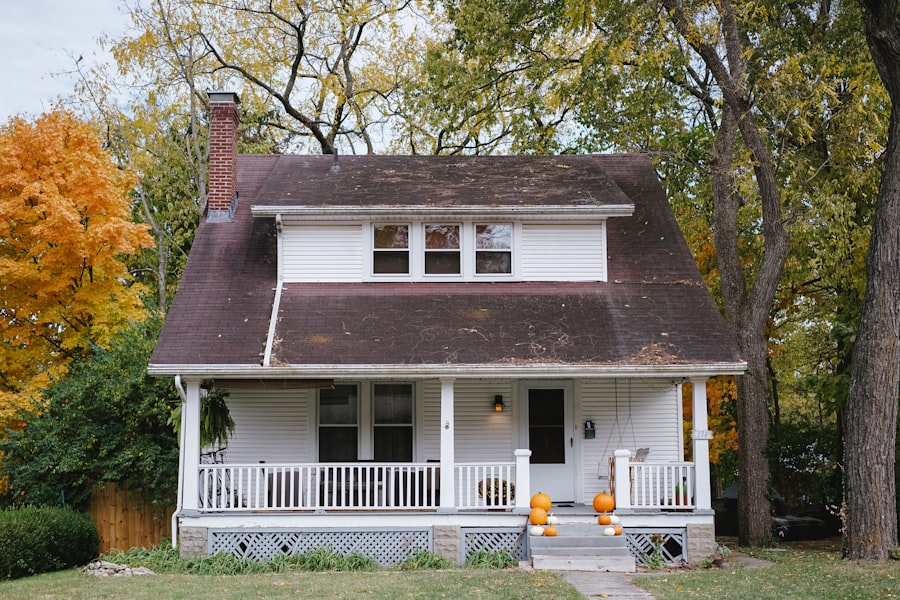
It’s not just the sticker price; it’s the entire financial equation of homeownership that feels increasingly out of reach. Your hard-earned paycheck, even if it’s grown over the years, often feels like it’s shrinking in purchasing power when confronted with current housing costs. The dream of a manageable mortgage payment can feel like a distant memory.
The Stagnant Wage Growth Dilemma
While housing prices have been on a steady upward trajectory, wage growth for many has not kept pace. This widening gap means that a larger percentage of your income is now required to afford a home. What was once a comfortable 25-30% of income dedicated to mortgage payments might now necessitate 40-50% or even more, leaving less for other essential expenses and savings.
The Cost of Living Beyond the Mortgage
It’s easy to get fixated on the principal and interest of a mortgage, but homeownership encompasses a broader spectrum of financial obligations. Property taxes, homeowner’s insurance, maintenance, and potential repairs all contribute to the monthly cost of keeping your home. When your core mortgage payment is already pushing your budget to its limits, these additional costs can become overwhelming.
The Elusive Down Payment: The First Big Hurdle
The down payment remains one of the most significant barriers to entry for many aspiring homeowners. Saving enough for a 20% down payment, which allows you to avoid private mortgage insurance (PMI), can feel like an almost insurmountable task, especially when rent and other living expenses consume a large portion of your income. Even lower down payment options often come with their own set of challenges.
The Trade-offs of Saving
You might be diligently saving, meticulously budgeting, and making sacrifices. But the sheer scale of the required down payment means that years of deferred gratification are often necessary. This can put your life goals on hold – perhaps delaying starting a family, traveling, or even simply enjoying your discretionary income. The opportunity cost of saving for a down payment is a real and often painful trade-off.
The Impact of Student Loan Debt
For a generation burdened by significant student loan debt, the prospect of saving for a down payment becomes even more challenging. These monthly loan payments reduce your disposable income and can also impact your debt-to-income ratio, making it harder to qualify for a mortgage in the first place.
The Lending Landscape: Navigating an Increasingly Complex System

Obtaining a mortgage is a critical step, and the lending environment itself can present its own set of difficulties. Lenders have become more cautious, and the criteria for approval can seem more stringent than in previous years, especially for those with less-than-perfect credit profiles or non-traditional income sources.
Stricter Underwriting Standards
In the wake of past financial crises, mortgage lenders have implemented more rigorous underwriting processes. This means they scrutinize your credit history, income stability, and debt-to-income ratio with a fine-tooth comb. Even a minor slip-up in your financial past can hinder your ability to secure a loan, or at least one with favorable terms.
The Importance of a Pristine Credit Score
You’ve probably heard “credit score” thrown around a lot. It’s the gatekeeper to many financial opportunities, and when it comes to mortgages, its importance is paramount. A lower credit score can mean a higher interest rate, which translates into tens of thousands of dollars more paid over the life of the loan.
The Debt-to-Income Ratio Tightrope
Lenders use your debt-to-income ratio (DTI) to assess your ability to manage monthly payments. This ratio compares your total monthly debt obligations (including your potential mortgage payment) to your gross monthly income. Even if you have a good income, existing debts like car loans or credit card balances can push your DTI too high, making you ineligible for a mortgage or limiting the amount you can borrow.
The Rising Interest Rate Environment
The era of historically low interest rates that many previous generations enjoyed is, for now, likely a thing of the past. As central banks have increased interest rates to combat inflation, mortgage rates have followed suit. Even a seemingly small increase in the interest rate can significantly impact your monthly payment and the overall cost of your home.
The Magnified Impact on Your Monthly Payment
Imagine two identical homes. One with a 3% interest rate and another with a 6% interest rate. Over 30 years, the difference in your monthly payment, and the total interest paid, can be staggering. This means that the home you might have been able to afford a few years ago with a lower interest rate might now be out of reach in today’s environment.
The Consequence for Affordability Calculations
When you’re calculating how much home you can afford, interest rates play a pivotal role. Higher rates mean you can borrow less for the same monthly payment, effectively reducing your purchasing power. You might have to compromise on size, location, or amenities to stay within your budget.
In today’s market, many potential homeowners are finding it increasingly difficult to purchase a house due to rising prices and limited inventory. A related article discusses the various factors contributing to this trend, highlighting how economic shifts and changing demographics are influencing the housing landscape. For a deeper understanding of these challenges, you can read more in this insightful piece on wealth growth strategies at How Wealth Grows. This resource provides valuable information that can help prospective buyers navigate the complexities of homeownership in a competitive environment.
The Construction Conundrum: Why New Homes Aren’t Always the Answer
| Reasons Why Buying a House is Harder |
|---|
| 1. Rising property prices |
| 2. Tighter lending requirements |
| 3. High competition from other buyers |
| 4. Limited housing inventory |
| 5. Increasing interest rates |
| 6. Difficulty saving for a down payment |
You might think that in a market with high prices for existing homes, the solution lies in building new ones. However, the construction industry faces its own set of challenges that often make new homes just as, if not more, expensive. You’re not seeing a flood of affordable new constructions popping up on every block for good reason.
The Scarcity of Land and Labor
The cost of land in desirable areas has skyrocketed, making it a significant expense for developers. Furthermore, the construction industry is grappling with a shortage of skilled labor. This scarcity drives up wages for construction workers, adding to the overall cost of building a home.
The High Cost of Prime Real Estate
Developers need to acquire land to build on, and in competitive markets, this land comes at a premium. This cost is then passed on to the buyer, making even basic new construction in a good location a significant investment.
The Skilled Trades Shortage
You’ve likely heard about the shortage of skilled tradespeople – electricians, plumbers, carpenters, and the like. This is a persistent issue that drives up labor costs and can also lead to project delays. When it comes to building a new home, these factors are directly reflected in the final price.
The Regulatory and Permitting Maze
The process of getting a new home built often involves navigating a complex web of regulations and permits. These bureaucratic hurdles can add time and cost to the construction process, which ultimately impacts the final price you pay.
Time is Money in Construction
Every delay caused by permits, inspections, or zoning issues translates into additional costs for the builder. These costs are inevitably factored into the price of the home, making the entire process more expensive for you as the buyer.
The Psychic and Social Toll: More Than Just Numbers
The increasing difficulty of homeownership isn’t just about financial spreadsheets and interest rates. It’s also about the emotional and psychological toll it takes. The stress, the uncertainty, and the feeling of being priced out can impact your well-being and your perception of the future.
The Erosion of the American Dream
For many, the idea of owning a home is deeply intertwined with the concept of the American Dream – a symbol of success, stability, and the ability to build wealth. When this dream becomes increasingly unattainable, it can lead to feelings of disillusionment and frustration, questioning the very foundations of upward mobility.
The Generational Divide
You might see your parents or grandparents talking about how they bought their first home with relative ease, often with a much smaller down payment and a more manageable mortgage. This generational divide can be a source of envy and a stark reminder of how much the landscape has changed, making you feel like the goalposts have been moved unfairly.
The Mental Health Impact of Constant Struggle
The relentless pursuit of homeownership – the endless searching, the competitive bidding, the financial anxieties – can take a significant toll on your mental health. The stress of potentially being priced out, the time spent away from other aspects of your life, and the feeling of being in a constant uphill battle can lead to burnout, anxiety, and even depression.
The Cycle of Renting and Its Downsides
While renting offers flexibility, it also means you’re not building equity. For many, this feels like paying someone else’s mortgage while their own path to ownership remains elusive. The uncertainty of rent increases and the lack of control over your living space can add to the mental strain.
The Growing Sense of Insecurity
Homeownership has traditionally been viewed as a secure investment and a stable foundation. When that foundation feels increasingly out of reach, it can create a pervasive sense of insecurity about your future financial well-being and your ability to establish roots in a community.
The journey to homeownership is undeniably more challenging today. The rising tide of prices, the straits of affordability, the complexities of the lending landscape, the hurdles in construction, and the profound psychic toll all contribute to a difficult reality. But understanding these challenges is the first step in navigating them. It requires a reevaluation of your expectations, a meticulous approach to your finances, and a resilient spirit. The dream of owning your own home may be harder to grasp, but by acknowledging the shifting sands beneath your feet, you can begin to chart a more informed and perhaps, ultimately, successful path forward.

The Wealth Ladder Is Missing a Rung
FAQs
1. Why is buying a house harder now?
Buying a house is harder now due to factors such as rising home prices, limited inventory, and stricter lending requirements.
2. What impact do rising home prices have on buying a house?
Rising home prices make it harder for potential buyers to afford a home, especially for first-time buyers or those with lower incomes.
3. How does limited inventory affect the process of buying a house?
Limited inventory means there are fewer homes available for sale, leading to increased competition among buyers and potentially higher prices.
4. What are some of the stricter lending requirements that make buying a house more difficult?
Stricter lending requirements, such as higher credit score and larger down payment requirements, can make it harder for some buyers to qualify for a mortgage.
5. Are there any other factors contributing to the difficulty of buying a house?
Other factors contributing to the difficulty of buying a house include stagnant wages, student loan debt, and the overall affordability of housing in certain markets.