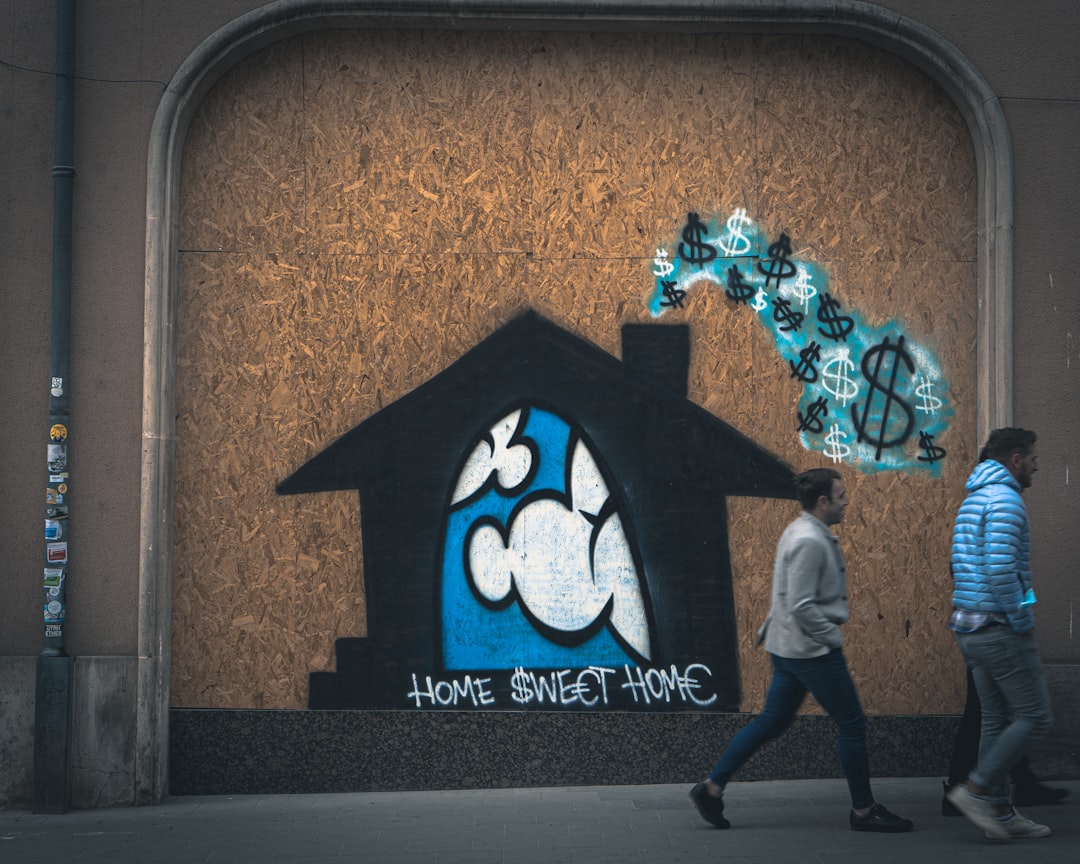
The dream of homeownership often feels like a distant fantasy. You see the “For Sale” signs, you scroll through the listings online, and the numbers that stare back at you are, quite frankly, astronomical. You ask yourself, “How did it get this way?” and “What is making these homes so incredibly expensive?” You’re not alone in your bewilderment. The high cost of homes is a complex issue, fueled by a confluence of interconnected factors that have pushed prices upwards, making it a significant hurdle for many aspiring homeowners. Understanding these drivers is the first step to navigating this challenging market.
You’ve likely experienced this firsthand – the frustration of seeing a desirable property go under contract within days, often with multiple offers. This intense competition is a direct symptom of a fundamental imbalance: demand for housing significantly outstrips the supply of available homes. This isn’t a new phenomenon, but rather a persistent issue that has been exacerbated by a variety of contributing elements.
Population Growth and Shifting Demographics
Think about how many people live in your area. Is it growing? Demographers point to consistent population growth as a primary driver of housing demand. More people moving into a region, whether for job opportunities, better quality of life, or family ties, naturally translates into a greater need for places to live.
Millennials Entering the Homebuying Market
A significant portion of this demand comes from the millennial generation, who are now entering their prime homebuying years. Having previously been burdened by student loan debt and delayed marriage and family formation, many are now actively seeking to establish roots. This large cohort entering the market simultaneously creates a surge in buying power, intensifying competition for the available housing stock. You’re competing not just with individuals but with an entire demographic wave.
Urbanization and the Appeal of City Living
You might observe a trend of people flocking to urban centers. Cities often offer more job opportunities, vibrant cultural scenes, and diverse amenities, making them attractive places to live. This urbanization effect concentrates demand in specific geographic areas, driving up prices in desirable city locations and their surrounding suburbs. You’re not just buying a house; you’re buying into a lifestyle, and that comes with a premium.
Investment and Speculation: Homes as Assets
It’s not just individuals looking for a place to live who are fueling demand. You might have heard stories of investors buying up properties. In today’s economic climate, real estate is often viewed as a relatively stable and potentially lucrative investment. This perception, coupled with low interest rates in recent years, has attracted both individual and institutional investors to the housing market.
The Rise of Institutional Investors
Large investment firms are increasingly purchasing single-family homes, often in bulk, converting them into rental properties. While this can provide rental options, it also directly removes homes from the market that could otherwise be purchased by owner-occupiers. You’re now in direct competition with entities that have significant financial resources and a profit motive.
Short-Term Rental Platforms
The proliferation of platforms like Airbnb has also contributed to the demand-supply imbalance. Many homeowners have converted their properties, or even built new ones, solely for short-term rentals. This reduces the long-term housing supply available for residents, further constricting the market and pushing up prices for permanent homes. You might find yourself competing against someone who wants to turn a house into a profitable vacation spot rather than a home for a family.
The ongoing rise in home prices can be attributed to a variety of factors, including limited housing supply, increased demand, and rising construction costs. For a deeper understanding of the economic forces at play and how they contribute to the current housing market dynamics, you can read a related article on this topic at How Wealth Grows. This resource provides valuable insights into the complexities of home affordability and the broader implications for potential buyers.
The Supply Side Squeeze: Why New Homes Aren’t Keeping Pace
While demand has been soaring, the pace at which new homes are being built has consistently lagged behind. This chronic undersupply is a critical factor driving up prices. You can have all the demand in the world, but if there aren’t enough houses, the existing ones become more valuable.
Construction Costs and Labor Shortages
Building a new home is an expensive undertaking. You’re likely aware of the rising costs of materials like lumber, steel, and concrete. These fluctuations in commodity prices directly impact the cost of construction.
Volatility of Material Prices
Global supply chain disruptions, geopolitical events, and increased demand for raw materials can lead to sharp and unpredictable increases in construction material costs. Builders must pass these increased expenses onto buyers, making new homes more expensive from the outset. You’re paying for more than just the labor and the land; you’re paying for the fluctuating price of every plank of wood and bag of cement.
The Scarcity of Skilled Labor
Beyond materials, the construction industry faces a significant shortage of skilled labor. Aging workforces, a lack of new entrants into trades, and increasing demand for renovations have all contributed to a scarcity of qualified workers. This shortage drives up labor costs, as builders must offer higher wages to attract and retain skilled tradespeople. You can see this on construction sites – projects can be delayed due to a lack of available workers, and the cost of that labor is reflected in the final sale price.
Zoning Regulations and Land Use Restrictions
Another significant barrier to increasing housing supply lies in local zoning laws and land-use regulations. These policies, often enacted with the best intentions, can inadvertently restrict the development of new housing. You might be surprised by how much bureaucracy and red tape is involved in getting approval to build.
Restrictive Zoning Laws
Many cities have zoning laws that limit the density of housing that can be built in certain areas. Single-family zoning, for example, prevents the construction of multi-unit buildings like apartments or townhouses, which could house more people on the same amount of land. These regulations effectively cap the amount of housing that can be developed, limiting supply in desirable areas.
The “NIMBY” Effect
You’ve likely heard the acronym NIMBY – “Not In My Backyard.” This sentiment, where residents oppose new development in their neighborhoods, can significantly influence local political decisions. Concerns about increased traffic, strain on public services, or changes to neighborhood character, while understandable, can lead to the denial or significant delay of new housing projects. This collective resistance to building more homes creates artificial scarcity.
The Interest Rate Rollercoaster: Affordability’s Best Friend and Worst Enemy
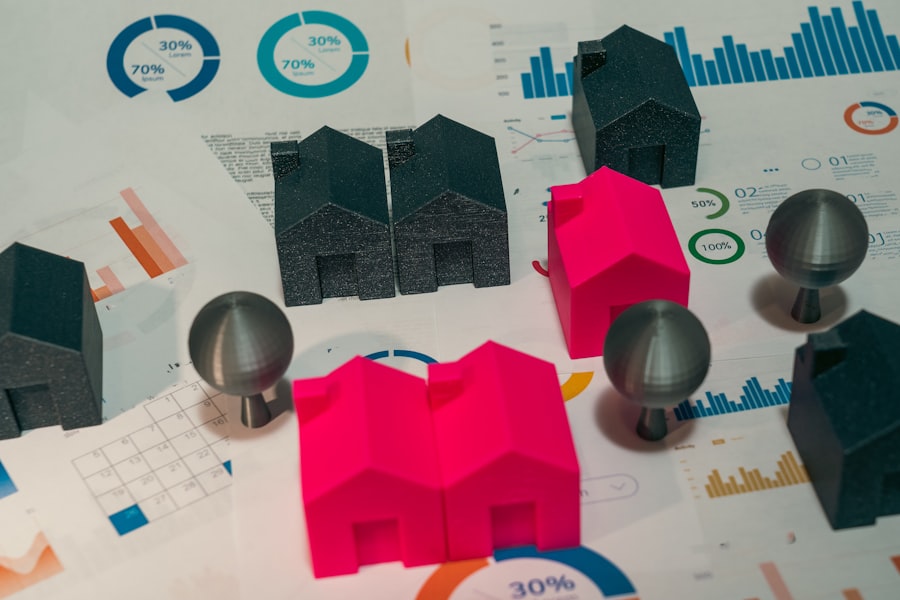
You know that when you think about buying a home, the interest rate is a huge factor. The cost of borrowing money to purchase a property directly impacts your monthly payments and, consequently, your overall affordability. For years, incredibly low interest rates made borrowing cheaper, fueling demand. However, as those rates have begun to rise, the landscape of affordability has shifted dramatically.
The Impact of Low Interest Rates on Demand
For a significant period, you benefited from historically low mortgage interest rates. This made monthly mortgage payments more manageable, allowing buyers to stretch their budgets and bid higher for homes. What you could afford with a higher interest rate is dramatically less than what you could afford with a very low one.
Increased Purchasing Power
Low interest rates effectively increased your purchasing power. A buyer who could afford a $400,000 home at a 3% interest rate might only be able to afford a $300,000 home at a 7% interest rate, assuming the same monthly payment. This surge in effective purchasing power, driven by cheap money, ignited a housing market frenzy. You were able to borrow more for the same monthly cost, naturally driving up bid prices.
The Refinancing Boom
Low rates also fueled a wave of mortgage refinancing. Homeowners who already owned property were able to lower their monthly payments, freeing up cash that could be used for other purposes, including investing in more real estate or renovating existing homes, further stimulating market activity.
The Shift to Higher Interest Rates
More recently, you’ve witnessed a significant shift in interest rate policy by central banks aimed at combating inflation. This has led to a rapid increase in mortgage rates, fundamentally altering housing affordability.
Reduced Affordability and Buyer Hesitation
As interest rates climb, your monthly mortgage payments increase substantially, even for the same loan principal. This sudden drop in affordability can force you to lower your budget, making previously attainable homes out of reach. Some buyers are also choosing to wait on the sidelines, hoping for rates to decrease in the future, which can temporarily cool demand but also impacts the overall market dynamics.
The “Lock-In Effect”
Existing homeowners with low mortgage rates may be hesitant to sell and move, as doing so would mean taking on a new mortgage at a significantly higher rate. This “lock-in effect” can reduce the supply of homes on the market, further contributing to price pressures on the available inventory. You might be stuck in your current home, not because you want to be, but because moving would be financially crippling.
The Material World: Escalating Costs of Building and Maintaining Homes
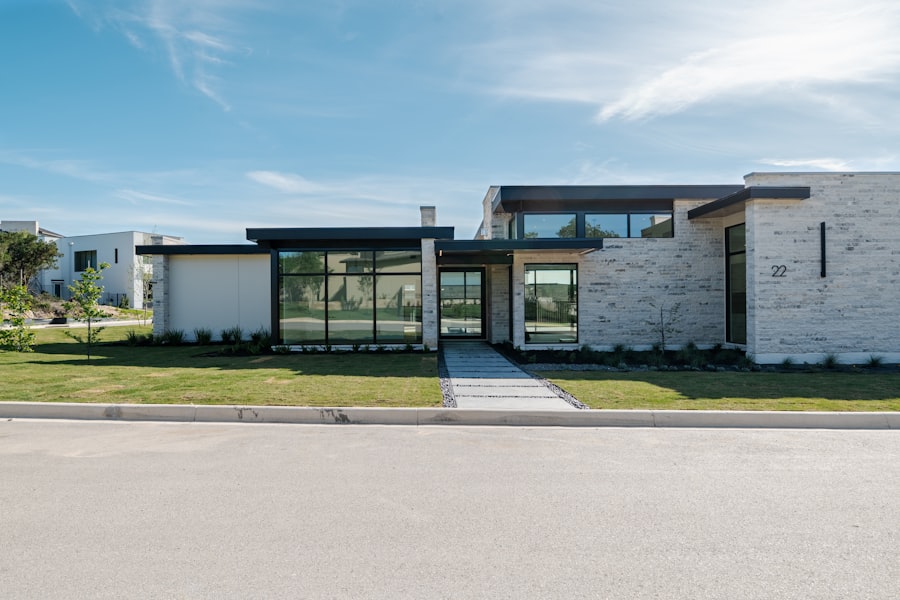
You might assume that the price of a home is primarily about its location and size, but the actual cost of constructing and maintaining that home plays a crucial role in its ultimate value and the price you’ll pay. The rising costs associated with the physical components of a home are a significant factor in today’s market.
The Escalation of Building Materials
As you’ve likely seen at the hardware store or heard in the news, the cost of materials used in home construction has continued to climb. This isn’t just a minor inconvenience; it directly translates into a higher price tag for new homes.
Lumber and Timber
Lumber, a fundamental building material, has experienced extreme price volatility in recent years. Supply chain issues, increased demand from the construction and renovation sectors, and even environmental factors have all contributed to spikes in timber prices, forcing builders to absorb these costs or pass them on.
Other Essential Materials
Beyond lumber, you’re looking at increased costs for concrete, steel, insulation, roofing materials, and even plumbing and electrical components. Each of these essential elements contributes to the overall construction budget, and their rising prices make building a new home significantly more expensive.
The Cost of Labor in Construction and Maintenance
It’s not just about the raw materials. The people who build and maintain your home are essential, and their labor costs are a significant portion of the overall expense. You’re paying for their skills, their time, and the increasing cost of their services.
Skilled Trades Shortages Exacerbated
As mentioned earlier, the shortage of skilled tradespeople in areas like carpentry, electrical work, and plumbing is a persistent problem. This scarcity drives up wages for these professionals, as demand for their expertise remains high. Builders must factor these higher labor costs into their pricing.
The Impact on Renovations and Repairs
The cost of labor also impacts the maintenance and renovation of existing homes. If you’re looking to update your kitchen or repair your roof, you’ll be facing higher quotes from contractors, which can make homeownership more expensive over time and influence the perceived value of homes that are in need of significant work.
The ongoing rise in home prices can be attributed to a variety of factors, including low inventory and high demand in many markets. Additionally, the impact of interest rates and inflation cannot be overlooked, as they play a crucial role in shaping buyer behavior and affordability. For a deeper understanding of these dynamics, you can explore a related article that discusses the reasons behind the persistent high costs of housing. This insightful piece can be found here.
The Shadow of Inflation: A Broad Economic Influence
| Reasons for Expensive Homes | Explanation |
|---|---|
| High Demand | Population growth and urbanization lead to increased demand for housing. |
| Low Inventory | Limited supply of homes available for sale drives up prices. |
| Low Interest Rates | Low mortgage rates make it easier for buyers to afford higher-priced homes. |
| Cost of Construction | Rising construction costs contribute to higher home prices. |
| Location | Homes in desirable or high-demand areas command higher prices. |
You might be hearing about inflation everywhere, and its reach extends far beyond the grocery store. Inflation, the general increase in prices and decrease in the purchasing value of money, has a profound and pervasive impact on the housing market, driving up costs across the board.
The Link Between General Inflation and Housing Costs
When the overall cost of goods and services rises, it inevitably affects the cost of building and owning a home. You’re not just paying for specific housing-related expenses; you’re paying for the broader economic trend of rising prices.
Increased Cost of Everything
From the fuel needed to transport building materials to the utilities that power a finished home, inflation touches nearly every aspect of the housing ecosystem. If the cost of oil goes up, so does the cost of transporting lumber. If the cost of energy goes up, so does the cost of manufacturing appliances that go into a new home.
Wage-Price Spiral
Inflation can also lead to a wage-price spiral, where workers demand higher wages to cope with rising living costs, and businesses, in turn, raise prices to cover increased labor expenses. This cycle can be particularly pronounced in industries like construction, further inflating housing prices.
The Role of Monetary Policy and Interest Rates
Central banks play a critical role in managing inflation through monetary policy, primarily by adjusting interest rates. As you’ve seen, when inflation is high, central banks tend to increase interest rates to cool down the economy.
Combating Inflation with Higher Rates
The aggressive interest rate hikes you’ve witnessed are a direct response to soaring inflation. While intended to curb price increases across the economy, these higher rates have a direct and significant impact on housing affordability, as previously discussed. You’re seeing the consequence of a broader economic strategy being implemented.
The “Flight to Assets” Phenomenon
In periods of high inflation, some investors may seek to protect their wealth by investing in tangible assets like real estate, which are perceived to hold their value better than cash. This can lead to increased demand for housing as an inflation hedge, further pushing prices upward. You might be competing against people who see a house as a safe place to put their money when the value of the currency is decreasing.
The high cost of homes is not a simple problem with a single solution. It’s a complex interplay of demand, supply, economic factors, and policy decisions. Understanding these forces is crucial for you as you navigate the current housing market and for policymakers seeking to address this critical issue. The dream of owning a home may feel more challenging than ever, but by demystifying the factors driving these prices, you can approach your own homeownership journey with greater knowledge and a clearer perspective.

The Wealth Ladder Is Missing a Rung
FAQs
1. Why are homes remaining expensive?
Homes remain expensive due to a combination of factors such as limited housing supply, high demand, low interest rates, and increasing construction costs.
2. How does limited housing supply contribute to expensive homes?
Limited housing supply contributes to expensive homes as it creates a situation where demand exceeds supply, leading to bidding wars and higher prices.
3. What role does high demand play in the expensive housing market?
High demand for homes, driven by factors such as population growth, job opportunities, and low mortgage rates, puts upward pressure on home prices.
4. How do low interest rates impact the cost of homes?
Low interest rates make mortgages more affordable, which can increase demand for homes and drive up prices, as buyers are willing to pay more for a home when financing costs are lower.
5. What are the effects of increasing construction costs on home prices?
Increasing construction costs, including materials and labor, can lead to higher home prices as builders pass on these costs to buyers, further contributing to the overall expense of homes.