
You’re staring at those real estate listings again, aren’t you? The dream of homeownership, that seemingly fundamental pillar of the American experience, feels more like a mirage shimmering on a distant, impossibly expensive horizon. You see the photos of gleaming countertops and spacious backyards, but your wallet knows the harsh reality: the continued high cost of home prices. It’s not just a fleeting blip; it’s a sustained economic reality that’s reshaping your aspirations and many others across the nation. You’re not alone in this frustration, this feeling of being priced out of your own future. This article delves into the persistent factors that keep home prices stubbornly elevated, impacting your ability to invest in the largest asset many people will ever own.
You’ve likely heard this reason before, but it bears repeating – and understanding. The fundamental laws of supply and demand are heavily skewed against you when it comes to housing. The economy might be chugging along, but the construction of new homes hasn’t kept pace with population growth and household formation for years. This isn’t a new problem, but its inertia is precisely what makes it so difficult to overcome.
Decades of Underbuilding: A Lingering Legacy
Think about the period following the 2008 financial crisis. It was a brutal recession, and for a long time, homebuilders packed up their tools. Many small builders went out of business, and larger ones became incredibly risk-averse. This wasn’t just a temporary pause; it was a significant period of reduced construction that created a substantial deficit in housing units. You’re still feeling the ripple effects of that decade-long lull. The number of new homes being built simply hasn’t been enough to absorb the growing number of people who want to own a home.
Zoning Laws and Land Use Restrictions: The Gatekeepers of Growth
Even when developers want to build, they often run into a labyrinth of local regulations. Zoning ordinances, many of which were established decades ago with different societal needs in mind, can severely restrict the type and density of housing that can be built in a particular area. You might see a sprawling suburban neighborhood where duplexes or small apartment buildings could realistically fit, but current zoning laws prevent it. These restrictions effectively limit the supply of land available for building, thereby driving up the cost of the limited land that is developable. It’s a man-made scarcity, and you’re paying for it through higher prices.
Material Costs and Labor Shortages: The Expense of Construction Itself
When you dream of building your own home, or even when you see the price of a new build, remember that the costs involved in actually constructing that home are significant and have been steadily rising. The price of lumber, steel, concrete, and other essential building materials fluctuates, but the overall trend has been upward. Add to this the persistent shortage of skilled labor in the construction industry. Experienced plumbers, electricians, carpenters – these are in-demand professionals, and their wages have increased as a result. This increased cost of labor translates directly into higher prices for the finished product, meaning the cost of building your dream home, or a new home for someone else, is simply more expensive than it used to be.
Despite recent fluctuations in the housing market, home prices remain high due to a combination of factors such as low inventory, high demand, and rising construction costs. For a deeper understanding of the dynamics influencing home prices, you can read a related article that explores these trends in detail. Check it out here: How Wealth Grows.
The Allure of Investment: Housing as a Commodity
You might have thought of a home as a place to live, a sanctuary. For many, it has also become a prime investment vehicle. This dual nature of housing – as both shelter and asset – fuels demand in ways that can push prices beyond what many owner-occupiers can afford.
Institutional Investors and Large-Scale Buyers: The Corporate Landlords
You’re not just competing with other families for a house anymore. In many markets, particularly those with strong rental demand, you’re also up against large institutional investors and private equity firms. These entities have the capital to buy up entire neighborhoods, single-family homes, and apartment buildings in bulk, often with cash offers that are impossible for individual buyers to match. Their primary goal is to generate a return on investment, which means they are less concerned with the emotional aspects of homeownership and more focused on rental income and appreciation. This large-scale purchasing can significantly reduce the available inventory for individual buyers, artificially inflating prices.
The “House Flipping” Phenomenon: A Risky Gamble
While not as prevalent as during the housing boom of the early 2000s, the practice of “flipping” houses still exists and contributes to price pressure. Individuals or groups purchase distressed properties, make cosmetic or moderate renovations, and aim to sell them quickly for a profit. While this can revitalize some neighborhoods, it also means that properties that might have been more affordable entry-level homes are quickly being absorbed into the investment market, often leaving less available for first-time homebuyers. You see these renovated homes, often described as “turnkey,” but their price reflects not just the bricks and mortar but also the investor’s profit margin.
Inflationary Hedge and Portfolio Diversification: Smart, But Pricey, Choices
In times of economic uncertainty, real estate has traditionally been seen as a safe haven and a hedge against inflation. When your money in the bank isn’t growing much, and the stock market seems volatile, investing in property can feel like a more tangible and stable option. This perception, combined with the historical trend of real estate appreciation, makes it an attractive asset class. As more people and entities view housing this way, the demand for it increases, pushing prices higher. You’re witnessing your potential future home become a component of someone else’s diversified investment portfolio.
Rising Interest Rates: The Cost of Borrowing Shoots Up
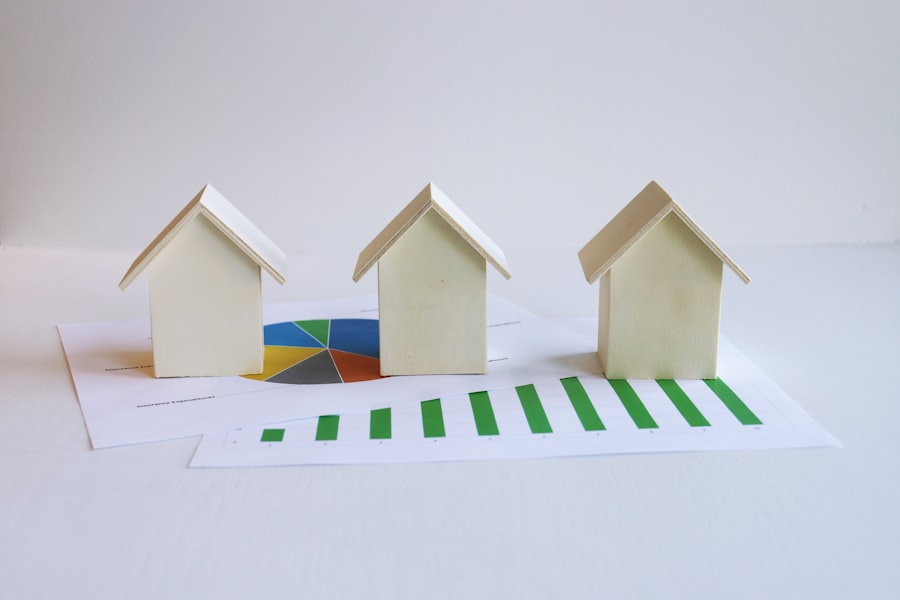
You’ve probably felt this sting directly. While supply and demand are fundamental drivers, the cost of financing a home plays a crucial role in determining affordability. And lately, that cost has been on a significant upward trajectory.
The Federal Reserve’s Role: Taming Inflation Through Higher Rates
The Federal Reserve, the central bank of the United States, has been raising interest rates to combat rising inflation across the economy. Their primary tool for doing this is by increasing the federal funds rate, which influences borrowing costs throughout the financial system. When mortgage rates go up, the monthly payment for the same-sized loan increases dramatically. For you, this means that the maximum loan amount you can qualify for shrinks, or your monthly principal and interest payments become much higher, making even the same-priced home less affordable than it was a year or two ago.
Impact on Affordability: The Monthly Payment Squeeze
Let’s illustrate this. Imagine you were looking at a $400,000 home. A year ago, with a 3% mortgage rate, your principal and interest payment (on a 30-year fixed loan) would be roughly $1,690 per month. Today, with a 6.5% mortgage rate, that same $1,690 wouldn’t even cover the interest on that loan. To achieve a similar monthly payment, you’d need to borrow significantly less, meaning you’d be looking for a much cheaper house, or you’d have to stretch your budget considerably. This drastically reduces your purchasing power and makes your dream home seem further out of reach.
Investor Strategies and Rate Sensitivity: Navigating Shifting Sands
Rising interest rates can also impact investor behavior. Some investors might pause their buying activity due to higher borrowing costs. However, others, seeing potential future price dips or anticipating future refinance opportunities, might continue their strategies. The overall effect of rising rates is a complex interplay of reduced buyer demand due to increased monthly payments and potentially altered investor strategies. You’re caught in this dynamic, hoping for a market shift that might make things easier, but unsure of when or if it will arrive.
The Evolving Notion of “Affordability”: A Moving Target
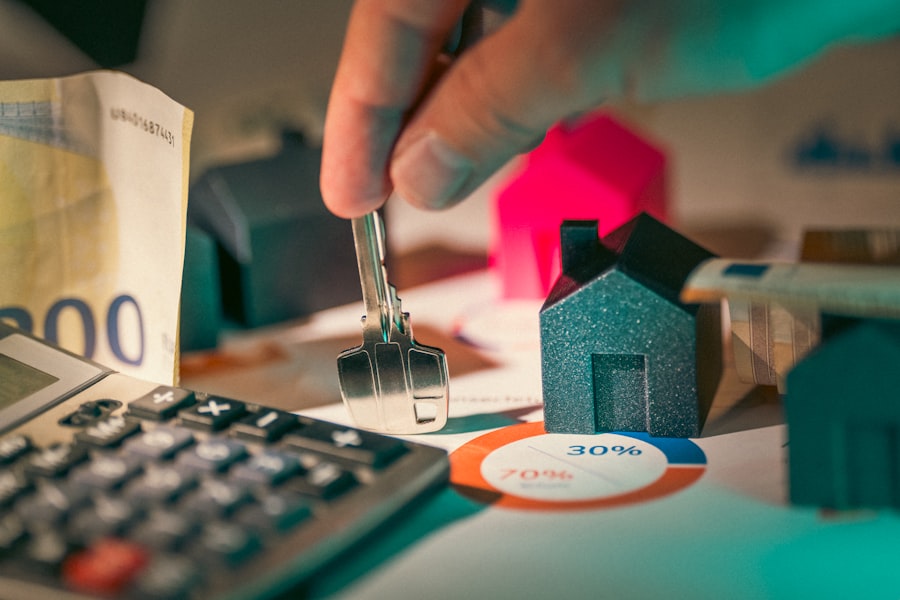
What does “affordable” even mean anymore? For you, it’s likely tied to your current income, your savings for a down payment, and your monthly budget. But the market’s definition of affordability is constantly shifting, and often not in your favor.
Stagnant Wage Growth vs. Soaring Home Values: The Widening Gap
One of the most frustrating aspects of the high cost of home prices is the disconnect between how much you’re earning and how much homes are costing. While home prices have skyrocketed in many areas, wage growth for the average worker has been far more modest. You’re working hard, perhaps getting small annual raises, but those raises are like drops of water in an ocean of escalating housing costs. This widening gap makes it increasingly difficult to save enough for a down payment, let alone afford the monthly mortgage payments.
The “Starter Home” Paradox: No Longer a Starting Point
The concept of a “starter home” – an entry-level property that allows first-time buyers to get onto the property ladder – is becoming a relic of the past in many regions. What used to be an affordable bungalow or a small condominium is now frequently priced out of reach for many young professionals or families just starting out. Instead, you might find that even the most basic homes require a significant financial commitment that feels more like a second or third step on the ladder, rather than the first.
Down Payment Hurdles: The Barrier to Entry
Even if you find a home that seems remotely within your budget, the down payment requirement can be a formidable obstacle. While there are programs that allow for lower down payments, they often come with private mortgage insurance (PMI), which adds to your monthly costs. For many, saving the traditional 10-20% down payment on top of closing costs and the rising home price itself can take years, if it’s even achievable. You’re essentially trapped in a cycle: you can’t afford a home without a significant down payment, but saving that down payment is nearly impossible when the cost of the very thing you’re saving for is constantly increasing.
Despite recent fluctuations in the housing market, home prices remain elevated due to a combination of factors including low inventory and persistent demand. A related article explores these dynamics in greater detail, shedding light on why many buyers are still facing challenges in finding affordable options. For more insights, you can read the full article here. Understanding these trends can help potential homeowners navigate the current landscape more effectively.
The Future of Homeownership: Facing the Challenges
| Reasons for High Home Prices | Explanation |
|---|---|
| Low Inventory | There is a shortage of available homes for sale, leading to increased competition and higher prices. |
| Low Interest Rates | Historically low mortgage rates have increased demand for homes, driving up prices. |
| Urbanization | Population growth in urban areas has increased demand for housing, pushing prices higher. |
| High Construction Costs | The cost of building new homes has risen, leading to higher prices for both new and existing homes. |
| Investor Activity | Increased investment in real estate has contributed to rising home prices in many markets. |
You’re likely wondering what the future holds. Will prices ever come down to a more manageable level? Or is this the new normal? The honest answer is complex, and it depends on a variety of factors.
Potential for Market Correction: Unlikely a Dramatic Crash
While you might fantasize about a significant market crash, most economists believe a dramatic and widespread correction is unlikely. The underlying issue of supply shortage is too deeply entrenched for a quick fix. Instead, you might see periods of price stagnation, slower appreciation, or even modest dips in specific markets. However, a scenario where homes become drastically cheaper across the board would likely require a significant economic downturn, which benefits no one.
The Role of Policy and Innovation: What Could Change Things
There’s a growing recognition among policymakers and industry leaders that the housing affordability crisis needs to be addressed. Potential solutions include:
- Reforming Zoning Laws: Encouraging denser housing and mixed-use developments.
- Incentivizing Construction: Offering tax breaks or subsidies for builders who focus on affordable housing.
- Investing in Infrastructure: Supporting development in underserved areas.
- Exploring Innovative Construction Methods: Mass timber, 3D printing, and modular housing could potentially lower construction costs.
These are long-term solutions, and their impact will take time to materialize. You’re living in the present, and the present cost of home prices remains a significant barrier.
Redefining Your Homeownership Goals: Adaptation is Key
In the face of these challenges, you might need to adapt your homeownership goals. This could involve:
- Looking in Different Neighborhoods: Expanding your search to areas that are currently more affordable.
- Considering Smaller Homes or Condos: Adjusting your expectations for size and amenities.
- Delaying Homeownership: Continuing to save and waiting for market shifts or personal financial improvements.
- Exploring Shared Equity or Co-housing Models: Investigating alternative pathways to ownership.
The continued high cost of home prices is a complex issue with deep-rooted causes. You’re not just dealing with market fluctuations; you’re navigating a reality shaped by decades of underbuilding, investment pressures, economic policies, and evolving societal needs. Understanding these factors is the first step in making informed decisions about your own housing journey and in advocating for solutions that could make the dream of homeownership a more attainable reality for yourself and future generations. The climb is steep, but the desire for a place to call your own remains a powerful motivator.

The Wealth Ladder Is Missing a Rung
FAQs
1. Why are home prices still high?
Home prices are still high due to a combination of factors such as low housing inventory, high demand, low mortgage rates, and increasing construction costs.
2. What is causing low housing inventory?
Low housing inventory is caused by factors such as homeowners staying in their homes longer, limited new construction, and a lack of available land for development in desirable areas.
3. How does high demand impact home prices?
High demand for homes, driven by factors such as population growth, job opportunities, and low mortgage rates, leads to increased competition among buyers and drives up home prices.
4. What role do low mortgage rates play in high home prices?
Low mortgage rates make it more affordable for buyers to purchase homes, which increases demand and puts upward pressure on home prices.
5. What are the effects of increasing construction costs on home prices?
Increasing construction costs, including materials and labor, lead to higher costs for builders, which are then passed on to buyers in the form of higher home prices.