
You might think you’ve got your monthly budget down to a science. Rent or mortgage, groceries, utilities, a little fun money – you’ve accounted for the obvious. But have you truly considered the silent drain on your finances, the one that whispers away your hard-earned cash before you even reach your desk? You’re likely thinking of your commute. For many of you, it’s a daily ritual, a necessary evil. You’ve streamlined it as much as possible, maybe chosen a slightly longer drive for a better route, or perhaps you’ve mastered the art of the early morning train to snag a prime seat. Yet, the true cost of your daily trek to and from work extends far beyond the gas you pump or the monthly transit pass you swipe. This is the hidden cost of commuting, and it’s time you uncovered its true expenses.
The Tangible Toll: Beyond the Sticker Price of Your Vehicle
We often think of the monetary costs of commuting in very direct terms. If you drive, it’s the price of fuel, the occasional oil change, and perhaps car payments. If you take public transport, it’s the monthly pass. But the tangible toll is much more insidious, a slow drip that can significantly erode your disposable income.
Fueling Your Journey: More Than Just the Pump Price
Let’s start with the most obvious: gasoline. You see the numbers at the pump, and you factor them into your weekly or monthly spending. But do you truly calculate the effective cost per mile, considering not just the fluctuating price of fuel but also the efficiency of your vehicle?
The Myth of the “Good MPG”
Perhaps you drive a car boasting impressive miles per gallon (MPG). That’s great! But has your driving style become more aggressive to “make up time,” leading to a net decrease in actual MPG? Do you find yourself accelerating rapidly and braking sharply throughout your commute, a common habit born from the stress of arriving on time? Studies consistently show that aggressive driving can decrease fuel efficiency by 10-30%. That “good MPG” you thought you were getting might be significantly less in real-world commuting conditions.
The Inflationary Effect of Vehicle Wear and Tear
Beyond fuel, your vehicle is constantly depreciating and accumulating wear and tear with every mile. While you might not see an itemized bill for this daily, it’s a very real cost. Tires wear down, brakes need replacing, engine components experience friction and stress, and the overall lifespan of your car is shortened. Think about it: if your car is worth $15,000 today, and you drive 30 miles round trip five days a week, that’s 150 miles per week, leading to roughly 7,800 miles per year dedicated purely to your commute. Over the life of your car, this can translate into thousands of dollars in lost value and premature replacement costs.
The Hidden Costs of Maintenance and Repairs
Regular maintenance, like oil changes and tire rotations, are non-negotiable. But a prolonged commute, especially in stop-and-go traffic, puts an undue burden on your vehicle’s systems. You might find yourself needing brake pad replacements sooner, dealing with increased engine strain, or even facing costly repairs related to suspension or transmission issues that are exacerbated by constant starting and stopping. These aren’t unpredictable, one-off events; they are the predictable consequences of a demanding commute.
Public Transportation: The Subscription Trap
For those who opt for public transportation, the monthly pass seems like a straightforward expense. But even here, there are hidden costs that can catch you off guard.
The Perceived Value vs. Actual Cost
When you pay for a monthly pass, you often feel like you’re getting a good deal by eliminating the need to buy individual tickets. However, consider the times you don’t use it – weekends, holidays, sick days, or even just days you decide to work from home. You’re still paying for that unused portion. If your commute schedule is inconsistent, the per-ride cost could actually be higher than if you paid as you went.
The Inconvenience Tax of Transfers and Delays
Many public transport commutes involve transfers. Each transfer represents lost time, potential for missed connections, and the stress of navigating unfamiliar stations or platforms. Furthermore, public transport is subject to delays. These aren’t just minor inconveniences; they can translate into lost productivity at work, missed appointments, or the need to arrange for more expensive alternative transportation, like ride-sharing services, when your usual route fails you. This unforeseen expense can add up quickly.
The “Optional” Add-ons and Convenience Fees
Some public transport systems offer premium services or express routes that come with additional fees. While seemingly small, these can accumulate. Even beyond the fare itself, you might find yourself purchasing additional items like headphones to drown out noise, portable chargers to keep your devices alive during long journeys, or snacks and drinks because you can’t access amenities en route.
The hidden costs of commuting can significantly impact your overall financial well-being, often going unnoticed until they accumulate over time. For a deeper understanding of this topic, you can explore a related article that delves into various expenses associated with daily travel, such as fuel, maintenance, and time lost. To read more about these hidden costs and how they can affect your budget, visit this article.
The Intangible Drain: The Psychic and Physical Price
The monetary costs of commuting are significant, but the intangible costs are arguably even more profound. These are the things that impact your well-being, your relationships, and your overall quality of life.
The Demise of Your Precious Free Time
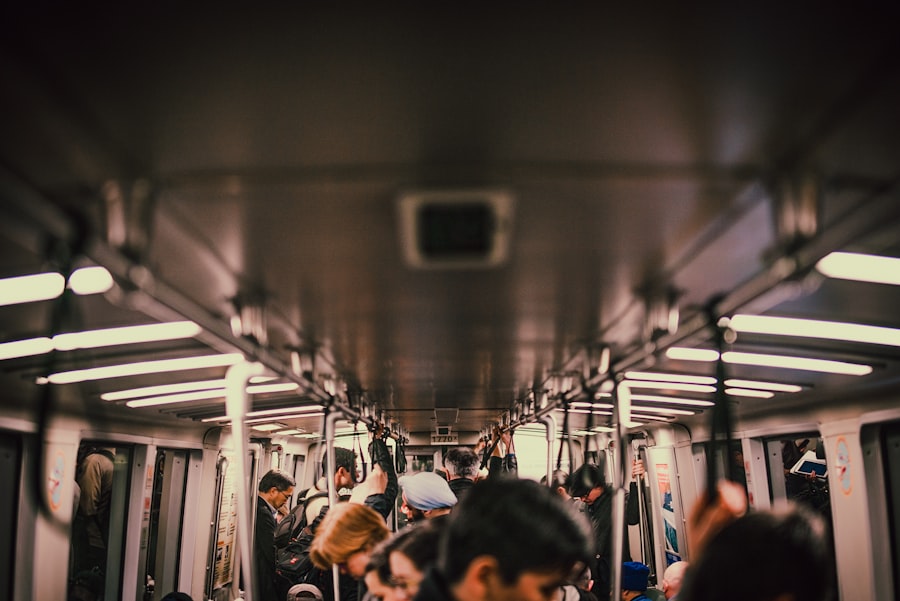
This is perhaps the most significant hidden cost. Think about the hours you spend each day, week, and year actually commuting. If you have a one-hour commute each way, that’s two hours a day, ten hours a week, and approximately 500 hours a year. That’s more than 12 full work weeks lost to sitting in traffic or being packed onto a crowded train.
The Erosion of Personal Pursuits
What could you be doing with those 500 hours? You could be learning a new skill, pursuing a hobby, exercising, spending quality time with loved ones, or simply relaxing and recharging. Instead, those precious hours are spent in transit, often in a state of induced boredom or frustration. This is time you can never get back, a perpetual deficit in your personal life bank account.
The “Commuter Burnout” Phenomenon
The sheer volume of time spent commuting can lead to a phenomenon known as “commuter burnout.” This isn’t just feeling tired; it’s a state of emotional, physical, and mental exhaustion caused by the relentless grind of your daily journey. It can manifest as increased irritability, difficulty concentrating, and a general lack of enthusiasm for both work and personal life.
The Toll on Your Health and Well-being
Your commute isn’t just an inconvenience; it can actively impact your physical and mental health. The stresses and exposures of daily travel can have long-term consequences.
Stress, Anxiety, and the Daily Grind
Sitting in traffic is universally recognized as a stressor. The constant stop-and-go, the honking horns, the perceived inefficiency, and the pressure to arrive on time can elevate your cortisol levels, contributing to chronic stress. This chronic stress is linked to a myriad of health problems, including heart disease, weakened immune systems, and mental health disorders like anxiety and depression.
The Spread of Germs and the Compromised Immune System
Public transportation, in particular, can be a breeding ground for germs. You’re in close proximity to hundreds, if not thousands, of people daily, many of whom may be carrying various illnesses. This constant exposure can lead to more frequent colds, flu, and other infections, weakening your immune system over time and leading to lost workdays and increased healthcare costs. Even in your car, recirculated air can contribute to a less-than-ideal environment.
The Sedentary Trap and Physical Inactivity
While some might argue that walking to a train station or bus stop counts as exercise, for many, the commute involves extended periods of sitting. This sedentary lifestyle, prolonged by the commute, contributes to a host of health issues, including weight gain, poor posture, and an increased risk of chronic diseases associated with inactivity, such as diabetes and cardiovascular disease.
The Sacrificed Relationships: The Distance Between You and Yours
The impact of a long commute extends beyond your personal time and health; it can also strain your relationships with the people who matter most.
The Dinner-Time Disconnect
When you’re away from home for extended periods due to your commute, you often miss out on crucial moments with your family. This can mean arriving home after children are asleep, missing family dinners, or being too exhausted to engage in meaningful conversations.
The “Just Checking In” Culture
Instead of being present for the everyday moments that build strong family bonds, you might resort to brief phone calls or text messages to “check in.” While better than nothing, this can create a sense of distance and disconnect, making it harder to foster deep and lasting relationships.
The Burden on Your Partner
If you have a partner, a long commute can place an unfair burden on them. They may be left with the majority of household chores, childcare responsibilities, and managing daily logistics, leading to resentment and imbalance within the relationship.
The Diminished Social Life
Beyond your immediate family, your commute can also significantly impact your social life with friends and even your ability to participate in community events.
The “Too Tired” Excuse
By the time you get home from a grueling commute, the idea of going out for a social engagement can feel monumental. The “I’m too tired” excuse becomes a convenient and frequent refrain, leading to missed opportunities for connection and support outside of work.
The geographical Barrier to Friendships
Even if you have a strong desire to see your friends, a long commute can make it logistically difficult and time-consuming. Organizing meetups can become an elaborate planning exercise, and spontaneous outings become a rarity, leading to a gradual drift in friendships.
The Lost Opportunities: A Barrier to Growth and Advancement
The hidden costs of commuting aren’t just about what you’re losing; they’re also about what you’re missing out on. Your daily grind can become a barrier to your personal and professional growth.
The Time Poverty for Professional Development
In today’s competitive landscape, continuous learning and professional development are crucial. However, with a long commute eating into your evenings, opportunities to attend workshops, take online courses, or even read industry-related books become scarce.
The “Can’t Make It” Scenario
When networking events, industry conferences, or after-work professional development sessions are offered, your commute often makes them inaccessible or impractical. This means you’re missing out on valuable opportunities to expand your knowledge, build your connections, and stay ahead of the curve in your field.
The Stagnation of Skills
Without dedicated time for learning and skill development, your professional skills can stagnate. This can lead to being overlooked for promotions, falling behind peers, and ultimately limiting your career trajectory.
The Financial Impact of Limited Networking
Networking is not just about making friends; it’s a strategic investment in your career. Many of the most valuable connections are made informally, outside of formal working hours.
The Missed Mentorship Opportunities
Potential mentors often engage in conversations and offer advice during informal settings. If your commute prevents you from attending these events, you may be missing out on invaluable guidance that could shape your career path.
The Unseen Job Market
A significant portion of job opportunities are never publicly advertised. They are filled through internal referrals and informal networks. If your commute isolates you from these circles, you are effectively operating in a smaller, less informed job market.
The hidden costs of commuting can significantly impact your overall financial health, often going unnoticed until they accumulate over time. For a deeper understanding of how these expenses can affect your budget, you might find it helpful to read a related article on personal finance strategies. This insightful piece discusses various aspects of financial planning and can be accessed through this link. By examining these hidden costs, you can make more informed decisions about your daily travel and its long-term implications on your wealth.
Reclaiming Your Life: Strategies to Mitigate the Commute Costs
Recognizing the hidden costs of your commute is the first step toward reclaiming your time, your health, and your financial well-being. The good news is that there are strategies you can implement to mitigate these expenses.
Optimizing Your Current Commute
Even if you can’t eliminate your commute, you can certainly optimize it to reduce its negative impact.
Embracing Technology for Productivity and Enjoyment
Turn your commute into productive time. Listen to podcasts related to your work or interests, audiobooks, or language learning programs. Utilize the time for mindfulness exercises or guided meditations to de-stress. Many apps can help you manage your commute more efficiently, from real-time traffic updates to finding the best public transport routes.
Advocating for Flexible Work Arrangements
If your employer allows for it, explore options like remote work or hybrid schedules. Even one or two days a week working from home can significantly reduce your weekly commuting costs, both tangible and intangible. If full remote work isn’t feasible, discuss flexible start and end times to avoid peak traffic hours.
Carpooling and Ride-Sharing
If driving is your primary mode of transport, consider carpooling with colleagues. This not only splits the fuel costs but also offers the benefit of conversation and shared experience. Ride-sharing services can also be an option for occasional use to avoid the constant drain of solo driving.
Re-evaluating Your Commute Options
Sometimes, the best way to reduce the cost of your commute is to fundamentally change how you get to work.
Exploring Public Transportation More Deeply
If you currently drive, thoroughly investigate the feasibility and cost-effectiveness of public transportation. While there are its own set of costs, it can often be more economical and less stressful than driving, especially when factoring in parking fees and vehicle maintenance.
Considering a Move Closer to Work
This is a significant decision, but if your commute is a major source of stress and expense, consider the long-term benefits of living closer to your workplace. The reduction in commute time and associated costs could outweigh the increased housing expenses.
Embracing Active Commuting for Added Benefits
If distance allows, consider cycling or walking to work. This offers immense health benefits, eliminates fuel costs, and provides a natural way to de-stress and integrate physical activity into your day. Even a partial active commute, like cycling to a train station, can make a difference.
The Ultimate Investment: Long-Term Solutions
For some, the most impactful solution may be a more drastic change.
Seeking New Employment Opportunities
If your current job necessitates an unmanageable commute, it might be time to consider seeking employment closer to your home. While this is a significant undertaking, the long-term benefits to your finances, health, and overall quality of life could be substantial.
Shifting Towards a Location-Independent Career
The rise of remote work has opened up possibilities for location-independent careers. If your skills are transferable to roles that allow you to work from anywhere, you could eliminate your commute entirely and gain unprecedented flexibility.
Your commute is more than just a daily grind; it’s a significant financial and personal investment. By understanding and addressing its hidden costs, you can begin to reclaim your time, improve your well-being, and invest in a more fulfilling future. It’s time to look beyond the gas gauge and the transit pass and see the true value of the life you’re living, and the life you could be living, free from the unnecessary expenses of a burdensome commute.

Why It Feels Like You Need More Than $150K to Get Ahead
FAQs
What are the hidden costs of commuting?
Commuting costs include not only the obvious expenses such as gas and public transportation fares, but also the hidden costs of wear and tear on a vehicle, increased insurance premiums, and the value of time spent commuting.
How does commuting impact mental and physical health?
Commuting has been linked to increased stress, anxiety, and depression. It can also lead to physical health issues such as high blood pressure, weight gain, and decreased physical activity.
What are the environmental impacts of commuting?
Commuting contributes to air pollution and greenhouse gas emissions, which can have negative effects on the environment and public health. It also leads to increased traffic congestion and the need for more infrastructure.
How does commuting affect work-life balance?
Long commutes can take away valuable time that could be spent with family, pursuing hobbies, or engaging in leisure activities. This can lead to a poor work-life balance and decreased overall well-being.
What are some alternatives to traditional commuting?
Some alternatives to traditional commuting include telecommuting, flexible work schedules, carpooling, biking, and walking. These options can help reduce the hidden costs of commuting and improve overall quality of life.