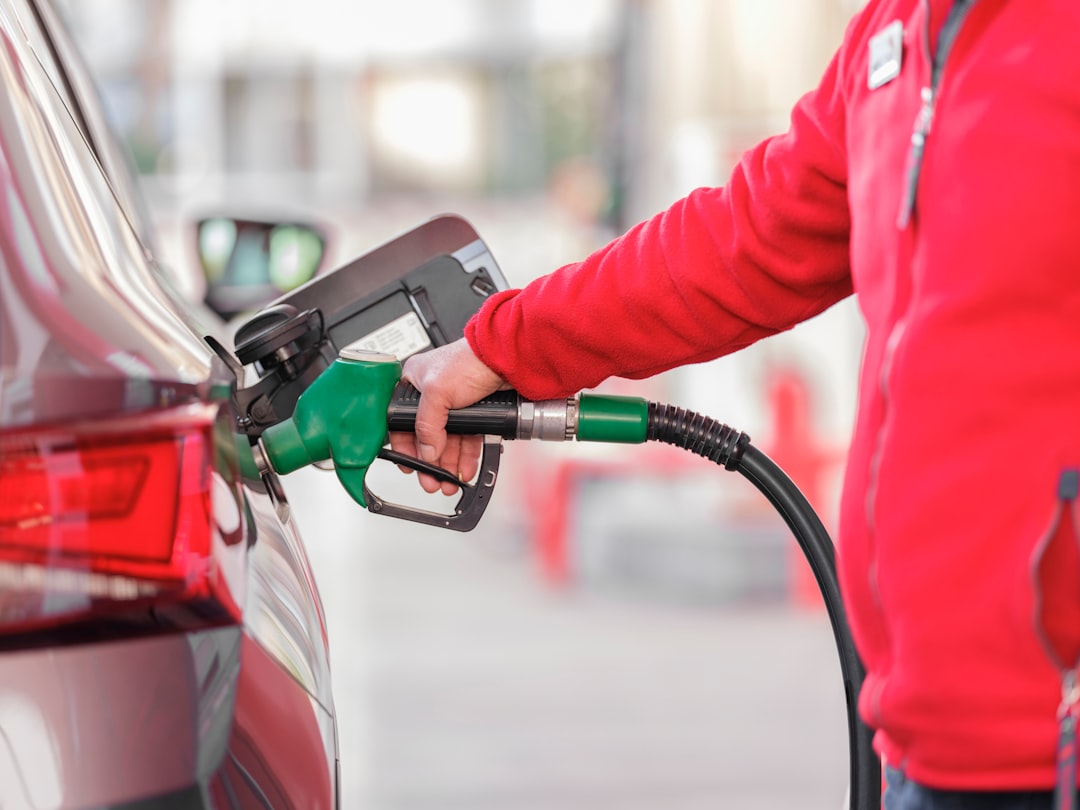
You’re juggling car payments, insurance premiums, gas prices that seem to have a mind of their own, and the inevitable wear and tear on your vehicles. For many families, transportation represents a significant chunk of the monthly budget, a constant hum of expense that can feel overwhelming. But you’re not powerless against this financial pressure. By adopting a strategic approach and making conscious choices, you can rein in these costs and free up valuable resources for other family goals, whether that’s saving for a vacation, investing in education, or simply having a little more breathing room.
This isn’t about drastic sacrifices or giving up your mobility entirely. It’s about smart management, understanding where your money is going, and identifying opportunities to be more efficient. You’ll discover that by implementing a few key strategies, you can significantly reduce your family’s transportation expenditure, making your hard-earned money work smarter for you.
Before you can begin to trim the fat, you need a clear picture of your current situation. This involves a deep dive into every facet of your family’s transportation habits and expenses. Without this foundational understanding, any attempts at cost reduction will be akin to shooting in the dark. You need to know your starting point to chart a successful course.
Tracking Every Penny: Your Transportation Budget
The first and most crucial step is to meticulously track every single euro, dollar, or pound you spend on getting your family from point A to point B. This isn’t just about the big-ticket items; it’s about the cumulative effect of all the little expenses that can add up surprisingly quickly.
Car Payments – Fixed but Negotiable?
Your monthly car payments are likely one of the largest, if not the largest, fixed expenses. While it might feel like a set amount, there are often opportunities to reduce this burden over the long term.
Refinancing Your Auto Loan
When interest rates fall or your credit score improves, refinancing your existing auto loan can lead to significant savings. By securing a lower interest rate, you reduce the overall cost of borrowing and your monthly payments. It’s worth exploring your options periodically, especially if you have a substantial amount remaining on your loan.
Considering a Smaller/More Fuel-Efficient Vehicle
When it comes time to purchase a new vehicle, deliberately choosing a model with a lower price point and better fuel economy can have a profound impact on your long-term transportation costs. While a luxury SUV might be tempting, the savings from a smaller, more efficient car will compound over the years.
Fuel Costs – The Ever-Present Variable
The price of gasoline or diesel is notoriously volatile, but you can still implement strategies to mitigate its impact.
Monitoring Fuel Prices
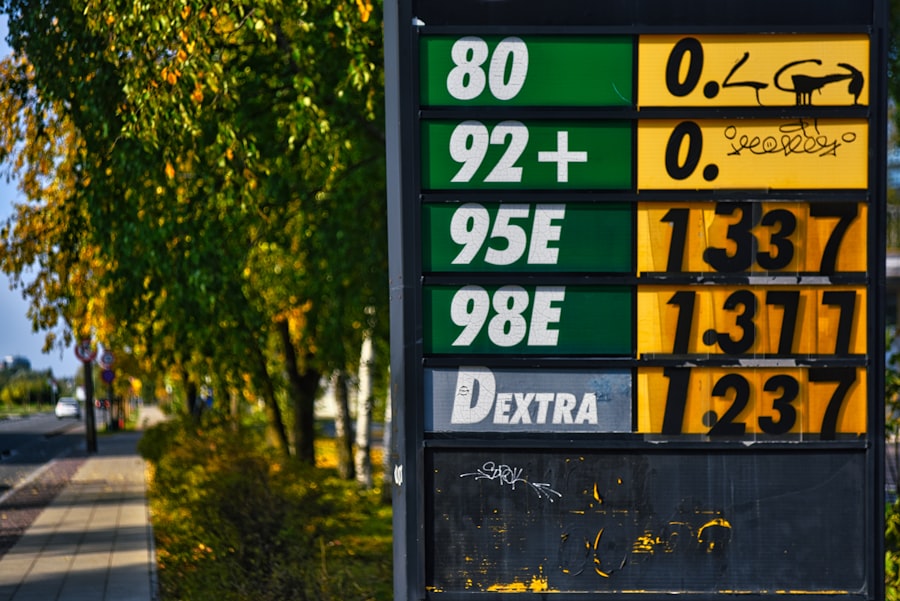
Utilize fuel price comparison apps and websites to find the cheapest gas stations in your area. Small differences can add up over multiple fill-ups per month.
Driving Habits for Better Mileage
Your driving style plays a significant role in fuel consumption. Smooth acceleration, gentle braking, and maintaining a consistent speed are key. Avoiding aggressive driving and unnecessary idling can drastically improve your miles per gallon.
Tire Pressure and Maintenance
Properly inflated tires reduce rolling resistance, leading to better fuel efficiency. Regularly checking your tire pressure and ensuring your car is well-maintained are simple yet effective ways to save on fuel.
Insurance Premiums – A Necessary Evil?
Car insurance is non-negotiable, but that doesn’t mean you have to overpay.
Shopping Around for Quotes
Don’t let your policy auto-renew without getting quotes from multiple insurance providers. Different companies have different pricing structures and may offer better rates for your specific circumstances.
Bundling Policies
If you have multiple vehicles or other insurance needs (like home or renter’s insurance), bundling them with a single provider can often lead to discounts.
Adjusting Coverage Levels
Review your coverage levels annually. If your car is older and has depreciated significantly, you might consider reducing your comprehensive and collision coverage to lower your premiums, assuming you can absorb the potential cost of a repair or replacement out-of-pocket.
Maintenance and Repairs – The Silent Budget Busters
Unexpected repairs and routine maintenance can put a serious dent in your budget. Proactive steps can help you avoid the worst of these.
Preventive Maintenance Schedules
Adhering to your car’s recommended maintenance schedule (oil changes, fluid checks, filter replacements) can prevent minor issues from escalating into costly repairs. It’s an investment that pays off in the long run.
Finding a Reliable and Affordable Mechanic
Develop a relationship with a trusted mechanic who offers fair pricing. Avoid dealerships for routine maintenance if you can find a reputable independent shop that specializes in your car brand.
Analyzing Your Family’s Travel Patterns
Beyond the direct costs, understanding how and why your family travels is crucial. This involves looking at your daily routines, occasional trips, and overall reliance on personal vehicles.
Commuting Habits – The Daily Grind
How do you and other adult family members get to work? The daily commute is a consistent expense that can be a prime target for cost reduction.
Calculating Daily Commute Costs
Break down the daily cost of your commute, including fuel, wear and tear, and potentially parking fees. This provides a stark reality of the ongoing expense.
Exploring Public Transportation Options
Even if it’s not your primary mode of transport, consider if public transportation is a viable alternative for any portion of your commute. The savings on gas and parking can be substantial.
Carpooling and Ride-Sharing
Can you coordinate with colleagues or neighbors to carpool? This divides fuel and parking costs and reduces the number of cars on the road.
School and Activity Transportation – The Logistics Labyrinth
Getting children to school, sports, clubs, and other extracurricular activities consumes a significant amount of time and fuel.
Grouping Errands Strategically
Instead of making multiple individual trips for school drop-offs, pick-ups, and activity transport, try to group them into one efficient outing.
Leveraging School Buses and Public Transport for Kids
If your children are old enough and it’s safe, utilizing school buses or public transportation for their commutes can significantly reduce your driving burden.
Encouraging Walking or Biking
For shorter distances and when weather permits, encourage children to walk or bike to school or activities. This promotes their health and reduces your transportation costs.
Weekend and Leisure Travel – The Fun Factor with a Price Tag
Weekend getaways and recreational trips are often where significant mileage is accumulated, impacting fuel, wear and tear, and potentially accommodation costs if trips extend to overnight stays.
Evaluating the Necessity of Each Trip
Before heading out, ask yourself if the trip is truly necessary or if there are closer, more budget-friendly alternatives.
Opting for Shorter, Closer Destinations
Instead of long road trips, explore local parks, attractions, or recreational areas. This minimizes travel time and fuel consumption.
Considering Alternative Entertainment
Sometimes, the cost of driving to an event or destination can be avoided by finding equally enjoyable, but less travel-intensive, entertainment closer to home.
Transportation costs can significantly impact a family’s budget, making it essential to understand the various factors that contribute to these expenses. For a deeper insight into how families can manage and potentially reduce their transportation costs, you can read a related article that offers valuable tips and strategies. Check it out here: Transportation Costs for Families.
Implementing Cost-Saving Strategies
Once you have a solid grasp of your current transportation expenses and habits, you can begin to implement targeted strategies to reduce these costs. This is where the real savings start to materialize.
Optimizing Your Vehicle Usage
Making the most of the vehicles you already own is paramount. This involves thoughtful planning and a shift in mindset about how you utilize your car.
Reducing Unnecessary Mileage
Every mile driven contributes to fuel consumption and wear and tear. Finding ways to cut down on these miles is a direct route to savings.
Combining Trips and Errands
Plan your outings to accomplish multiple tasks in a single trip. Think about which errands are geographically close and can be grouped together. This minimizes cold starts, which are less fuel-efficient, and reduces overall driving time.
Utilizing Technology for Efficient Routing
GPS navigation apps are invaluable for finding the most direct and fuel-efficient routes, avoiding traffic congestion and unnecessary detours.
Rethinking Non-Essential Journeys
Before getting in the car for a spontaneous trip, pause and consider if it’s truly necessary. Can the item be purchased on your next planned outing? Can the activity be done virtually?
Maximizing Fuel Efficiency
This goes beyond just avoiding aggressive driving; it involves a holistic approach to how your vehicle operates.
Regular Vehicle Maintenance
As mentioned earlier, this is non-negotiable. Properly inflated tires, clean air filters, and regular oil changes all contribute to optimal fuel efficiency. A well-maintained engine runs smoother and consumes less fuel.
Aerodynamic Considerations
While a minor point for most, removing roof racks when not in use and ensuring windows are closed at higher speeds can slightly improve aerodynamics and thus fuel economy.
Lightening the Load
Excess weight in your vehicle directly impacts fuel consumption. Remove unnecessary items from your trunk and cabin. Every kilogram makes a difference over time.
Exploring Alternative Transportation Options
The car is not the only way to get around. Embracing alternatives can lead to significant savings and even offer health benefits.
Embracing Public Transportation
Even if you don’t use it daily, public transportation can be a cost-effective solution for specific trips, especially in urban areas.
Strategic Use for Commutes and Errands
Identify routes where public transport is convenient and cost-effective, such as commuting to a city center where parking is expensive or for specific errands in congested areas.
Understanding Local Transit Passes and Discounts
Many transit systems offer monthly passes, student discounts, or family fares that can make regular use even more economical.
The Power of Walking and Cycling
For shorter distances, these options are not only free but also incredibly beneficial for your health.
Identifying Safe Walking and Cycling Routes
Ensure there are safe and accessible paths for children and adults to walk or cycle to destinations like schools, parks, or local shops.
Investing in Quality Bicycles and Safety Gear
If you plan to cycle regularly, investing in a comfortable and reliable bicycle along with appropriate safety gear (helmet, lights) is essential for safety and enjoyment.
Carpooling and Ride-Sharing Networks
These collaborative transportation methods can drastically reduce individual costs.
Organizing Carpools with Neighbors, Friends, or Colleagues
Initiating or joining a carpool for school runs, work commutes, or regular activities can effectively halve or even more your fuel and parking expenses if you rotate drivers.
Utilizing Ride-Sharing Apps Wisely
While not always the cheapest option for daily commutes, ride-sharing apps can be cost-effective for occasional trips or when public transport is not feasible, especially if you can split the fare with others.
Making Smart Purchasing Decisions
When it’s time to buy or lease a vehicle, or even to purchase car-related items, informed decisions can save you money.
The Vehicle Purchase/Lease Decision
This is a significant investment, and the choices you make here have long-term financial implications.
Prioritizing Fuel Efficiency and Reliability
When buying a car, your primary focus should be on models known for their fuel efficiency and long-term reliability. These two factors are the biggest drivers of ongoing transportation costs. Research consumer reports and owner reviews.
Considering Used Vehicles
A new car depreciates significantly the moment you drive it off the lot. Buying a well-maintained pre-owned vehicle can offer substantial savings on the purchase price and often lower insurance premiums.
Understanding the True Cost of Ownership
Beyond the sticker price, consider insurance costs, fuel economy, maintenance needs, and expected resale value when evaluating different vehicles.
Smart Shopping for Car Accessories and Maintenance Items
Even seemingly small purchases can add up.
Comparing Prices for Tires, Oil, and Parts
Don’t settle for the first price you see. Shop around for tires, oil, and other car maintenance essentials. Online retailers and discount auto parts stores can offer significant savings compared to dealerships or specialized shops.
Investing in Quality Over Lowest Price (Sometimes)
While bargain hunting is wise, sometimes investing in a slightly higher-quality part or maintenance item can lead to longer service life and fewer future replacements, ultimately saving you money in the long run.
Leveraging Technology for Savings
In today’s digital age, technology offers a wealth of tools to help you manage and reduce your transportation costs.
Apps and Online Resources for Fuel Savings
This is where you can find real-time information to optimize your fuel purchases.
Fuel Price Comparison Apps
These indispensable tools allow you to find the cheapest gas stations in your vicinity. By consistently choosing the lowest-priced options, you can save several cents per gallon over a month, which adds up. Some apps even track your preferred stations and provide alerts.
Loyalty Programs and Discount Cards
Many gas stations offer loyalty programs where you earn points or discounts for frequent purchases. Combining these with manufacturer rebates or credit card rewards can further reduce your fuel expenses. Some fuel companies also offer discount cards that provide a set price reduction per gallon.
Navigation and Route Optimization Tools
The right navigation can save you time, fuel, and reduce stress.
GPS and Navigation Apps
These are more than just for finding your way. Many apps offer features like real-time traffic updates, suggesting alternative routes to avoid congestion. This not only saves time but also fuel by minimizing stop-and-go driving. Some even consider toll roads and suggest toll-free alternatives if the time difference is minimal.
Eco-Driving Features in Navigation Apps
Some advanced navigation systems and apps are starting to incorporate “eco-friendly” routing options. These routes prioritize fuel efficiency by suggesting smoother roads, fewer hills, and optimal speed for mileage.
Vehicle Maintenance and Monitoring Technology
Stay ahead of potential problems with smart tools.
OBD-II Scanners for Basic Diagnostics
For the mechanically inclined, a simple OBD-II scanner can plug into your car’s diagnostic port and provide basic information about engine performance and potential issues. This can help you identify minor problems before they become major, costly repairs. Some of these scanners connect wirelessly to your smartphone for easier interpretation.
Vehicle History Report Services
When considering the purchase of a used vehicle, utilizing online services to access vehicle history reports (like Carfax or VINcheck) is essential. This can reveal accident history, odometer discrepancies, or title issues that could lead to significant future expenses.
Tire Pressure Monitoring Systems (TPMS)
Most modern vehicles are equipped with TPMS. Regularly checking your tire pressure is crucial for safety and fuel efficiency. Understanding the readings and addressing low-pressure situations promptly can prevent premature tire wear and improve your miles per gallon.
Long-Term Financial Planning and Future Considerations
Managing transportation costs isn’t just about immediate savings; it’s also about how these expenses fit into your broader family financial goals.
Budgeting for Transportation as a Line Item
Treating transportation as a distinct and critical budget category is key to consistent management.
Setting Realistic Monthly and Annual Budgets
Based on your tracking and analyses, establish a realistic budget for fuel, maintenance, insurance, and any loan payments. This helps you stay accountable and make informed spending decisions throughout the month.
Allocating Funds for Future Vehicle Replacement
When you purchase a vehicle, it’s a depreciating asset. It’s wise to start planning and saving for its eventual replacement from day one.
Creating a Dedicated Savings Account
Set up a separate savings account specifically for vehicle replacement. Even contributing a small amount each month will build a fund that eases the financial burden when it’s time for a new car.
Factoring in Depreciation
Understand how quickly your current vehicle is depreciating. This will help you estimate how much you’ll need to save for a replacement in the future.
Investing in Fuel-Efficient and Electric Vehicles
As technology advances, new options emerge for cost savings and environmental benefits.
The Financial Case for Electric Vehicles (EVs)
While the initial purchase price of EVs can be higher, the long-term savings can be substantial.
Lower Fuel Costs (Electricity vs. Gasoline)
Electricity is generally cheaper per mile than gasoline, and EV charging at home is often significantly less expensive than fueling up at a gas station.
Reduced Maintenance
EVs have fewer moving parts than internal combustion engine vehicles, meaning less frequent and less expensive maintenance, such as no oil changes or exhaust system repairs.
Government Incentives and Tax Credits
Many governments offer incentives, tax credits, and rebates for purchasing EVs, which can significantly offset the initial cost.
Hybrid Vehicles as a Middle Ground
Hybrid vehicles offer a balance between traditional gasoline engines and electric power.
Improved Fuel Economy
Hybrids offer significantly better fuel economy than comparable gasoline-only vehicles, leading to lower fuel costs.
Gradual Transition to Electric Mobility
For families not yet ready for a full EV, hybrids provide a tangible step towards more sustainable and cost-effective transportation.
Teaching Children About Transportation Costs and Responsibility
Instilling good financial habits early is crucial for future success.
Involving Children in Budgeting Discussions
When appropriate, involve older children in discussions about family transportation costs. Explain where the money goes and why certain choices are made. This fosters an understanding of financial realities.
Encouraging Responsible Driving Habits
As teenagers begin to drive, emphasize the importance of safe and fuel-efficient driving. Discuss the impact of their driving on fuel consumption and vehicle wear and tear.
Promoting an Appreciation for Alternative Transportation
Encourage children to walk, bike, or use public transportation when feasible. This not only saves money but also promotes a healthier and more environmentally conscious lifestyle.
Transportation costs can significantly impact a family’s budget, making it essential to understand the various factors that contribute to these expenses. For families looking to manage their finances better, exploring strategies to reduce these costs can be beneficial. A related article that delves into this topic can be found at How Wealth Grows, where you can discover practical tips and insights on optimizing transportation expenses. By implementing some of these strategies, families can find ways to save money while still meeting their travel needs.
Embracing a Sustainable Transportation Mindset
| Family Size | Annual Transportation Costs |
|---|---|
| 2 | 5,000 |
| 4 | 8,000 |
| 6 | 11,000 |
Ultimately, managing family transportation costs is about more than just pinching pennies. It’s about adopting a mindset that prioritizes efficiency, sustainability, and thoughtful consumption.
The Environmental Benefits of Cost-Saving Measures
Many of the strategies you implement to save money also benefit the environment.
Reducing Your Carbon Footprint
By driving less, carpooling, and opting for more fuel-efficient vehicles, you’re directly contributing to a reduction in greenhouse gas emissions.
Minimizing Air Pollution
Fewer car journeys mean less air pollution in your community, leading to improved air quality and healthier living conditions.
The Health and Well-being Advantages
Shifting your transportation habits can have positive impacts on your family’s health.
Increased Physical Activity
Walking, cycling, and even using public transport can incorporate more physical activity into your day, contributing to better cardiovascular health and overall fitness.
Reduced Stress from Driving
Less time spent in traffic jams and dealing with the anxieties of driving can lead to a more relaxed and less stressful lifestyle.
Financial Freedom Through Smart Choices
The most significant benefit of effectively managing transportation costs is the increased financial freedom it provides.
Reallocating Funds to Family Goals
The money saved on transportation can be redirected towards savings accounts, investments, paying down debt, or funding enjoyable family experiences like vacations or hobbies.
Building a More Secure Financial Future
By consistently making smart financial decisions regarding your transportation, you contribute to a more stable and secure financial future for your family.
You’ve taken the first step by seeking out this information. Now, armed with knowledge and a commitment to action, you can transform your family’s transportation expenditure from a perpetual drain into a well-managed and even cost-saving aspect of your household budget. It’s a journey of mindful choices, strategic planning, and a willingness to adapt, leading you towards greater financial flexibility and a more sustainable way of getting around.

Why It Feels Like You Need More Than $150K to Get Ahead
FAQs
What are transportation costs for families?
Transportation costs for families refer to the expenses incurred for traveling from one place to another, including commuting to work, school, running errands, and leisure activities.
What are the main components of transportation costs for families?
The main components of transportation costs for families include fuel, vehicle maintenance and repairs, insurance, public transportation fares, parking fees, tolls, and vehicle depreciation.
How do transportation costs impact family budgets?
Transportation costs can have a significant impact on family budgets, often representing a substantial portion of monthly expenses. High transportation costs can limit a family’s ability to save, invest, or spend on other essential needs.
What are some strategies for reducing transportation costs for families?
Some strategies for reducing transportation costs for families include carpooling, using public transportation, walking or biking for short trips, maintaining a fuel-efficient vehicle, and planning efficient routes to minimize driving.
How do transportation costs vary by location?
Transportation costs can vary significantly by location due to differences in fuel prices, public transportation availability and costs, parking fees, and vehicle insurance rates. Urban areas may have higher public transportation options but also higher parking fees, while rural areas may have lower fuel prices but longer driving distances.