
You’ve always heard people talk about it. The whispers of passive income, the steady appreciation, the tangible asset that you can see and touch. For years, real estate has been more than just a roof over your head; for many, it’s become a cornerstone of their financial strategy. This isn’t a new phenomenon, of course, but the rise of real estate as a significant investment class, particularly in the modern era, is a story driven by fundamental economic forces. You’re likely wondering what ignited this surge, what makes a property more than just bricks and mortar, and how you, too, can potentially tap into this lucrative market. The answer, at its core, lies in a potent combination of escalating demand, finite supply, and the undeniable allure of long-term financial expansion.
Once upon a time, for many, homeownership was primarily about security, stability, and raising a family. The financial considerations, while present, were often secondary to the fundamental need for shelter and belonging. You bought a house, paid down your mortgage, and hoped it maintained its value. The idea of actively investing in real estate, of treating it as a portfolio asset akin to stocks or bonds, was less prevalent, primarily reserved for seasoned investors or developers. However, as the global economic landscape evolved, so too did the perception and reality of housing. Several interconnected factors converged to elevate real estate from a simple dwelling to a sophisticated investment vehicle, a trend you’ve witnessed firsthand.
The Evolving Definition of Wealth Accumulation
You’ve seen it in the conversations around you, the financial planning discussions at gatherings, and the endless advice offered online. The traditional pathways to wealth accumulation are no longer the sole arbiters of financial success. While diligently saving and investing in the stock market remain vital, many have begun to diversify their portfolios. This diversification is not just about spreading risk; it’s about seeking out assets that offer different risk-return profiles and growth potentials. In this context, real estate emerged as a compelling alternative, offering a tangible, relatable asset that many felt more comfortable with than abstract market fluctuations.
The Appeal of Tangibility
There’s an inherent psychology at play here. You can walk through a property, feel its solidity, and visualize its potential. This tangibility provides a sense of control and understanding that can be absent when dealing with purely digital financial instruments. You can see the physical improvements you make, the rising market value reflected in comparable sales, and the rental income generated. This grounded reality makes real estate feel less like a gamble and more like a calculated endeavor.
A Hedge Against Inflation
You understand that the value of money can erode over time due to inflation. Historically, real estate has demonstrated a strong ability to keep pace with, and often outperform, inflation. As the cost of goods and services rises, so too does the cost of building and acquiring property. This inherent link means that the value of your real estate assets tends to grow alongside the general price level, preserving your purchasing power in the long run.
The Rise of the Investor Mindset
The democratization of information and the proliferation of online resources have played a pivotal role in shaping a new generation of investors. You’ve likely encountered numerous articles, podcasts, and online courses dedicated to real estate investing. This increased accessibility to knowledge has demystified the process, making it seem less intimidating and more attainable for the average person. The “get rich quick” narratives, while sometimes exaggerated, have also fueled interest, encouraging more individuals to explore real estate as a viable path to financial independence.
Financial Literacy and Access to Information
Gone are the days when real estate investment strategies were exclusive to the well-connected or the financially elite. You now have access to a wealth of information at your fingertips. From detailed market analysis reports to case studies of successful investors, the barriers to learning have been significantly lowered. This empowers you to conduct your own research, understand pricing trends, and identify potential opportunities that you might have overlooked in the past.
The Influence of Media and Popular Culture
You’ve surely noticed how often real estate features in television shows, movies, and social media. These portrayals, whether aspirational or cautionary, have undoubtedly contributed to the widespread awareness and desirability of real estate as an investment. They create a narrative around financial success and lifestyle enhancements, often directly linked to property ownership and investment.
The transformation of housing into a prominent investment vehicle can be attributed to various economic factors and societal trends. A related article that delves deeper into this phenomenon is available at How Wealth Grows. This article explores the historical context, the impact of low interest rates, and the increasing demand for real estate as a means of wealth accumulation, shedding light on why many individuals now view homeownership not just as a necessity, but as a strategic financial decision.
Increasing Demand: The Ever-Growing Need for Space and Shelter
At the heart of any investment’s success is demand. For housing, this demand has been a persistent and growing force for decades, shaping economies and communities. You’ve seen populations grow, cities expand, and the fundamental human need for shelter remain unwavering. This constant influx of individuals seeking a place to live creates a fertile ground for real estate investment.
Population Growth and Urbanization
The global population continues to expand, and a significant portion of this growth is concentrated in urban areas. You witness this firsthand as your cities become more densely populated. This relentless urbanization means more people vying for limited living spaces. As more individuals migrate to cities for opportunities, the demand for housing intrinsically increases, driving up prices and rental rates.
The Demographic Wave
Different demographic segments also contribute to housing demand in unique ways. You’ve seen millennials entering their prime home-buying years, seeking to establish their own households. Simultaneously, an aging population may be downsizing or looking for specialized housing solutions. Each of these demographic shifts creates specific needs and preferences that the housing market must cater to, fueling ongoing demand.
Global Migration Patterns
Beyond domestic growth, you also observe the impact of global migration. People moving to new countries for economic, political, or social reasons add to the existing housing demand in their destination cities and regions. This international influx can significantly impact local real estate markets, creating opportunities for investors who can cater to diverse needs and preferences.
The Shifting Tides of Lifestyle and Preferences
It’s not just about the sheer number of people; the way people want to live also influences demand. You’ve seen preferences evolve, with a growing emphasis on certain types of housing and amenities. This evolving desire for specific lifestyles directly translates into demand for particular kinds of investment properties.
The Rise of Rental Demand
While homeownership remains a goal for many, the reality of rising home prices and the flexibility offered by renting have led to a surge in rental demand. You’ve seen more individuals choose to rent for longer periods, perhaps due to career mobility, student loan burdens, or simply a preference for avoiding the responsibilities of homeownership. This sustained rental demand creates a consistent income stream for property investors.
Desire for Convenience and Amenities
Modern lifestyles often prioritize convenience and access to amenities. You’ve seen the appeal of properties located near public transportation, vibrant commercial centers, and recreational facilities. Developments offering shared spaces, fitness centers, and co-working areas are also attracting significant interest. Investors who can offer these desirable features often command higher rents and attract more stable tenants.
Limited Supply: The Constant Constraint on Availability

While demand for housing is a powerful driver, the other side of the economic equation is supply – and in the context of real estate, supply is inherently limited. You can’t simply conjure more land, and the process of developing new housing is often complex and time-consuming. This fundamental scarcity is a key ingredient in the rise of real estate as an investment.
The trend of housing becoming a significant investment has been influenced by various economic factors, including low interest rates and the increasing demand for rental properties. Many individuals now view real estate as a reliable way to build wealth over time. For a deeper understanding of this phenomenon, you can explore a related article that discusses the dynamics of wealth accumulation through property investments. This insightful piece can be found here.
The Scarcity of Land
You understand the concept of finite resources. Land, particularly in desirable urban locations, is a prime example. There’s only so much of it, and its availability is a constant constraint. As populations grow and urbanize, the competition for this limited land intensifies, driving up its cost and, consequently, the cost of any new construction built upon it.
Geographic Constraints
Certain locations are inherently limited by geography. Coastal cities, islands, and areas surrounded by mountains or protected natural reserves have natural boundaries that restrict expansion. You can see how these physical limitations make the land within them even more valuable, further exacerbating the supply-demand imbalance.
Zoning Regulations and Land Use Policies
Beyond physical limitations, you also encounter regulatory hurdles that impact supply. Zoning laws, building codes, and land use policies dictate what can be built, where it can be built, and to what density. These regulations, while often put in place for good reasons like maintaining community character or environmental protection, can significantly restrict the pace of new housing development. You’ve likely seen how complex and lengthy the approval processes can be for new construction.
The Time and Cost of Development
Even when land is available and zoning permits, building new housing is a substantial undertaking. You understand that it takes time and significant capital investment. Acquiring land, securing permits, hiring contractors, and managing the construction process all contribute to a lengthy timeline and substantial upfront costs. This inherent delay in bringing new supply to market means that existing properties often benefit from the sustained imbalance between demand and the current available stock.
Construction Costs and Material Availability
The cost of labor and building materials can fluctuate significantly, impacting the feasibility and profitability of new construction projects. You’ve likely seen headlines about supply chain disruptions and rising material prices. When these costs are high, it can make new development less attractive, further restricting the rate at which new supply enters the market.
The “Not In My Backyard” (NIMBY) Phenomenon
You’ve probably encountered this sentiment yourself or seen it in community discussions. The “Not In My Backyard” attitude, where existing residents oppose new development in their neighborhoods, can create significant political and social barriers to building new housing. This resistance, driven by concerns about traffic, density, or perceived changes to neighborhood character, can effectively choke off new supply in desirable areas, a situation that benefits existing property owners.
Potential for Long-Term Financial Growth: The Investment Horizon
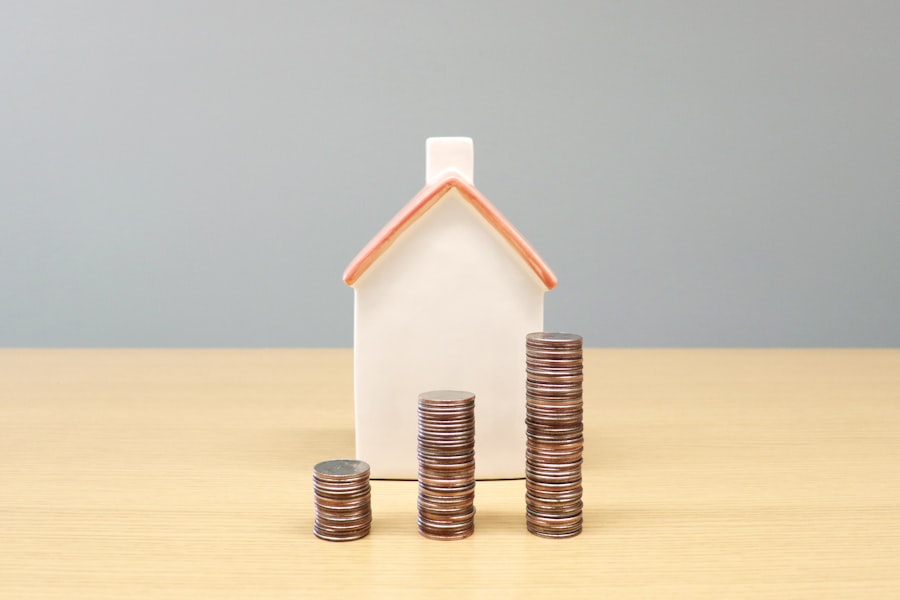
While demand and supply dynamics create the immediate market conditions, the enduring appeal of real estate as an investment lies in its capacity for consistent, long-term financial growth. You’re not just looking for a quick flip; you’re likely seeking an asset that will grow in value over the years, providing a substantial return on your investment.
Property Appreciation: The Value of Staying Power
The most celebrated aspect of real estate investment is property appreciation – the increase in the market value of a property over time. You’ve seen this happen in your own communities, where previously affordable homes have become significantly more valuable. This appreciation isn’t just about market trends; it’s often driven by inflation, economic growth, and the ever-present demand for limited supply.
Compounding Returns
When you invest in real estate, you’re not just buying an asset; you’re investing in an asset that has the potential to appreciate over many years. This means your returns can compound over time. The appreciation you see in year five builds on the appreciation from year four, and so on, creating a powerful snowball effect for your wealth.
The Role of Location and Market Cycles
You understand that not all real estate investments perform equally. Location is paramount. Properties in growing metropolitan areas, desirable school districts, or with access to key amenities tend to appreciate at a faster rate. Furthermore, you’ve observed that real estate markets operate in cycles, with periods of rapid growth followed by plateaus or even slight downturns. A long-term investment horizon allows you to ride out these cycles and benefit from the eventual upward trend.
Rental Income: The Steady Stream of Cash Flow
Beyond appreciation, many real estate investors also benefit from rental income. This creates a steady stream of cash flow that can supplement your income, cover your mortgage payments, and even provide a positive cash flow from day one. You’ve likely seen firsthand how in-demand rental properties can be, allowing landlords to set competitive rates.
Passive Income Potential
The allure of passive income is undeniable. With a well-managed rental property, you can generate income without actively trading your time for money. While property management does require effort, it can often be outsourced, allowing you to enjoy a more hands-off investment. This passive income can provide financial security and flexibility.
Covering Expenses and Generating Profit
The rent collected from your tenants can cover essential property expenses such as mortgage payments, property taxes, insurance, and maintenance. For savvy investors, the rent collected often exceeds these expenses, leaving a surplus that translates into a profit. This consistent income stream adds another layer of financial benefit to your real estate holdings.
Diversification and Risk Mitigation
As you’ve learned, relying on a single investment vehicle can be risky. Real estate offers a valuable opportunity for portfolio diversification. You’re not putting all your eggs in one basket, which can help to mitigate overall investment risk.
Tangible Asset as a Stabilizer
In times of stock market volatility, a tangible asset like real estate can act as a stabilizer. While its value might fluctuate, it’s generally less susceptible to the rapid and dramatic swings that can characterize stock markets. This adds a layer of stability to your overall investment portfolio.
A Hedge Against Economic Uncertainty
When the broader economy faces challenges, real estate, particularly in areas with consistent demand, can often prove more resilient than other asset classes. The fundamental need for shelter remains, making it a relatively stable investment even during periods of economic uncertainty. You’ve seen how housing markets can sometimes defy broader economic downturns.
In conclusion, you’ve witnessed how the interplay of increasing demand, limited supply, and the undeniable potential for long-term financial growth has propelled housing into its prominent position as a sought-after investment. It’s a complex yet compelling market, offering opportunities for those willing to understand its dynamics and navigate its landscape. The rise of real estate as an investment is not a fleeting trend, but a fundamental shift in how individuals perceive and build their financial futures.

The Middle-Class Playbook Stopped Working — Here’s Why
FAQs
What factors led to housing becoming an investment?
The shift towards housing as an investment can be attributed to factors such as low interest rates, population growth, urbanization, and government policies promoting homeownership.
How has housing investment impacted the housing market?
The increased demand for housing as an investment has led to rising home prices, reduced affordability for first-time homebuyers, and a shift towards rental properties as an investment vehicle.
What are the benefits of housing as an investment?
Investing in housing can provide potential for long-term capital appreciation, rental income, tax benefits, and a hedge against inflation.
What are the risks associated with housing investment?
Risks of housing investment include market volatility, potential for property value depreciation, vacancy rates, maintenance costs, and interest rate fluctuations.
How has the perception of housing changed as an investment vehicle?
Housing has evolved from being primarily a place to live into a financial asset, with many individuals viewing real estate as a key component of their investment portfolio.