
You’re standing at a crossroads, aren’t you? The news whispers of shifting markets, new technologies emerging at warp speed, and a global economy that seems to reinvent itself overnight. It’s not just a vague hum in the background; it’s a tangible force that can impact your career, your business, your financial well-being. For many, this constant flux can feel overwhelming, even disorienting. You might wonder if the skills you’ve honed are still relevant, if the industry you’ve invested in will endure, or if your carefully crafted business plan is already obsolete. This isn’t a hypothetical scenario; it’s the reality you’re navigating. But here’s the crucial truth: while change is inevitable, thriving amidst it is absolutely within your power. This isn’t about passively accepting whatever the economic winds blow your way. It’s about actively understanding the currents, developing the right strategies, and positioning yourself to not just survive, but to truly flourish. Imagine yourself not as a victim of circumstance, but as a master navigator, charting your course through the complexities of the modern economic landscape. This article is your roadmap.
You can’t adapt to what you don’t understand. Take the time to really look around you. The economic landscape isn’t a static postcard; it’s a dynamic, living entity. Your first step towards success is to acknowledge and comprehend the fundamental forces driving these changes.
The Digital Revolution and its Ramifications
You’ve seen it yourself: the relentless march of technology. From artificial intelligence and automation to the metaverse and advanced data analytics, digital innovations are fundamentally reshaping how we work, buy, and interact.
Automation’s Impact on the Workforce
Are you worried about machines taking your job? This is a legitimate concern for many. Automation isn’t just about robots on an assembly line anymore; it’s increasingly capable of performing cognitive tasks. You need to understand which roles are most susceptible to automation and, more importantly, what new roles are being created in its wake. This isn’t about fearing technology, but about strategically aligning yourself with its evolution. Think about how your current job functions can be augmented by technology, rather than replaced.
The Rise of the Gig Economy and Remote Work
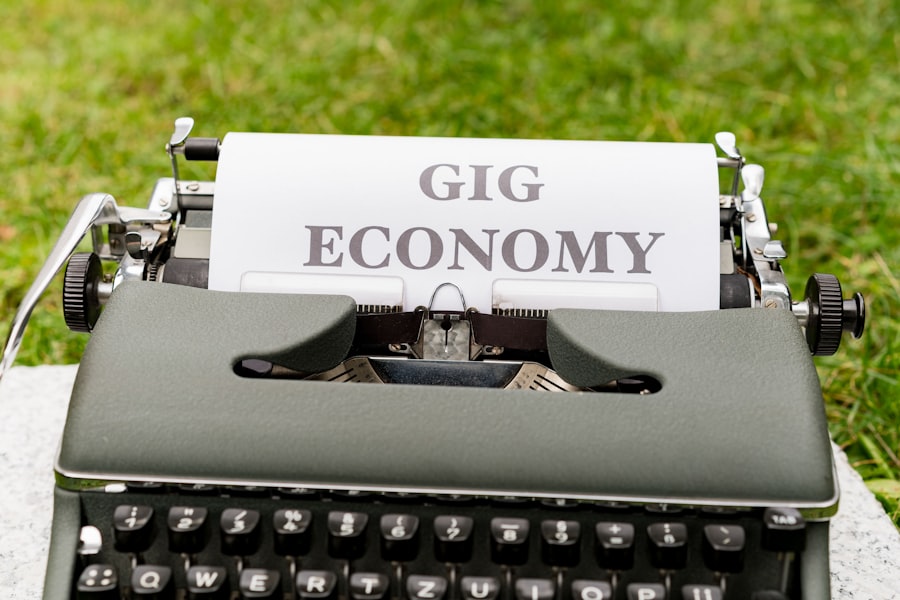
The traditional 9-to-5 office job is no longer the sole paradigm. You’ve likely experienced or observed the growth of freelance work, contract positions, and the widespread adoption of remote and hybrid work models. This offers unparalleled flexibility for some, but it also demands a different set of skills – self-discipline, effective communication across distances, and the ability to build and maintain professional networks without physical proximity.
Data as the New Currency
In today’s economy, data is king. Businesses are collecting and analyzing vast amounts of information to understand consumer behavior, optimize operations, and make informed decisions. Your ability to interpret, utilize, and even protect data is becoming an increasingly valuable asset.
Globalization and Interconnectedness
The world is smaller than ever before. Events on one side of the globe can have immediate repercussions on your local economy. You need to broaden your perspective beyond your immediate surroundings.
Supply Chain Vulnerabilities and Resilience
You’ve likely felt the pinch of supply chain disruptions, whether it’s waiting longer for products or paying higher prices. The pandemic exposed the fragility of globalsupply chains. Adapting means understanding these vulnerabilities and exploring strategies to build more resilient and diversified supply networks.
Emerging Markets and New Opportunities
While developed economies face their own challenges, emerging markets are experiencing rapid growth and presenting new avenues for investment and expansion. Keeping an eye on these burgeoning economies can reveal untapped potential for your business or career.
Geopolitical Shifts and Trade Policies
Political decisions, trade agreements (or disagreements), and international relations all play a significant role in shaping economic conditions. Staying informed about global geopolitical trends is crucial for anticipating market shifts and potential impacts on your own ventures.
Sustainability and the Green Economy
There’s a growing global awareness and demand for environmentally sustainable practices. This isn’t just a trend; it’s a fundamental shift in consumer values and regulatory focus.
Consumer Demand for Ethical and Sustainable Products
Consumers are increasingly scrutinizing the environmental and social impact of the products and services they purchase. Businesses that can demonstrate a commitment to sustainability are often rewarded with brand loyalty and market share.
Regulatory Changes and Incentives
Governments worldwide are implementing policies and offering incentives to encourage greener practices and a transition towards a low-carbon economy. Being aware of these regulations can help you adapt your operations and potentially benefit from new opportunities.
Innovation in Renewable Energy and Green Technologies
The drive for sustainability is fueling incredible innovation in sectors like renewable energy, electric vehicles, and sustainable materials. This creates new industries, job opportunities, and investment potential.
In today’s rapidly evolving economic landscape, adapting to change is essential for both individuals and businesses. A related article that offers valuable insights on this topic can be found at How Wealth Grows. This resource provides practical strategies for navigating economic shifts, including tips on financial planning, investment diversification, and embracing new technologies. By staying informed and proactive, readers can better position themselves to thrive in an unpredictable economy.
Cultivating the Mindset of Adaptability
Beyond understanding the external forces, your internal approach is paramount. You need to cultivate a mindset that embraces change, rather than resists it. This is the bedrock of long-term success.
Embracing a Growth Mindset
Do you believe your abilities are fixed, or can they be developed? A growth mindset, popularized by psychologist Carol Dweck, is the belief that your intelligence and talents can be developed through dedication and hard work. This is essential when facing new challenges.
Continuous Learning and Skill Development
The most adaptable individuals are lifelong learners. They don’t see their education as something that finished after formal schooling. They actively seek out new knowledge and skills, whether through online courses, workshops, or simply by staying curious.
Resilience in the Face of Setbacks
Change inevitably brings challenges, and sometimes failures. Your ability to bounce back from these setbacks, learn from them, and keep moving forward is crucial. Resilience isn’t about avoiding failure, but about how you respond to it.
Openness to New Ideas and Perspectives
Are you willing to consider different approaches? Adaptability requires an open mind. Be receptive to feedback, explore diverse viewpoints, and don’t be afraid to question your own assumptions. This allows for innovation and creative problem-solving.
In today’s rapidly evolving economic landscape, it is essential to develop strategies that allow individuals and businesses to thrive amidst uncertainty. One insightful resource on this topic can be found in an article that discusses practical approaches to adapting to a changing economy. By exploring various methods and insights, readers can gain valuable knowledge on how to navigate financial challenges effectively. For more information, you can check out this informative piece on how to adapt to a changing economy at this link.
Proactive Versus Reactive Strategies
You have a choice: wait for change to happen to you, or actively shape your response. The former leads to constantly playing catch-up, while the latter puts you in the driver’s seat.
Anticipating Future Trends
Instead of just reacting to current events, try to forecast what’s coming. This involves research, networking, and critically analyzing the signals you’re observing in the market and society.
Scenario Planning and Risk Assessment
For businesses and individuals alike, it’s wise to think about different possible futures. What happens if this trend accelerates? What if this market collapses? By considering various scenarios, you can develop contingency plans and mitigate potential risks.
Strategic Agility and Flexibility
The ability to pivot quickly when circumstances demand it is a hallmark of successful adaptation. This means building flexibility into your operations, your career path, and your decision-making processes.
Essential Strategies for Personal and Professional Adaptation

Now that you understand the landscape and have cultivated the right mindset, let’s dive into concrete strategies you can implement.
Future-Proofing Your Career
Your career is your livelihood. You need to ensure it remains relevant and valuable in the face of evolving job markets.
Identifying and Acquiring In-Demand Skills
This is perhaps the most direct strategy. Research the skills that are projected to be crucial in your field and those that are transferable across industries. Consider skills related to data analysis, digital marketing, cybersecurity, artificial intelligence, project management, and any specialized technical or soft skills that are gaining prominence.
Diversifying Your Skillset
Don’t put all your eggs in one basket. Developing a range of skills makes you more versatile and less vulnerable to a single industry downturn. Think about complementary skills that can enhance your primary expertise.
Networking and Building a Strong Professional Brand
Your network is your safety net and your springboard. Actively engage with professionals in your field and beyond. A strong online presence and a clear professional brand can open doors to new opportunities even before you actively seek them.
Upskilling and Reskilling Throughout Your Career
Your initial education is just the beginning. Commit to continuous learning through online courses (MOOCs like Coursera, edX), professional development programs, certifications, and industry conferences. If your current role is becoming obsolete, consider reskilling for a new, in-demand field.
Adapting Your Business for the New Economy
If you’re an entrepreneur or business owner, the stakes can feel even higher. Your business needs to be agile and forward-thinking to survive and thrive.
Embracing Digital Transformation
This isn’t an option anymore; it’s a necessity. Implement digital tools for customer engagement, operations, marketing, and data management. Explore e-commerce, cloud computing, and automation solutions to streamline processes and reach wider audiences.
Fostering Innovation and Agility Within Your Organization
Encourage a culture where new ideas are welcomed and experimentation is valued. Empower your employees to suggest improvements and be willing to adapt your business models and strategies as needed. Agile methodologies can be particularly beneficial here.
Diversifying Revenue Streams
Relying on a single product or service can be risky. Explore opportunities to create multiple income sources. This could involve offering complementary services, developing new product lines, or entering new markets.
Building Strategic Partnerships and Collaborations
No business operates in a vacuum. Look for opportunities to collaborate with other businesses, research institutions, or startups. Partnerships can provide access to new technologies, markets, and expertise.
Financial Strategies for Stability and Growth
The economic landscape directly impacts your financial health. You need robust strategies to protect your assets and ensure future prosperity.
Prudent Budgeting and Financial Planning
This remains the cornerstone of financial security. Understand your income and expenses thoroughly. Create realistic budgets and stick to them. Long-term financial planning, including retirement savings and emergency funds, is even more critical in uncertain times.
Investing Wisely and Diversifying Your Portfolio
Don’t let your money stagnate. Educate yourself about different investment options and diversify your portfolio across various asset classes (stocks, bonds, real estate, alternative investments) to mitigate risk and capture opportunities. Consider investments that align with emerging trends like sustainability or technology.
Managing Debt Effectively
High-interest debt can be a major drag on your financial freedom, especially when economic uncertainty looms. Prioritize paying down debt and be cautious about taking on new liabilities.
Exploring New Income Streams and Side Hustles
To supplement your primary income and build greater financial resilience, consider developing additional income streams. This could be a side business, freelance work, or monetizing a skill or hobby.
Navigating the Future: Building a Sustainable Path to Success
The economic future is not a fixed destination; it’s a journey. Your ability to adapt and thrive depends on your ongoing commitment to learning, your willingness to embrace change, and your strategic approach to both your personal and professional life.
The Importance of Lifelong Learning
You’ve heard it before, but it bears repeating: never stop learning. The pace of change means that what is cutting-edge today will be commonplace tomorrow. Dedicate time and resources to continuously expanding your knowledge base and acquiring new skills. This isn’t just about staying relevant in your current field; it’s about positioning yourself for future opportunities you might not even be aware of yet.
Embracing Online Learning Platforms and Resources
The accessibility of online learning has democratized education. Platforms like Coursera, edX, Udemy, LinkedIn Learning, and countless others offer courses in virtually every subject imaginable, often taught by leading experts. Invest in your education through these flexible and affordable avenues.
Seeking Mentorship and Peer Learning
Learn from those who have navigated similar changes. Seek out mentors who can offer guidance, share their experiences, and provide valuable insights. Engage with peers in professional communities, join relevant associations, and participate in discussions. You can learn as much from others’ successes and failures as you can from your own.
Staying Informed About Industry Trends and Emerging Technologies
Make it a habit to read industry publications, follow thought leaders on social media, attend webinars, and participate in conferences. Understanding the latest research, technological advancements, and market dynamics is crucial for anticipating shifts and identifying opportunities.
Cultivating a Network of Support and Opportunity
Your network is more than just a list of contacts; it’s a vital ecosystem for support, collaboration, and opportunity. In a changing economy, a robust network can provide valuable insights, potential job leads, and a sounding board for your ideas.
Actively Engaging in Professional Communities and Associations
Join industry-specific organizations, professional guilds, and online forums. These communities are invaluable for staying abreast of developments, connecting with like-minded individuals, and demonstrating your expertise.
Building Relationships Beyond Your Immediate Circle
Don’t limit your networking to your direct colleagues or industry peers. Connect with professionals in related fields, innovators, and even potential customers. Cross-pollination of ideas and perspectives can lead to unexpected breakthroughs.
Leveraging Social Media for Professional Connections
Platforms like LinkedIn are powerful tools for building and maintaining a professional network. Share your insights, engage in discussions, and connect with people who can offer expertise or opportunities.
Embracing a Proactive and Future-Oriented Approach
The most successful individuals and businesses are not those who are best at reacting, but those who are most adept at anticipating and shaping the future.
Regularly Reassessing Your Goals and Strategy
The economic landscape is a moving target. What worked yesterday might not work tomorrow. Periodically revisit your personal and professional goals. Are they still relevant? Does your strategy need to be adjusted to align with current realities and future projections?
Being Willing to Pivot and Experiment
Don’t be afraid to try new things or adjust your course if something isn’t working. This might mean learning a new skill, exploring a different career path, or modifying your business model. Experimentation is key to discovering what resonates in the evolving market.
Focusing on Building Long-Term Value Rather Than Short-Term Gains
In a rapidly changing environment, it’s tempting to chase quick wins. However, sustainable success is built on creating lasting value. This means focusing on quality, customer satisfaction, innovation, and ethical practices that will endure over time.
The economic world you operate in is in constant motion. You have the power to steer yourself and your endeavors through these shifts. By understanding the forces at play, cultivating an adaptable mindset, and implementing strategic initiatives, you can not only survive but truly thrive. This journey requires continuous effort, a willingness to learn, and the courage to embrace the unknown. The rewards, however, are immense: a secure future, meaningful growth, and the satisfaction of knowing you are not just navigating change, but actively shaping your own success. The future of the economy is being written, and you are holding the pen.

The Rules Changed. Your Financial Advice Didn’t.
FAQs
What is a changing economy?
A changing economy refers to the shifts and fluctuations in the economic conditions of a country or region, including changes in employment rates, inflation, consumer spending, and overall economic growth.
Why is it important to adapt to a changing economy?
Adapting to a changing economy is important because it allows individuals and businesses to remain competitive and resilient in the face of economic uncertainty. It also enables them to take advantage of new opportunities that arise in a changing economic landscape.
What are some strategies for adapting to a changing economy?
Some strategies for adapting to a changing economy include diversifying income streams, acquiring new skills and education, staying informed about market trends, and being flexible and open to change.
How can individuals prepare for a changing economy?
Individuals can prepare for a changing economy by building a strong financial foundation, creating a budget, saving for emergencies, and investing in their education and skill development.
What are the potential benefits of adapting to a changing economy?
Adapting to a changing economy can lead to increased job security, improved financial stability, and the ability to capitalize on emerging opportunities. It can also foster a sense of resilience and adaptability in the face of economic challenges.