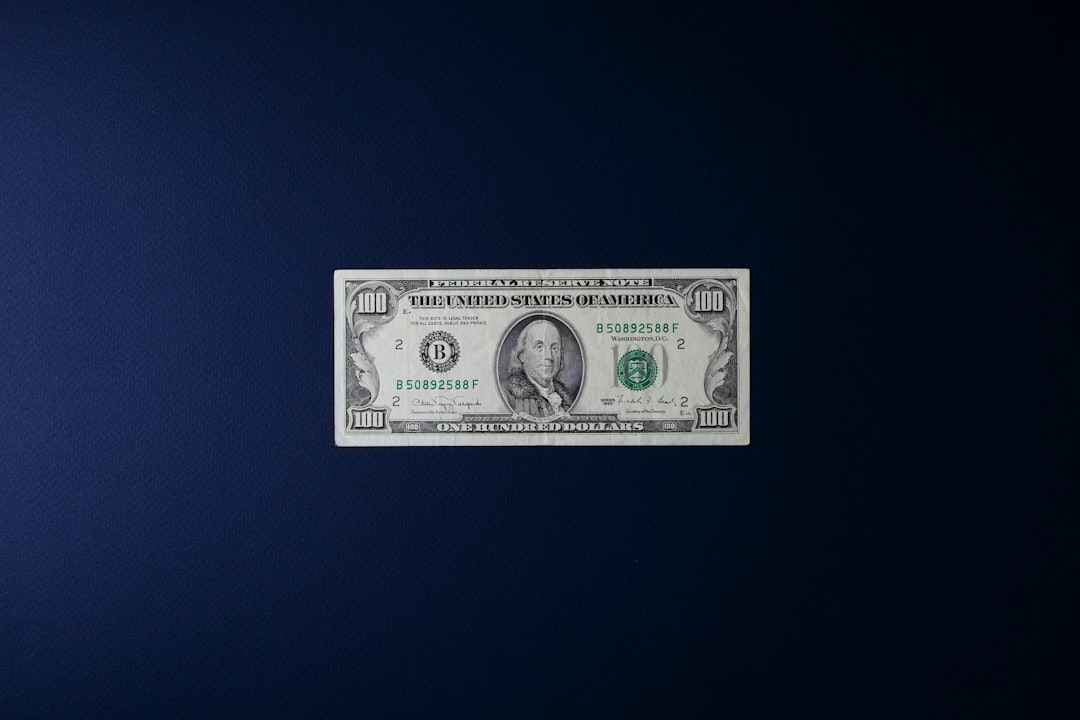
You’ve just settled in, popcorn at the ready, the lights dimmed. You’re prepared for an evening of entertainment, perhaps a gripping drama or a laugh-out-loud comedy. But tonight, you’ve chosen something different. Tonight, you’re embarking on a journey into the heart of something that touches every single aspect of your life, yet remains shrouded in mystery for so many: money. You’re about to watch “Uncovering the Truth: A Money Documentary,” and you’re about to have your eyes opened to a world you thought you understood, but probably didn’t.
As the documentary begins, you expect a straightforward explanation of how money is made, perhaps the printing of bills or the minting of coins. But “Uncovering the Truth” immediately dives deeper, challenging your preconceived notions. It starts by dismantling the popular image of money as something tangible, something easily grasped. Instead, you’re introduced to the idea of money as an abstract concept, a tool, and most importantly, a system. The film insists that understanding who, or what, ultimately dictates the flow and value of this system is paramount to understanding your own financial reality.
The Illusion of Ownership
You’ve always considered the money in your bank account or your wallet to be yours. The documentary gently, but firmly, begins to erode this certainty. It introduces concepts like fractional reserve banking, a term that might sound intimidating at first, but is explained with chilling clarity. You learn that for every dollar deposited, a bank is only required to keep a fraction of it on hand, lending out the rest. This means that the actual physical cash representing all the money in circulation is far less than the total amount of money that exists in the economy. You start to question, “If the bank can lend out money that’s essentially created through loans, who is truly in charge of its creation?” This seemingly small detail, the film argues, is the foundation of a system where the creation of money is not solely a government function, but a deeply intertwined process with private financial institutions. You feel a subtle shift in perspective, a growing unease about the true nature of your financial ownership.
The Central Bank Conundrum
The documentary then turns its gaze towards the central banks. These entities, often portrayed as benevolent guardians of economic stability, are scrutinized with a critical eye. You learn about their considerable power: setting interest rates, controlling inflation, and managing the money supply. But “Uncovering the Truth” doesn’t just present these facts; it probes the origins and motivations behind these institutions. You discover that many central banks, even those within supposedly independent governments, have complex relationships with private commercial banks. The documentary meticulously traces the historical evolution of these arrangements, revealing how private interests have, at various junctures, influenced or even dictated monetary policy. You begin to see a pattern of interconnectedness, a web of influence that extends far beyond what you might have imagined. The abstract concept of “the economy” starts to crystallize into the actions of specific entities, and you find yourself wondering how much of that action is truly for the public good, and how much is driven by private gain.
If you’re interested in exploring the intricate dynamics of wealth accumulation and financial literacy, you might find the article on How Wealth Grows particularly insightful. This resource delves into various strategies for building and managing wealth effectively, complementing the themes presented in the money documentary. To read more, visit How Wealth Grows.
The Hidden Mechanisms: How Money Is Really Created and Circulated
This section of the documentary is where the real revelation occurs, where the abstract becomes concrete. You expect to see printing presses and minting machines, but “Uncovering the Truth” guides you through a far more intricate and, frankly, astonishing process. The creation of money, you discover, is not a simple act of printing; it’s a sophisticated dance of numbers, algorithms, and confidence.
The Magic of Digital Creation
The film explains that a vast majority of the money in existence today isn’t printed paper; it’s digital. This is where the concept of “money creation through lending” truly takes center stage. You watch as the documentary uses animated graphics to illustrate how a bank, when making a loan, essentially creates new money out of thin air. This isn’t a magic trick in the conjuring sense, but a sophisticated financial mechanism. When you take out a loan to buy a house, for example, the bank doesn’t pull that money from its existing reserves. Instead, it credits your account with the loan amount, and in doing so, new money is added to the economy. This is a paradigm shift for you, a moment of profound realization. You’ve always thought of borrowing as taking something that already exists; now you’re seeing that borrowing can be a catalyst for the creation of that something. The documentary emphasizes that this process, while essential for economic growth, also carries inherent risks and can lead to inflation if not carefully managed.
The Role of Debt and Interest
The documentary then delves into the inseparable link between money and debt. You learn that the entire modern financial system is built upon a foundation of debt. Every loan, every bond, every financial instrument represents a promise to repay an amount greater than what was initially lent, due to interest. This interest, “Uncovering the Truth” argues, is essentially the profit generated by the creation of money itself. You begin to understand why the system incentivizes borrowing and how this constant need for repayment fuels economic activity, but also creates a perpetual cycle of debt for individuals, businesses, and even governments. You start to see how the accumulation of debt, both personal and societal, is not a byproduct of the system, but an integral part of its very functioning. The documentary doesn’t shy away from the potential downsides of this debt-driven model, highlighting how it can lead to financial instability and vast wealth inequality.
The Global Game: How International Finance Shapes Your Daily Life

You might have thought that the intricacies of money were largely confined to your own country’s borders. “Uncovering the Truth” dispels this notion with compelling evidence, demonstrating how global financial forces exert a profound influence on your everyday existence, from the price of your morning coffee to the stability of your job.
The Power of Currency Exchange Rates
The fluctuating value of currencies is something you’ve likely noticed when traveling or when prices of imported goods seem to spike. The documentary explains that these exchange rates are not arbitrary; they are influenced by a complex interplay of economic factors, political stability, and speculative trading. You learn how the strength or weakness of a nation’s currency can impact its ability to import goods, attract foreign investment, and ultimately, affect the purchasing power of its citizens. You begin to see how global economic trends, which might seem distant and abstract, have a direct and tangible impact on your wallet.
The Influence of International Financial Institutions
“Uncovering the Truth” casts a critical lens on powerful international financial institutions like the International Monetary Fund (IMF) and the World Bank. While often presented as aid organizations, the documentary suggests they wield significant influence over the economic policies of developing nations, often through conditional loans that come with strict austerity measures. You learn how these policies can impact employment, social services, and the overall well-being of populations, demonstrating that the decisions made by these global bodies have far-reaching consequences that can ripple down to the individual level, even in developed countries. The film posits that the pursuit of global economic stability can sometimes come at the expense of national sovereignty and the welfare of ordinary citizens.
The Cost of Complexity: Inequality, Bubbles, and the Future of Money

As the documentary progresses, you begin to grasp the often-unintended consequences of the complex financial systems that have evolved. The film doesn’t just present the mechanics; it explores the societal impact, the inherent vulnerabilities, and the potential trajectories of our monetary world.
The Widening Wealth Gap
One of the most striking revelations is the documentary’s exploration of how the current financial system can exacerbate wealth inequality. You learn how the mechanisms of money creation, asset inflation, and the concentration of financial power can disproportionately benefit those who already possess wealth. You see arguments presented that suggest the system is inherently rigged, with those at the top benefiting from policies that may not necessarily serve the broader population. The film makes a compelling case that without conscious intervention and reform, the gap between the rich and the poor is likely to continue to widen, leading to social unrest and instability.
The Specter of Financial Bubbles
The documentary dedicates a significant portion to the phenomenon of financial bubbles. You’re shown historical examples, from the dot-com bust to the housing crisis, and learn how speculative investment, fueled by easy credit and a herd mentality, can inflate asset prices beyond their intrinsic value. The inevitable bursting of these bubbles, the film highlights, can lead to devastating economic downturns, wiping out savings and livelihoods. You begin to understand that the very systems designed to foster growth also contain within them the seeds of their own destruction, creating cycles of boom and bust that can be incredibly damaging. The documentary poses the unsettling question: are we perpetually destined to repeat these mistakes?
The Digital Frontier: Cryptocurrencies and Beyond
“Uncovering the Truth” doesn’t shy away from the emerging landscape of digital currencies like Bitcoin. You’re presented with both the potential benefits and the significant risks associated with these technologies. The documentary explores the decentralized nature of cryptocurrencies, their potential to disrupt traditional financial systems, and the ongoing debates surrounding their regulation and long-term viability. You’re left contemplating whether these new forms of money represent a genuine alternative or simply another layer of complexity within an already intricate global financial web. The film encourages you to think critically about who benefits from these new technologies and what underlying principles drive their adoption.
If you’re interested in exploring the intricate relationship between wealth accumulation and financial literacy, you might find this insightful article on the topic quite enlightening. It delves into various strategies that individuals can adopt to enhance their understanding of money management and investment. You can read more about it in this related article, which complements the themes presented in the recent money documentary.
Reclaiming Your Financial Literacy: What You Can Do
| Documentary Title | Release Year | Director | Runtime |
|---|---|---|---|
| Inside Job | 2010 | Charles Ferguson | 120 minutes |
| The Corporation | 2003 | Mark Achbar, Jennifer Abbott | 145 minutes |
| Enron: The Smartest Guys in the Room | 2005 | Alex Gibney | 110 minutes |
The documentary’s final act is not one of despair, but of empowerment. Having opened your eyes to the complex and often opaque world of money, “Uncovering the Truth” shifts its focus to what you can do. It leaves you with a sense of agency, a feeling that knowledge is the first and most crucial step towards navigating this system effectively.
The Power of Education
The most persistent message throughout this final section is the absolute necessity of financial literacy. The documentary emphasizes that understanding the basics of economics, personal finance, and the workings of the financial system is not a luxury, but a survival skill in today’s world. You’re encouraged to seek out reliable sources of information, to question narratives, and to continuously educate yourself about how money flows and how it affects your life. It’s a call to action, urging you to move beyond passive consumption of financial information and to actively engage with the subject.
Demanding Transparency and Reform
“Uncovering the Truth” doesn’t end with individual action; it advocates for collective change. The documentary suggests that demanding greater transparency from financial institutions and advocating for responsible regulatory reforms are crucial steps towards a more stable and equitable financial future. You’re shown examples of individuals and organizations working to hold power accountable and to push for systemic changes that benefit a wider range of people. The film leaves you with the understanding that your individual financial well-being is intertwined with the health of the entire system, and that active participation in shaping that system is paramount. You feel a renewed sense of purpose, a conviction that understanding the truth, even when it’s uncomfortable, is the first step towards building a better financial future for yourself and for society.
As the credits roll, you’re not just thinking about the plot of a documentary. You’re thinking about your own finances, about the system you inhabit, and about your place within it. The popcorn is forgotten. Your mind is racing. You’ve just experienced “Uncovering the Truth: A Money Documentary,” and you know that your relationship with money will never be the same. You are no longer just a participant; you are now an informed observer, equipped with a newfound understanding of the unseen forces that shape your financial reality. The journey has just begun.

Why Success Stops Feeling Like Success
FAQs
What is the Money Documentary about?
The Money Documentary is a film that explores the history, impact, and future of money. It delves into the origins of money, its role in society, and the ways in which it has evolved over time.
Who is featured in the Money Documentary?
The Money Documentary features interviews with economists, historians, financial experts, and individuals from various walks of life who share their perspectives on money and its influence on the world.
What are some of the key topics covered in the Money Documentary?
The documentary covers a wide range of topics related to money, including the rise of digital currencies, the impact of globalization on financial systems, the role of central banks, and the effects of economic inequality.
Where can I watch the Money Documentary?
The Money Documentary may be available for streaming on various platforms such as Netflix, Amazon Prime, or other streaming services. It may also be available for purchase or rental on DVD or Blu-ray.
What is the goal of the Money Documentary?
The goal of the Money Documentary is to provide viewers with a comprehensive understanding of the complex and multifaceted nature of money, and to provoke thoughtful discussions about its impact on individuals, societies, and the global economy.