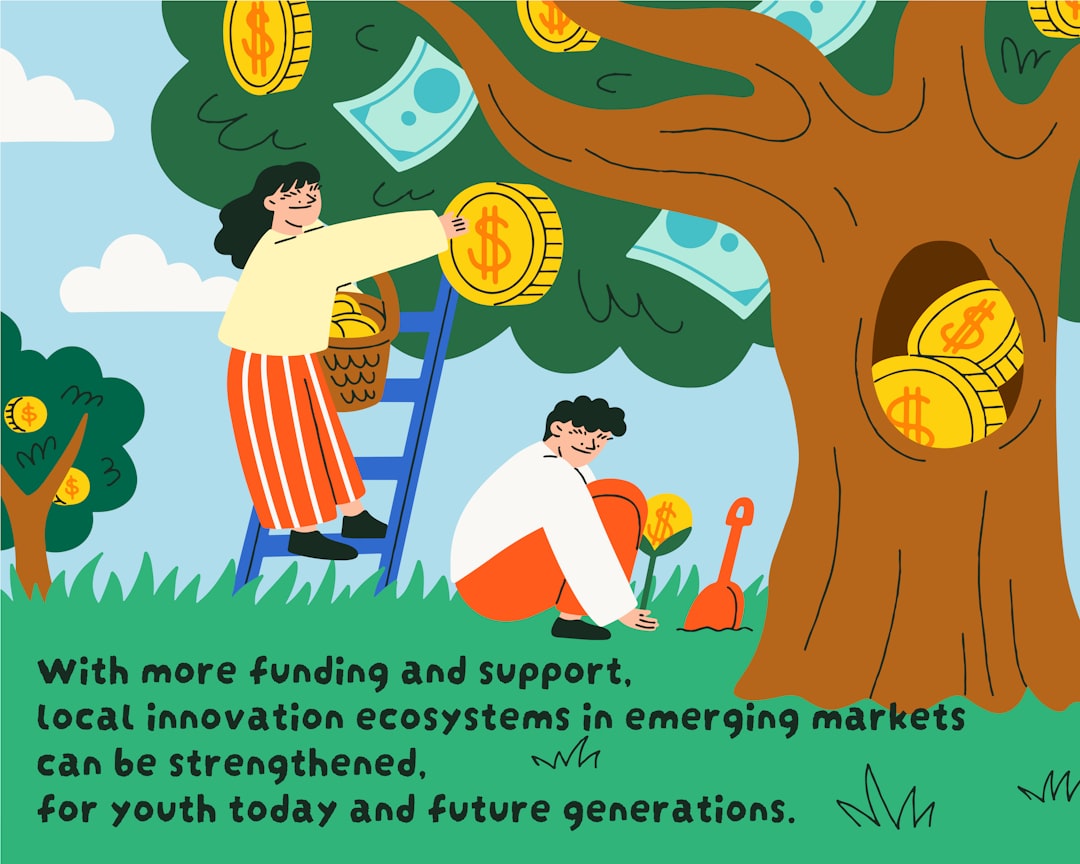
You’re standing at the precipice of your financial future, a landscape that can feel both exhilarating and daunting. Building financial resilience isn’t just about accumulating wealth; it’s about creating a robust framework that can weather life’s inevitable storms and allow you to thrive, not just survive. It’s about empowering yourself with the knowledge, habits, and strategies to navigate economic uncertainties with confidence. This isn’t a destination you arrive at overnight; it’s a continuous journey, a set of evolving practices that will serve you for a lifetime.
Before you can build anything substantial, you need to know your starting point. This means a deep, honest dive into your current financial situation. Think of it like a cartographer surveying the terrain – you need to map out every hill, valley, and river. Without this clarity, any efforts to build resilience will be akin to building on shifting sands.
The Crucial Step: Creating a Detailed Budget
This is the bedrock of financial understanding. You can’t manage what you don’t measure. Your budget isn’t a restriction; it’s a roadmap, a tool for control.
Tracking Your Income: Knowing What Comes In
This might seem obvious, but truly understanding all your income streams is vital.
Identifying All Sources
Beyond your primary salary, consider freelance income, side hustles, rental properties, dividends, interest, and any other regular or irregular sources of money. Documenting each one precisely will give you a picture of your total earning potential.
Differentiating Between Gross and Net Income
It’s easy to get caught up in gross figures, but it’s your net income – the money you actually receive after taxes and deductions – that you can spend. Be realistic about this number.
Categorizing Your Expenses: Understanding Where It Goes
This is where many people stumble. You need to be ruthlessly honest about your spending habits.
Fixed Expenses: The Non-Negotiables
These are your bills that are generally the same each month. Think mortgage or rent payments, loan repayments (car, student), insurance premiums, and essential subscriptions.
Variable Expenses: The Flexible Spending
These are the costs that fluctuate. This includes groceries, utilities (which can vary seasonally), dining out, entertainment, clothing, and transportation fuel.
Discretionary Expenses: The Wants vs. Needs
This is often the most telling category. It includes impulse buys, hobbies, vacations, and other non-essential purchases. Identifying these will highlight areas where you can potentially trim to free up funds for resilience-building.
Analyzing Your Spending Patterns: Uncovering Insights
Once you’ve tracked your income and expenses for a month or two, it’s time to analyze.
Identifying Spending Leaks
Are you surprised by how much you’re spending on certain categories? Those daily coffees, subscription services you barely use, or impulse online purchases can add up significantly.
Recognizing Budget Deviations
Did you consistently overspend in certain areas? Understanding why – was it an unexpected event, poor planning, or simply a lack of discipline? – is key to future success.
Assessing Your Net Worth: A Holistic Financial Snapshot
Your net worth is a powerful indicator of your financial health. It’s the difference between what you own (assets) and what you owe (liabilities).
Calculating Your Assets
These are all the things you own that have monetary value.
Tangible Assets
This includes things you can touch: your home, vehicles, valuable possessions like jewelry or art.
Intangible Assets
These are less physical but still valuable: savings accounts, checking accounts, investments (stocks, bonds, mutual funds), retirement accounts, and any other financial holdings.
Calculating Your Liabilities
These are all the debts you owe to others.
Short-Term Liabilities
These are debts that are due within a year, such as credit card balances, short-term personal loans, or medical bills.
Long-Term Liabilities
These are debts that will take longer than a year to repay, such as mortgages, student loans, and car loans.
The Significance of Net Worth Trends
Don’t just look at a single net worth calculation. Track it over time. Is it growing? Is it shrinking? Understanding the trend provides crucial insight into your financial progress.
To become financially resilient, it’s essential to understand the various strategies that can help you navigate economic uncertainties. A related article that offers valuable insights on this topic is available at How Wealth Grows. This resource provides practical tips and advice on building a solid financial foundation, managing debt, and investing wisely, all of which are crucial for enhancing your financial stability in challenging times.
Building Your Financial Safety Net: The Emergency Fund
Think of your emergency fund as your financial shock absorber. It’s the crucial buffer that prevents unexpected events from derailing your long-term financial goals. Without it, a job loss, a major medical bill, or a significant home repair can quickly lead to debt and stress.
The Purpose and Importance of an Emergency Fund
This fund is specifically for unexpected, essential expenses. It is not for planned purchases or investments.
Preventing Debt Accumulation
When emergencies strike, people without an emergency fund often turn to high-interest credit cards or predatory loans. This can trap them in a cycle of debt that’s incredibly difficult to escape.
Reducing Financial Stress
Knowing you have a cushion to fall back on provides immense peace of mind. This reduced stress can positively impact your overall well-being and decision-making.
Maintaining Financial Momentum
An emergency can halt your progress towards other financial goals. An emergency fund allows you to continue contributing to retirement savings or paying down other debts even when faced with unforeseen circumstances.
Determining the Right Size for Your Emergency Fund
There’s no one-size-fits-all answer, but general guidelines exist.
The “3 to 6 Months of Living Expenses” Rule
This is the most common recommendation. Calculate your total monthly essential expenses (rent/mortgage, utilities, food, transportation, minimum debt payments) and multiply that by three to six.
Considering Your Job Stability and Income Sources
If you have a stable job with a highly sought-after skill set and a consistent income, three months might suffice for some. However, if your industry is volatile, you’re self-employed, or you have dependents, aiming for six months or even more is prudent.
Accounting for Health and Dependents
If you have chronic health conditions or dependents who rely on your income, you’ll likely need a larger emergency fund to cover potential medical expenses or lost income.
Where to Keep Your Emergency Fund for Optimal Access and Growth
The key here is accessibility without temptation.
High-Yield Savings Accounts (HYSAs)
These accounts offer a better interest rate than traditional savings accounts while keeping your money safe and readily accessible. You can typically withdraw funds from an HYSA without penalties.
Money Market Accounts
Similar to HYSAs, money market accounts offer competitive interest rates and liquidity, though they might sometimes have check-writing privileges or minimum balance requirements.
Avoiding Investment Vehicles for Emergency Funds
While tempting to want your emergency money to “work harder,” avoid investing your emergency fund in stocks or other market-dependent assets. You need this money to be there when you need it, not subject to market downturns. The potential for loss is too great.
Mastering Your Debts: Unlocking Financial Freedom

High-interest debt is a significant burden that can hinder your progress towards financial resilience. Tackling it strategically is paramount. It’s about regaining control of your financial destiny by systematically reducing and eliminating what you owe.
Understanding Different Types of Debt
Not all debt is created equal. Recognizing this is the first step in creating an effective repayment plan.
Good Debt vs. Bad Debt
Generally, “good debt” is debt used to acquire assets that appreciate in value or generate income, like a mortgage for a home or student loans for a degree that increases earning potential. “Bad debt” is typically high-interest debt for depreciating assets or consumption, such as credit card debt for non-essential purchases or payday loans.
Secured vs. Unsecured Debt
Secured debt is backed by collateral (e.g., a mortgage is secured by your home, a car loan by your car). If you default, the lender can seize the collateral. Unsecured debt, like credit card debt or personal loans, is not backed by collateral.
Strategic Debt Repayment Methods
Once you understand your debts, you can choose the most effective way to tackle them.
The Debt Snowball Method
This method focuses on paying off your smallest debts first while making minimum payments on the rest. Once a debt is paid off, you roll that payment amount into the next smallest debt, creating a snowball effect. This method provides psychological wins as you eliminate debts quickly.
Steps for Implementation
- List all your debts from smallest balance to largest balance.
- Make minimum payments on all debts except the smallest.
- Put any extra money you have towards the smallest debt.
- Once the smallest debt is paid off, add its minimum payment to the payment of the next smallest debt.
- Continue this process until all debts are paid off.
The Debt Avalanche Method
This method prioritizes paying off debts with the highest interest rates first, while making minimum payments on the others. This saves you the most money on interest over time. While it might take longer to see debts disappear, it’s the mathematically superior approach.
Steps for Implementation
- List all your debts from highest interest rate to lowest interest rate.
- Make minimum payments on all debts except the one with the highest interest rate.
- Put any extra money you have towards the debt with the highest interest rate.
- Once that debt is paid off, add its payment amount to the payment of the debt with the next highest interest rate.
- Continue this process until all debts are paid off.
The Power of Debt Consolidation and Refinancing
These strategies can simplify your debt repayment and potentially reduce your interest costs.
Debt Consolidation Loans
You take out a new loan to pay off multiple existing debts. This can result in a single, lower monthly payment and potentially a lower interest rate. However, be wary of the loan term and any associated fees.
Balance Transfers
This involves moving high-interest credit card balances to a new credit card with a 0% introductory APR. While this can offer a temporary reprieve, it’s crucial to have a plan to pay off the balance before the introductory period ends and the regular APR kicks in.
Refinancing Mortgages and Loans
This involves replacing an existing loan with a new one, often with a lower interest rate or different repayment terms. This can significantly reduce your overall interest payments over the life of the loan.
Investing for Growth and Long-Term Security: Growing Your Wealth
Building financial resilience isn’t just about saving and debt reduction; it’s also about making your money work for you and grow over time. Investing is crucial for long-term wealth accumulation and achieving significant financial goals like retirement.
Understanding Different Investment Vehicles
The world of investing can seem complex, but understanding the basics of various options is a key step.
Stocks: Owning a Piece of a Company
When you buy stocks, you’re buying shares of ownership in a publicly traded company. Their value can fluctuate based on company performance and market conditions.
Individual Stocks
Choosing individual stocks offers the potential for high returns but also carries higher risk, requiring thorough research and understanding of the companies you invest in.
Exchange-Traded Funds (ETFs) and Mutual Funds
These are baskets of stocks (or other assets) that offer diversification, spreading your risk across multiple companies or asset classes. They are generally considered a more accessible and less risky way for most individuals to invest in the stock market.
Bonds: Lending Money for Interest
When you buy bonds, you’re essentially lending money to an issuer (government or corporation) in exchange for regular interest payments and the return of your principal at maturity. Bonds are generally considered less volatile than stocks.
Real Estate: Investing in Physical Assets
Investing in real estate can provide rental income and potential appreciation in property value. However, it requires significant capital, ongoing maintenance, and can be illiquid.
The Importance of Diversification
Don’t put all your eggs in one basket. Diversification is a fundamental investment principle.
Spreading Risk Across Asset Classes
By investing in a mix of stocks, bonds, and potentially other assets, you reduce the impact of a poor performance in any single asset class on your overall portfolio.
Mitigating Volatility
A well-diversified portfolio is generally less volatile than one concentrated in a single asset. When one asset class is down, another might be up, cushioning the overall impact.
Starting Early and Investing Consistently: The Power of Compounding
Time is your greatest ally when it comes to investing.
The Magic of Compound Interest
Compound interest is essentially earning interest on your initial investment and on the accumulated interest. Over time, this can lead to exponential growth of your wealth.
Dollar-Cost Averaging (DCA)
This strategy involves investing a fixed amount of money at regular intervals, regardless of market conditions. This helps to smooth out the cost basis of your investments and reduces the risk of investing a large sum just before a market downturn.
Building financial resilience is essential for navigating life’s uncertainties and achieving long-term stability. One effective way to enhance your financial knowledge is by exploring various resources that provide insights into effective money management strategies. For instance, you can read a related article that offers practical tips and guidance on this topic. By understanding the principles of budgeting, saving, and investing, you can better prepare yourself for unexpected challenges. To learn more about becoming financially resilient, check out this informative piece at this link.
Planning for the Future: Essential Insurance and Estate Planning
| Steps to Become Financially Resilient | Key Metrics |
|---|---|
| 1. Create a Budget | Income, Expenses, Savings Rate |
| 2. Build an Emergency Fund | Amount Saved, Months of Expenses Covered |
| 3. Reduce Debt | Total Debt, Debt-to-Income Ratio |
| 4. Invest for the Future | Investment Portfolio, Retirement Savings |
| 5. Diversify Income Streams | Number of Income Sources, Passive Income |
Financial resilience isn’t just about managing today’s finances; it’s also about safeguarding your future and ensuring your loved ones are protected. This involves proactive planning and taking steps to mitigate unforeseen events.
The Crucial Role of Insurance: Protecting Against the Unexpected
Insurance acts as a financial safety net against catastrophic events that could otherwise cripple your finances.
Health Insurance: A Non-Negotiable Necessity
Medical emergencies can be incredibly costly. Adequate health insurance protects you from crippling medical bills and ensures you receive necessary care without financial ruin.
Life Insurance: Protecting Your Dependents
If others rely on your income, life insurance provides a financial safety net for them in the event of your untimely death. It can cover lost income, debts, and future expenses.
Disability Insurance: Protecting Your Income
This insurance replaces a portion of your income if you become unable to work due to illness or injury. It’s often overlooked but can be a lifesaver for those whose ability to earn is their primary asset.
Property and Casualty Insurance: Safeguarding Your Assets
This includes homeowner’s or renter’s insurance to protect your dwelling and belongings, and auto insurance to cover your vehicle and potential liabilities from accidents.
Introduction to Estate Planning: Ensuring Your Wishes Are Met
Estate planning is about making decisions regarding your assets and affairs both during your lifetime and after your death. It’s about control and ensuring your legacy.
Wills: Directing Your Assets
A will is a legal document that outlines how your assets will be distributed after your death. It also designates guardians for minor children.
Trusts: More Complex Asset Management
Trusts can be used for various purposes, including managing assets for beneficiaries, avoiding probate, and minimizing estate taxes.
Powers of Attorney: Designating Decision-Makers
This legal document allows you to designate someone to make financial or healthcare decisions on your behalf if you become incapacitated.
The Importance of Regular Review
Your financial situation, family circumstances, and even legal requirements can change. It’s essential to review your insurance policies and estate plans periodically (at least every 3-5 years, or after major life events) to ensure they remain accurate and effective.
Building financial resilience is an ongoing process, a commitment to yourself and your future. It requires discipline, education, and a willingness to adapt. By understanding your financial landscape, building a robust safety net, strategically managing debt, investing for growth, and planning for the unexpected, you are not just preparing for the future; you are actively crafting a life of greater security, freedom, and choice. Embrace the journey, learn from your experiences, and empower yourself with the knowledge to thrive.

Nobody Tells You This About Success
FAQs
What does it mean to be financially resilient?
Financial resilience refers to the ability to withstand and recover from financial setbacks, such as job loss, unexpected expenses, or economic downturns, without experiencing significant long-term negative effects on one’s financial well-being.
What are some key strategies for becoming financially resilient?
Some key strategies for becoming financially resilient include building an emergency fund, reducing debt, living within your means, diversifying your income sources, and investing in your financial education and skills.
How can I build an emergency fund?
Building an emergency fund involves setting aside a portion of your income on a regular basis into a separate savings account, with the goal of accumulating enough to cover 3-6 months of living expenses. This fund can provide a financial cushion in the event of unexpected expenses or loss of income.
Why is reducing debt important for financial resilience?
Reducing debt is important for financial resilience because it can free up more of your income for savings and investments, reduce financial stress, and provide more flexibility in managing unexpected financial challenges.
What are some ways to diversify income sources?
Diversifying income sources can involve taking on a side hustle or part-time job, investing in stocks or real estate, starting a small business, or developing passive income streams such as royalties or dividends. Diversification can help protect against the risk of relying solely on one source of income.